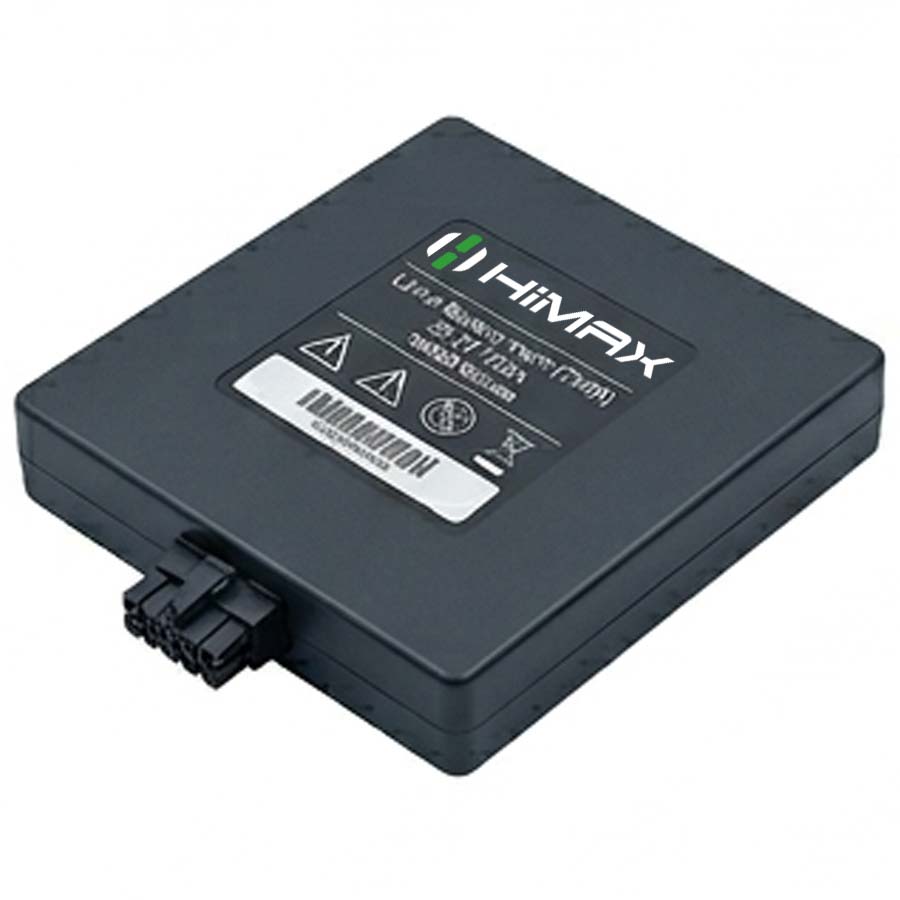
- The right battery for hunting lights depends on voltage, capacity (mAh), runtime, and environmental conditions.
- Lithium-ion and LiFePO4 batteries outperform traditional options in weight, lifespan, and cold-weather reliability.
- Matching battery output (V/A) with your light’s requirements is critical for safety and performance.
- Real-world hunting scenarios—such as night tracking, predator hunting, and long-range spotting—require different battery setups.
- Investing in a high-quality battery solution reduces downtime, improves safety, and enhances your overall hunting efficiency.
Hunting lights are not just accessories—they’re essential tools for visibility, safety, and success in the field. Whether you’re tracking game at night, scanning terrain, or setting up in low-light conditions, your light is only as reliable as the battery powering it.
A poor battery choice can lead to:
- Short runtime
- Sudden power drops
- Reduced brightness
- Failure in cold weather
The Factors to Consider When Choosing a Hunting Light Battery
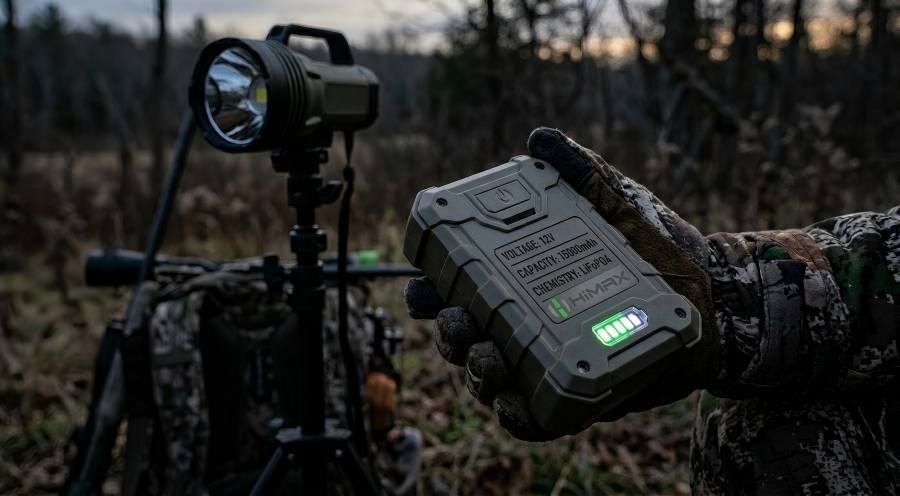
Always match the battery voltage to your hunting light’s requirements. Common hunting lights operate at:
- 3.7V (single-cell lithium-ion)
- 7.4V (dual-cell setups)
- 12V (high-power spotlight systems)
Using the wrong voltage can damage your equipment or reduce efficiency.
Battery capacity determines how long your light will run. The higher the mAh, the longer the runtime.
Basic Runtime Formula:
Runtime (hours) = Battery Capacity (mAh) ÷ Device Current (mA)
For example:
- A 5000mAh battery powering a 1000mA hunting light = ~5 hours runtime
For extended hunts, especially overnight trips, higher-capacity batteries (5000mAh–20000mAh) are recommended.
Different battery chemistries offer unique advantages:
- High energy density
- Lightweight
- Rechargeable
- Ideal for portable hunting lights
- Longer lifespan (2000+ cycles)
- Better thermal stability
- Safer for rugged outdoor use
Lead-Acid (Less Common Today)
- Heavy and bulky
- Lower efficiency
- Mostly used in older or large spotlight systems
For modern hunters, lithium-based batteries are the clear choice.
High-powered hunting lights require batteries that can deliver sufficient current.
If your light draws:
- 2A → ensure the battery supports at least 2A continuous discharge
- 5A+ → choose high-drain lithium cells
Low-quality batteries may overheat or fail under high loads.
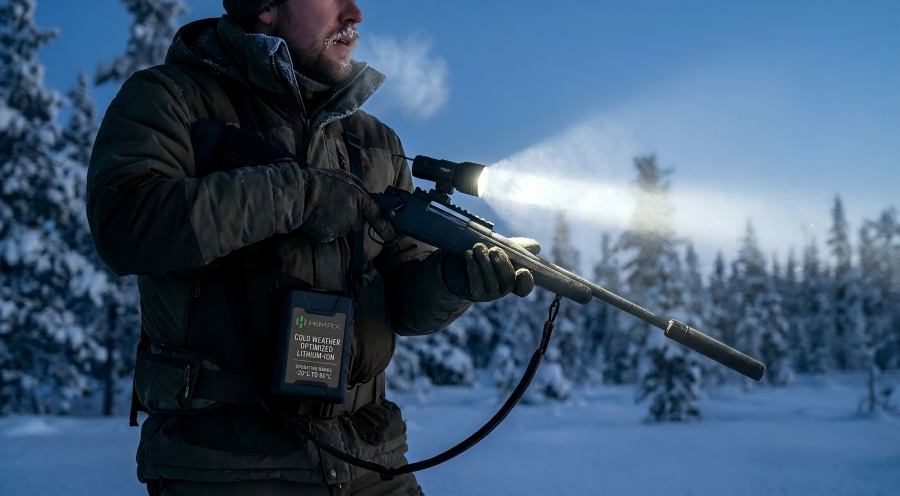
Hunting often takes place in extreme conditions:
- Cold temperatures
- Wet environments
- Rough terrain
Lithium batteries perform better in cold weather compared to traditional batteries. Look for:
- Operating range: -20°C to 60°C
- Waterproof or sealed battery packs
- Shock-resistant casing
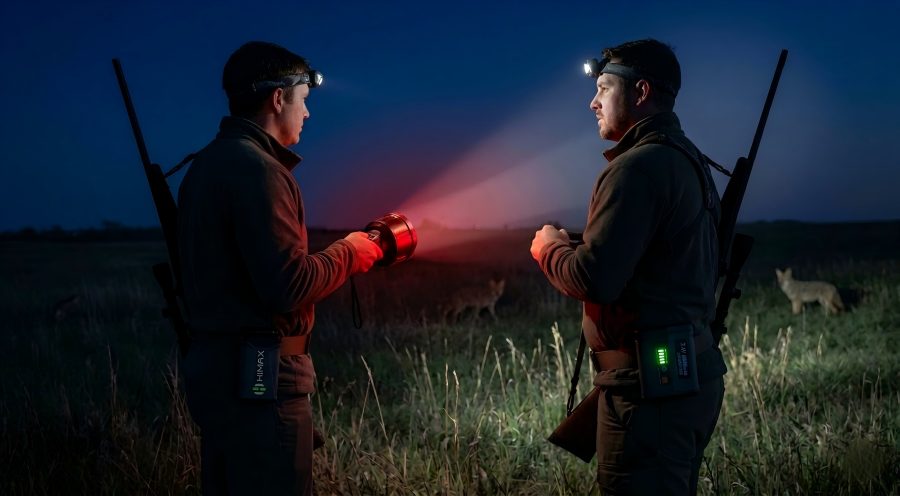
Scenario 1: Night Predator Hunting (Coyotes/Foxes)
Setup:
- Light Power: 10W LED
- Voltage: 7.4V
- Current Draw: ~1.35A
- Hunting Duration: 6 hours
Recommended Battery:
- 7.4V 8000mAh lithium-ion battery
Why:
- Provides ~6 hours runtime
- Lightweight for mobility
- Stable brightness for scanning large areas
Scenario 2: Long-Range Spotlighting (Deer Hunting)
Setup:
- Light Power: 30W spotlight
- Voltage: 12V
- Current Draw: ~2.5A
- Duration: 4–5 hours
Recommended Battery:
- 12V 15000mAh LiFePO4 battery
Why:
- High capacity supports extended runtime
- Safer chemistry for high-power applications
- Maintains output over long distances
Scenario 3: Backpack Hunting (Minimal Gear Setup)
Setup:
- Light Power: 5W headlamp
- Voltage: 3.7V
- Current Draw: ~1A
- Duration: 8 hours
Recommended Battery:
- 3.7V 10000mAh rechargeable battery pack
Why:
- Compact and lightweight
- Long runtime for overnight trips
- Easy to recharge via portable power banks
Scenario 4: Cold Weather Hunting (-10°C / 14°F)
Setup:
- Light Power: 15W LED
- Voltage: 7.4V
- Duration: 5 hours
Recommended Battery:
- 7.4V lithium battery with cold-weather optimization
Why:
- Maintains capacity in low temperatures
- Prevents sudden voltage drops
- Ensures consistent brightness
Additional Features to Look For
When selecting a battery solution, consider these added features:
- Built-in Battery Management System (BMS): Protects against overcharge, over-discharge, and short circuits
- Fast Charging Capability: Reduces downtime between hunts
- Modular Design: Allows easy swapping in the field
- LED Indicators: Displays remaining battery level
- Choosing capacity without checking voltage compatibility
- Using low-quality or uncertified batteries
- Ignoring discharge rate requirements
- Underestimating runtime needs for long hunts
- Not preparing backup battery packs
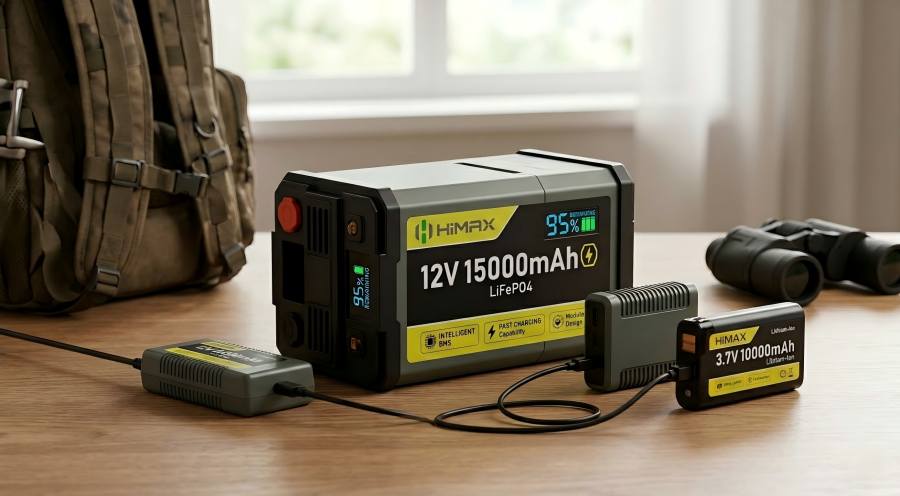
At HiMAX, we specialize in delivering high-performance lithium battery solutions tailored for demanding outdoor applications like hunting lights. Our batteries are engineered with advanced cell technology and intelligent Battery Management Systems (BMS) to ensure maximum safety, efficiency, and durability.
Whether you need compact 3.7V packs for portable headlamps or high-capacity 12V systems for powerful spotlights, HiMAX offers customizable solutions designed to meet your exact specifications. With superior energy density, extended cycle life, and reliable performance in extreme conditions, HiMAX batteries help hunters stay focused, prepared, and powered—no matter where the hunt takes them.
Find articles related to Hunting Lights Batteries