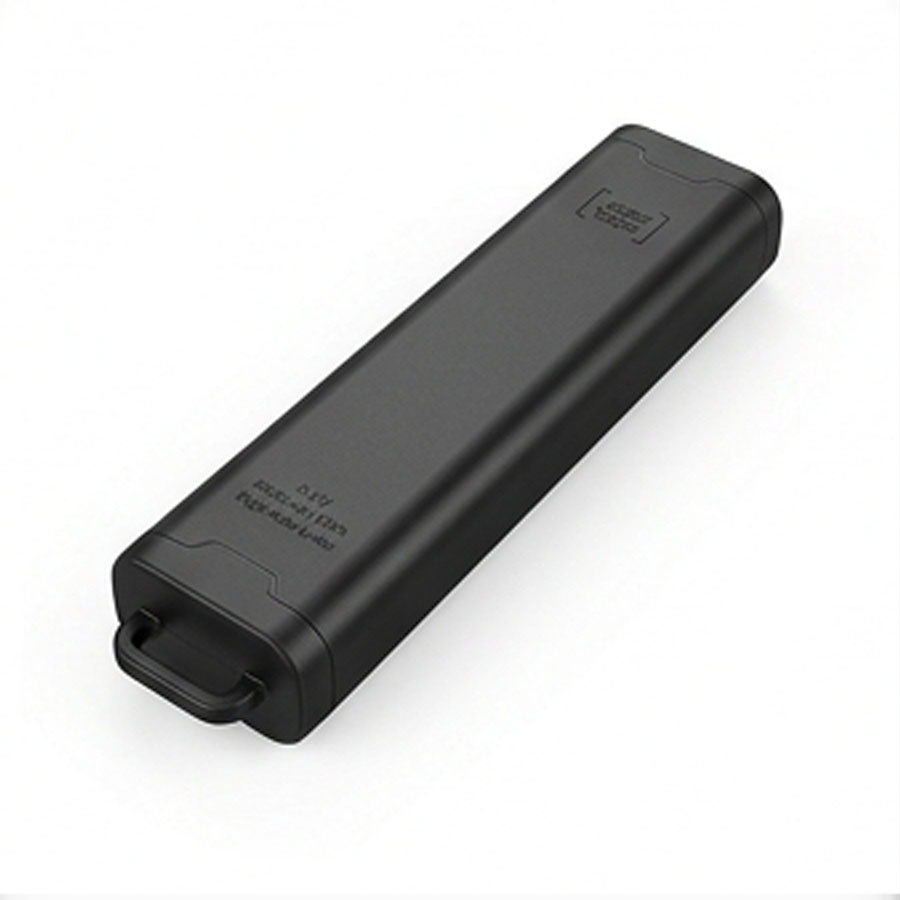
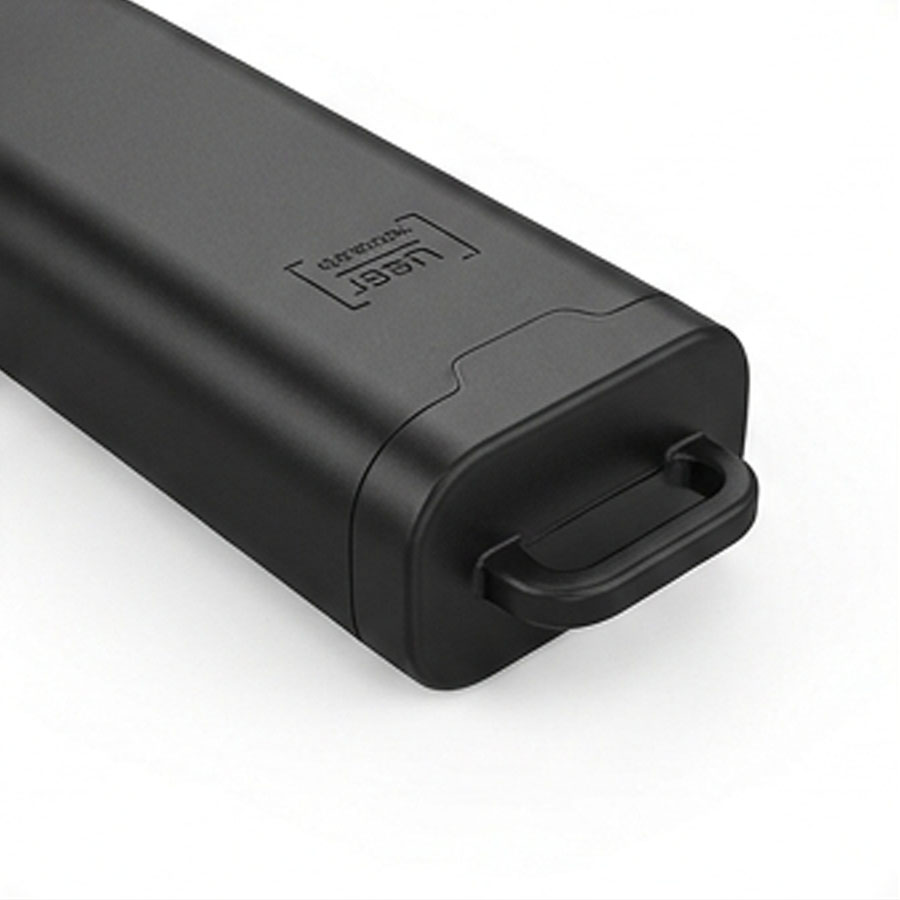
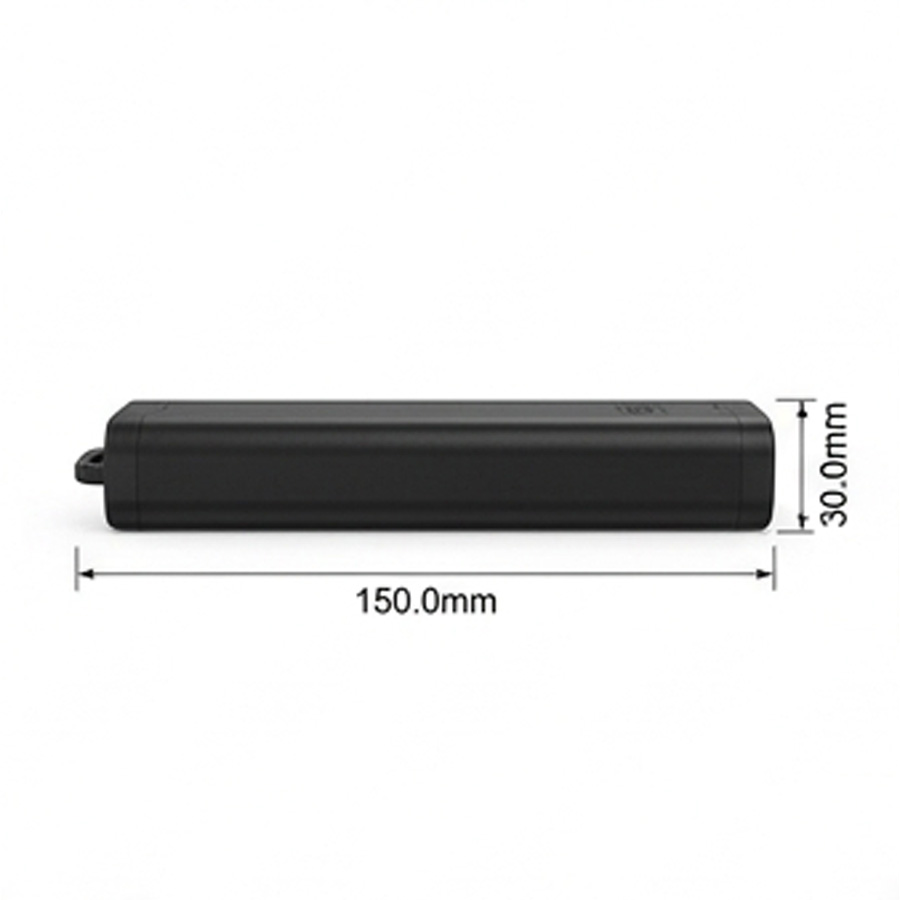
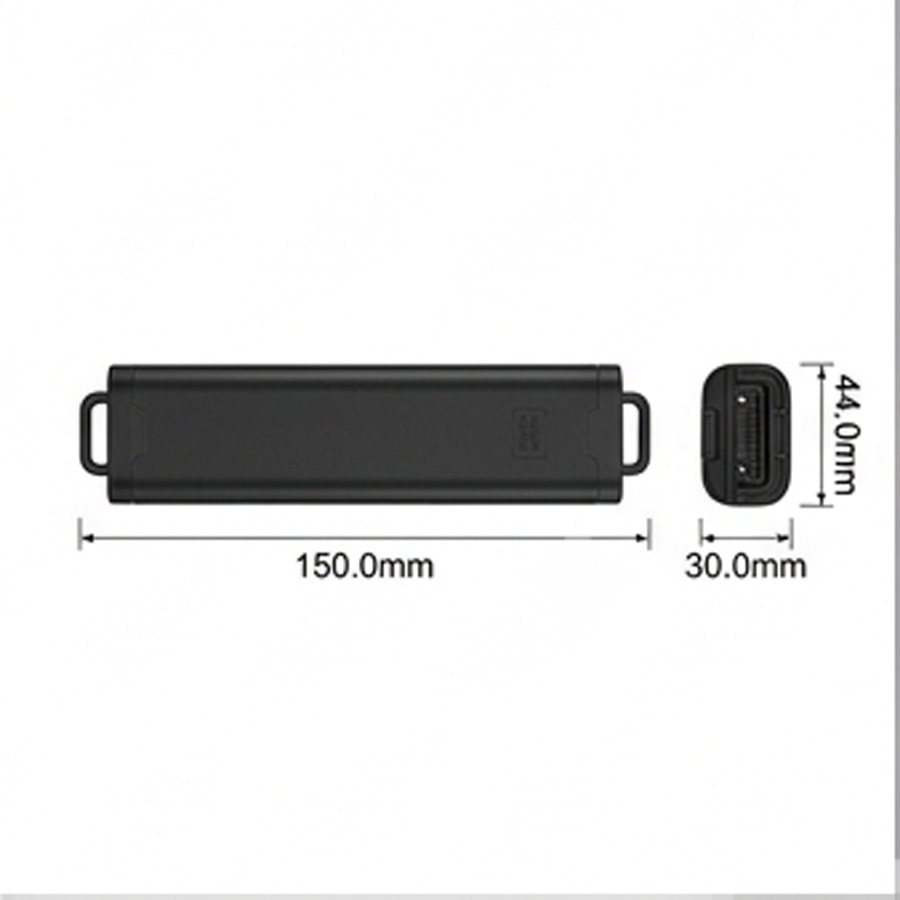
Ultra-Compact Tubular Architecture: Specifically tailored to a ~30mm diameter profile to slide seamlessly inside standard carbon fiber prosthetic pylons without compromising structural integrity.
6C Transient Pulse Discharge: Engineered for split-second stomp and stumble recovery, delivering up to 30A instantaneous current to drive active hydraulic or pneumatic micro-valves.
Extended 2-Day Runtime Autonomy: Packed with a 72Wh high-density 21700 cell array to reliably sustain complex, continuous algorithmic gait calculations and multi-sensor tracking for up to 48 hours.
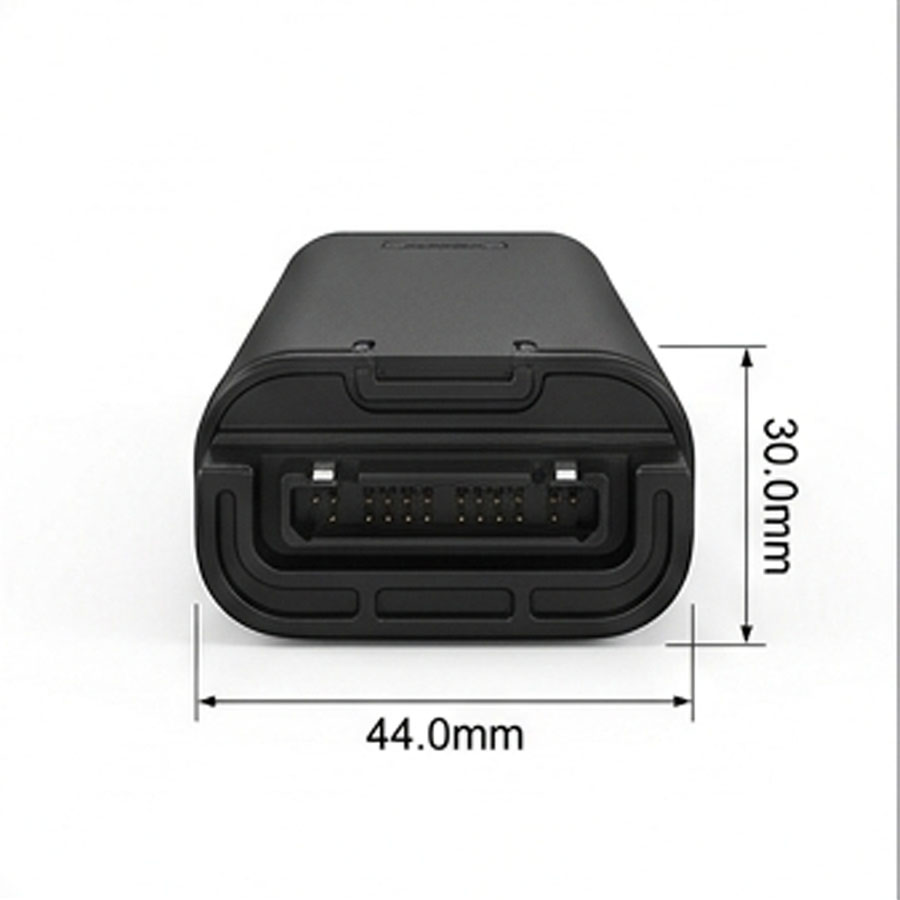
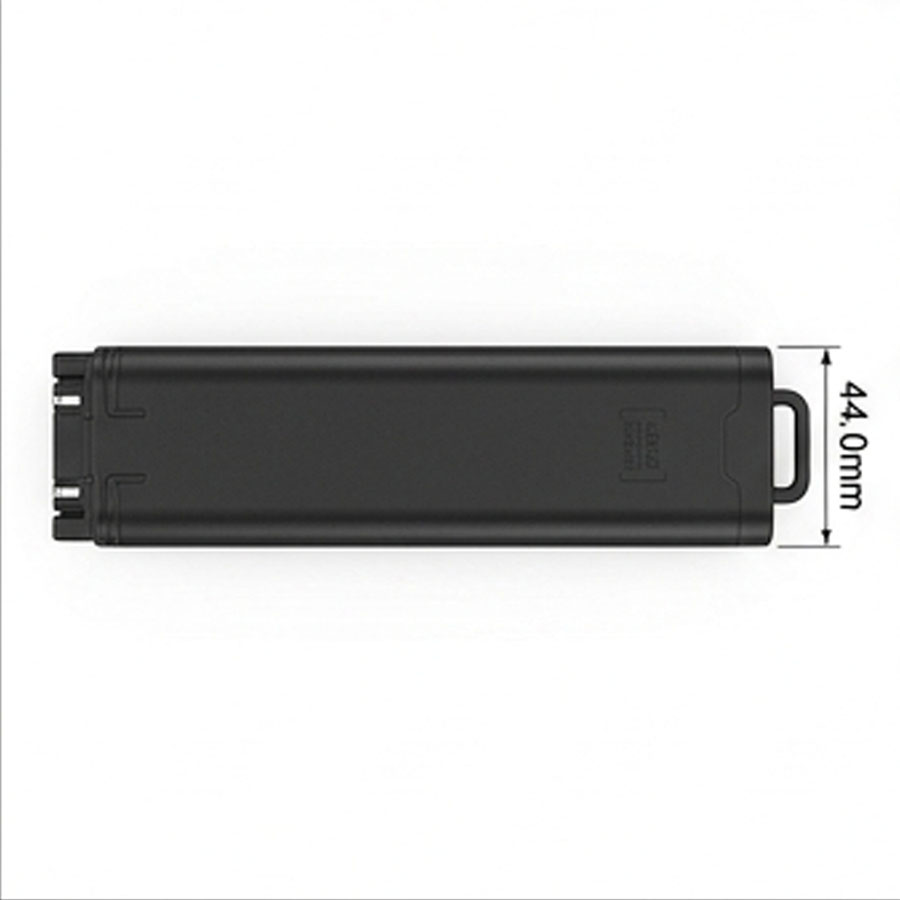
When engineering smart prosthetic limbs, spatial optimization is one of the most punishing puzzles for R&D teams. This custom-engineered Li-ion 4S1P pack leverages premium high-capacity 21700 cylindrical cells (3.6V 5000mAh) arranged into an ultra-slender tubular layout (30.0 × 44.0× 150.0mm). It bypasses typical internal chassis constraints by sliding directly inside the prosthesis’s carbon fiber structural support tube (pylon), optimizing the lower limb’s center of mass.
However, compact aesthetics mean nothing without mechanical muscle. To support the demanding load profiles of smart microprocessor-controlled knees (MPK), our cell configuration guarantees a solid 3C (15A) continuous discharge and a blistering 6C (30A) transient pulse capability. When integrated gyroscopes or torque sensors flag a sudden loss of stability, the battery pack instantaneously feeds high-drain current to the electric actuators or hydraulic micro-valves, executing critical stumble recovery protocols within milliseconds to keep the user secure.
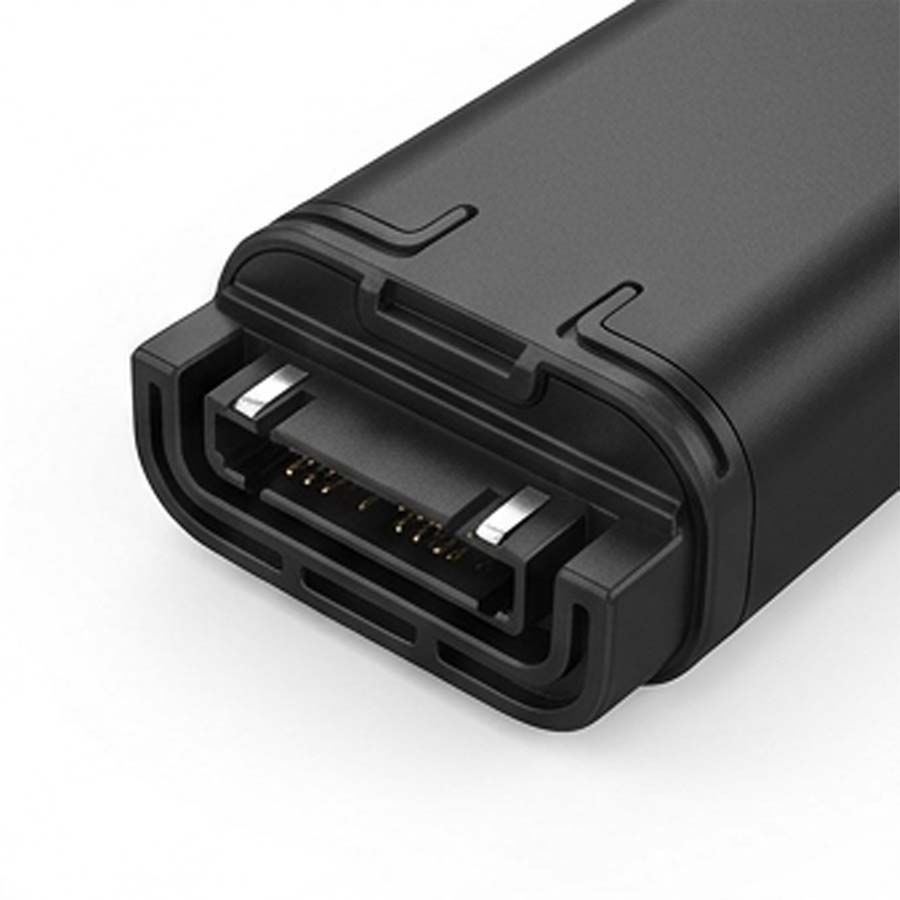
Patient safety is an absolute, non-negotiable metric in clinical mobility hardware. Beyond delivering reliable energy storage (72WH for a multi-day active lifestyle), we embed smart medical-grade Protection Circuit Modules (PCM) supporting SMBus/I2C communication protocols. This gives the host system precise, real-time telemetry over State-of-Charge (SoC), cycle degradation, and thermal boundaries.
Manufactured under a strict ISO9001 quality management system and fully certified under UN38.3 for secure global air transport, this battery assembly is designed and built to fulfill compliance standards including IEC 62133-2, CE, and rigorous electromagnetic compatibility (EMC) regulations. Every production batch undergoes extensive environmental simulation, structural drop validation, and cycle verification at our factory to ensure flawless field reliability. For bespoke layout adjustments, custom output connectors, or specific firmware parameters, view our full technical matrix below or contact our engineering team directly at HIMAX Electronics.
Specifications
14.4V 5000mAh 21700 Li-ion Battery Pack
Product Model
HX-4S1P-21700-MED
Battery Chemistry Type
High-Rate Cylindrical Lithium-ion (Li-ion)
Cell Specification
Premium 21700 / 3.6V / 5000mAh per cell
Configuration Method
4S1P (4 Series, 1 Parallel)
Nominal Voltage
14.4V
Working Voltage Range
10.0V to 16.8V
Rated Capacity
5000mAh (Minimum 4900mAh)
Total Rated Energy
72Wh
Max. Continuous Discharge Current
3C/15A (at 25°C)
Peak/Pulse Discharge Current
6C/30A (Duration ≤ 2 seconds)
Standard Charging Current
0.2C / 1.0A
Maximum Charging Current
1.0C / 5.0A (Customizable up to 2C)
Charge Cut-off Voltage
16.8V ± 0.05V
Discharge Cut-off Voltage
10.0V
Internal Resistance (IR)
<45mΩ (Fully charged AC 1kHz)
Physical Dimensions
Slender Tubular: Approx. 30.0mm x 44.0mm x 150.0mm (Customizable)
Navigating the strict regulatory, thermal, and mechanical boundaries of medical-grade electronic hardware introduces unique challenges. Below are the primary technical considerations addressed by our engineering team to ensure seamless system integration.
How does the slender tubular form factor handle heat dissipation within an enclosed carbon fiber pylon?
We use low-internal-resistance 21700 cells coupled with highly efficient, medical-grade thermal conductive pads that map to the outer structural sleeve. This ensures that even during high-rate 3C continuous discharge cycles, thermal energy is uniformly distributed and dissipated through the prosthetic framework, preventing localized hot spots inside the carbon tube.
Can the communication interface handle real-time medical-grade telemetry?
Yes. The integrated Smart BMS supports reliable SMBus and I2C communication protocols. It transmits high-accuracy state-of-health (SoH), absolute state-of-charge (SoC), cell temperature, and voltage balancing data directly to the central microprocessor of the knee joint, preventing unexpected power cutoffs.
What protection margins are established for the 6C (30A) pulse discharge during stumble recovery?
The customized BMS features a programmable over-current latch time. It permits safe 6C (30A) transient spikes for sudden micro-valve or motor adjustments during stumble recovery while instantly defending against sustained over-current faults or true short-circuits.
Aside from UN38.3 and ISO9001 certifications, how does HIMAX help with regional medical compliance?
We construct all medical device assemblies using UL94-V0 flame-retardant materials and design them to match IEC 62133-2 and FDA requirements. We provide comprehensive trace component documentation, cell test data sheets, and structural drawings to streamline your system-level medical device compliance audits.
Can the physical dimensions or nominal voltage be adjusted for pediatric or bionic upper-limb designs?
Absolutely. As a direct battery manufacturing factory, we specialize in complete OEM/ODM customization. We can reconfigure cell counts, structural geometries, housing materials, and wiring looms to match your specific mechanical footprints. Submit your project scope on our HIMAX inquiry page for a detailed engineering review.