Key Takeaways
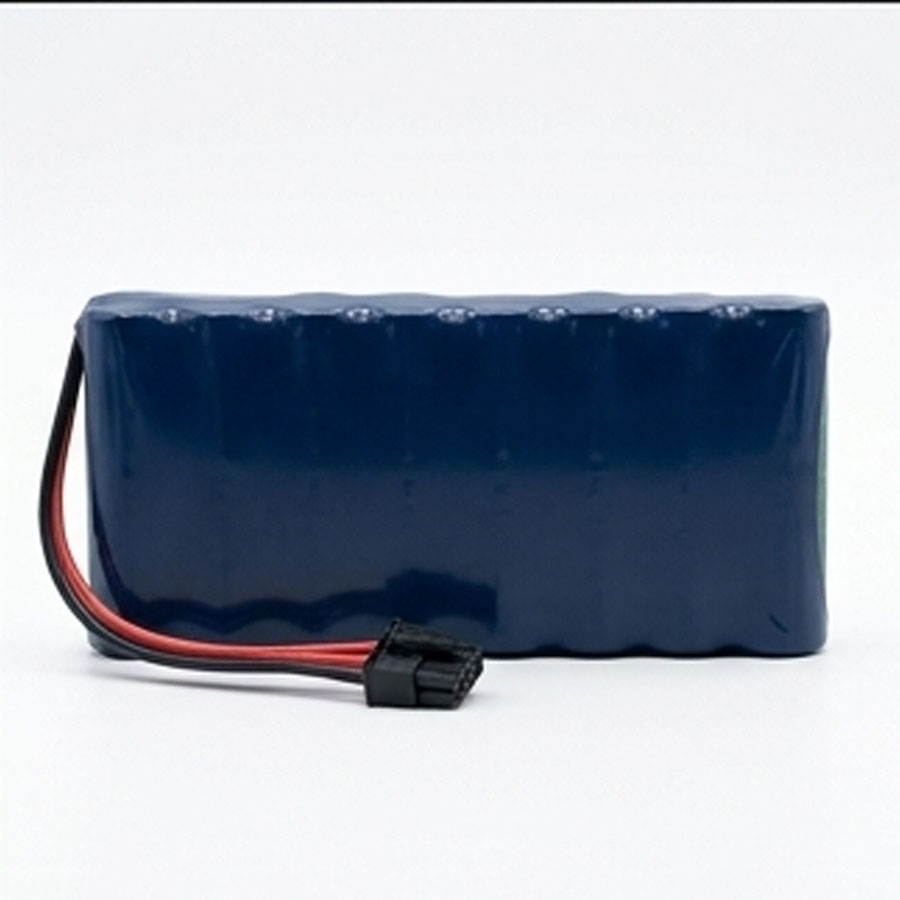
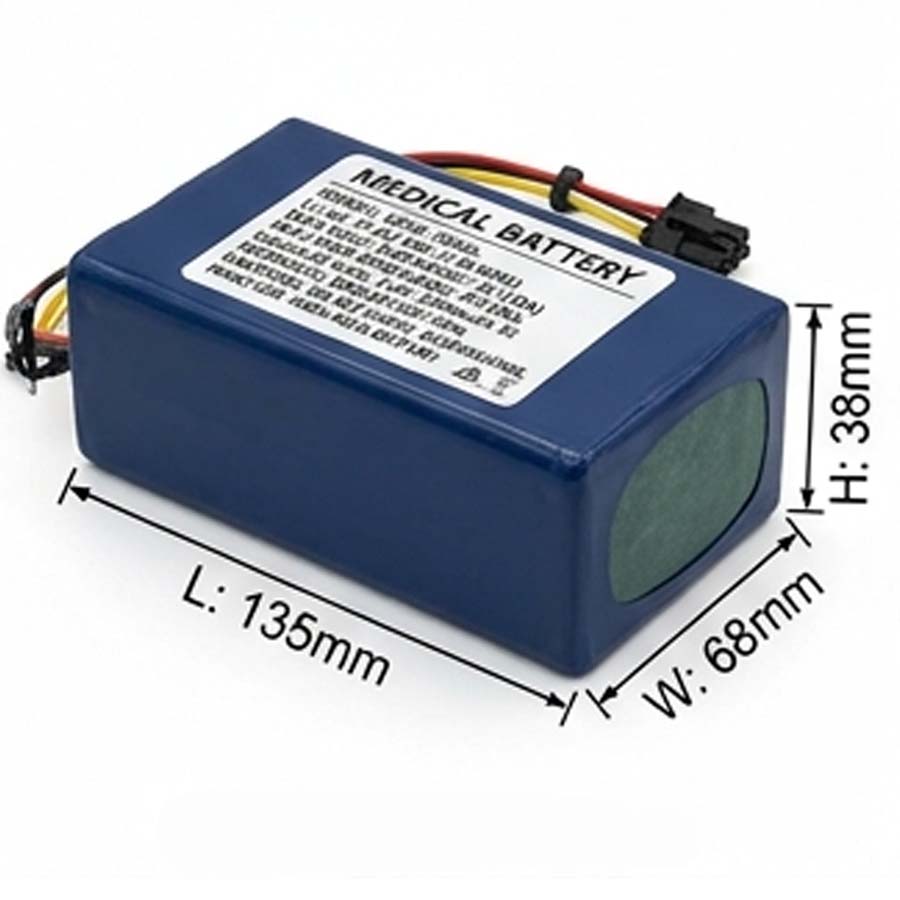
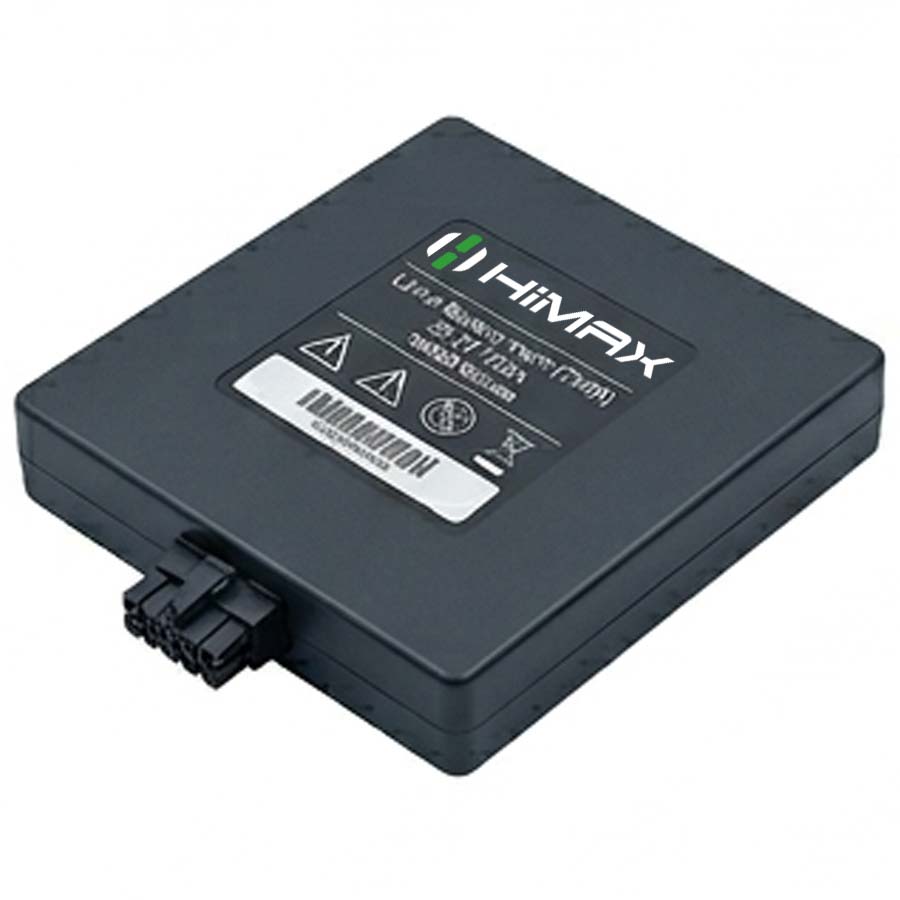
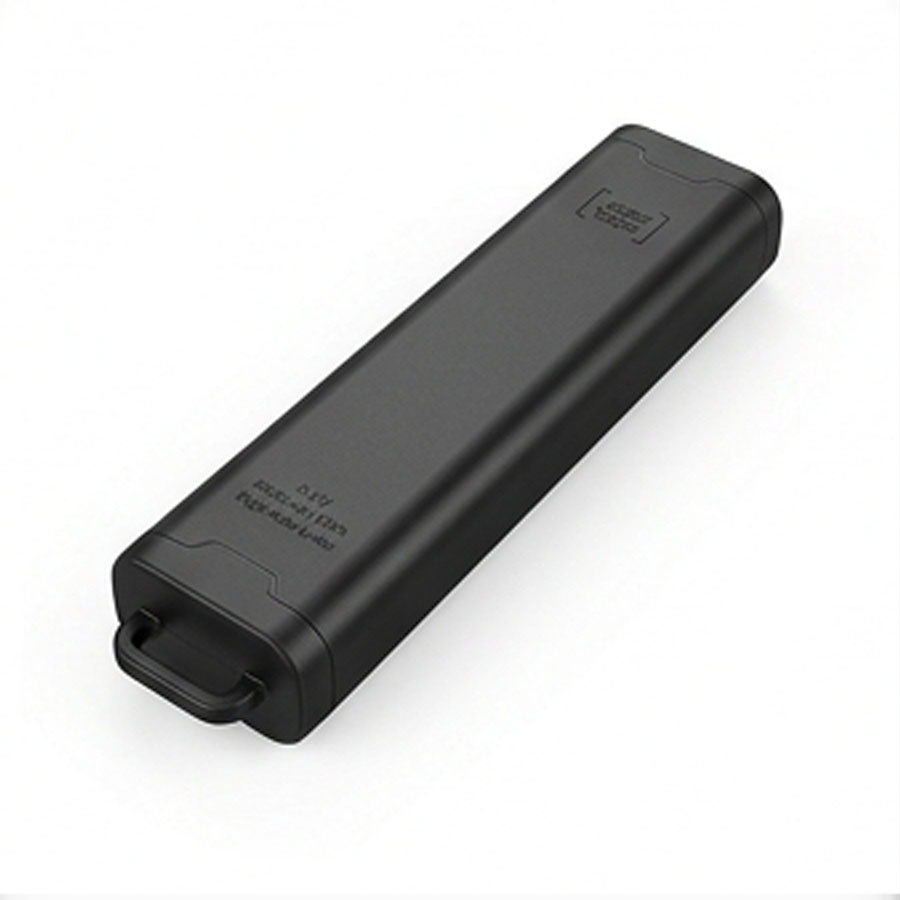
- Choosing the right Portable Ventilator Batteriesdirectly impacts device reliability, patient safety, and operational uptime.
- Battery capacity (mAh/Wh), voltage compatibility, and cycle life are the most critical technical factors.
- Different use scenarios—home care, emergency transport, and hospital backup—require tailored battery specifications.
- Lithium-ion batteries remain the preferred choice due to higher energy density and longer lifespan.
Introduce
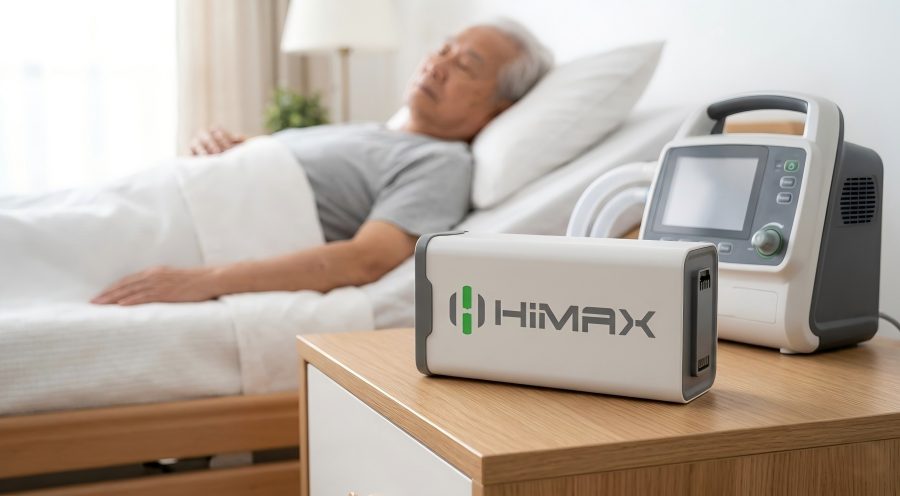
Portable ventilators have become essential across healthcare settings, from hospitals to home care environments. As these devices become more advanced and mobile, the demand for high-performance Portable Ventilator Batteries has surged.
A reliable battery ensures uninterrupted respiratory support, especially in critical situations such as patient transport, emergency response, or power outages. Even a brief power failure can pose serious risks, making battery selection a mission-critical decision rather than a simple accessory purchase.
The Key Factors to Consider When Buying Portable Ventilator Batteries
- Battery Capacity and Runtime
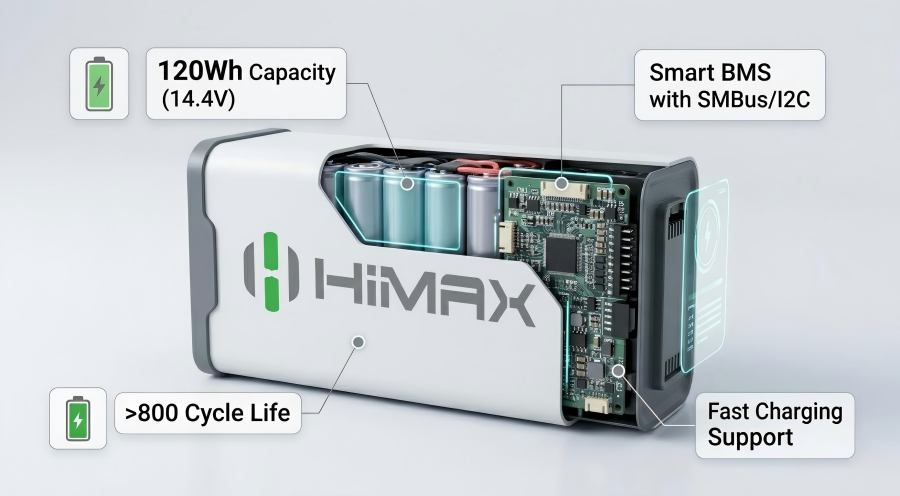
Battery capacity, typically measured in milliamp-hours (mAh) or watt-hours (Wh), determines how long a ventilator can operate without external power.
For example:
- A 98Wh battery can power a standard portable ventilator for approximately 4–6 hours.
- A 160Wh battery may extend runtime to 8–10 hours depending on device settings.
When evaluating Portable Ventilator Batteries, always match capacity to your expected usage duration.
- Voltage Compatibility
Portable ventilators operate within specific voltage ranges (commonly 12V, 14.4V, or 24V). Using an incompatible battery can damage the device or reduce efficiency.
Ensure the battery voltage aligns with your ventilator’s requirements. Many modern portable medical device batteries include smart circuitry to regulate voltage output safely.
- Battery Chemistry
Lithium-ion batteries dominate the market due to their superior performance:
- Higher energy density
- Lightweight design
- Longer cycle life (typically 500–1000 cycles)
Compared to older NiMH or lead-acid options, lithium portable ventilator batteries provide better reliability and portability.
- Safety and Certifications
Safety is non-negotiable in medical applications. Look for batteries that meet standards such as:
- UL certification
- IEC 62133 compliance
- 3 for transportation
Certified medical-grade battery packs reduce the risk of overheating, overcharging, or short circuits.
- Charging Time and Efficiency
Fast charging capabilities can be critical in emergency scenarios. Some advanced Portable Ventilator Batteries support:
- 2–3 hour full recharge cycles
- Smart charging systems with overcharge protection
This ensures quick turnaround between uses.
Use Scenarios
To better understand how to choose the right battery, here are practical U.S.-based usage scenarios:
Scenario 1: Home Healthcare Patient
- Device Power Consumption: 20W
- Daily Usage: 10 hours
- Required Backup Time: 6 hours
Recommended Battery:
- Capacity: ≥120Wh
- Voltage: 14.4V
- Type: Lithium-ion
In this case, a high-capacity portable ventilator battery pack ensures uninterrupted care during power outages or mobility needs.
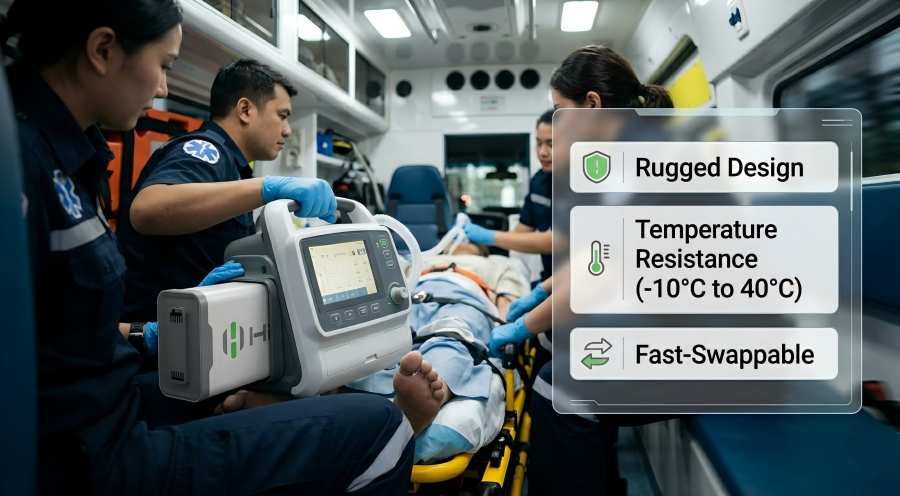
Scenario 2: Emergency Medical Services (EMS)
- Device Power Consumption: 30W
- Transport Duration: 2–4 hours
- Environment: Variable temperature (-10°C to 40°C)
Recommended Battery:
- Capacity: 100–150Wh
- Rugged design with temperature resistance
- Fast-swappable capability
For EMS teams, rugged portable ventilator batteries with quick replacement features are essential for reliability during transport.
Scenario 3: Hospital Backup Systems
- Device Power Consumption: 25W
- Backup Requirement: 8 hours
- Redundancy: Dual battery system
Recommended Battery:
- Capacity: ≥200Wh total (dual setup)
- Smart battery management system (BMS)
- Hot-swappable design
Hospitals benefit from redundant ventilator battery systems to ensure zero downtime in critical care units.
Scenario 4: Remote or Rural Clinics
- Limited access to grid power
- Solar charging integration
- Daily usage: 6–8 hours
Recommended Battery:
- Capacity: 150–200Wh
- Solar-compatible charging input
- Long cycle life (>800 cycles)
In these settings, long-lasting portable ventilator batteries paired with renewable energy sources provide sustainable operation.
Common Mistakes to Avoid
- Ignoring compatibility:Always verify voltage and connector type.
- Underestimating runtime needs:Plan for worst-case scenarios.
- Choosing non-certified batteries:This can compromise safety.
- Overlooking charging infrastructure:Ensure chargers are compatible and efficient.
Avoiding these mistakes ensures optimal performance and safety.
How to Choose the Right Supplier
When sourcing Portable Ventilator Batteries, consider:
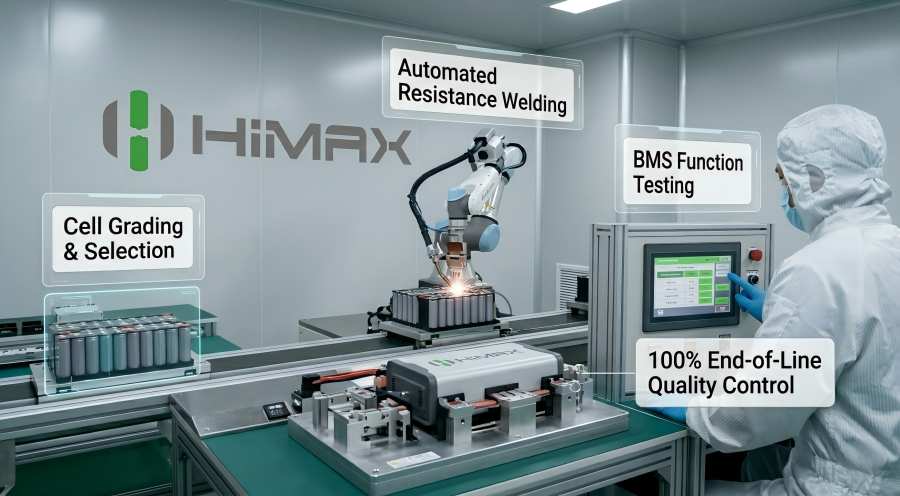
- Manufacturing expertise
- Quality control processes
- Customization capabilities
- Global certifications
- Reliable delivery timelines
A trusted supplier can make a significant difference in both product quality and long-term cost efficiency.
At HiMAX, we specialize in designing and manufacturing high-performance battery solutions tailored for critical medical applications. Our Portable Ventilator Batteries are engineered to deliver:
- High energy density for extended runtime
- Advanced safety protections with intelligent BMS
- Full compliance with international medical and transportation standards
- Customizable configurations to meet diverse device requirements
Find articles related to Portable Ventilator Batteries