Key Takeaways
- Choosing the right camping lanterns batterydirectly impacts brightness, runtime, and safety during outdoor trips.
- Lithium-ion batteries offer the best balance of energy density, weight, and rechargeability for modern camping needs.
- Always match voltage, capacity (mAh), and discharge rate to your lantern’s specifications.
- Cold weather performance and charging convenience are critical factors for outdoor environments.
- Investing in high-quality battery solutions reduces long-term costs and improves reliability in remote areas.
Introduce
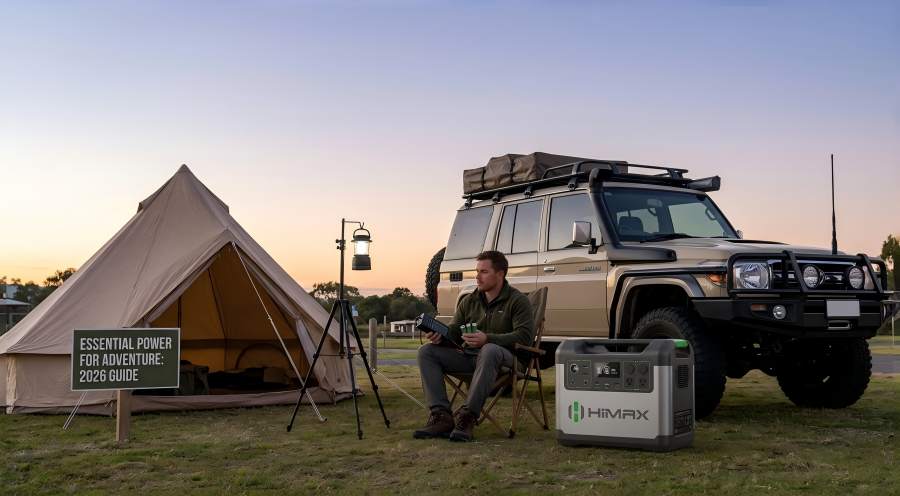
Camping in 2026 is no longer just about basic gear—it’s about efficiency, safety, and smart energy use. Whether you’re hiking in Colorado, overlanding in Utah, or enjoying a family campsite in California, your lighting setup depends heavily on selecting the right camping lanterns battery solution.
A poor battery choice can lead to dim lighting, short runtimes, or even safety risks. On the other hand, a high-performance portable lantern battery system ensures consistent illumination, longer usage, and peace of mind.
Types of Camping Lantern Batteries
Understanding battery types is the first step toward making the right purchase decision.
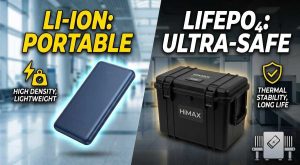
- Lithium-Ion Batteries (Li-ion)
- Voltage: Typically 3.6V–3.7V per cell
- Capacity: 2000mAh–5000mAh+
- Cycle Life: 500–1000 cycles
These are the most popular choice for modern rechargeable camping lantern batteries due to their lightweight design and high energy density.
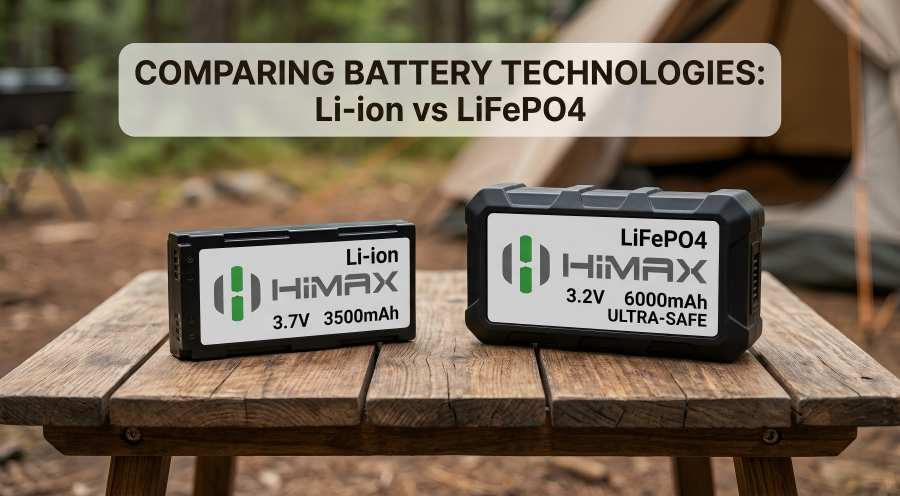
- Lithium Iron Phosphate (LiFePO4)
- Voltage: 3.2V per cell
- Cycle Life: 2000+ cycles
- Enhanced safety and thermal stability
LiFePO4 battery is ideal for rugged outdoor environments and long-term use.
- Alkaline Batteries
- Single-use (AA/AAA)
- Lower upfront cost but higher long-term expense
Best suited for backup or emergency use rather than primary power.
The Factors to Consider When Buying Online
- Battery Capacity (mAh)
Capacity determines how long your lantern will run. For example:
- 2000mAh → 4–6 hours runtime
- 5000mAh → 10–14 hours runtime
For extended trips, a high-capacity camping lanterns battery pack is essential.
- Voltage Compatibility
Always match the battery voltage to your lantern’s requirements:
- Small lanterns: 3.7V
- High-lumen lanterns: 7.4V or higher
Using the wrong voltage can damage your device or reduce efficiency.
- Discharge Rate
Measured in “C-rate,” this determines how quickly energy is delivered.
High-lumen lanterns (1000+ lumens) require batteries with stable discharge rates.
- Charging Options
Modern USB rechargeable lantern batteries offer:
- USB-C fast charging
- Solar compatibility
- Power bank functionality
This flexibility is especially valuable for off-grid camping.
- Weather Resistance
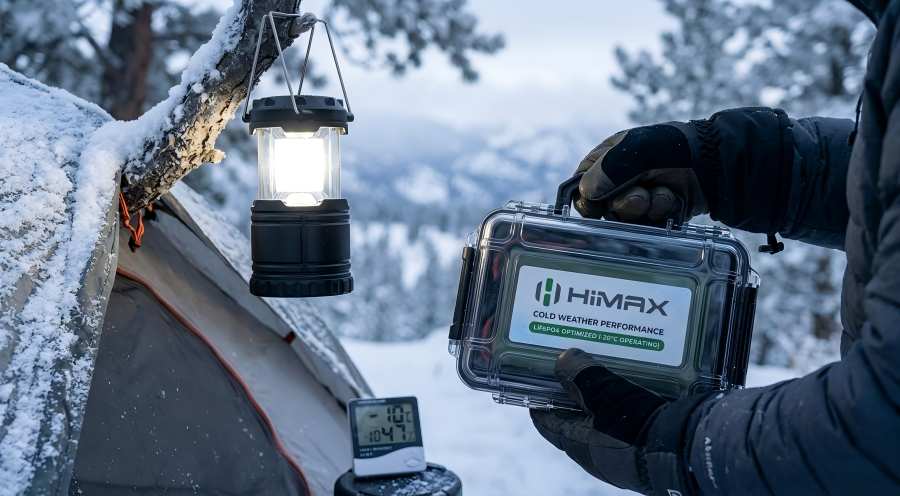
In colder U.S. regions, such as Montana or Alaska, battery performance drops significantly.
Look for:
- Operating temperature: -4°F to 140°F (-20°C to 60°C)
- Low-temperature optimized lithium cells
Use Cases
Case 1: Weekend Camper in Yosemite National Park
- Lantern: 600 lumens LED lantern
- Battery: 3.7V 4000mAh lithium-ion
- Usage: 5 hours per night × 2 nights
Result:
The camper used a rechargeable camping lanterns battery with enough capacity to last the entire trip without recharging. Lightweight design made it ideal for backpacking.
Case 2: Overlanding in Arizona Desert
- Lantern: 1200 lumens high-power lantern
- Battery: 7.4V 8000mAh lithium pack
- Temperature: 95°F daytime, 65°F night
Result:
A high-output lithium battery for camping lanterns provided stable brightness even under high temperatures. Fast USB-C charging allowed daily recharging via a car inverter.
Case 3: Winter Camping in Colorado Rockies
- Lantern: 800 lumens
- Battery: LiFePO4 6.4V 6000mAh
- Temperature: 14°F (-10°C)
Result:
The camper chose a cold-resistant camping lantern battery solution, maintaining over 85% efficiency despite freezing conditions—far outperforming standard lithium-ion batteries.
Mistakes to Avoid
- Ignoring Compatibility
Buying a battery without checking voltage and connector type. - Choosing Low-Capacity Options
Leads to frequent charging or power loss during critical moments. - Overlooking Safety Certifications
Always look for UL, CE, or UN38.3 certifications when purchasing online. - Focusing Only on Price
Cheap batteries often have lower cycle life and inconsistent performance.
How to Extend Battery Life
- Use lower brightness modes when possible
- Store batteries at 40–60% charge when not in use
- Avoid extreme heat exposure
- Recharge before full depletion
Following these practices ensures your long-lasting camping lantern battery performs reliably over time.
Try HiMAX Batteries
At HiMAX, we specialize in delivering high-performance battery solutions tailored for outdoor applications. Our lithium battery systems are engineered for durability, safety, and efficiency—making them ideal for modern camping needs.
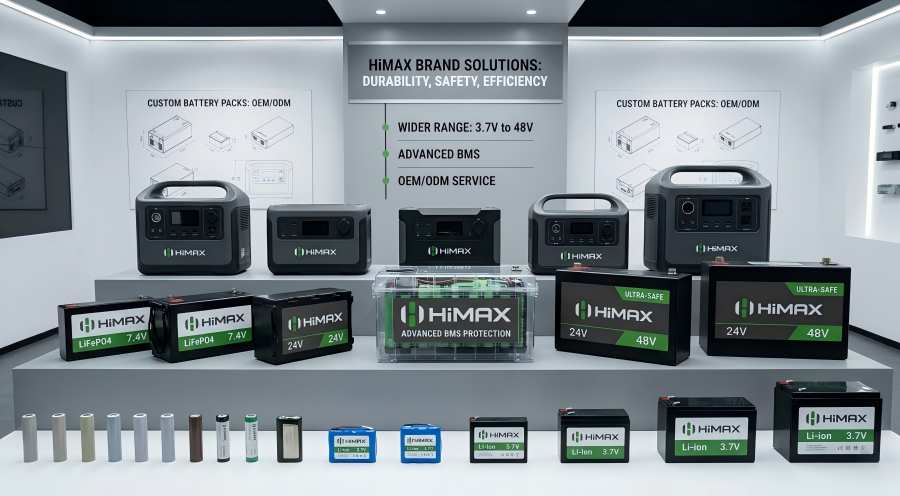
- Wide range of voltage and capacity options (3.7V to 48V)
- Advanced BMS (Battery Management System) for safety protection
- Certified to international standards (UL, CE, UN38.3)
- Custom battery packs for OEM/ODM requirements
Find articles related to Camping Lanterns Batteries