Key Takeaways
- Choosing the right battery for airport baggage tractors directly impacts operational efficiency, safety, and total cost of ownership.
- LiFePO4 batteries are increasingly preferred over lead-acid due to faster charging, longer lifespan, and lower maintenance needs.
- Key factors include voltage, capacity (Ah), discharge rate, charging time, environmental conditions, and safety compliance.
- Real-world airport scenarios show that optimized battery selection can reduce downtime by over 30% and improve fleet productivity.
- Proper disposal and storage practices for used batteries are critical for safety, regulatory compliance, and sustainability.
Introduction
Airport baggage tractors are the backbone of ground support operations. These vehicles operate in high-frequency, stop-and-go conditions, often running for extended hours under strict scheduling demands. Selecting the right battery solution is not just a technical decision—it’s a strategic one that affects uptime, maintenance costs, and environmental compliance.
With increasing pressure on airports to improve efficiency while reducing emissions, LiFePO4 battery solutions have become the preferred choice. However, choosing the right battery involves more than simply switching technologies. It requires a clear understanding of operational needs, performance parameters, and lifecycle considerations.
- Understanding Battery Requirements for Baggage Tractors
Before selecting a battery, it’s essential to define the operational profile of your baggage tractor fleet. Key parameters include:
- Voltage Requirements (V):Most baggage tractors operate within 24V to 80V systems depending on size and load capacity.
- Capacity (Ah):Determines how long the tractor can operate between charges.
- Duty Cycle:Continuous vs intermittent operation.
- Peak Load Demand:Important for acceleration and towing heavy baggage carts.
- Charging Infrastructure:Availability of fast charging or opportunity charging stations.
For example, a tractor operating in a busy U.S. international airport may run 18–20 hours per day with minimal downtime. In such cases, battery solutions must support rapid charging and high cycle life.
- LiFePO4 vs. Lead-Acid: Why the Shift Matters
Lead-Acid Batteries
- Lower upfront cost
- Proven technology
- Requires regular maintenance (watering, equalization)
- Long charging times (6–8 hours)
LiFePO4 Batteries
- Higher upfront cost but lower total cost of ownership
- Fast charging (1–2 hours or opportunity charging)
- Maintenance-free
- Longer lifecycle (2,000–5,000 cycles)
- Consistent performance across discharge levels
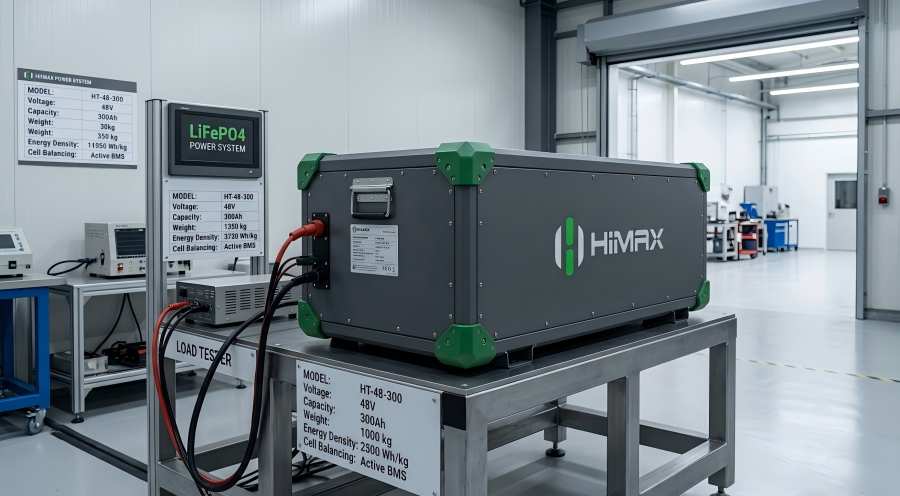
For airport baggage tractors, where uptime is critical, LiFePO4 batteries offer a clear advantage. They eliminate the need for battery swapping and reduce labor costs associated with maintenance.
- Key Factors to Consider When Choosing a Battery Solution
3.1 Capacity and Runtime
Selecting the correct amp-hour (Ah) rating ensures that the tractor can complete its shift without interruption. Oversizing increases cost, while undersizing leads to downtime.
3.2 Charging Speed and Flexibility
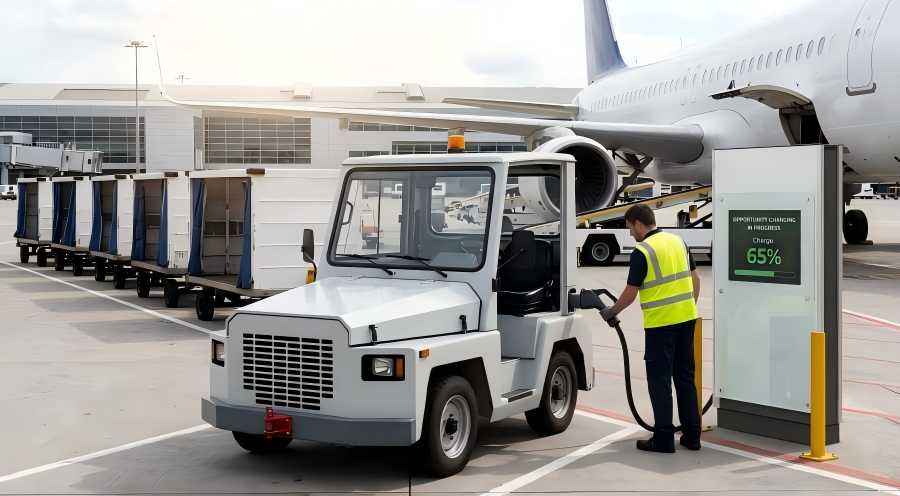
Airports often operate around the clock. Batteries that support opportunity charging—short charging sessions during breaks—can significantly improve fleet utilization.
3.3 Environmental Conditions
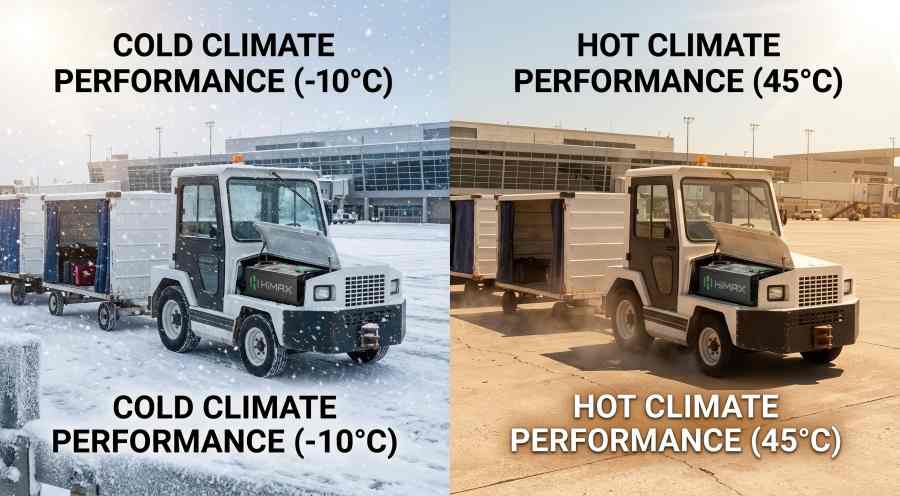
Airports in the U.S. experience diverse climates:
- Cold regions require batteries with strong low-temperature performance
- Hot climates demand efficient thermal management systems
3.4 Safety and Compliance
Battery systems must meet strict safety standards, including:
- Overcharge and over-discharge protection
- Thermal runaway prevention
- Compliance with transportation and aviation regulations
3.5 Lifecycle Cost
Evaluate total cost over time:
- Initial investment
- Maintenance costs
- Replacement frequency
- Energy efficiency
- Airport Use Cases
Case 1: High-Traffic International Airport (California)
- Fleet Size:120 baggage tractors
- Battery Type:48V 300Ah LiFePO4
- Operating Hours:20 hours/day
- Charging Strategy:Opportunity charging (30–60 minutes per shift)
- Result:
- Downtime reduced by 35%
- Maintenance costs reduced by 50%
- ROI achieved within 2.5 years
Case 2: Medium-Sized Regional Airport (Texas)
- Fleet Size:45 baggage tractors
- Battery Type:36V 250Ah LiFePO4
- Operating Hours:12 hours/day
- Charging Strategy:Overnight full charging
- Result:
- Battery lifespan extended to 5+ years
- Energy consumption reduced by 20%
- Improved operational reliability
Case 3: Cold Climate Airport (Minnesota)
- Fleet Size:60 baggage tractors
- Battery Type:48V 280Ah LiFePO4 with heating system
- Operating Temperature:-10°C to 5°C (14°F to 41°F)
- Charging Strategy:Heated charging stations
- Result:
- Stable performance in freezing conditions
- Reduced failure rates compared to lead-acid
- Enhanced safety and consistency
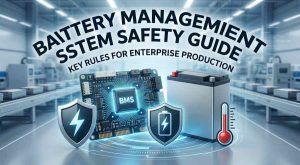
- Battery Management System (BMS): A Critical Component
A high-quality Battery Management System (BMS) ensures optimal performance and safety by:
- Monitoring voltage, current, and temperature
- Balancing cell performance
- Preventing overcharging and overheating
- Providing real-time diagnostics
For airport applications, advanced BMS features such as remote monitoring and predictive maintenance can significantly reduce unexpected downtime.
- Sustainability and Disposal Considerations
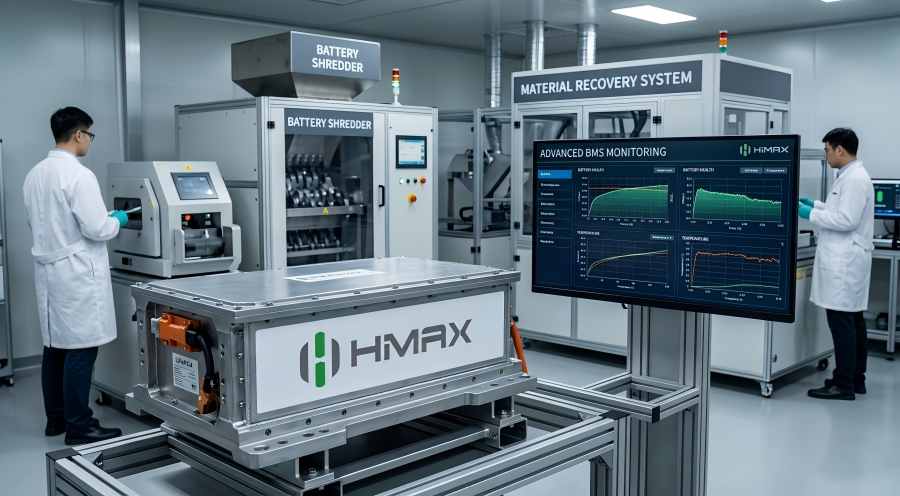
As airports move toward greener operations, proper handling of used batteries becomes increasingly important. A scientific disposal approach includes:
- Safe storage of used lithium-ion batteries in temperature-controlled environments
- Transportation following hazardous material regulations
- Recycling through certified facilities to recover valuable materials
Improper disposal can lead to environmental hazards and regulatory penalties. Therefore, choosing a battery supplier that offers end-of-life management support is essential.
- Future Trends in Airport Battery Solutions
- Smart Fleet Integration:Batteries integrated with IoT systems for real-time monitoring
- Fast-Charging Infrastructure:Reducing charging times to under 1 hour
- Higher Energy Density:Longer runtime without increasing size or weight
- Sustainability Initiatives:Closed-loop recycling systems
These trends will continue to shape how airports optimize their ground support equipment.
Conclusion
Selecting the right battery solution for airport baggage tractors is no longer just about powering equipment—it’s about maximizing efficiency, reducing costs, and meeting sustainability goals. Lithium-ion batteries, combined with advanced management systems, offer a reliable and future-proof solution for modern airport operations.
At HiMAX, we specialize in delivering high-performance lithium battery solutions tailored for demanding industrial applications like airport ground support equipment. Our batteries are engineered for reliability, safety, and long lifecycle performance, helping operators reduce downtime and achieve higher operational efficiency.
With advanced BMS technology, customizable configurations, and full lifecycle support—including recycling and disposal guidance—HiMAX is committed to powering the future of smart, sustainable airport operations.
Find articles related to Airport Baggage Tractor Batteries