Key Takeaways
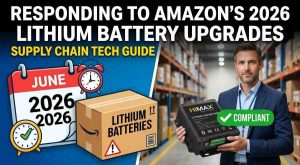
- Amazon US has significantly tightened compliance requirements for lithium battery products beginning in June 2026.
- Thousands of lithium battery listings have been suspended due to missing safety documentation and certification issues.
- Seller must provide the UN38.3 report, and the seller’s battery packs and production processes must comply with/meet the relevant certification standards and technical requirements.
- Buyers may notice reduced product availability, longer shipping times, and changes in battery selection.
- Custom battery manufacturers and compliant suppliers are becoming increasingly important for maintaining supply chain stability.
- Businesses using lithium-ion batteries for industrial equipment, medical devices, robotics, and energy storage should proactively secure alternative sourcing channels.
Understanding the Amazon US Lithium Battery Restrictions in June 2026
Lithium batteries power nearly every aspect of modern life, from smartphones and laptops to electric vehicles and industrial equipment. However, growing concerns over battery-related fires during transportation and storage have prompted stricter regulations across the global e-commerce industry.
Beginning in June 2026, Amazon US expanded enforcement measures targeting lithium battery products sold on its marketplace. While this is not a complete prohibition on all lithium batteries, many sellers refer to the changes as the “Amazon Lithium Battery Sales Ban” because non-compliant listings are being removed at an unprecedented rate.
The primary goal is to improve consumer safety and ensure compliance with transportation regulations established by:
- S. Department of Transportation (DOT)
- International Air Transport Association (IATA)
- United Nations Manual of Tests and Criteria (UN38.3)
- Federal Aviation Administration (FAA)
Products lacking sufficient documentation may be suspended even if they were previously approved for sale.
Why Is Amazon Taking Action?
Lithium batteries contain highly reactive materials that can generate heat, ignite, or explode if damaged, improperly manufactured, or transported incorrectly.
Several factors contributed to Amazon’s stricter enforcement:
Increased Transportation Risks
Air cargo carriers have reported growing concerns about lithium battery incidents during shipping.
Regulatory Pressure
Government agencies worldwide continue to tighten battery transportation standards.
Marketplace Safety
Amazon seeks to reduce product recalls, customer injuries, and legal liabilities associated with unsafe battery products.
Counterfeit Battery Growth
Low-cost counterfeit batteries often fail safety standards and represent a significant fire risk.
Which Products Are Most Affected?
The June 2026 enforcement actions impact a wide range of categories:
Consumer Electronics
- Power banks
- Laptop batteries
- Smartphone replacement batteries
- Camera batteries
Electric Mobility Products
- E-bike batteries
- E-scooter batteries
- Hoverboard batteries
Industrial Applications
- Warehouse equipment batteries
- Robotics batteries
- Medical device batteries
- Portable power stations
DIY Battery Packs
Custom-built battery packs and replacement cells face particularly high scrutiny.
Required Documentation for Amazon Sellers
To continue selling lithium battery products on Amazon US, sellers must typically maintain the following documentation:
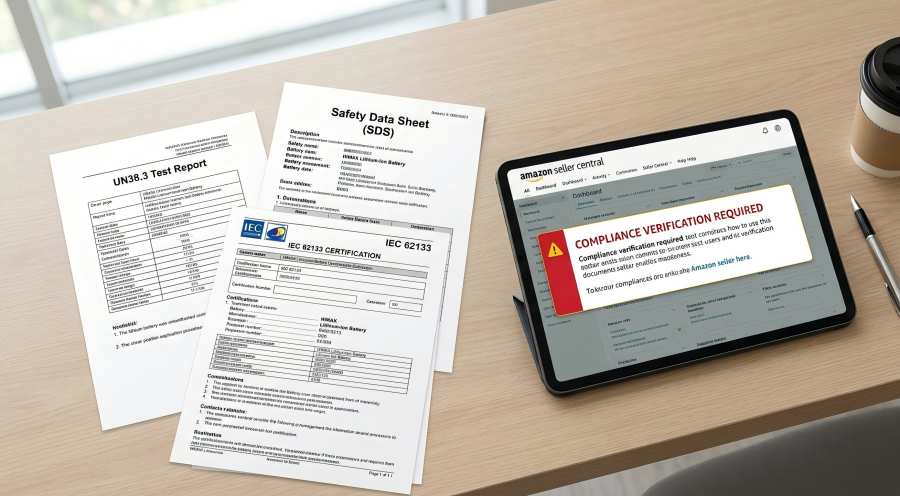
UN38.3 Test Report
This report verifies that batteries have passed transportation safety testing.
Safety Data Sheet (SDS)
The SDS outlines chemical composition, hazards, storage requirements, and emergency response procedures.
Product Compliance Documentation
Manufacturers may need to provide:
- IEC certifications
- UL certifications
- Material declarations
- Product specifications
Supply Chain Verification
Amazon increasingly requires proof that batteries originate from legitimate manufacturers.
Failure to provide these documents may result in:
- Listing removal
- Inventory disposal
- Account suspension
- Shipping restrictions
Scene Exploration 1
Company Profile
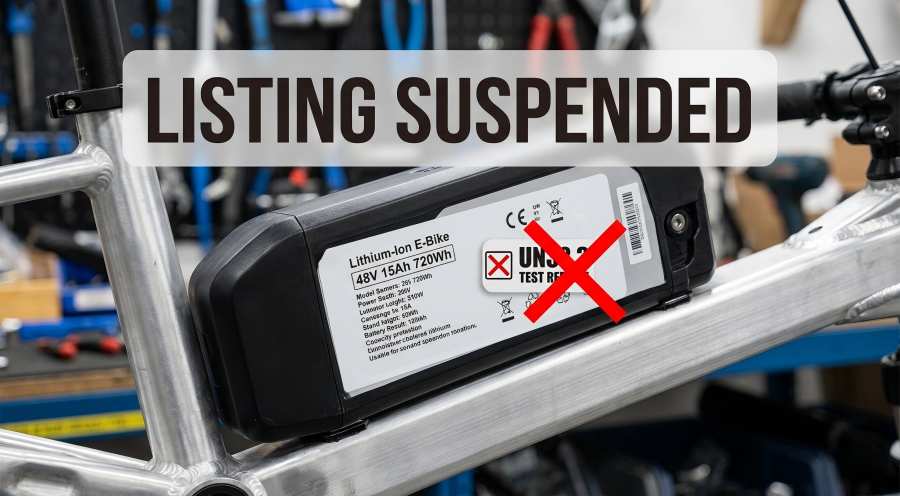
A California-based e-bike retailer sells commuter electric bicycles through Amazon.
Battery Specifications
- Battery Type: Li-ion
- Voltage: 48V
- Capacity: 15Ah
- Energy: 720Wh
- Annual Sales Volume: 8,500 units
Challenge
In June 2026, Amazon requests updated compliance documents.
The retailer discovers that their original battery supplier cannot provide a current UN38.3 report matching the latest battery revision.
Result
- Listing temporarily suspended
- Estimated revenue loss: $42,000 per month
- Inventory stranded in Amazon fulfillment centers
Solution
The retailer switches to a certified battery manufacturer capable of supplying:
- Updated UN38.3 reports
- SDS documentation
- Traceable production records
The listings are eventually restored.
Scene Exploration 2
Equipment
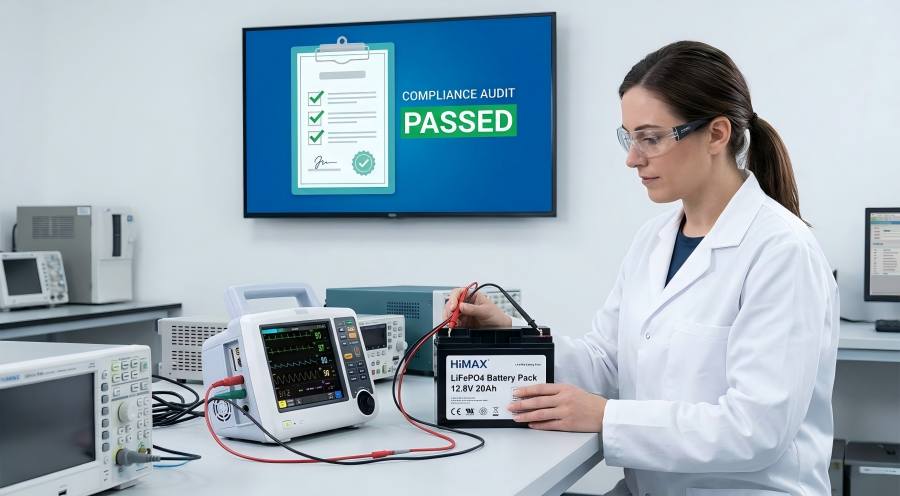
Portable patient monitoring device.
Battery Parameters
- Battery Chemistry: LiFePO4
- Voltage: 12.8V
- Capacity: 20Ah
- Energy: 256Wh
- Operating Temperature: -20°C to 60°C
Business Challenge
A healthcare supplier depends on Amazon for B2B sales.
Because medical customers require uninterrupted product availability, even a short listing suspension could impact hospitals and clinics.
Preventive Action
The company performs a compliance audit six months before enforcement begins.
Outcome
- Zero listing interruptions
- Stable sales performance
- Increased buyer confidence
Scene Exploration 3
User Requirements
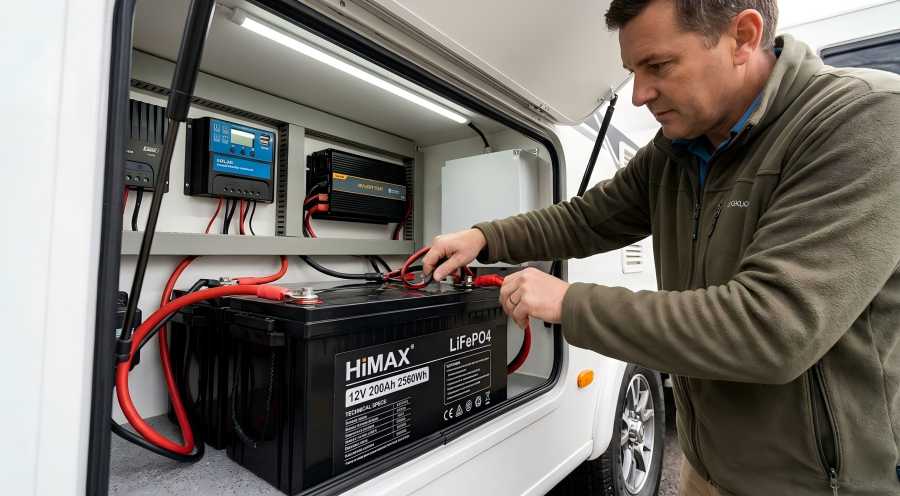
A Texas RV owner searches Amazon for a replacement battery system.
Desired Specifications
- Battery Type: LiFePO4
- Voltage: 12V
- Capacity: 200Ah
- Expected Runtime: 2–3 days
- Solar Charging Compatibility: Yes
What Changed?
Following the June 2026 enforcement wave:
- Several low-cost battery brands disappear
- Shipping times increase
- Product documentation becomes more detailed
Buyer Benefit
Although selection is temporarily reduced, buyers gain access to safer and better-documented products.
How the Restrictions Affect Buyers
Many consumers assume the changes only impact sellers. In reality, buyers may experience several effects.
Fewer Low-Quality Products
Unsafe battery products are more likely to be removed.
Higher Product Quality
Compliant manufacturers generally maintain stricter quality control systems.
Potential Price Increases
Testing, certification, and compliance costs may increase overall product pricing.
Improved Safety
The long-term benefit is a safer purchasing environment.
Best Practices for Amazon Lithium Battery Sellers
Work Directly with Reputable Manufacturers
Avoid sourcing batteries from suppliers that cannot provide verifiable testing reports.
Maintain Updated Certifications
Battery designs often change. Ensure documentation reflects the current product version.
Perform Annual Compliance Reviews
Regulations continue evolving. Regular audits reduce future risks.
Establish Secondary Supply Sources
Diversified sourcing helps prevent disruptions if a supplier loses compliance status.
Focus on Traceability
Keep detailed records covering:
- Raw materials
- Production batches
- Quality inspections
- Shipping documents
Choose HiMAX as Your Reliable Battery Equipment Manufacturer
As a trusted global battery manufacturer, HiMAX specializes in custom battery solutions for commercial and industrial applications worldwide.
Our capabilities include:
- Custom Lithium-Ion Battery Packs
- LiFePO4 Battery Solutions
- LiPo Battery Packs
- NiMH Battery Packs
- Medical Device Batteries
- Robotics Batteries
- Energy Storage Batteries
- Industrial Equipment Power Solutions
Every HiMAX battery product is designed with safety, reliability, and regulatory compliance at its core. We are able to provide customers with UN38.3 test reports. For bulk customers, we can offer customized certification support.
Find articles related to Lithium-ion Battery