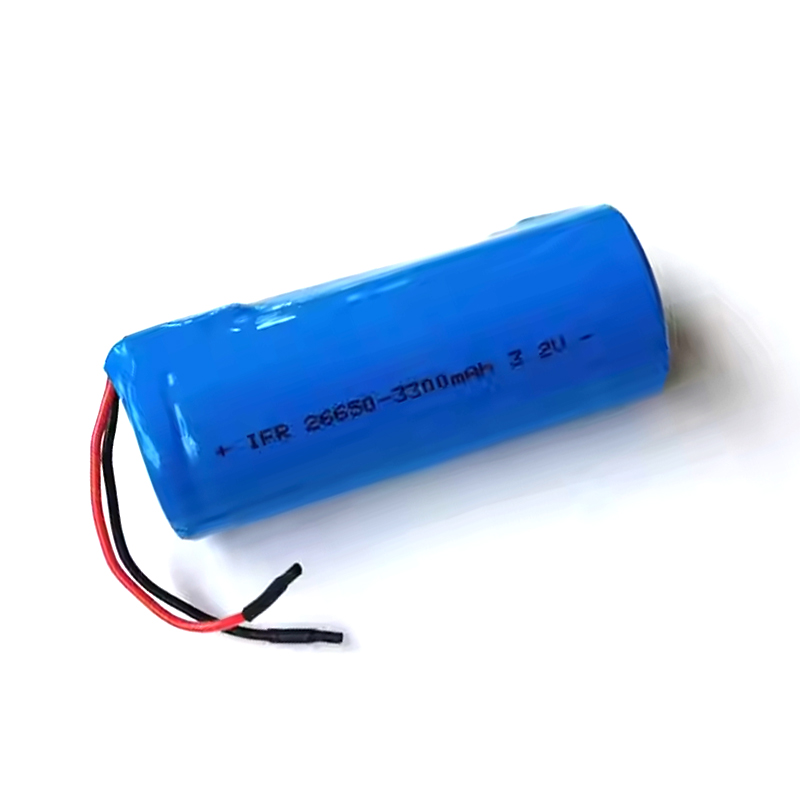
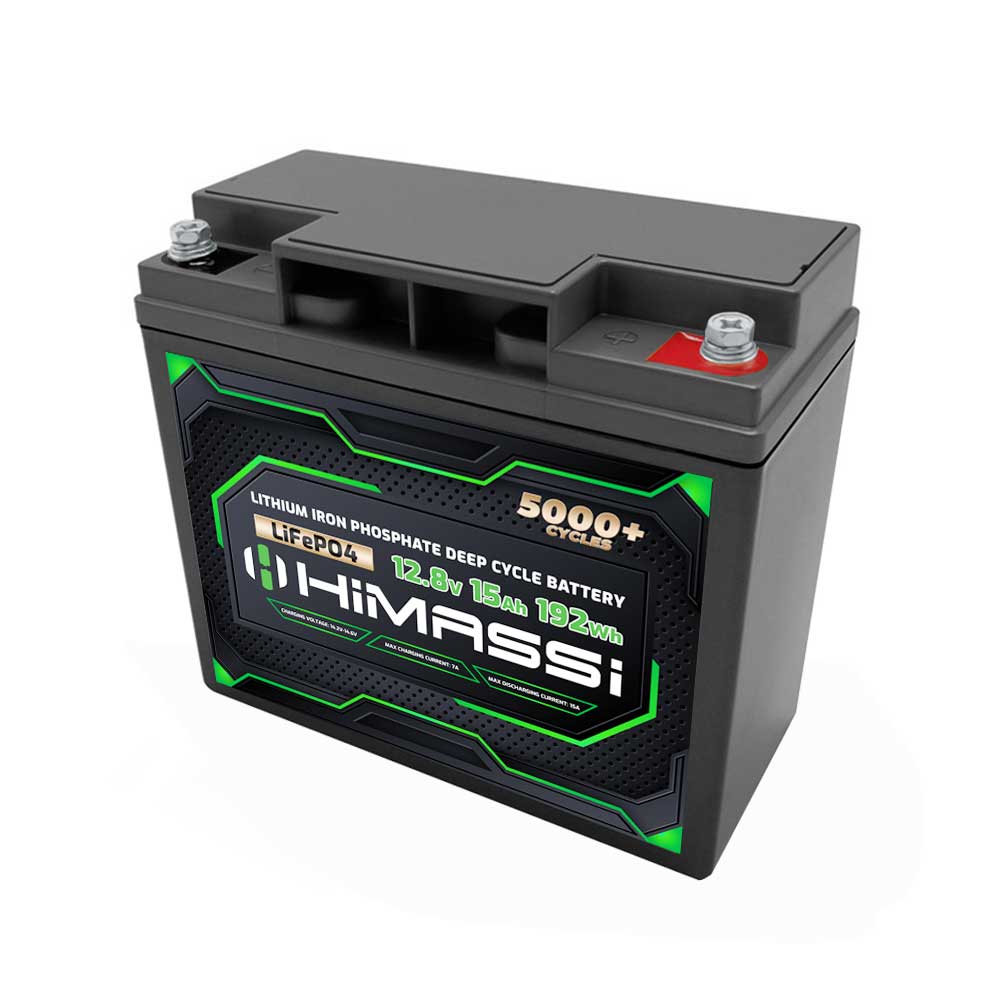
Ruggedized Environmental Resilience: Operating within a wide temperature range, discharging reliably from -20°C to+60°C,, maintaining over 50% electrical efficiency in deep-winter freezing conditions to guarantee persistent remote asset tracking data telemetry.
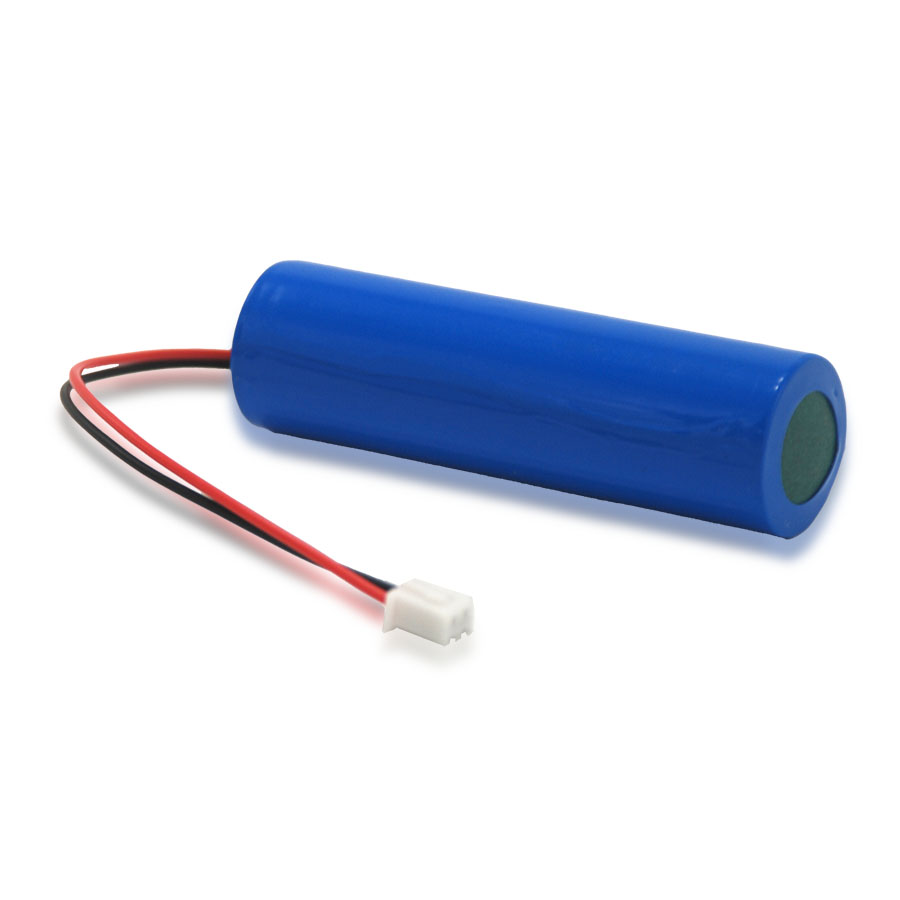
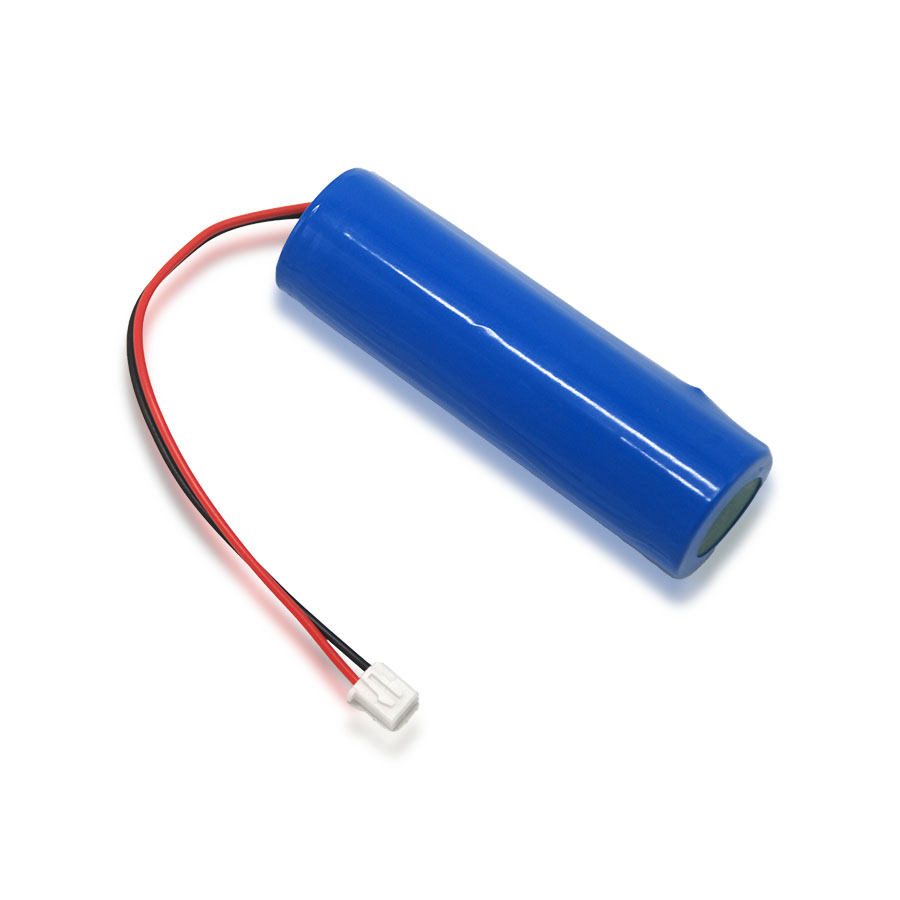
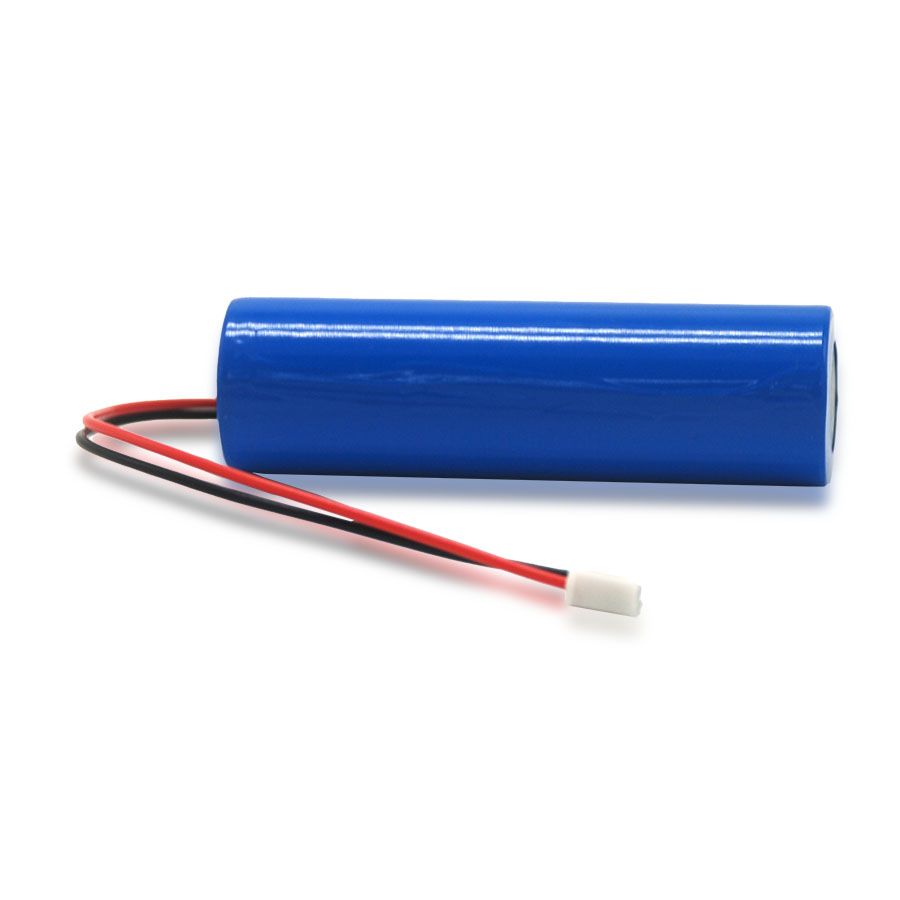
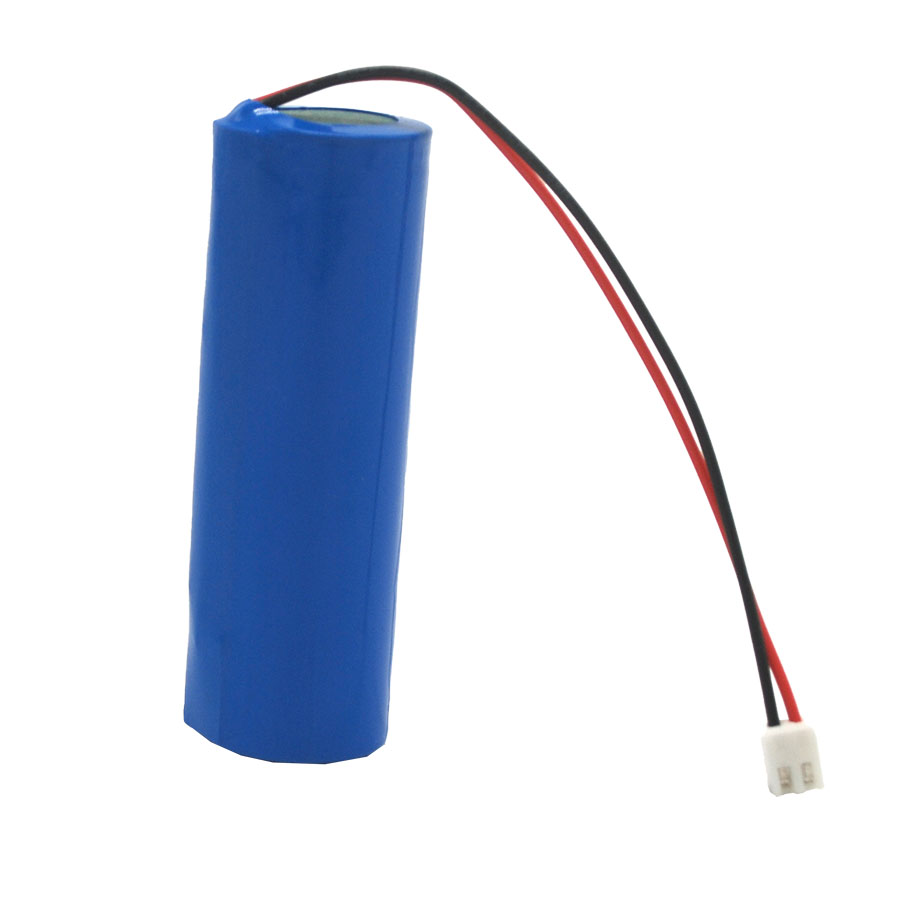
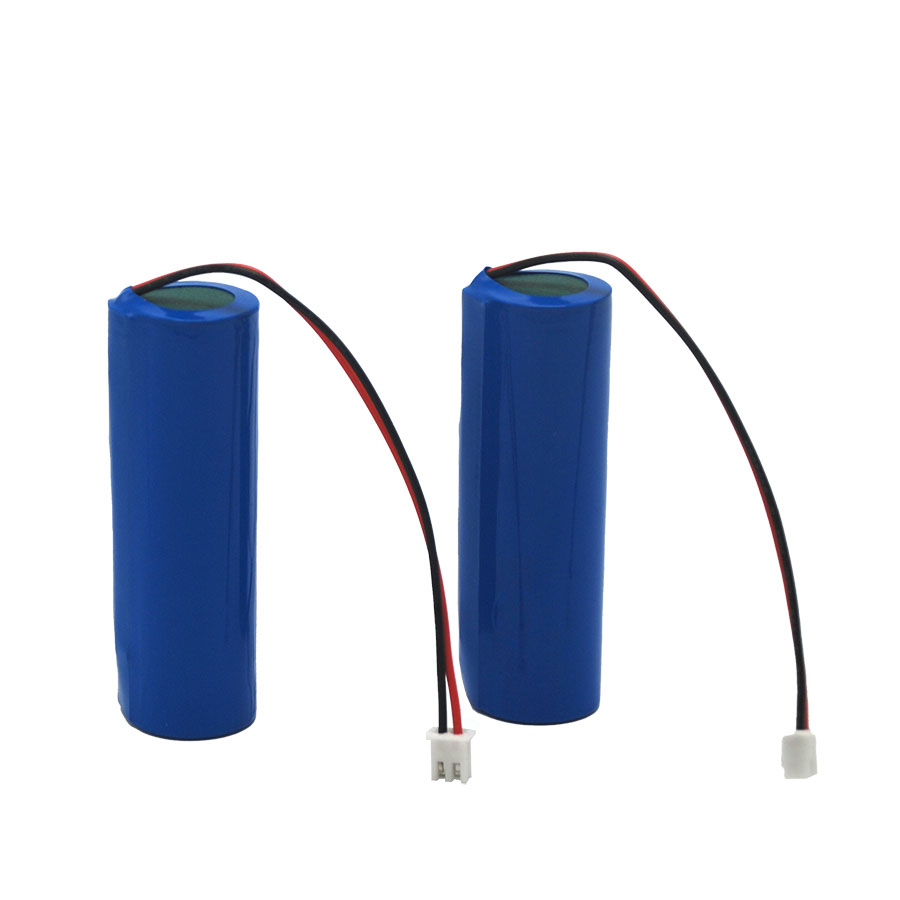
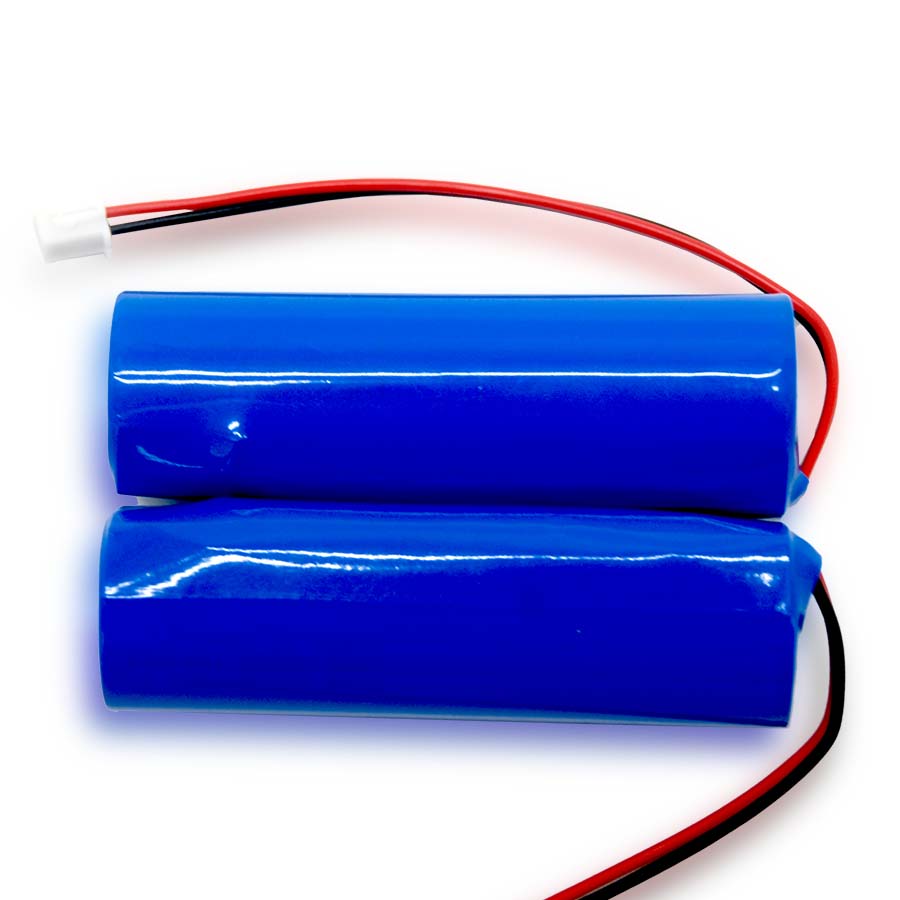
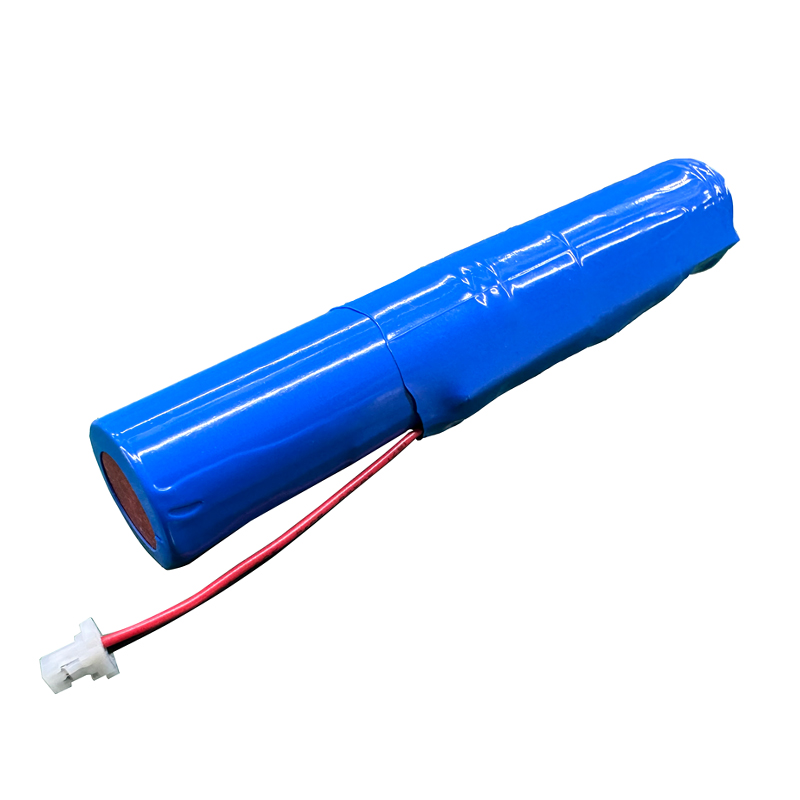
Seamless Plug-and-Play Integration: Assembled using ultra-flexible silicone wire leads spot-welded onto low-resistance nickel tabs and terminated with a JST-PH 2.0mm 2-pin plug, ensuring fast, alignment-free installation within standardized IoT device enclosures.
Ultra-Safe Chemistry Alignment: Formulated with an advanced LiFePO4 composition encased in an insulation-reinforced, flame-retardant PVC wrap; the mechanical design inherently satisfies international transport and structural hazard baselines like UN38.3, CE, and IEC safety standards.
Industrial B2B asset tracking in remote livestock ranches and wildlife reserves demands a battery chemistry that eliminates field maintenance while ensuring absolute structural survival. The HIMAX 3.2V 600mAh 14500 battery pack utilizes a highly stable lithium iron phosphate LiFePO4 crystal structure. Unlike conventional nickel-rich or cobalt-based chemistries, our LFP chemistry features a robust P-O covalent bond that remains thermally intact up to high critical thresholds, effectively preventing thermal runaway or catastrophic combustion under extreme compressive loads, mechanical impact, or animal biting incidents.
Furthermore, this customized AA-sized cell framework is engineered to resolve the critical operational pain point of continuous float degradation. When paired with micro-epoxy solar panels that continuously trickle-charge the cell during intense daytime solar exposure, standard lithium-ion chemistries often suffer from accelerated cathode oxidation and gas generation. HIMAX’s internal material formulation stabilizes the solid-electrolyte interphase (SEI) layer, mitigating passivation risks and maintaining over 50% discharge efficiency even at sub-zero temperatures (-20°C), ensuring uninterrupted data packet transmission during harsh northern winters.
Field engineering deployment introduces tight spatial constraints and severe mechanical stresses caused by continuous animal kinetic movement and acceleration. The HIMAX 14500 LFP solution moves beyond generic off-the-shelf cells by offering an adaptable integration platform. Standard configurations feature spot-welded pure nickel tabs transitions to highly flexible, cross-linked silicone wire leads that retain mechanical elasticity without cracking under severe temperature cycling. Terminating in a precise JST-PH 2.0mm 2-pin connector, this pack guarantees immediate plug-and-play alignment with standard industrial tracking PCB enclosures, eliminating assembly line processing overheads.
Understanding that every hardware enclosure has distinctive thermal and volumetric limits, HIMAX provides extensive custom tailoring capabilities. Our team tunes the onboard Protective Circuit Module (PCM) to balance high peak pulse discharge currents—vital for high-energy RFID or cellular burst transmissions—with ultra-low sleep-mode power draw (I_sleep < 10 μA). This hardware rail harmonization prevents early localized voltage drops and protects sensitive low-power microcontrollers from reset loops, delivering an optimized physical and electrical layout tailored to the unique product lifecycle of your tracking hardware.
Design aligns with UN38.3, CE, IEC 62133, and MSDS frameworks
Frequently Asked Questions
This Technical FAQ Matrix provides professional hardware engineers and procurement managers with deep chemical, mechanical, and electrical validation insights regarding the HIMAX 14500 LFP battery integration framework. For custom parameters or distinct application environments, please consult our engineering center directly.
Why is LiFePO4 chosen over LiCoO2 or ternary (NMC) formulations for animal-attached tracking gear?
Animal tracking environments expose devices to unexpected mechanical impacts, biting, and extreme solar radiation. Traditional NMC or LiCoO2 cells feature low thermal runaway critical points (200°C – 250°C) and risk dynamic explosive outgassing under structural compromise. HIMAX’s LiFePO4 structural framework possesses an incredibly strong olivine crystal mesh where oxygen atoms are covalently bound tightly within the phosphate root (PO₄³⁻). This chemical topology tolerates temperatures up to 600°C without experiencing systemic breakdown, eliminating catastrophic combustion and guaranteeing absolute safety for wildlife and livestock.
How does the 14500 LFP battery maintain cell voltage stability during periodic, high-current RFID or cellular data transmissions?
Long-range IoT tracking systems rely on intermittent high-energy burst pulses (often reaching 1A-1.5A for milliseconds). Typical low-rate cells experience dramatic immediate IR drops, pulling the voltage below the host microcontroller’s shutdown threshold. HIMAX balances this through an optimized, low-internal-resistance (IR< 60mΩ) layout and a custom-tuned PCM. This design delivers peak transient pulse capabilities up to 1500mA for <100ms intervals without compromising voltage rail integrity, preventing system brownouts or unexpected reset loops during critical transmission frames.
What measures prevent continuous float degradation since these batteries undergo daily micro-solar harvesting trickle charging?
Daily solar-linked trickle charging holds a cell near full capacity for extended hours, accelerating typical electrolyte degradation and interface resistance rise. HIMAX counters this aging acceleration by introducing specialized chemical additive packages inside the electrolyte formulation. These additives foster a highly stable solid-electrolyte interphase (SEI) layer on the anode. It reduces parasitic current side reactions during float charging windows, guaranteeing over 2000 full cycles at 80% DOD and providing an operational lifecycle exceeding 5 years that matches global industrial sustainability criteria.
What flexible customization options are open to engineering teams facing strict enclosure layout constraints?
The standard physical dimensions of our 14500 cell form factor are 14.5mm * 50.5mm. However, we specialize in adapting the peripheral connection infrastructure. Engineers can customize lead wire material (e.g., specifying high-temperature cross-linked silicone vs. standard PVC), define specific lead wire lengths, and request cross-brand terminal options (including JST, Molex, or Hirose alignments). Additionally, the outer wrap thickness and flame-retardant properties can be specified to align smoothly with your product’s mechanical enclosure parameters.
How does the built-in PCM interact with ultra-low-power microcontrollers during cell depletion or overcurrent anomalies?
The integrated HIMAX PCM functions as an active hardware protection tier designed to maintain compliance with safety baselines like IEC and UL. When the battery cells deplete near the absolute safe lower boundary of 2.5V, the PCM shuts down power flow to prevent permanent internal copper dendritic development. For system developers, the PCM ensures ultra-low residual sleep current leakage (Isleep < 10μA), protecting the residual state of charge from over-discharge death even if the device remains uncharged in warehouse transit or winter snow coverage for several weeks.