How to Choose the Right Battery Solution for CCTV Systems
Key Takeaways
- The right battery for your CCTV system depends on power consumption, backup duration, environment, and reliability requirements.
- Lithium batteries (LiFePO4)offer longer lifespan, better efficiency, and lower maintenance compared to traditional lead-acid batteries.
- Always calculate your system’s total wattage and required backup timebefore selecting a battery.
- Environmental factors such as temperature, outdoor exposure, and installation locationsignificantly impact battery performance.
- A well-matched battery solution improves security uptime, reduces downtime risk, and lowers long-term costs.
Why Battery Selection Matters for CCTV Systems
CCTV systems are designed to provide continuous surveillance and protection, but they are only as reliable as their power source. Power outages, unstable grids, or remote installations can disrupt surveillance, leaving properties vulnerable.
Choosing the right battery solution ensures:
- 24/7 uninterrupted monitoring
- Protection during power failures
- Stable voltage supply for sensitive equipment
- Reduced maintenance and replacement costs
Whether you’re securing a home, retail store, warehouse, or industrial facility, the battery you choose plays a critical role in system performance.
Step 1: Calculate Your CCTV System Power Requirements
Before selecting a battery, you must determine how much power your system consumes.
Key Components to Consider:
- CCTV cameras (typically 5W–15W each)
- DVR/NVR systems (15W–40W)
- Network routers/switches (10W–30W)
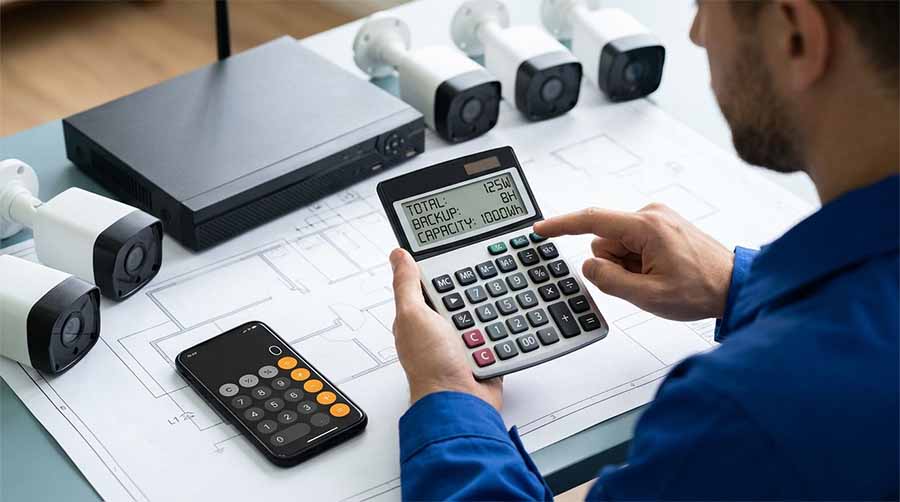
Example Calculation:
- 8 cameras × 10W = 80W
- NVR = 30W
- Router = 15W
Total Power Consumption = 125W
If you want 8 hours of backup:
125W × 8h = 1000Wh required capacity
This calculation is the foundation for choosing the correct battery.
Step 2: Choose the Right Battery Type
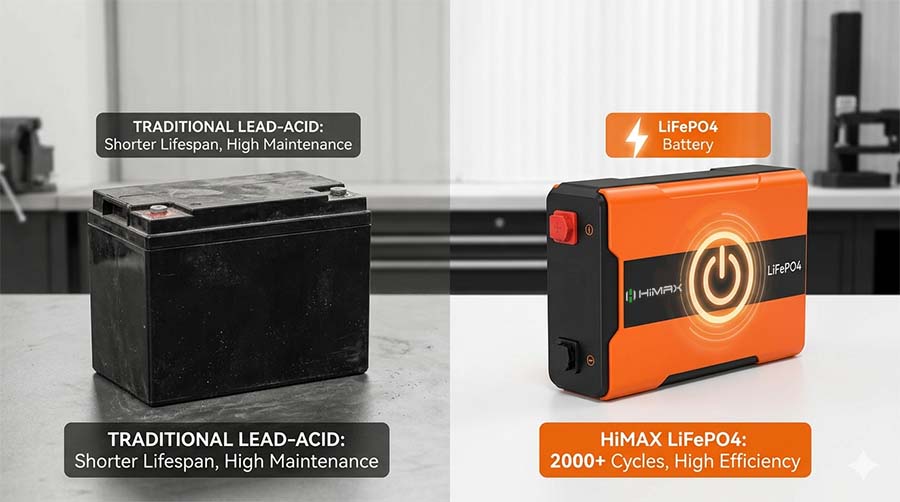
- Lead-Acid Batteries
- Lower upfront cost
- Shorter lifespan (300–500 cycles)
- Heavy and require maintenance
- Lithium-ion Batteries (LiFePO4 Recommended)
- Longer lifespan (2000–5000 cycles)
- Lightweight and compact
- Higher efficiency (90%+ usable capacity)
- Better performance in extreme temperatures
Best Choice for Modern CCTV Systems: Lithium (LiFePO4)
Step 3: Determine Backup Time Requirements
Different users have different needs depending on risk level.
Typical Backup Scenarios:
- Home users:2–6 hours
- Small business:6–12 hours
- Critical infrastructure:24+ hours
Longer backup time requires higher battery capacity, but also increases cost—so balance is key.
Step 4: Consider Installation Environment
Battery performance is heavily influenced by environmental conditions.
Key Factors:
- Temperature:Lithium batteries perform better in extreme heat/cold
- Outdoor vs indoor installation
- Humidity and dust exposure
For outdoor CCTV systems, choose batteries with IP-rated enclosures and wide temperature tolerance.
Step 5: Ensure System Compatibility
Make sure your battery works seamlessly with:
- UPS systems
- Solar panels (if applicable)
- CCTV voltage requirements (12V / 24V / 48V systems)
Compatibility ensures stable operation and prevents system damage.
Use Cases
Scenario 1: Residential Security in Texas
- Location:Dallas, TX
- System:6 cameras + NVR
- Power Consumption:90W
- Backup Requirement:6 hours
Solution:
- 12V 100Ah LiFePO4 battery (~1200Wh usable)
Why:
Provides sufficient backup during outages caused by storms and high grid demand.
Scenario 2: Retail Store in California
- Location:Los Angeles, CA
- System:12 cameras + NVR + router
- Power Consumption:180W
- Backup Requirement:10 hours
Solution:
- 24V 100Ah lithium battery system (~2400Wh)
Why:
Ensures continuous monitoring overnight and during unexpected outages.
Scenario 3: Warehouse Security in Illinois
- Location:Chicago, IL
- System:20 cameras + network system
- Power Consumption:300W
- Backup Requirement:12 hours
Solution:
- 48V lithium batterybank (~3600Wh+)
Why:
Supports large-scale operations and prevents surveillance downtime in critical logistics environments.
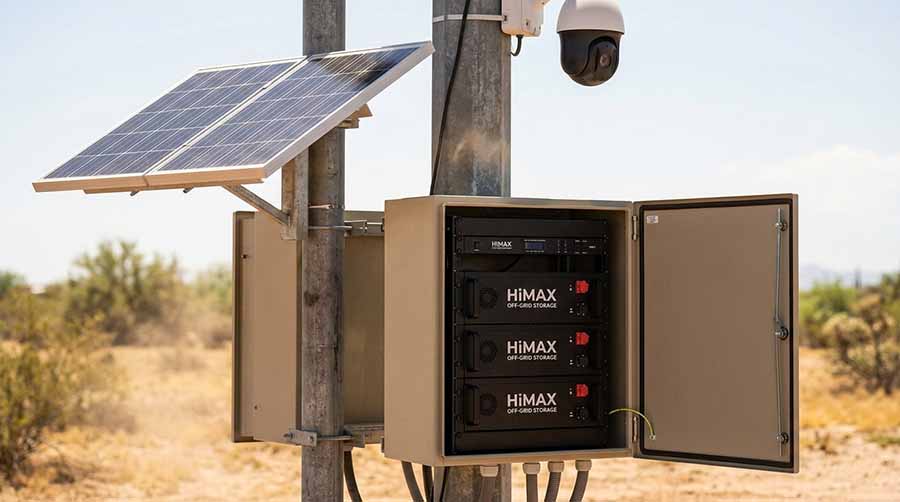
Scenario 4: Remote Farm Surveillance in Arizona (Solar-Based)
- Location:Phoenix, AZ
- System:4 cameras + solar setup
- Power Consumption:60W
- Backup Requirement:24 hours
Solution:
- Solar-compatible LiFePO4 battery (2000Wh+)
Why:
Ensures reliable off-grid operation with high temperature resistance.
Step 6: Plan for Future Expansion
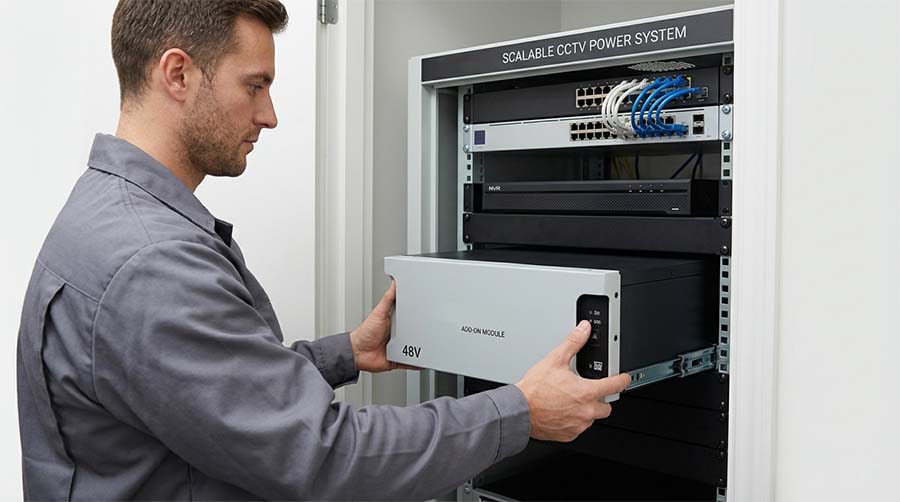
Your CCTV system may grow over time. Choose a battery solution that allows:
- Capacity expansion
- Modular upgrades
- Integration with additional cameras or devices
This avoids costly replacements later.
Mistakes to Avoid
- Underestimating power consumption
- Choosing cheap batteries with short lifespan
- Ignoring environmental conditions
- Not planning for future expansion
Avoiding these mistakes ensures long-term performance and cost efficiency.
Overview
Choosing the right battery solution for your CCTV system is not just about capacity—it’s about reliability, efficiency, and long-term value. By understanding your system’s power needs, selecting the right battery type, and considering real-world conditions, you can ensure uninterrupted security coverage.
A well-designed battery solution provides peace of mind, protects assets, and ensures that your surveillance system never fails when it matters most.
At HiMAX, we are one of the world’s leading manufacturers of advanced battery solutions, delivering high-performance power systems for security, industrial, and commercial applications.
We specialize in:
- Long-life LiFePO4 battery technology
- Custom battery solutions for CCTV and surveillance systems
- High-efficiency energy storage systems
- Reliable performance in extreme environments
Find articles related to LiFePO4 Battery
2026 Online Buying Guide for Electric Sightseeing Vehicle Batteries