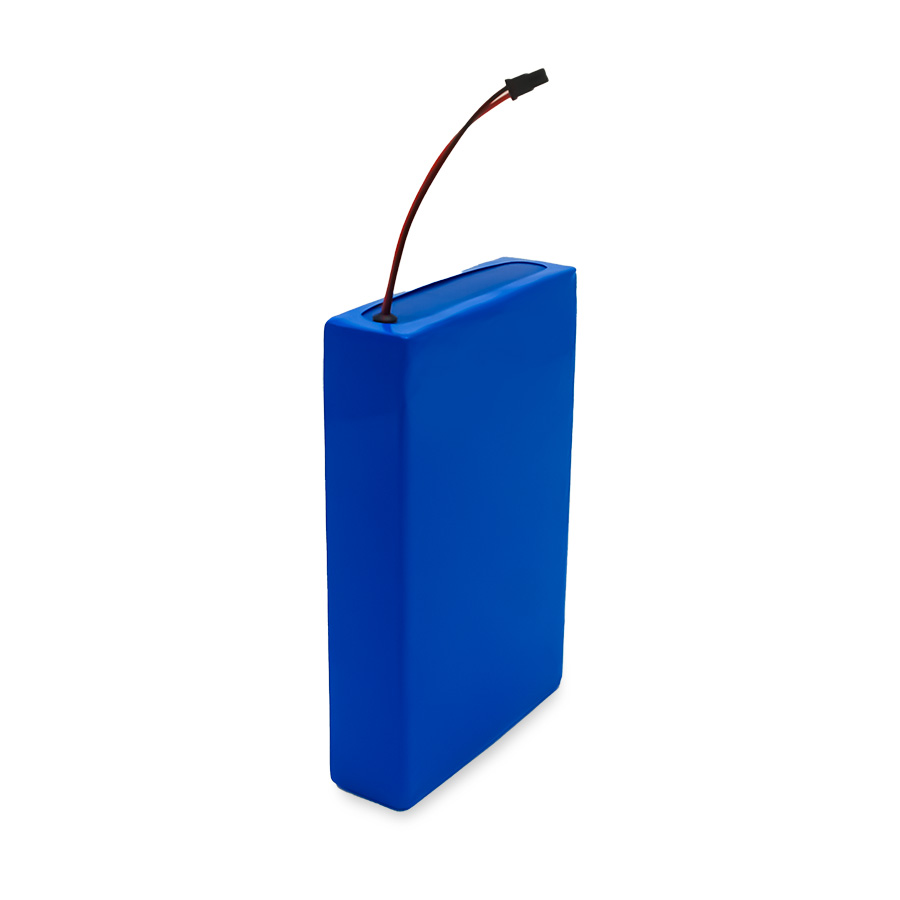
A reliable breast pump is essential for many parents. Whether you pump at home, at work, or while traveling, power reliability matters. One of the most overlooked but critical components is the breast pump battery. Choosing the right spare battery can protect your pumping routine from unexpected interruptions and reduce daily stress.
This guide explains how to choose the best spare battery for your breast pump. It covers battery types, compatibility, safety, lifespan, and buying tips. By the end, you will understand how to select a breast pump battery that fits your lifestyle and keeps your pump ready when you need it.
Why a Spare Battery for a Breast Pump Is Important
Breast pumps depend on stable power. Many parents pump several times a day, often on a strict schedule. A drained battery can cause missed sessions and discomfort.
A spare breast pump battery gives peace of mind. It allows you to pump anywhere without worrying about power outlets. It also acts as a backup if your main battery fails or degrades over time.
For working parents, a spare battery can be essential. Meetings, commutes, and travel can limit access to charging. A fully charged spare ensures your pumping routine stays consistent.

Understanding Breast Pump Battery Types
Not all batteries are the same. Knowing the main battery types helps you make a safer and smarter choice.
Rechargeable Lithium-Ion Batteries
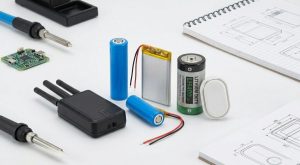
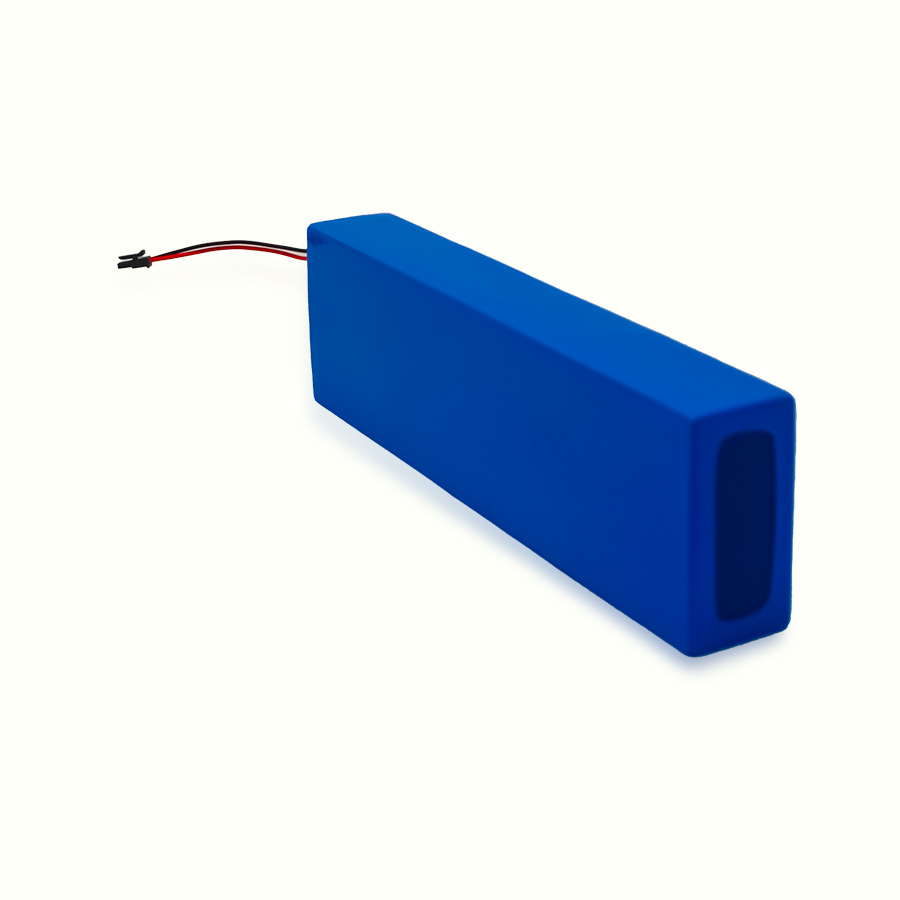
Most modern pumps use lithium-ion technology. A rechargeable breast pump battery is lightweight and efficient. It provides stable power and supports multiple pumping sessions on a single charge.
Lithium-ion batteries charge quickly. They also have a low self-discharge rate. This means they hold power longer when not in use.
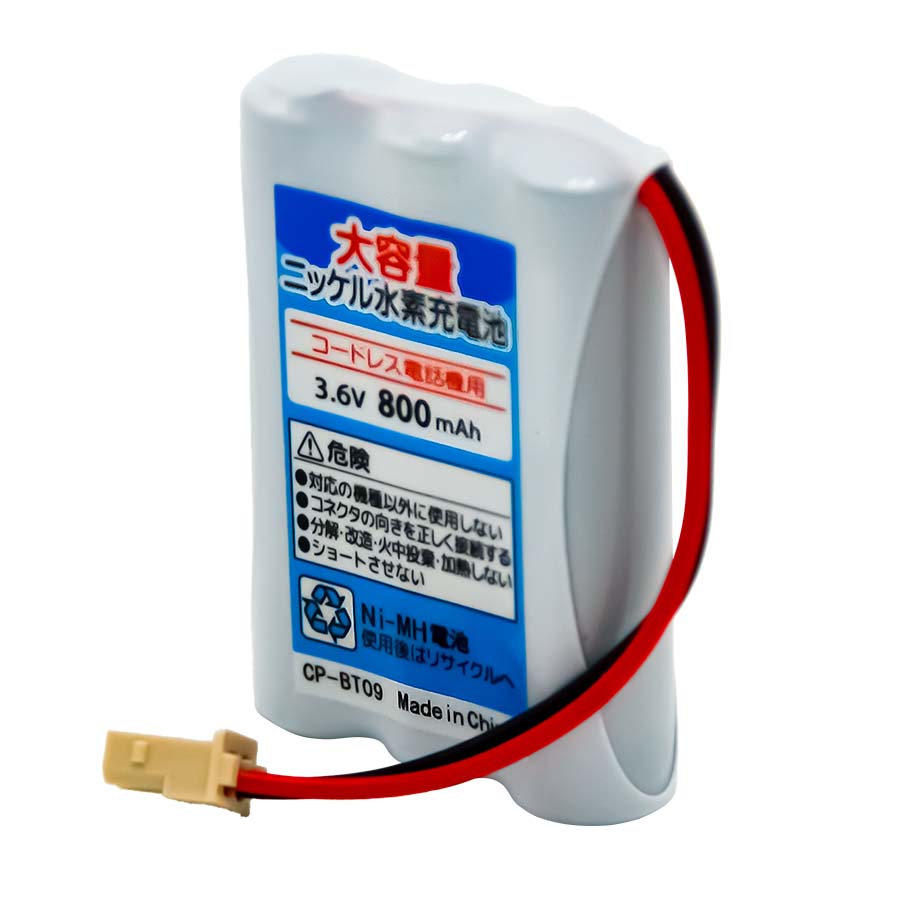
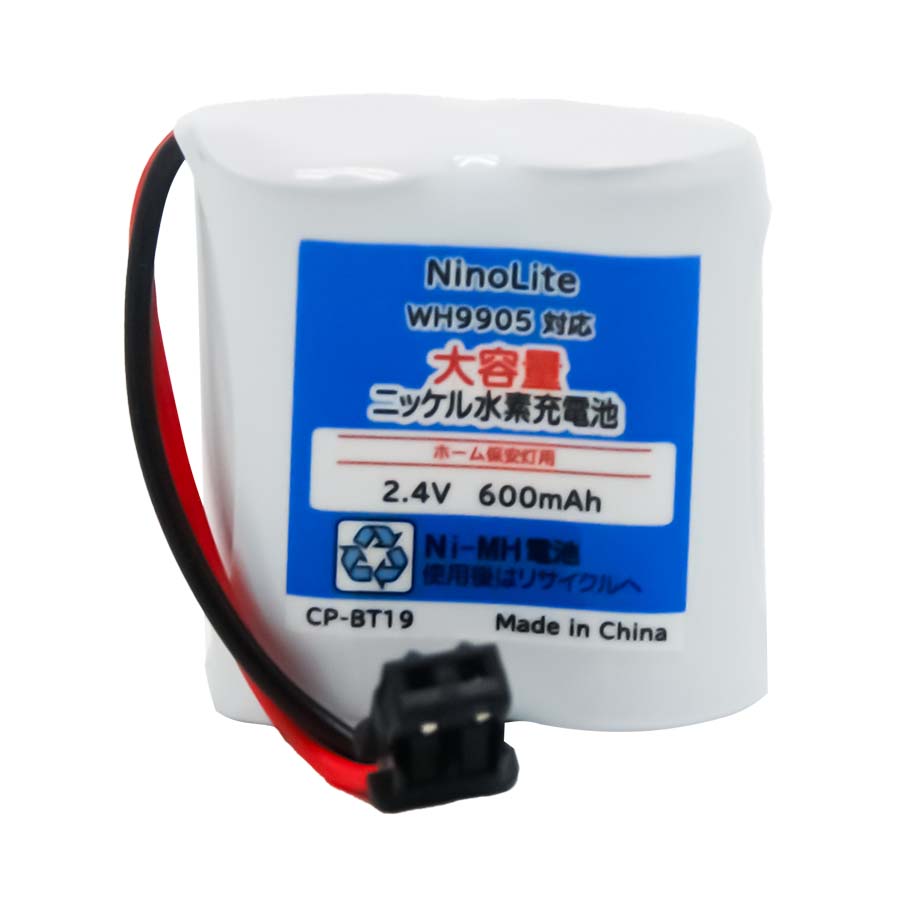
Older pump models may use nickel-metal hydride batteries. These are heavier and less common today. They have shorter lifespans and slower charging times compared to lithium-ion options.
Checking Compatibility Before Buying
Compatibility is one of the most important factors. Not every breast pump battery works with every pump.
Always check the pump brand and model number. Some pumps use proprietary batteries designed by the manufacturer. Others allow third-party replacements.
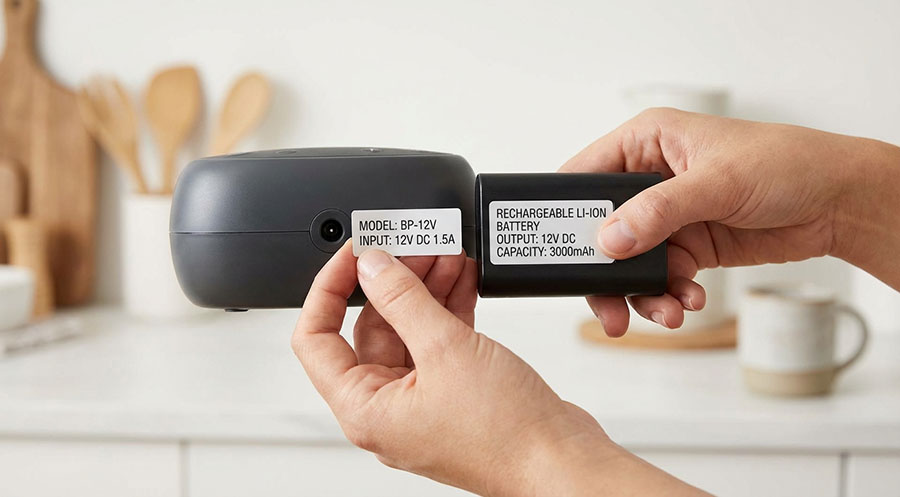
Voltage and capacity must match your pump’s requirements. Using the wrong battery can damage the motor or reduce performance. Never assume batteries with similar shapes are interchangeable.
Battery Capacity and Runtime Explained
Battery capacity is measured in milliamp-hours (mAh). A higher number means longer runtime.
A high-capacity breast pump battery can support more pumping sessions between charges. This is ideal for parents who pump frequently or travel often.
However, higher capacity batteries may be slightly heavier. Balance runtime needs with portability when making your choice.
Charging Speed and Convenience
Charging speed affects daily use. Some batteries support fast charging, while others take several hours to reach full capacity.
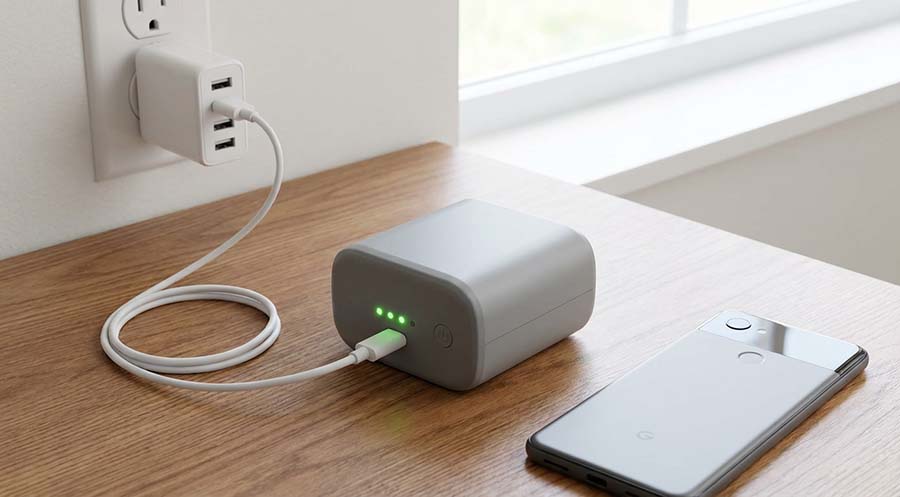
Look for a breast pump battery that supports USB charging or standard wall adapters. This makes charging easier at work, in the car, or while traveling.
LED indicators are also helpful. They show charging status and remaining power at a glance.
Safety Features You Should Look For
Safety is critical when choosing any battery used near infants.
A high-quality breast pump battery should include built-in protection features. These include overcharge protection, over-discharge protection, short-circuit protection, and temperature control.
Certified batteries that meet U.S. safety standards reduce the risk of overheating or failure. Avoid unbranded or extremely cheap options that lack safety testing.
Battery Lifespan and Replacement Cycles
All rechargeable batteries degrade over time. Most lithium-ion batteries last between 300 and 500 full charge cycles.
A durable breast pump battery should maintain stable performance for at least one year of regular use. If you notice shorter runtime or slow charging, it may be time to replace the battery.
Buying a spare battery early helps extend the life of both batteries. Rotating usage reduces wear and improves long-term reliability.
Portability and Weight Considerations
Many parents pump on the go. Weight and size matter when carrying extra equipment.
A compact breast pump battery fits easily into a pump bag or purse. Lightweight designs reduce strain during commutes or travel.
If portability is a priority, compare battery dimensions and weight before buying.
Environmental and Storage Factors
Batteries perform best when stored properly. Extreme heat or cold can shorten battery life.
Store your breast pump battery in a cool, dry place. Avoid leaving it in cars or near heat sources.
Some parents prefer eco-friendly batteries with longer lifespans to reduce waste. Choosing a durable battery reduces the need for frequent replacements.
Price vs. Quality: What Matters Most
Price is important, but quality should come first. A cheap battery may fail quickly or pose safety risks.
A reliable breast pump battery offers consistent power, strong safety features, and long-term value. Paying slightly more often results in better performance and peace of mind.
Look for clear specifications, customer reviews, and warranty support when comparing options.
Common Mistakes to Avoid When Buying a Spare Battery
Many buyers make avoidable mistakes.
One common error is ignoring compatibility details. Another is choosing the lowest price without checking certifications.
Some users also forget to test the spare battery before relying on it. Always charge and test your new breast pump battery before regular use.
How to Extend the Life of Your Breast Pump Battery
Proper care can significantly extend battery lifespan.
Avoid fully draining the battery every time. Partial charging is better for lithium-ion batteries. Do not overcharge or leave the battery plugged in for long periods after reaching full charge.
Clean battery contacts gently and store the breast pump battery at about 50% charge if not used for extended periods.
Who Should Consider Buying a Spare Breast Pump Battery
A spare battery is helpful for many parents.
Working parents benefit from uninterrupted pumping schedules. Traveling parents gain flexibility and independence from power outlets. Parents who pump exclusively also reduce stress with a reliable backup.
If pumping is part of your daily routine, a spare breast pump battery is not a luxury. It is a practical investment.
Introducing HiMAX Breast Pump Batteries
HiMAX specializes in high-quality power solutions designed for everyday reliability. HiMAX breast pump batteries are engineered for stable output, long runtime, and enhanced safety.
Each HiMAX battery undergoes strict quality testing and includes advanced protection systems. These features help ensure safe operation during every pumping session.
HiMAX breast pump batteries are designed for compatibility, portability, and long service life. They are ideal for parents who value dependable performance and peace of mind. By choosing HiMAX, you choose consistent power support for your pumping journey.
Find articles related to lithium-ion batteries