Key Takeaways
Choosing the right battery solution for GPS tracking devices is not just about battery capacity. For business customer projects, the best battery depends on operating temperature, reporting frequency, standby time, device size, charging method, safety requirements, certification needs, and total lifecycle cost.
For GPS tracking devices used in fleet management, asset tracking, logistics, personal safety, pet tracking, or industrial monitoring, battery performance directly affects product reliability and user experience. A GPS tracker with a poorly matched battery may suffer from short runtime, unstable signal reporting, swelling risks, charging issues, or early field failure.
The most important factors to evaluate include battery chemistry, capacity, discharge rate, cycle life, temperature performance, size limitations, protection circuit design, and whether the battery supplier can support customization, testing, and mass production.
For OEMs, ODMs, IoT solution providers, and GPS device manufacturers, working with an experienced battery manufacturer can reduce development risk and help build a more stable, scalable tracking product.
GPS Tracking Devices rely on Appropriate Battery Solutions.
GPS tracking devices are often expected to work continuously, reliably, and sometimes in harsh environments. Unlike many consumer electronics that are charged daily, GPS trackers may need to operate for days, weeks, months, or even years depending on the application.
A vehicle tracker may connect to a power source but still needs a backup battery. A logistics tracker may travel across different temperature zones. A pet tracker must be small and lightweight. An industrial asset tracker may need long standby time with low self-discharge. A personal safety tracker may require fast charging and stable performance during emergency use.
Because of these differences, there is no single “best battery” for every GPS tracking device. The right battery solution must match the product’s real working conditions.
Common Battery Types Used in GPS Tracking Devices
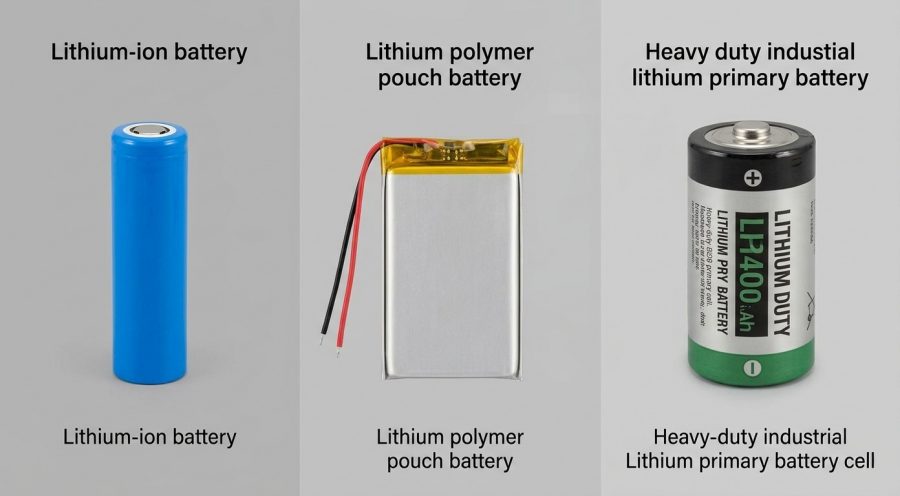
Lithium-Ion Batteries
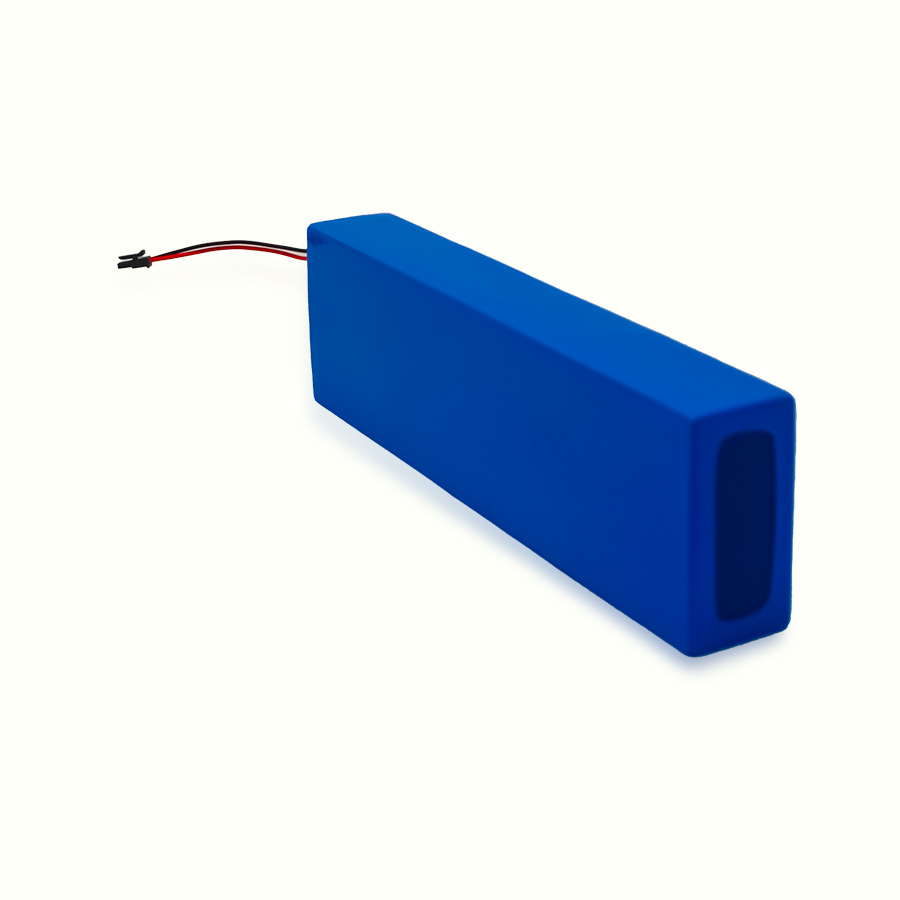
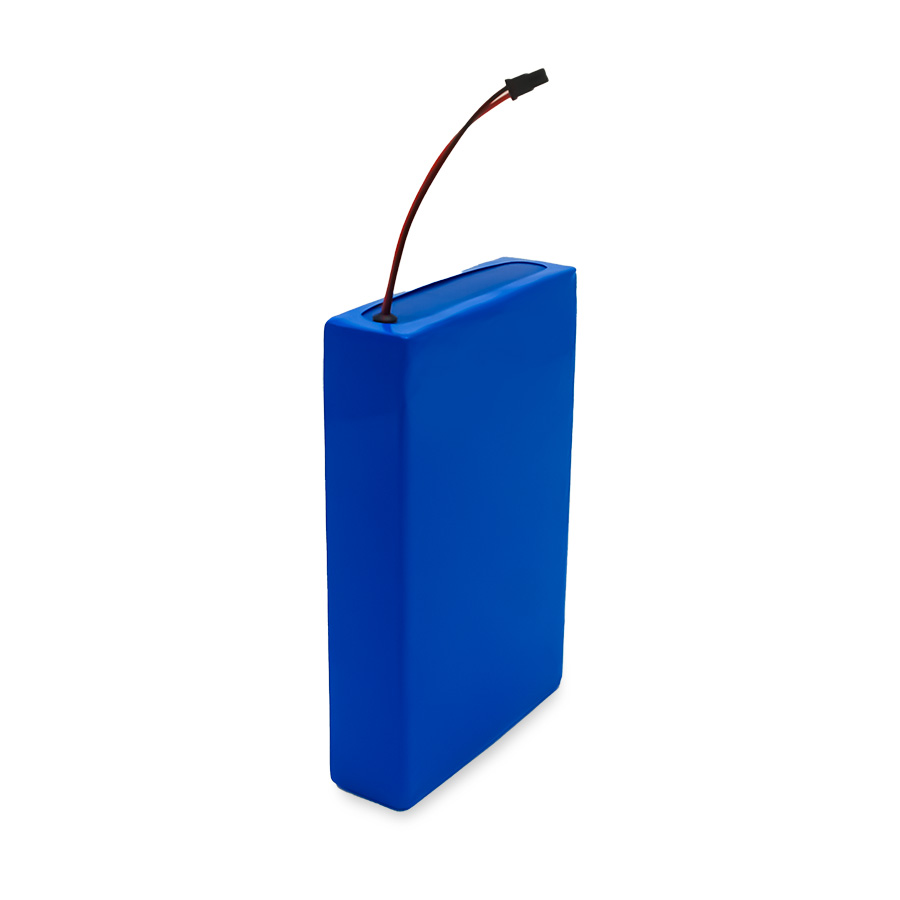
Lithium-ion batteries are widely used in rechargeable GPS tracking devices because they offer high energy density, stable output, and good cycle life. They are suitable for vehicle GPS trackers, wearable trackers, personal tracking devices, and rechargeable asset trackers.
For many B2B GPS device projects, lithium-ion batteries are a strong choice when the product needs repeated charging, compact size, and reliable runtime.
Lithium Polymer Batteries
Lithium polymer batteries are often chosen when the device requires a thin, lightweight, or custom-shaped battery pack. They are commonly used in compact GPS trackers, pet GPS collars, wearable safety devices, and small IoT tracking products.
The advantage of lithium polymer batteries is design flexibility. If your GPS device has limited internal space, a custom lithium polymer battery may help improve space utilization.
Lithium Primary Batteries
Lithium primary batteries are non-rechargeable batteries designed for long service life and low self-discharge. They are often used in asset tracking, container tracking, cold chain monitoring, and remote industrial devices.
If your GPS tracker sends location data only a few times per day and must remain active for months or years, a lithium primary battery may be more suitable than a rechargeable battery.
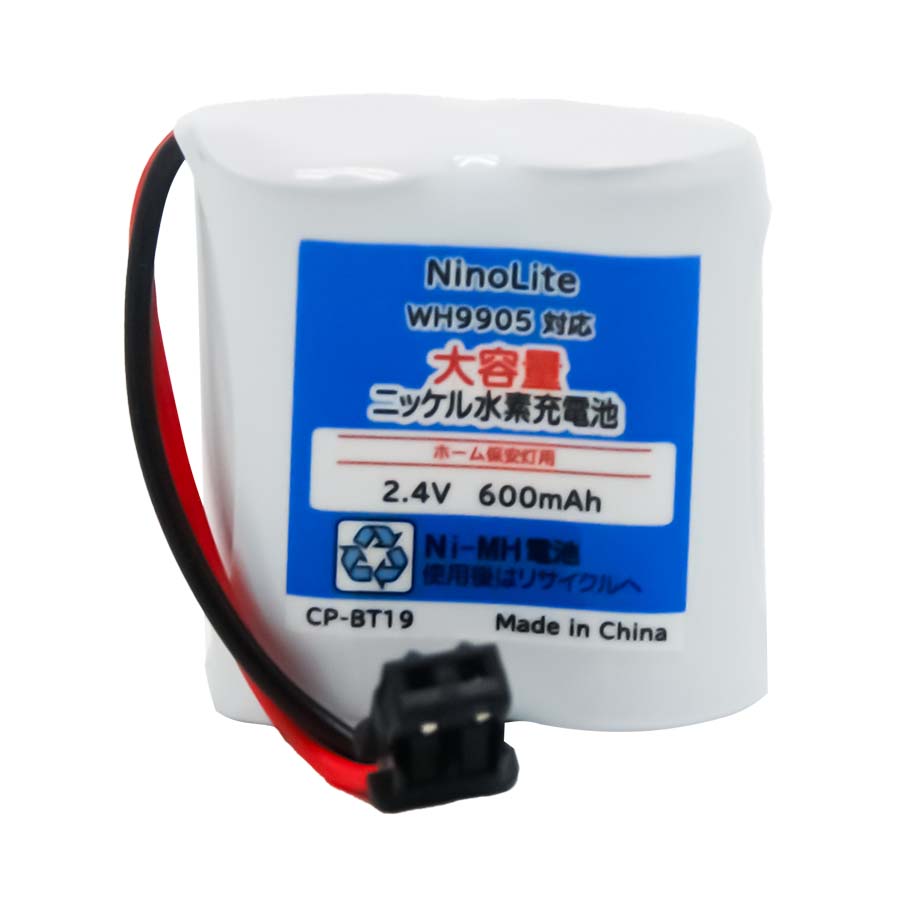
NiMH or Other Battery Options
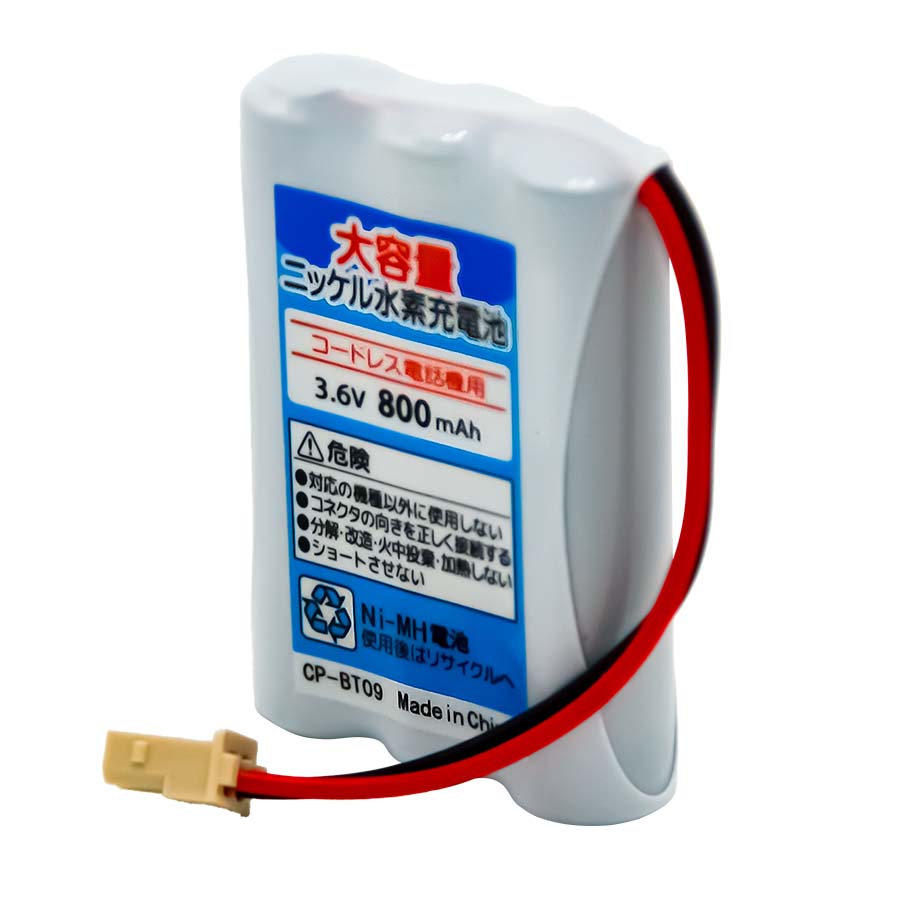
Nickel-metal hydride batteries may still be used in some applications, but they are less common in modern GPS tracking devices due to lower energy density and larger size. For most new GPS tracking product development, lithium-based battery solutions are usually preferred.
Key Factors to Consider When Choosing a GPS Tracker Battery
- Power Consumption and Reporting Frequency
The battery requirement depends heavily on how often the GPS tracking device reports location data.
A tracker that sends a signal every 10 seconds will consume far more power than one that reports every 30 minutes. GPS module activity, cellular communication, Bluetooth, Wi-Fi, sensors, and standby mode all affect power consumption.
Before choosing a battery, your engineering team should estimate the average current draw under different working modes:
- GPS active mode
- Cellular transmission mode
- Standby mode
- Sleep mode
- Emergency alert mode
- Charging mode
This helps determine the actual battery capacity needed for your target runtime.
- Battery Capacity and Runtime
Battery capacity is usually measured in mAh. A higher mAh rating generally means longer runtime, but it also increases battery size, weight, and cost.
For B2B buyers, the goal is not always to choose the largest battery. The goal is to choose the most efficient battery solution that meets product requirements without making the device too bulky or expensive.
For example, a 500mAh battery may be enough for a compact wearable GPS tracker with daily charging, while a 5,000mAh battery may be required for a long-life asset tracker.
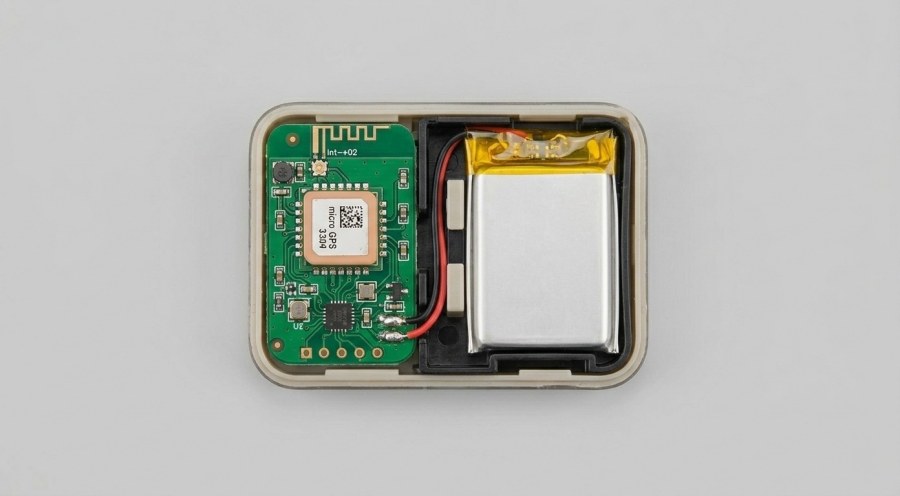
- Device Size and Mechanical Design
GPS tracking devices often have strict size limitations. A pet tracker must be lightweight. A wearable safety tracker must be comfortable. A logistics tracker may need to fit inside a small enclosure.
Battery dimensions should be considered early in the product design process. Waiting until the enclosure is finalized can create problems if the selected battery does not fit properly.
For custom GPS tracker projects, battery manufacturers can often support customized battery size, connector type, wire length, label design, and protection circuit layout.
- Temperature Performance
GPS tracking devices may be used in vehicles, warehouses, shipping containers, outdoor equipment, or cold chain logistics. This means the battery may face high heat, freezing temperatures, or rapid temperature changes.
A battery used inside a parked vehicle in Arizona may experience high-temperature stress. A tracker used for refrigerated transport may need stable performance at low temperatures. Industrial asset trackers may need wider operating temperature ranges.
For B2B projects, it is important to define the expected operating temperature range before selecting the battery.
- Charging Requirements
Rechargeable GPS trackers need a safe and efficient charging design. Key questions include:
- How often will users charge the device?
- What charging current is required?
- Does the device need fast charging?
- Will it use USB-C, magnetic charging, charging pins, or a dock?
- Does the battery need overcharge, over-discharge, and short-circuit protection?
Charging behavior affects battery life and product safety. A battery solution should be matched with the device’s charging IC and power management system.
- Safety and Protection Circuit Design
For lithium-based batteries, safety protection is critical. GPS tracking devices may be carried by people, attached to vehicles, placed in packages, or used in industrial environments. A battery failure can damage not only the device but also the customer’s trust in the product.
A high-quality battery solution should include appropriate protection against overcharge, over-discharge, overcurrent, short circuit, and temperature-related risks.
For B2B buyers, it is also important to check whether the battery supplier can provide relevant testing support and documentation.
- Certifications and Compliance
Depending on the target market, GPS tracking device batteries may need to meet specific transportation, safety, or product compliance requirements.
For companies selling GPS tracking devices in the U.S. market, battery-related documentation and compliance planning can affect shipping, distribution, and customer acceptance.
Common considerations may include UN38.3 transportation testing, MSDS documentation, IEC or UL-related safety requirements, and customer-specific quality standards.
Before mass production, make sure your battery supplier understands the compliance requirements for your target market and application.
Exploring Cases
Use Case 1: Fleet GPS Tracker for Commercial Vehicles
Application: Fleet tracking device for delivery vans and service trucks
Target market: U.S. logistics and transportation companies
Power source: Vehicle power with backup battery
Battery requirement: 3.7V lithium-ion battery, 800–1,500mAh
Reporting frequency: Every 30 seconds while driving
Backup runtime target: 6–12 hours after vehicle power loss
Recommended solution: Rechargeable lithium-ion battery with stable discharge and protection circuit
In this scenario, the tracker usually receives power from the vehicle. However, the backup battery is essential when the vehicle is turned off, disconnected, or tampered with. The battery does not need to power the device for weeks, but it must be reliable during power interruption events.
For this type of GPS tracker, safety, cycle life, and stable backup performance are more important than extremely high capacity.
Use Case 2: Asset Tracker for Construction Equipment
Application: GPS tracker for trailers, generators, and construction tools
Target market: Equipment rental companies and jobsite managers
Battery requirement: Lithium primary battery or high-capacity rechargeable battery
Capacity range: 5,000–10,000mAh depending on reporting frequency
Reporting frequency: 2–6 times per day under normal mode
Runtime target: 6–18 months
Operating environment: Outdoor use, dust, vibration, wide temperature range
Recommended solution: Long-life battery with low self-discharge and rugged design support
Construction equipment trackers often need long standby time because the device may not be charged frequently. The battery must support low power consumption and reliable operation across different jobsite environments.
For this project type, engineering teams should focus on standby current, reporting interval optimization, and battery performance under temperature variation.
Use Case 3: Pet GPS Tracker
Application: GPS tracker for dogs and cats
Target market: Consumer pet tech brands and OEM device manufacturers
Battery requirement: Lightweight lithium polymer battery
Capacity range: 300–800mAh
Reporting frequency: Every 10–60 seconds during active tracking
Runtime target: 1–5 days depending on tracking mode
Design priority: Small size, low weight, comfort, safe charging
Recommended solution: Thin lithium polymer battery with custom dimensions
Pet GPS trackers must balance runtime with comfort. A larger battery may last longer, but it can make the device too heavy for small pets. For this application, battery shape and weight are just as important as capacity.
A custom lithium polymer battery can help the product maintain a slim profile while supporting practical daily use.
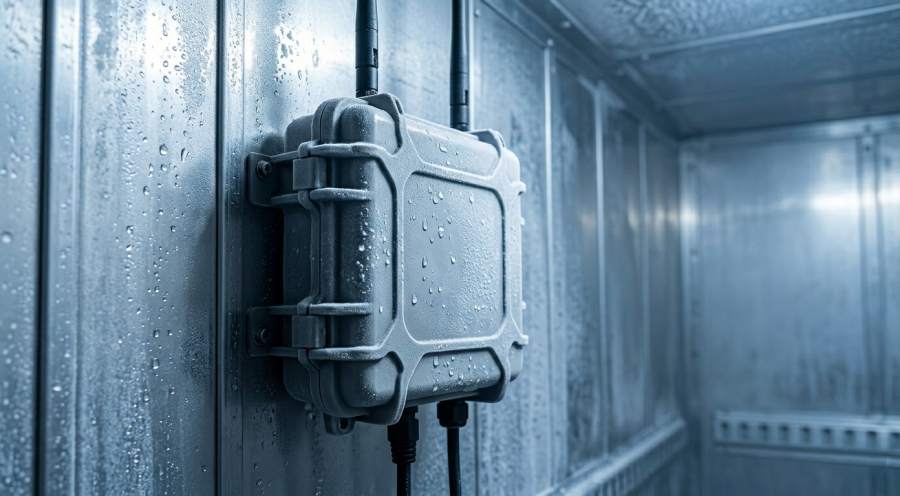
Use Case 4: Cold Chain GPS Tracking Device
Application: GPS and temperature tracker for refrigerated shipments
Target market: Pharmaceutical logistics, food delivery, medical supply chain
Battery requirement: Low-temperature lithium battery solution
Capacity range: 2,000–6,000mAh
Operating temperature: Down to -20°C or lower depending on project needs
Reporting frequency: Every 15–30 minutes
Runtime target: 7–30 days
Recommended solution: Battery designed for stable low-temperature discharge
Cold chain tracking creates special battery challenges. Low temperatures can reduce usable capacity and affect discharge performance. If the battery is not designed for cold environments, the device may shut down before the shipment is complete.
For cold chain GPS tracking devices, temperature testing should be part of the product validation process.
Use Case 5: Personal Safety GPS Tracker
Application: Wearable GPS tracker for seniors, children, or lone workers
Target market: Healthcare, safety monitoring, personal protection brands
Battery requirement: Rechargeable lithium polymer battery
Capacity range: 600–1,200mAh
Runtime target: 24–72 hours
Key functions: SOS button, GPS positioning, voice call, fall detection, cellular connection
Recommended solution: High-reliability rechargeable battery with safety protection
Personal safety trackers must be dependable during emergencies. Battery failure can create serious user trust issues. The battery should support stable output during GPS transmission, cellular communication, and emergency alerts.
For this application, safety, reliability, and consistent performance are more important than simply choosing the lowest-cost battery.
How to Work with a Battery Manufacturer for GPS Tracker Projects
For B2B GPS tracking device development, it is best to involve the battery supplier early in the design process. A professional battery manufacturer can help evaluate capacity, size, chemistry, protection circuit design, connector options, and testing requirements.
Before requesting a quote, prepare key project details such as:
- Device application
- Target market
- Expected runtime
- Working temperature range
- Battery size limitations
- Charging method
- Average and peak current
- Monthly or annual production volume
- Certification requirements
- Custom packaging or labeling needs
The more clearly you define the project requirements, the easier it is to develop a suitable battery solution.
About HiMAX Battery
HiMAX is one of the world’s leading battery manufacturers, providing professional battery solutions for B2B customers across GPS tracking devices, IoT products, smart hardware, medical devices, industrial electronics, consumer electronics, and custom power applications.
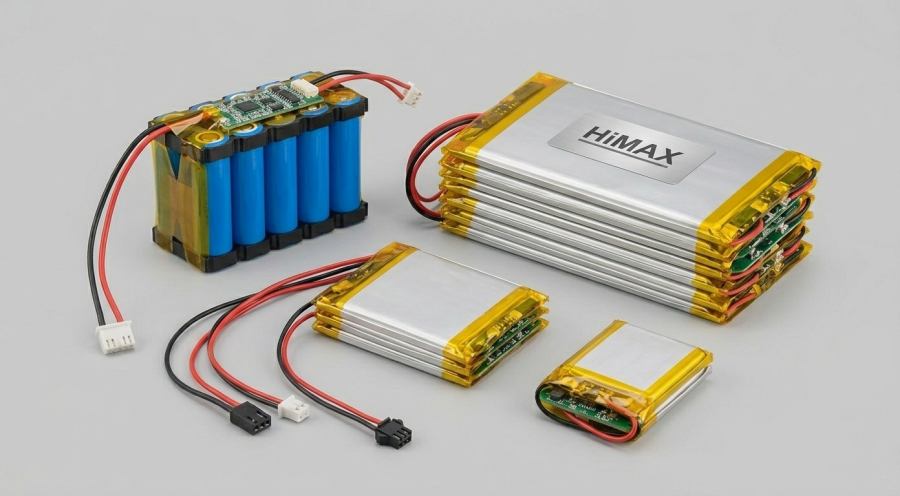
With strong experience in lithium-ion, lithium polymer, and customized battery pack development, HiMAX supports customers from early product design to mass production. Whether your GPS tracking device requires long runtime, compact size, low-temperature performance, custom dimensions, reliable protection circuits, or certification support, HiMAX can help develop a battery solution tailored to your project needs.
For OEMs, ODMs, IoT solution providers, and GPS device manufacturers, HiMAX offers dependable battery engineering, flexible customization, and scalable production support to help bring reliable tracking products to market faster.