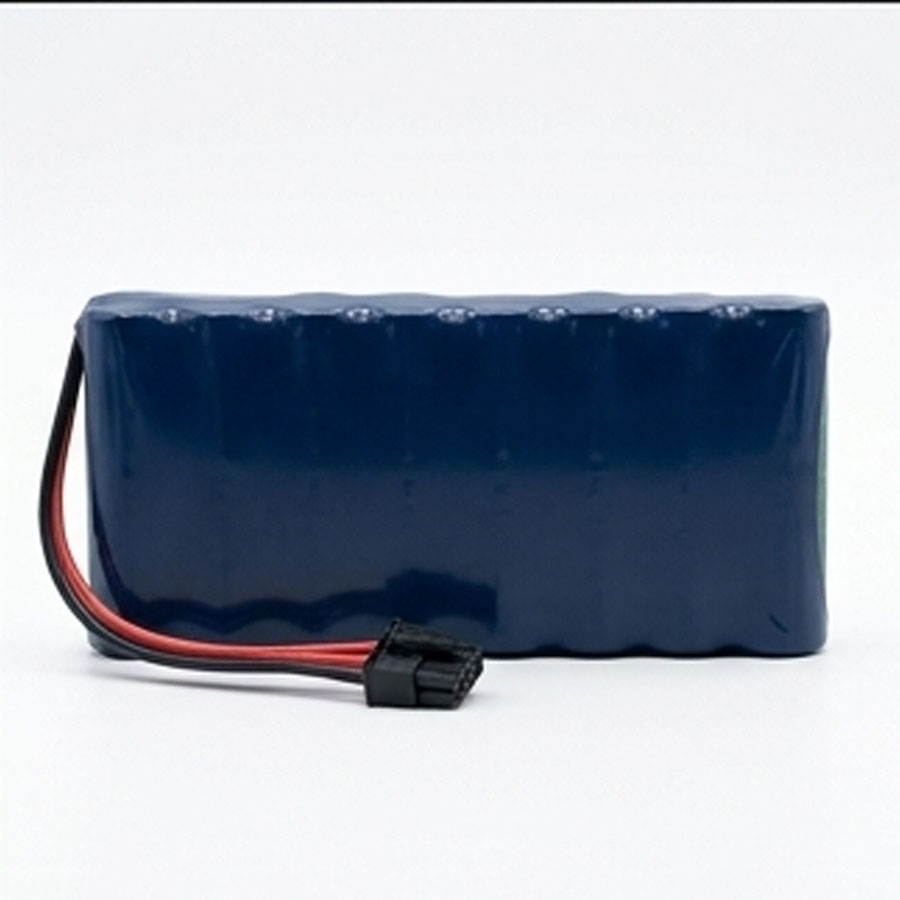
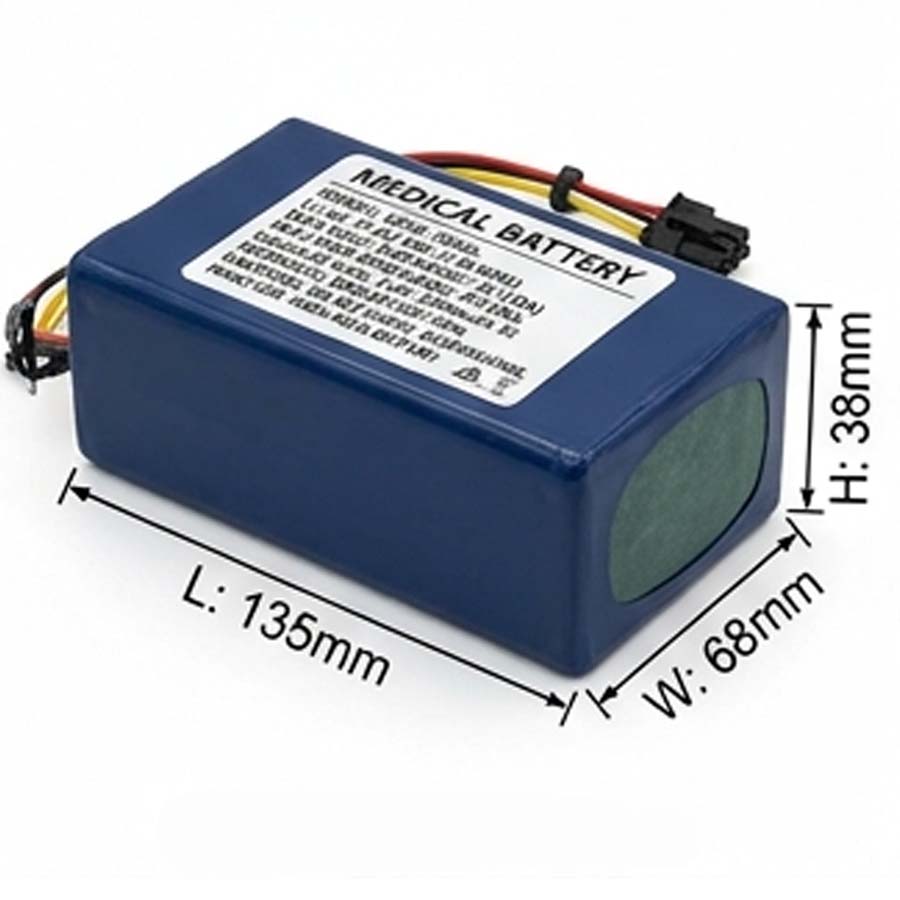
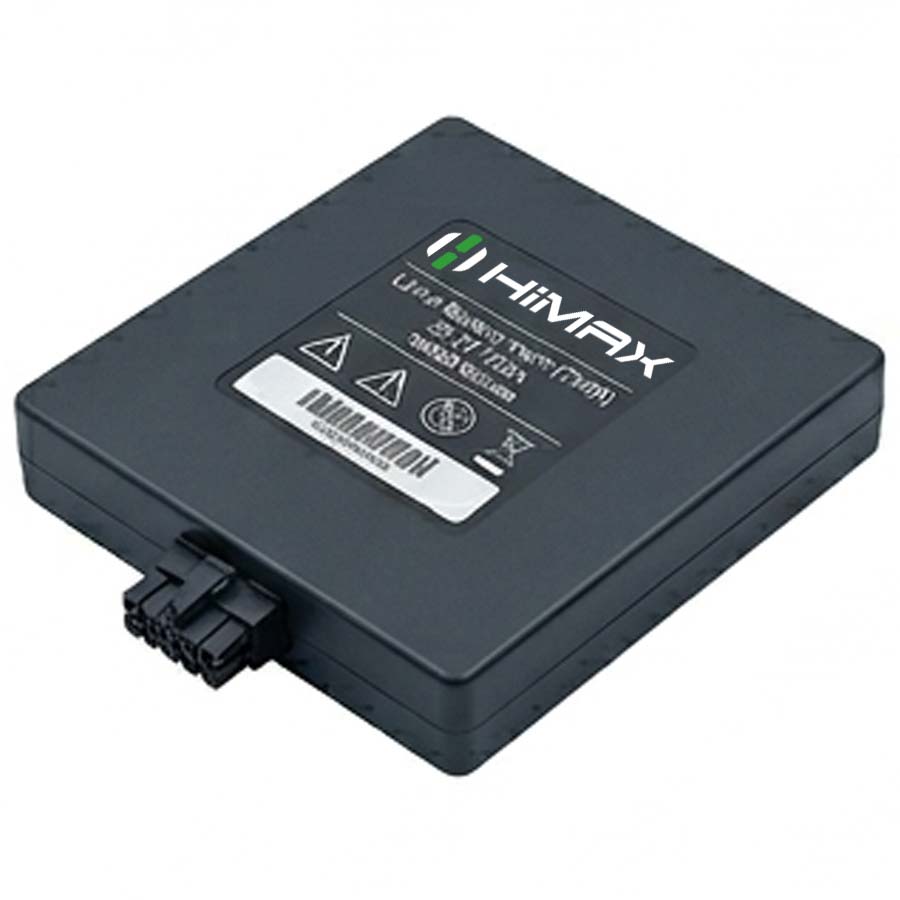
With the rapid growth of the global clean energy industry, lithium batteries, especially lithium-ion batteries, have become a key power source for power tools, energy storage systems, electric mobility devices, and consumer electronics.
For Chinese battery manufacturers, exporting lithium battery products to the U.S. and European markets represents not only a significant commercial opportunity but also the need to comply with strict safety certifications and regulatory requirements.
Without the required certifications, lithium-ion battery products may be blocked by customs or even removed from major e-commerce platforms. As a result, understanding the latest certification requirements for exporting lithium batteries to the U.S. and Europe in 2026 has become a critical step for battery manufacturers expanding into international markets.
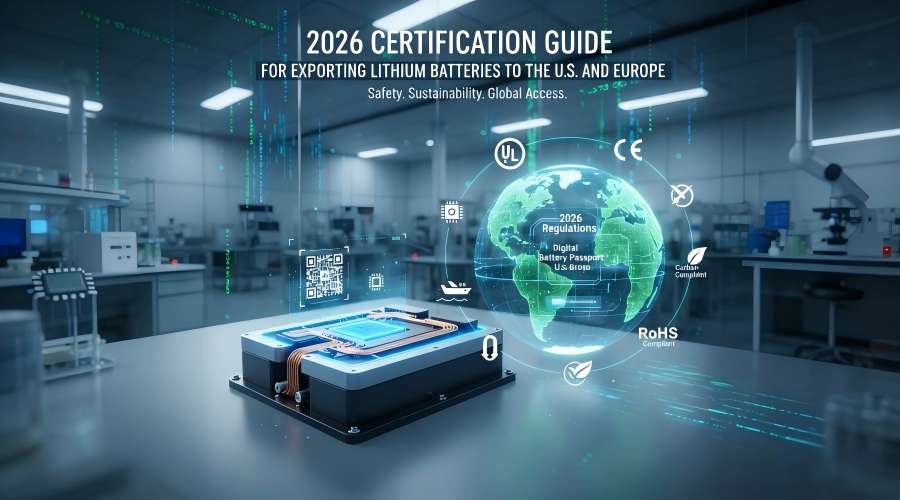
This guide outlines the key certifications, testing standards, and compliance procedures companies must complete when exporting lithium battery products to Western markets in 2026.
Key Certifications Required for Exporting Lithium Batteries to the U.S. and Europe in 2026
Different countries and regions regulate lithium battery products differently, but most regulations focus on three core areas: safety, transportation, and environmental compliance.
1. UN38.3 Transportation Safety Certification
UN38.3 is the United Nations testing standard for the safe transportation of lithium batteries.
Nearly all lithium-ion batteries, whether shipped by air, sea, or land, must pass this certification.
UN38.3 includes eight mandatory safety tests:
- Altitude simulation test
- Thermal test
- Vibration test
- Shock test
- External short circuit test
- Crush test
- Overcharge test
- Forced discharge test
Any product classified as a lithium battery pack or lithium battery cell must provide a complete UN38.3 test report along with a Test Summary.
Without UN38.3 documentation, most logistics companies will refuse to transport lithium battery shipments.
2. UL Certification (U.S. Market)
UL certification is one of the most widely recognized safety certifications for lithium-ion batteries in the United States. Many e-commerce platforms and major retailers require UL test reports before allowing lithium battery products to be sold.
Common UL standards include:
- UL1642 – Safety standard for lithium-ion battery cells
- UL2054 – Safety standard for lithium battery packs
- UL2271 – Battery standard for light electric vehicle batteries
- UL2580 – Standard for electric vehicle lithium batteries
For example, if a company exports a lithium battery pack for an electric scooter, it typically must pass UL2271 testing.
3. CE Certification (European Union Market)
CE certification is a mandatory requirement for entering the European market. Any electronic product, including devices powered by lithium batteries, must comply with CE directives.
The main regulations include:
- Low Voltage Directive (LVD)
- Electromagnetic Compatibility Directive (EMC)
- RoHS Environmental Directive
- EU Battery Regulation
The purpose of CE certification is to prove that lithium battery powered products meet EU requirements for safety, environmental protection, and electromagnetic compatibility.
4. RoHS Environmental Compliance
RoHS restricts hazardous substances in electronic products, including lithium battery devices.
For lithium battery systems, RoHS testing mainly focuses on the following materials:
- Lead (Pb)
- Mercury (Hg)
- Cadmium (Cd)
- Hexavalent chromium (Cr6+)
- Polybrominated biphenyls (PBB)
- Polybrominated diphenyl ethers (PBDE)
Passing RoHS testing proves that the materials used in lithium battery manufacturing meet EU environmental protection standards.
New Battery Regulations in the U.S. and Europe for 2026
In recent years, Western governments have strengthened regulations on lithium battery products.
The European Union has officially introduced the EU Battery Regulation, which will be gradually implemented over the next several years.
The regulation focuses on several major areas.
In the future, all lithium batteries must include traceability information such as:
- Battery manufacturer
- Raw material sources
- Battery capacity
- Cycle life
Some products will also require a Digital Battery Passport.
2. Carbon Footprint Requirements
The EU is promoting a carbon footprint declaration system for lithium batteries.
Large energy storage batteries and electric vehicle batteries will be required to provide:
- Battery production carbon emissions data
- Material sourcing documentation
- Recycling plans
These requirements aim to improve sustainability throughout the lithium battery supply chain.
Certification Process for Exporting Lithium Batteries to the U.S. and Europe
For manufacturers, completing the lithium battery certification process typically involves the following steps.
Step 1: Identify the Product Type
Different applications require different certifications, such as:
- Consumer electronics batteries
- Energy storage batteries
- Power tool batteries
- Electric vehicle batteries
Identifying the application helps determine the appropriate lithium battery testing standards.
Manufacturers must send lithium-ion battery samples to a third-party laboratory for testing.
Testing typically includes:
- Battery safety performance
- Charge and discharge cycles
- Thermal stability
- Mechanical safety tests
Testing timelines generally range from:
2 to 8 weeks.
Step 3: Certification Documentation
After testing is completed, certification agencies will issue documents such as:
- UN38.3 test report
- UL test report
- CE compliance documentation
- RoHS testing report
These documents serve as essential compliance proof for exporting lithium battery products to the U.S. and European markets.
Real-World Use Cases from U.S. Consumers
To better understand the importance of certification, let’s look at several real-world applications involving lithium batteries in the United States.
Case 1: Electric Lawn Mower Battery
Many suburban households in the U.S. use electric lawn mowers powered by lithium-ion battery packs.
Example specifications:
- Battery type: Lithium-ion battery pack
- Voltage: 40V
- Capacity: 6Ah
- Energy: 240Wh
Users typically operate the mower for about 30 minutes per week.
If the lithium battery pack does not pass UL certification, large U.S. retailers will usually refuse to sell the product.

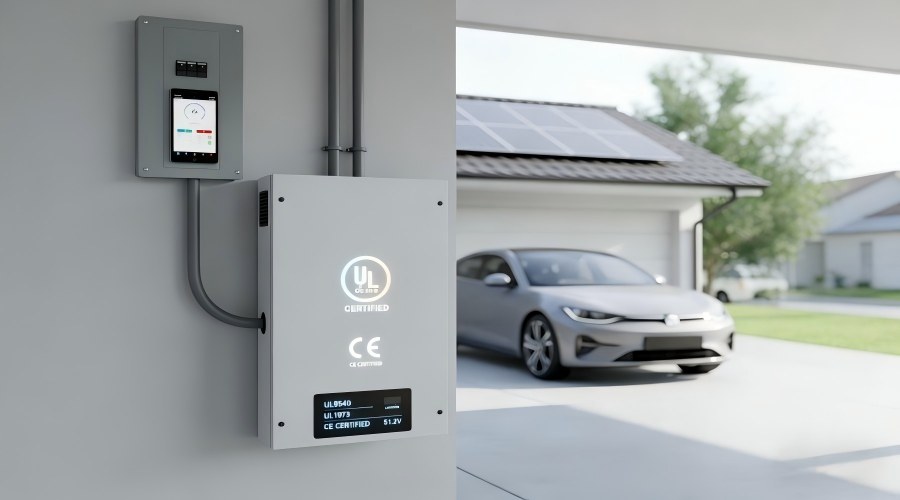
Case 2: Home Energy Storage Battery
Many American households are installing home energy storage systems powered by lithium iron phosphate (LiFePO4) batteries.
Example specifications:
- Battery type: LiFePO4 lithium battery
- Capacity: 10 kWh
- Nominal voltage: 51.2V
- Cycle life: 6000 cycles
These systems typically require:
- UL1973
- UL9540
- CE certification
Without these certifications, the lithium battery storage system may not be approved for residential energy installations.
Case 3: Electric Bicycle Battery
Electric bicycles are becoming increasingly popular in U.S. urban commuting scenarios.
Example specifications:
- Battery type: lithium battery pack
- Voltage: 48V
- Capacity: 15Ah
- Range: 60 km
Many U.S. states now require e-bike lithium batteries to comply with UL2849 or related safety standards.

How Companies Can Reduce Lithium Battery Certification Costs
For battery manufacturers, certification expenses can be significant. However, several strategies can help reduce costs.
Designing products according to lithium battery safety standards from the early development stage can significantly reduce the risk of test failures.
Using modular design allows multiple products to share the same lithium battery platform, reducing the need for repeated certification.
Work with Experienced Testing Laboratories
Professional testing labs can help manufacturers complete lithium battery testing procedures more efficiently.
Why Choose HiMAX Lithium Batteries
HiMAX is an international company focused on the research, development, and manufacturing of high-performance lithium batteries. Our products are widely used in energy storage systems, electric mobility equipment, power tools, and industrial devices.
HiMAX lithium-ion batteries offer several key advantages:
- High energy density design
- Long cycle life
- Stable and safe battery structure
- Compliance with global certification standards
Our lithium battery products have passed multiple international tests, including UN38.3 transportation certification, UL safety certification, and CE and RoHS environmental compliance.
Whether you need electric equipment batteries, energy storage lithium batteries, or customized lithium battery solutions, HiMAX can provide reliable and stable product support.
If you are looking for a trusted supplier of high-quality lithium batteries for the global market, HiMAX is ready to be your long-term partner.