As temperatures continue to drop, winter becomes a peak season for lithium-ion battery failures and performance degradation. Whether used in electric vehicles, energy storage systems, electronic devices, or industrial equipment, any application that relies on lithium-ion batteries will inevitably be affected by low-temperature environments. Therefore, mastering a set of scientific and practical lithium-ion battery maintenance methods can not only extend battery lifespan but also ensure safe operation and stable performance.
This guide will systematically explain how to properly maintain and care for lithium-ion batteries during winter, covering low-temperature impacts, charging and discharging management, storage techniques, and common mistakes. The goal is to help users reduce battery wear and improve overall user experience.
Low Temperatures Affect the Chemical Reactions of Lithium-Ion Batteries
In low-temperature environments, the chemical reaction rate inside lithium-ion batteries slows down significantly. The electrolyte becomes less fluid, and the migration efficiency of lithium ions decreases, directly leading to reduced battery capacity and insufficient power output.
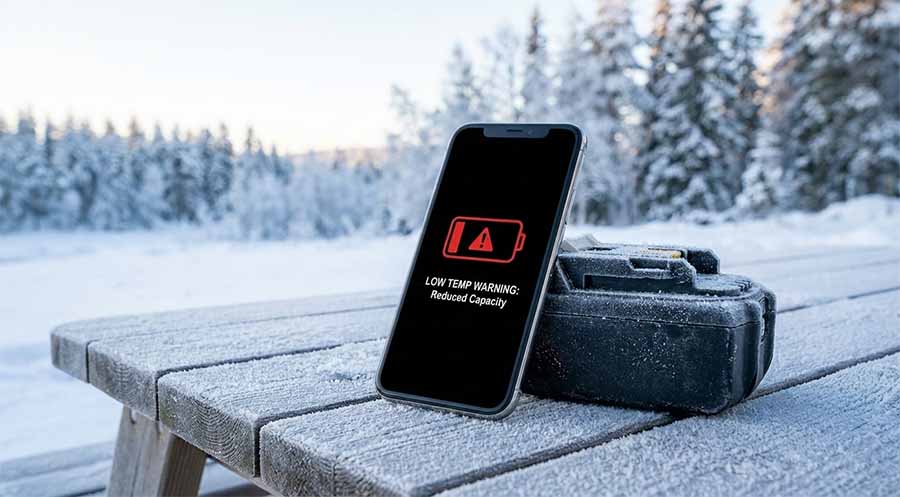
Common symptoms include:
- Significantly reduced battery runtime
- Slower charging speeds
- Inaccurate battery level readings
- Automatic shutdown under high loads
If batteries are used or stored in low-temperature conditions for long periods without proper winter lithium-ion battery maintenance, irreversible capacity loss may occur, and safety risks may even arise.
Proper Charging Methods for Lithium-Ion Batteries in Low Temperatures
Winter charging is one of the most easily overlooked yet most critical aspects of lithium-ion battery maintenance management. Charging directly at low temperatures can easily cause lithium plating, which severely affects battery lifespan.
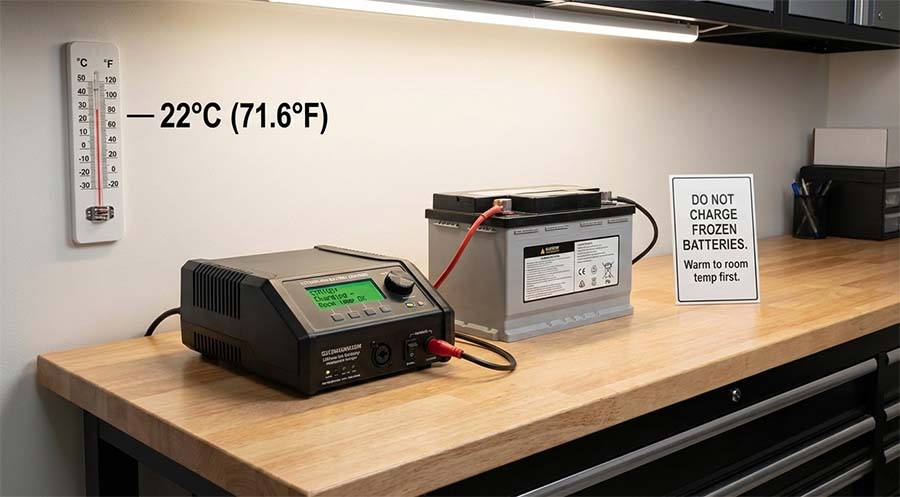
Recommended winter charging practices include:
- Avoid charging batteries in environments below 0°C
- Allow the battery to return to room temperature before charging
- Use original or properly matched chargers
- Keep the charging environment between 10°C and 30°C
Reasonably Control Discharge Behavior to Reduce Winter Battery Wear
During winter use, excessive discharging is one of the main causes of battery performance decline. At low temperatures, internal resistance increases. Continuing to discharge at high power can easily trigger protection mechanisms or cause cell damage.
Users are advised to:
- Avoid continuing use when battery level drops below 20%
- Do not operate devices at high loads for extended periods in cold environments
- Stop using the battery promptly if a sudden drop in power occurs
Winter Lithium-Ion Battery Storage and Maintenance Tips
If a battery needs to remain unused for an extended period during winter, storage methods will directly affect its lifespan. Improper storage habits may lead to battery swelling, abnormal voltage, or even complete failure.

Proper lithium-ion battery storage and maintenance methods include:
- Maintain the storage charge level between 40% and 60%
- Store in a dry, well-ventilated, and light-protected indoor environment
- Avoid direct contact with metal objects
- Perform inspections or recharge every 2–3 months
Common Mistakes When Using Lithium-Ion Batteries in Winter
Many users fall into common misconceptions when maintaining batteries in winter, which instead accelerates battery degradation.
Common mistakes include:
- Believing batteries must be fully charged before storage
- Charging while using the device in low-temperature environments
- Leaving the battery connected to the charger for long periods
- Using unmatched or incompatible chargers for emergency charging
HiMAX Lithium-Ion Battery Maintenance Solutions
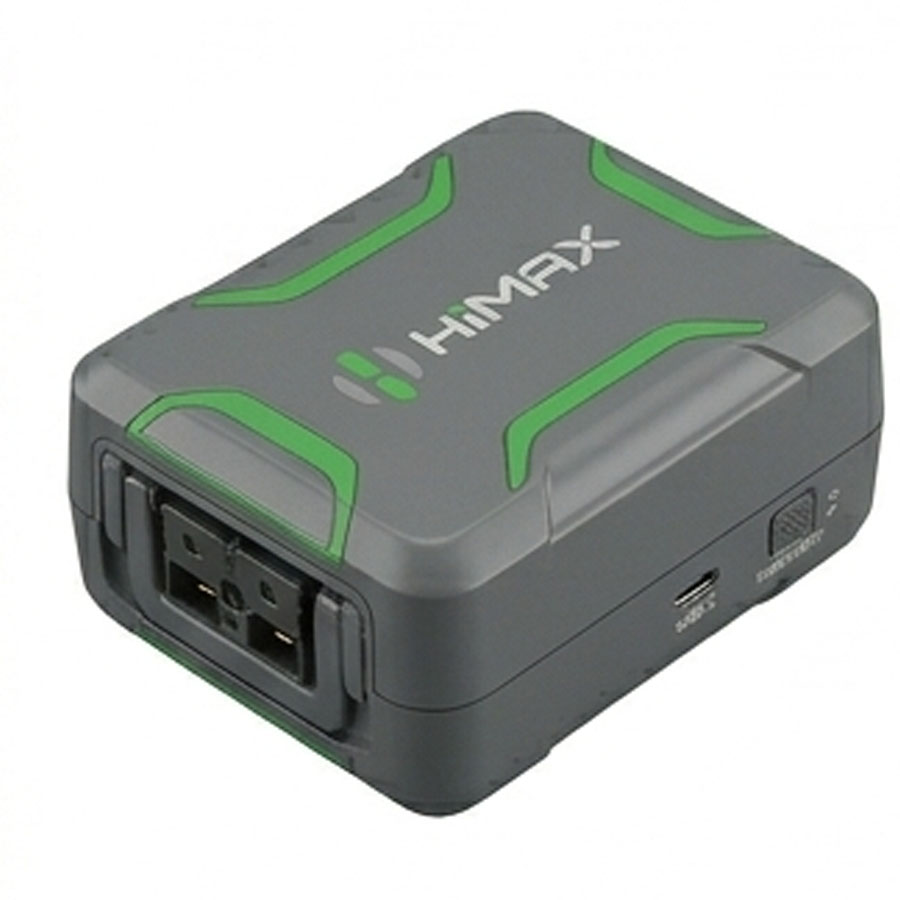
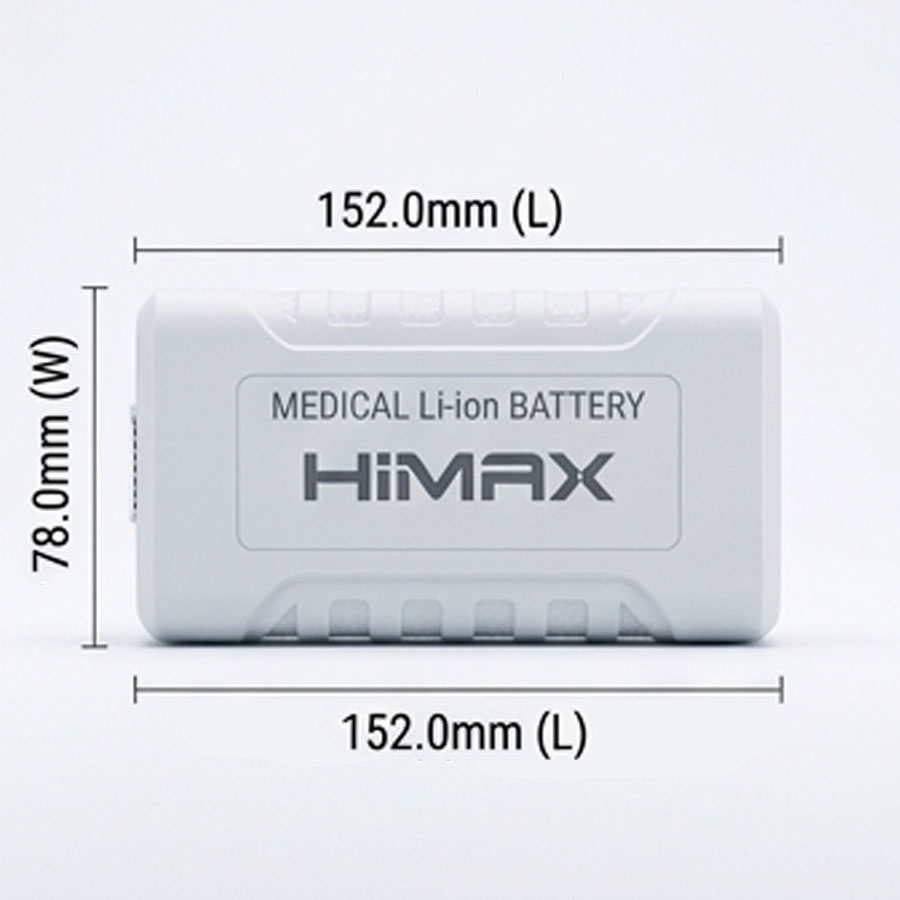
As a brand focused on high-performance lithium-ion batteries, HiMAX always prioritizes safety, stability, and service life. HiMAX not only provides high-quality lithium-ion battery products but also offers comprehensive lithium-ion battery maintenance guidance and technical support.
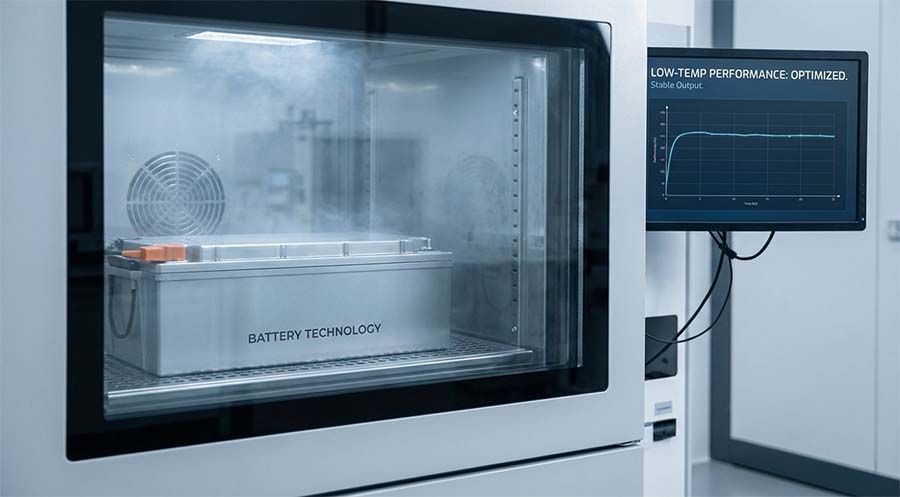
During the design stage, HiMAX lithium-ion batteries fully account for low-temperature winter conditions. By optimizing cell structure and enhancing material stability, HiMAX effectively reduces the impact of low temperatures on battery performance. At the same time, HiMAX provides professional maintenance recommendations and application solutions, helping users achieve safer and more efficient battery use throughout the winter season and across the entire year.
Find articles related to lithium-ion batteries