As electric biking becomes more popular, 250W e-bikes stand out for being energy-efficient, practical, and often street-legal without extra requirements, making them a top choice for city commuting and daily rides. The battery is a key part of the setup—it directly affects range, riding experience, safety, and how long the bike lasts overall. This guide focuses on what you need for a 250W e-bike, breaking down the main points to help you pick a solid, reliable battery.

Basic Requirements for Batteries in 250W Electric Bikes
A 250W motor isn’t super powerful, but it needs a battery that’s stable and can deliver consistent power. The battery has to perform well for everyday rides while meeting safety standards.
First, the voltage should match the motor system. Most 250W e-bikes in the US use a 36V setup, though some lighter models go with 24V. If the voltage doesn’t match, it can mess with power delivery and shorten the controller’s life.
Second, capacity should fit your riding needs. Commuters usually prioritize steady range over max distance. A mid-range lithium battery with good cycle life is often the most practical choice.
Common Types of Electric Bike Batteries
250W e-bikes mainly use two battery types today, and they differ a lot in weight, safety, and cost.
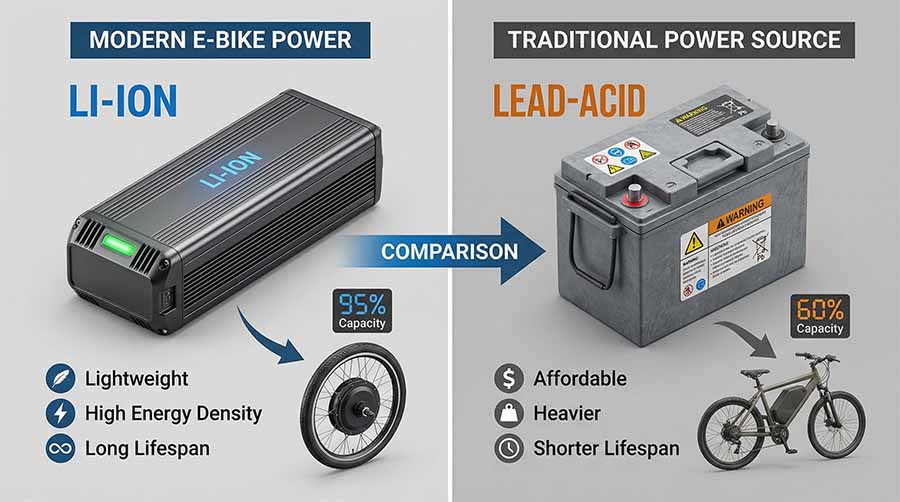
Lithium batteries are the go-to option on the market right now. They’re lightweight, have high energy density, and charge/discharge efficiently. For riders who bike often or need to carry the battery upstairs for charging, lithium is way more convenient.
They also handle more charge cycles, so they’re cheaper in the long run. That said, stick to reputable brands with quality cells to avoid safety issues.
Lead-acid batteries are cheaper and proven tech, but they’re heavy and don’t last as long. On a 250W bike, they add extra weight that can make riding less comfortable. They’re mostly found in entry-level or short-trip models these days.
Overall, if your budget allows, a high-quality lithium-ion battery is the smarter pick.
How to Choose the Right Battery Capacity
Capacity is what determines your range, and it’s one of the most overlooked specs when shopping.
Common options include 36V 10Ah, 36V 12Ah, or 36V 15Ah. In theory, higher capacity means longer range, but real-world distance depends on terrain, load, and how you ride.
For daily commutes of 6 to 12 miles, a 36V 10Ah or 12Ah battery is usually plenty. Going for oversized capacity just adds cost and bulk, which can affect the bike’s frame and handling.
The Importance of Battery Safety and Protection Systems
Safety should always come first when picking an e-bike battery. A good one relies on quality cells plus a solid management system.
A BMS (Battery Management System) handles overcharge protection, over-discharge protection, short-circuit protection, and temperature monitoring to cut down on risks. For lithium batteries, skip any without a proper BMS.
The outer casing matters too. Look for waterproof, shock-resistant, and dust-proof designs to make the battery more reliable in tough conditions.
Even a top-quality battery will wear out faster with bad habits.
Avoid storing it fully charged for long periods or deeply discharging it often. When not riding, keep the charge between 40% and 60%—this helps extend lithium battery life.
Also, always use the original or a compatible charger to protect longevity.
Original vs. Third-Party Batteries: Recommendations
Many people hesitate between OEM and aftermarket batteries when replacing one.
Original batteries fit perfectly and come with guaranteed safety, but they’re pricier. Good third-party options can offer better value, but check the brand’s reputation, cell quality, and warranty/support.
Whichever you choose, make sure it meets relevant standards to keep your bike compliant.
Common Mistakes When Buying a 250W E-Bike Battery
Shoppers often fall into these traps:
- Focusing only on capacity and ignoring cell quality. Cheap cells with high rated capacity won’t deliver good real-world range or durability.
- Overlooking weight. A heavy battery throws off balance and reduces comfort.
- Skipping warranty and support. Batteries wear out, so reliable service is key.
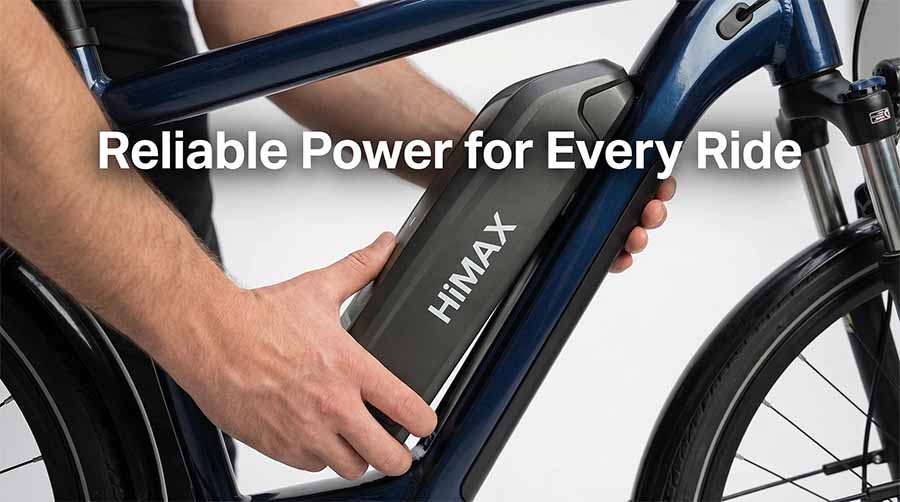
HiMAX specializes in developing and manufacturing high-performance e-bike batteries, with products well-suited for 250W applications. HiMAX batteries use premium lithium cells and smart BMS systems, excelling in safety, stability, and cycle life. Whether for urban commuting or everyday rides, HiMAX aims to deliver lighter, more reliable, and longer-lasting e-bike battery solutions.
Find articles related to Lithium-ion Battery