Toy RC cars have become more advanced in recent years. Their motors are stronger, their controllers are more responsive, and their speeds are higher than ever. Because of this, the type of battery you choose matters a lot. Two of the most common battery options are lithium-ion batteries and lithium polymer batteries. Both are popular because they deliver strong power and long run times. But they are not the same, and each has unique advantages and drawbacks.
Understanding the Basics of Lithium-Ion Batteries
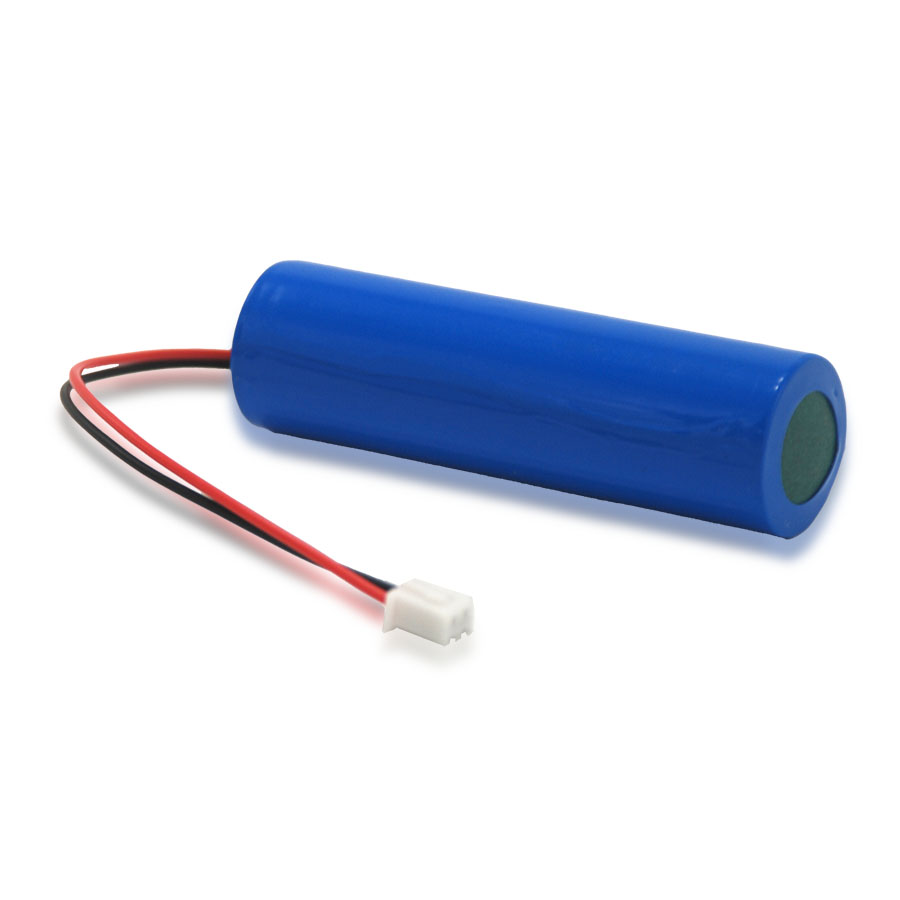
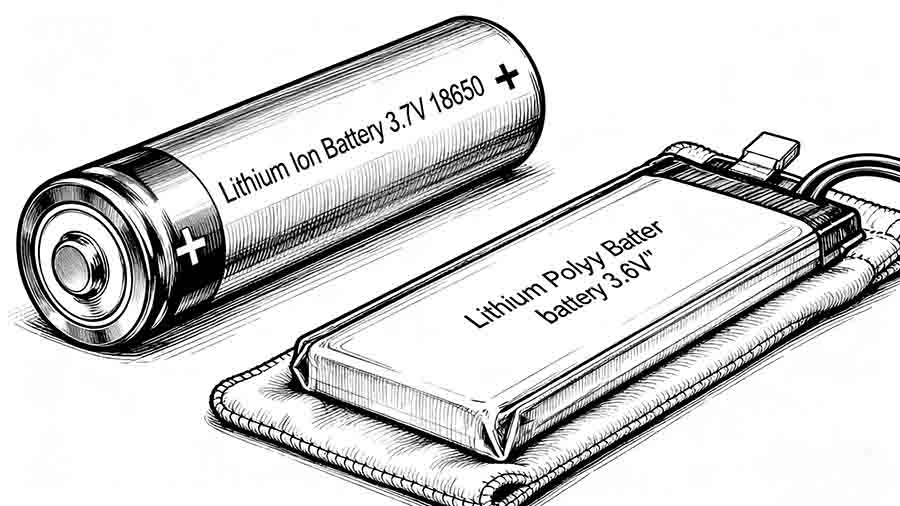
Lithium-ion batteries are widely used in phones, laptops, flashlights, and many household electronics. They store a lot of energy in a compact space. They also last a long time and are relatively stable. In RC cars, lithium-ion batteries are usually made in cylindrical shapes, such as the common 18650 cells.
A lithium-ion battery works by moving lithium ions between two internal layers. This movement allows the battery to charge and discharge. The metal case protects these internal parts, which helps the battery maintain good stability.
Lithium-ion batteries usually have lower discharge rates than lithium polymer batteries. This means they do not deliver very high bursts of current. For normal toy RC cars, this level of power is often enough. But high-performance RC cars might need more current than lithium-ion batteries can supply.
Understanding the Basics of Lithium Polymer Batteries
Lithium polymer batteries, often called LiPo batteries, are known for their high discharge rates. This makes them popular in drones, racing RC cars, and other high-performance electronics. LiPo batteries usually come in soft, flat pouches rather than hard metal shells. Because of this, they can be shaped in many sizes and fit into compact RC car bodies.
A LiPo battery can discharge energy very quickly. This helps a toy RC car accelerate fast and reach higher speeds. Many LiPo batteries support 20C, 40C, or even 60C discharge rates, which means they can deliver large amounts of current without losing performance.
However, LiPo batteries require more careful handling. They can swell or become damaged if overcharged, discharged too deeply, or stored incorrectly. They also require special chargers that balance each cell. Even so, their high performance makes them the first choice for serious RC hobbyists.
Comparing Power and Performance
Power output is one of the most important factors in choosing the right battery for an RC car. Lithium-ion batteries provide steady, moderate power. This is perfect for casual driving. They help the RC car run for a long time, and they keep it safe and reliable.
LiPo batteries provide very strong bursts of power. This helps the RC car accelerate quickly, climb slopes more easily, and reach faster speeds. If your RC car has a strong motor, a LiPo battery will match that power better than a lithium-ion battery.
For small toy-grade RC cars, a lithium-ion battery is usually good enough. But for hobby-grade RC cars or fast drift cars, a LiPo battery will perform much better.
Weight is very important in RC cars. A lighter car is easier to control and accelerates more quickly. A heavier car is slower and drains its battery faster.
Lithium-ion batteries are heavier because they use metal casings. Their cylindrical shapes also limit how flexible the battery size can be. Some RC car body designs simply do not have room for large or round cells.
LiPo batteries are lighter and come in slim, flat shapes. This makes them easier to install and better suited for compact RC car chassis. If your RC car has limited battery space, a LiPo battery is almost always the better choice.
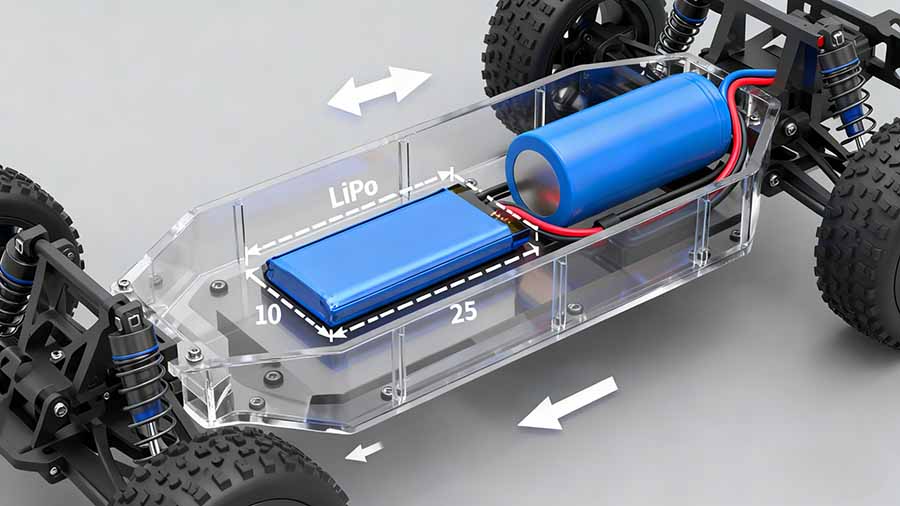
Lithium-ion batteries cost less to produce and usually last longer in terms of charge cycles. This makes them more cost-effective for casual RC users. They also do not require special care or chargers.
LiPo batteries cost more, especially high-quality models with high discharge rates. They also wear out faster, especially when used at high power levels. For hobbyists who chase performance, this extra cost is worth it. But for typical users, lithium-ion batteries offer better long-term value.
The right choice depends on your needs. If you want the most power, choose LiPo. If you want durability and low cost, choose lithium-ion.
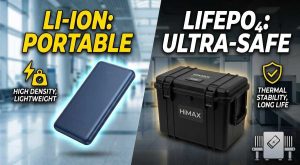
Safety is a major concern for anyone using rechargeable batteries. Lithium-ion batteries are more stable because they have strong metal casings. They tolerate misuse better and rarely swell or deform.
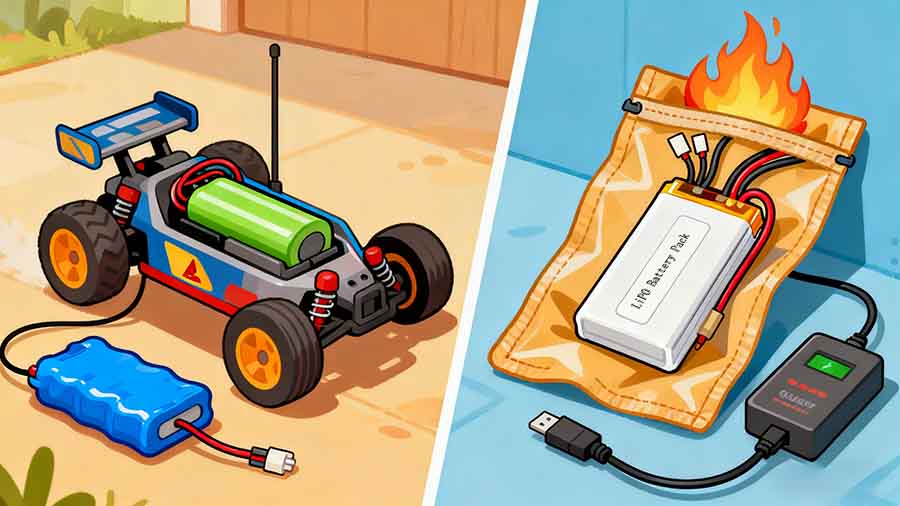
LiPo batteries require careful handling. Overcharging or puncturing the battery can cause swelling. If swelling occurs, the battery can become unsafe. This is why RC hobbyists store LiPo batteries in fireproof bags and use balance chargers.
For children’s RC toys or for users who do not want to deal with battery management, lithium-ion batteries are safer. But as long as proper charging and storage practices are followed, LiPo batteries can also be used safely.
Lithium-ion batteries usually have better energy density. This means they store more energy for their size. As a result, they provide longer run time in many cases. If your goal is to play longer without recharging, lithium-ion batteries are a strong choice.
LiPo batteries deliver more power but often have shorter run times when used at high speeds. Because they encourage fast driving, users may drain them sooner. Still, for racing or stunt driving, LiPo batteries give the best overall performance even if the run time is shorter.
Which Battery Should You Choose?
The best battery depends on how you use your toy RC car. Here is a simple guide:
- Choose lithium-ion batteries if:
- You want long run time.
- You want a safer and more stable option.
- You are using a standard toy RC car.
- You want a lower-cost battery.
- Choose lithium polymer batteries if:
- You want maximum acceleration and top speed.
- You use a hobby-grade or racing RC car.
- Your motor requires high current.
- You want the lightest possible battery.
- You are comfortable using a balance charger and safe charging procedures.
Both battery types are excellent in different scenarios. The key is to match the battery to the power requirements of your RC car.
If you are looking for high-quality lithium-ion or lithium polymer batteries for toy RC cars, HiMAX offers reliable, customizable, and high-performance battery packs designed for a wide range of RC applications. HiMAX focuses on stable output, long cycle life, and strict safety standards, ensuring your RC car performs at its best whether you are a casual player or a dedicated hobbyist. Contact HiMAX to learn more about tailored battery solutions that deliver power, performance, and confidence.
Find articles related to Cordless Phone Battery