Key Takeaways
- Choosing the right battery for an arm rehabilitation robot directly impacts safety, runtime, and therapy effectiveness.
- Core factors include energy density, discharge rate, cycle life, safety certifications, and smart battery management systems (BMS).
- Lithium-ion solutions—especially customized packs—offer the best balance of performance and reliability for medical robotics.
- Matching battery specifications to real-world rehabilitation scenarios ensures consistent patient outcomes and device longevity.
How to Choose The Right Battery Solution for The Arm Rehabilitation Robot
As rehabilitation technology advances across the healthcare system, arm rehabilitation robots are becoming essential tools in hospitals, clinics, and even home therapy environments. These devices rely heavily on high-performance battery systems to deliver smooth motion control, uninterrupted therapy sessions, and safe operation.
Selecting the right battery is not just a technical decision—it’s a critical factor that determines the overall success of the device. In this guide, we’ll walk through how to choose the ideal arm rehabilitation robot battery solution, from technical specifications to real-world applications.
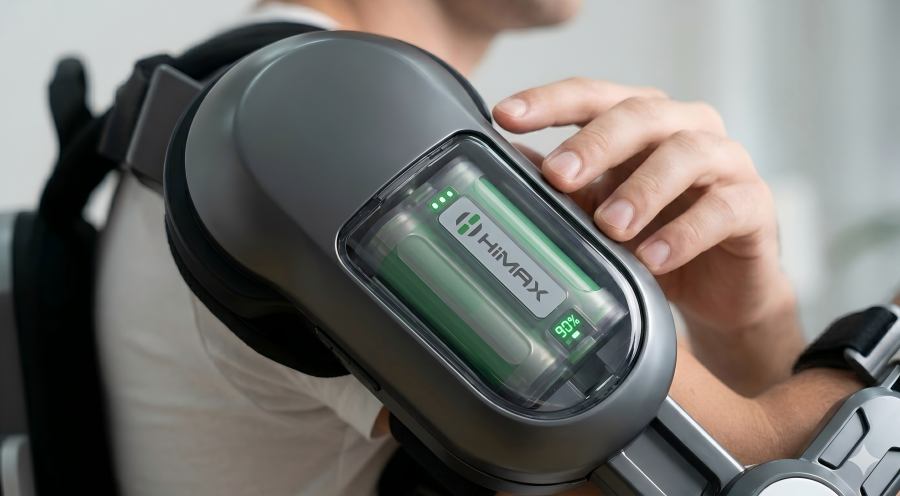
Why Battery Selection Matters in Arm Rehabilitation Robots
Unlike conventional electronics, rehabilitation robots require precise motion control, consistent torque output, and extended operation cycles. This makes battery performance a central component of system design.
A well-designed arm rehabilitation robot battery ensures:
- Stable power delivery for smooth motor operation
- Long runtime for uninterrupted therapy sessions
- Enhanced patient safety through thermal and voltage protection
- Reduced maintenance and downtime
Poor battery choices, on the other hand, can lead to inconsistent movement, overheating, or even device failure—risks that are unacceptable in medical environments.
Key Factors to Consider When Choosing a Battery Solution
- Energy Density and Runtime
Energy density determines how much power a battery can store relative to its size and weight. For arm rehabilitation robots, higher energy density translates to longer therapy sessions without increasing device bulk.
Look for lithium-ion battery packs with energy densities above 200 Wh/kg. This allows compact designs while maintaining 6–10 hours of continuous operation.
A high-performance arm rehabilitation robot battery should support full-day clinical use or multiple home therapy sessions on a single charge.
- Discharge Rate and Power Stability
Rehabilitation robots require bursts of power during movement and resistance training. Batteries must deliver consistent voltage under varying loads.
Key specs to evaluate:
- Continuous discharge rate: ≥ 2C
- Peak discharge capability: ≥ 5C
- Voltage stability: ±5% under load
A reliable arm rehabilitation robot battery ensures smooth motion without lag or jitter, which is critical for patient comfort and therapy accuracy.
- Cycle Life and Durability
In medical applications, batteries undergo frequent charge/discharge cycles. A longer cycle life reduces replacement costs and ensures consistent performance over time.
Recommended benchmarks:
- Cycle life: 800–1500 cycles
- Capacity retention: ≥ 80% after 800 cycles
Choosing a durable arm rehabilitation robot battery minimizes operational disruptions and lowers total cost of ownership.
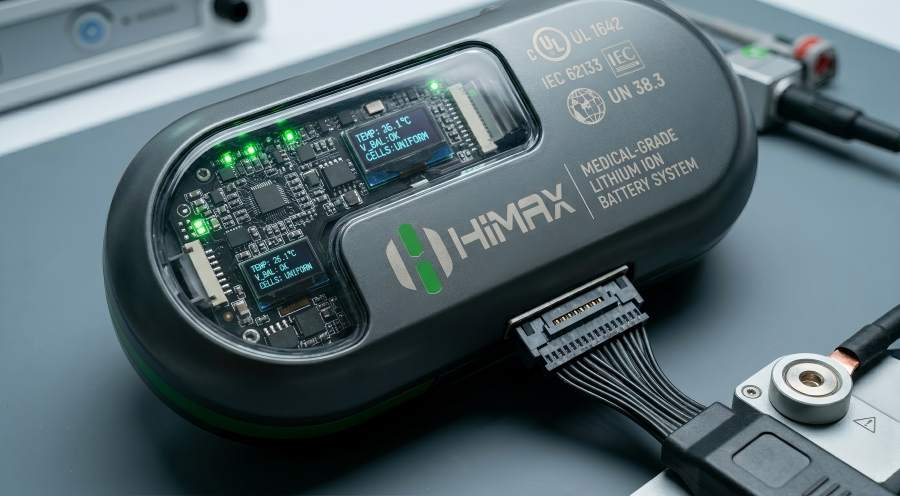
- Safety and Certification
Safety is non-negotiable in healthcare devices. Batteries must meet strict U.S. and international standards.
Look for certifications such as:
- UL 1642 / UL 2054
- IEC 62133
- UN 38.3 (transport compliance)
Additionally, an advanced Battery Management System (BMS) should include:
- Overcharge and over-discharge protection
- Short circuit protection
- Thermal monitoring
- Cell balancing
A certified arm rehabilitation robot battery ensures both patient and operator safety.
- Form Factor and Customization
Arm rehabilitation robots often have unique mechanical designs, requiring customized battery shapes and configurations.
Options include:
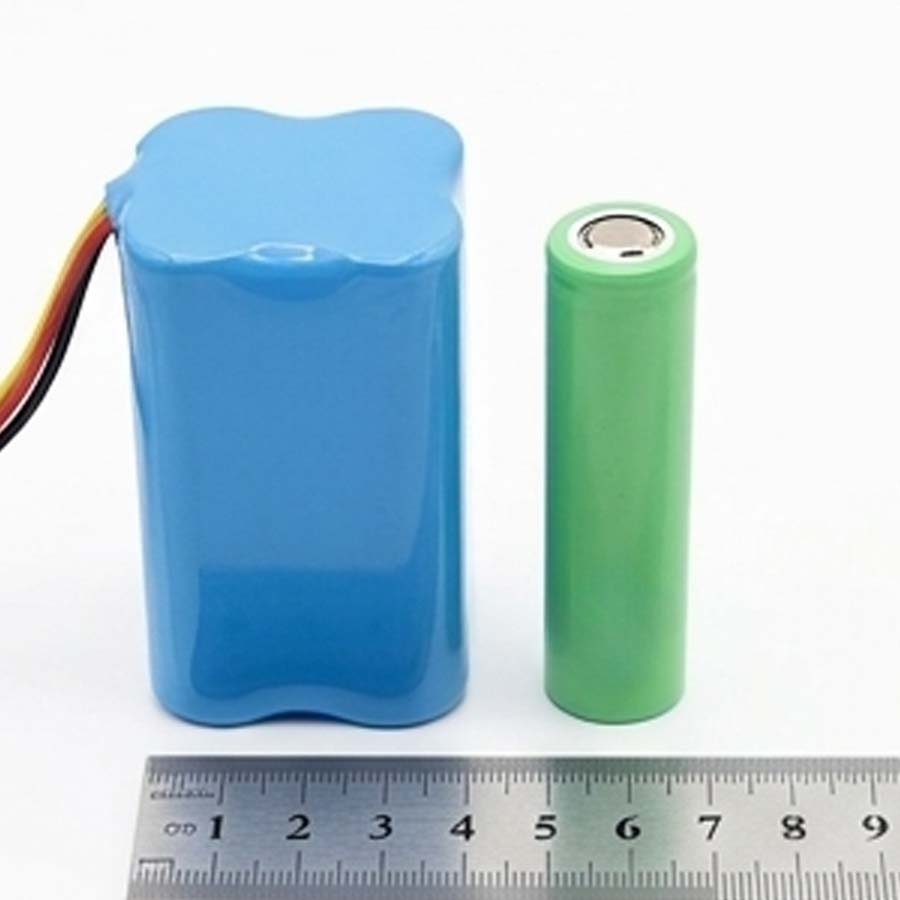
- Cylindrical cells (e.g., 18650, 21700)
- Prismatic cells for compact layouts
- Modular battery packs for easy replacement
A tailored arm rehabilitation robot battery solution allows seamless integration without compromising ergonomics or performance.
Application Scenarios
To better understand how battery selection impacts performance, let’s look at real-world use cases from U.S.-based rehabilitation providers.
Case 1: Hospital-Based Stroke Rehabilitation (Chicago, IL)
A major rehabilitation hospital in Chicago deployed robotic arm systems for post-stroke patients.
Battery Specifications:
- Voltage: 48V
- Capacity: 20Ah
- Energy: 960Wh
- Runtime: 8 hours per charge
Outcome:
The high-capacity arm rehabilitation robot battery enabled full-day therapy sessions without interruptions. Therapists reported improved workflow efficiency and reduced device downtime by 30%.
Case 2: Outpatient Clinic Therapy (Austin, TX)
An outpatient clinic specializing in sports injury recovery required lightweight, portable robotic systems.
Battery Specifications:
- Voltage: 36V
- Capacity: 10Ah
- Weight: < 3 kg
- Cycle life: 1000 cycles
Outcome:
The compact arm rehabilitation robot battery improved device portability, allowing therapists to easily move equipment between rooms. Patient throughput increased by 20%.
Case 3: Home-Based Rehabilitation (San Jose, CA)
A home healthcare provider introduced robotic therapy devices for remote patient use.
Battery Specifications:
- Voltage: 24V
- Capacity: 15Ah
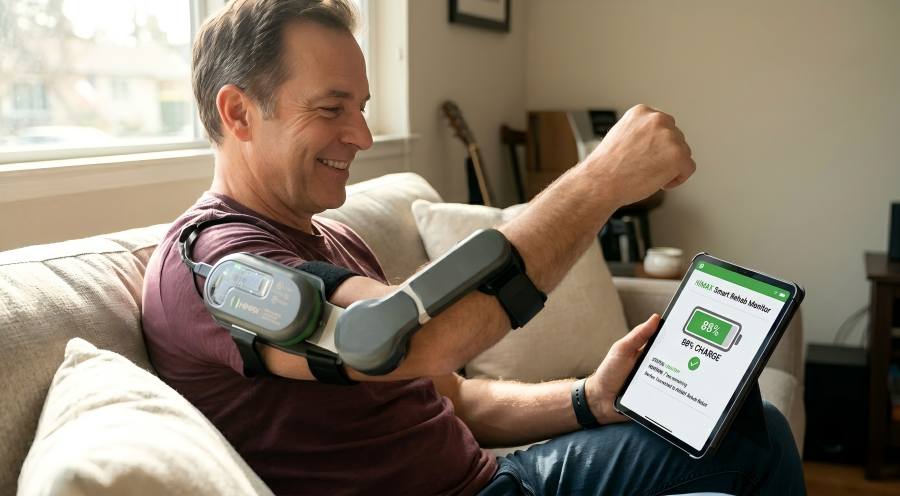
- Built-in smart BMS with Bluetooth monitoring
Outcome:
Patients benefited from extended usage and real-time battery status tracking via mobile apps. The smart arm rehabilitation robot battery enhanced user confidence and reduced service calls by 25%.
Lithium-Ion vs. Alternative Battery Technologies
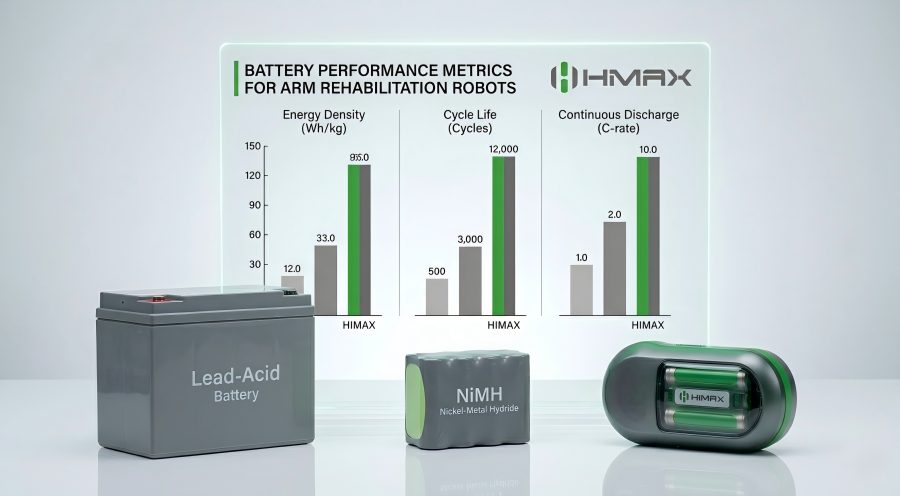
While several battery chemistries exist, lithium-ion remains the preferred choice for rehabilitation robots.
Advantages of Lithium-Ion Batteries:
- High energy density
- Low self-discharge rate
- Lightweight design
- Long cycle life
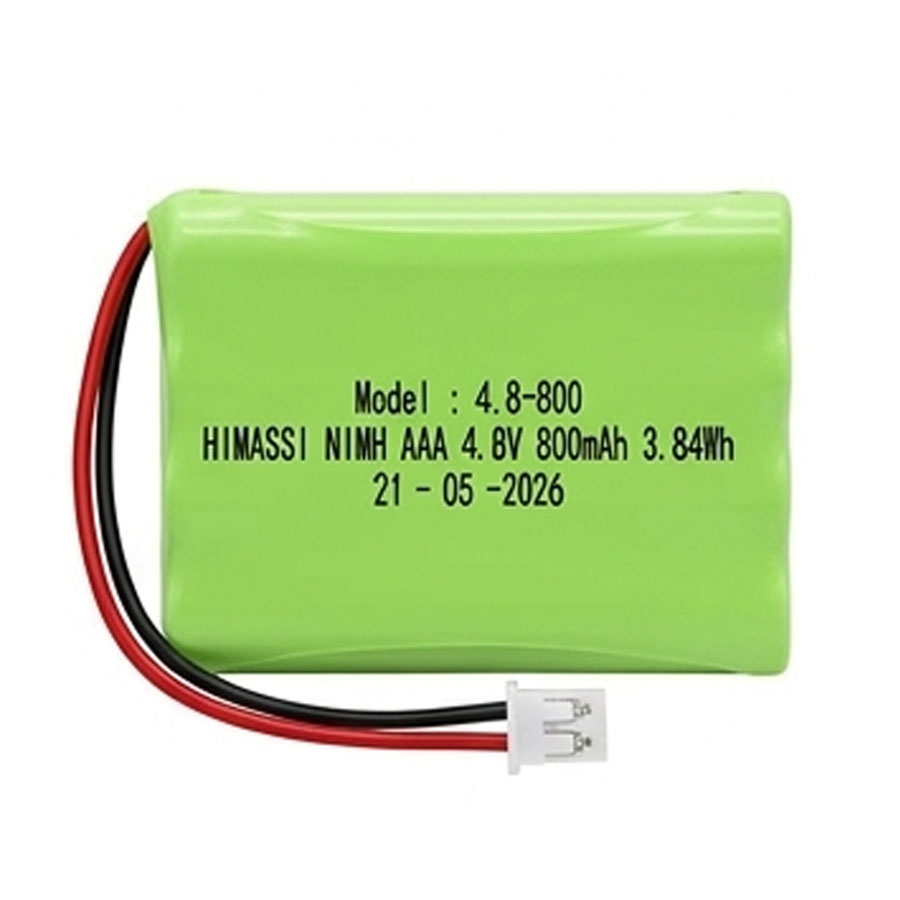
Alternative options like lead-acid or nickel-metal hydride (NiMH) fall short in terms of weight, efficiency, and lifespan.
For modern devices, a lithium-ion arm rehabilitation robot battery is the clear industry standard.
Integration Tips for OEMs and Device Designers
When integrating a battery into your rehabilitation robot, consider the following:
- Optimize thermal management with proper ventilation
- Use modular designs for easy maintenance
- Implement smart BMS for predictive diagnostics
- Ensure compliance with medical device regulations
A well-integrated arm rehabilitation robot battery not only enhances performance but also strengthens your product’s market competitiveness.
Why Choose HiMAX for Your Battery Solution
At HiMAX, we specialize in delivering high-performance lithium battery solutions tailored for advanced medical robotics. Our engineering team works closely with OEMs to design batteries that meet the unique demands of arm rehabilitation systems.
What sets HiMAX apart:
- Custom battery design for complex robotic structures
- High energy density cells for extended runtime
- Advanced BMS with multi-layer safety protection
- Full compliance with U.S. and international certifications
- Proven experience in medical and industrial applications
Whether you’re developing next-generation rehabilitation robots or upgrading existing systems, HiMAX provides reliable, safe, and efficient arm rehabilitation robot battery solutions to power your innovation.
Find articles related to HiMAX success stories
- HiMAX Battery Helps Extend the Runtime of Electric Formula Dispensers
- HiMAX Batteries Extend Hair Clipper Runtime
- HiMAX Batteries Extend the Runtime of Cleaning Robots
- HiMAX Batteries Extend Action Camera Runtime
- HiMAX Batteries Extend Speaker Playback Time
- HiMAX Batteries Extend Humanoid Robot Runtime
- HiMAX Battery Extends the Runtime of Screwdrivers
- HiMAX Batteries Extend Lawn Mower Runtime
- HiMAX Batteries Extend Wheelchair Runtime
- HiMAX Batteries Extend the Runtime of Electric Shavers
- HiMAX Batteries Extend the Runtime of Diving Equipment
- HiMAX Battery Extends the Runtime of Water Pump Equipment