Key Takeaways
- Europe’s record-breaking heatwaves are increasing the risk of battery degradation, performance loss, and unexpected system failures.
- High temperatures can accelerate battery aging, reduce available capacity, and shorten overall service life.
- Industries such as solar energy storage, telecommunications, industrial automation, medical equipment, and security systems are particularly vulnerable to heat-related battery issues.
- Selecting the right battery chemistry, implementing thermal management solutions, and deploying intelligent Battery Management Systems (BMS) are critical for long-term reliability.
- LiFePO4 batteries generally offer superior thermal stability and safety in high-temperature environments.
- Proactive heat protection strategies can significantly reduce maintenance costs, downtime, and battery replacement expenses.
Europe has experienced some of the hottest summers in recorded history over the past few years. Countries including Spain, Italy, France, Greece, and Portugal have repeatedly faced temperatures exceeding 40°C (104°F), while some regions have approached or surpassed 45°C (113°F).
For businesses relying on battery-powered systems, these extreme weather events create serious operational challenges. Whether supporting solar energy storage, telecommunications infrastructure, industrial monitoring equipment, medical devices, backup power systems, or remote sensing networks, batteries exposed to prolonged heat can experience accelerated aging and reduced reliability.
As climate change continues to increase the frequency and intensity of heatwaves across Europe, organizations must adopt effective strategies to protect their battery investments and ensure uninterrupted operations.
Why Extreme Heat Is a Serious Threat to Battery Systems
Batteries rely on chemical reactions to store and deliver energy. Temperature directly affects these reactions. While moderate warmth may temporarily improve performance, excessive heat significantly accelerates battery degradation.
Temperature Impact on Battery Performance
| Battery Temperature | Impact on Performance | Risk Level |
| 20°C–25°C (68°F–77°F) | Optimal Performance | Very Low |
| 30°C–35°C (86°F–95°F) | Slight Capacity Reduction | Low |
| 35°C–45°C (95°F–113°F) | Accelerated Aging | Moderate |
| 45°C–55°C (113°F–131°F) | Significant Capacity Loss | High |
| Above 55°C (131°F) | Potential Safety Risks | Critical |
Common Heat-Related Battery Problems
- Faster capacity degradation
- Reduced cycle life
- Increased self-discharge
- Charging inefficiencies
- Cell imbalance
- Battery swelling
- Frequent BMS shutdowns
- Elevated thermal runaway risks
For businesses operating hundreds or thousands of battery-powered devices, even a small decrease in battery lifespan can result in substantial replacement and maintenance costs.
Industry Solution #1: Select Battery Chemistry Designed for High Temperatures
The first and most important decision is choosing a battery chemistry capable of handling elevated temperatures.
Comparison of Common Rechargeable Battery Chemistries
| Battery Type | Thermal Stability | Typical Cycle Life | Suitability for Hot Environments |
| Lead-Acid | Low | 300–500 Cycles | Poor |
| NiMH | Moderate | 500–1,000 Cycles | Fair |
| NMC Lithium-Ion | Good | 1,000–2,000 Cycles | Good |
| LiFePO4 | Excellent | 3,000–6,000+ Cycles | Excellent |
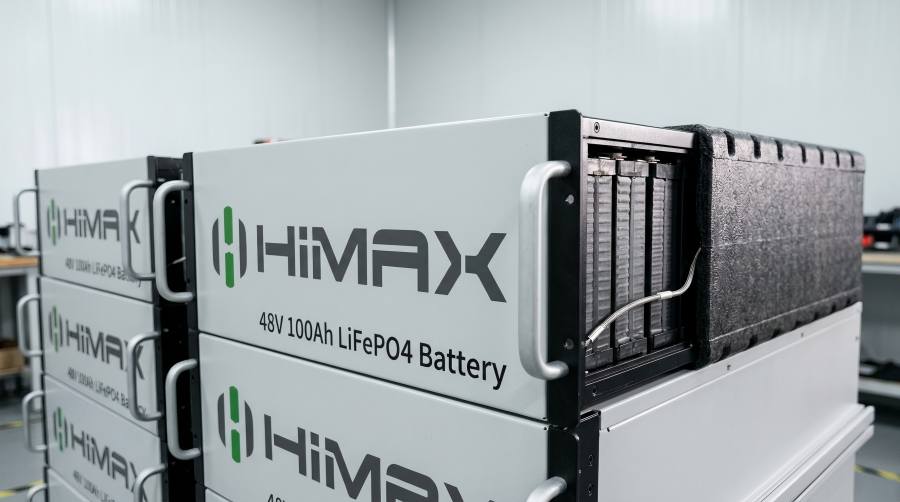
Among these technologies, LiFePO4 batteries have become the preferred solution for many industrial and commercial applications due to their:
- Superior thermal stability
- Enhanced safety characteristics
- Longer service life
- Lower thermal runaway risk
- Better performance during prolonged exposure to heat
For outdoor applications across Southern Europe, LiFePO4 batteries often provide the most reliable long-term solution.
Industry Solution #2: Implement Effective Thermal Management Systems
Even the best battery chemistry benefits from proper temperature control.
Thermal management systems help maintain battery temperatures within safe operating limits and reduce heat-related stress.
Passive Cooling Solutions
Passive cooling methods are cost-effective and require minimal maintenance.
Examples include:
- Aluminum heat sinks
- Ventilated battery enclosures
- Reflective exterior coatings
- Thermal insulation materials
- Heat-dissipating mounting structures
Active Cooling Solutions
Larger battery systems often require active cooling technologies.
| Cooling Method | Typical Application |
| Forced-Air Cooling | Telecom Cabinets |
| HVAC-Controlled Battery Rooms | Data Centers |
| Smart Cooling Cabinets | Industrial Equipment |
| Liquid Cooling Systems | Large Energy Storage Systems |
A properly designed cooling system can reduce internal battery temperatures by 10°C–15°C, significantly extending battery lifespan.
Industry Solution #3: Optimize Charging Practices During Heatwaves
Charging batteries during extreme heat can generate additional internal temperatures and increase stress on battery cells.
Organizations should adjust charging strategies during heatwave conditions.
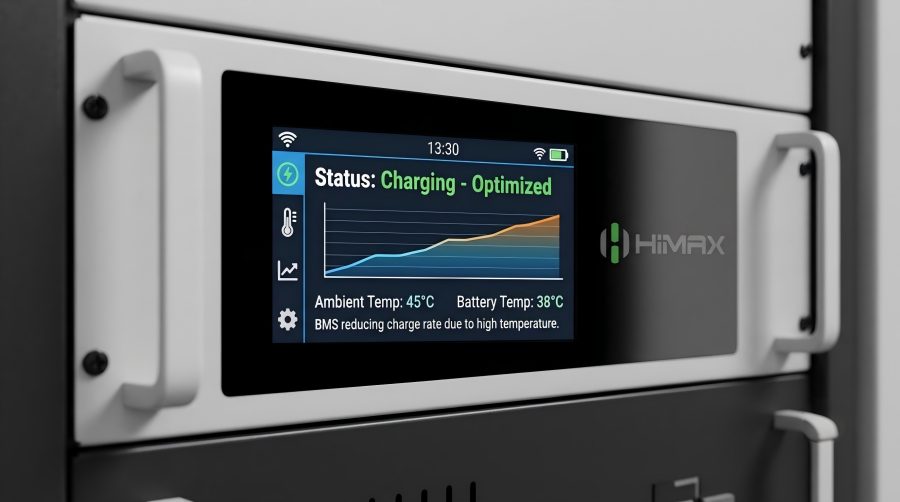
Recommended Charging Guidelines
| Ambient Temperature | Recommended Charging Practice |
| Below 30°C (86°F) | Normal Charging |
| 30°C–40°C (86°F–104°F) | Reduce Fast Charging |
| Above 40°C (104°F) | Lower Charging Current |
| Above 50°C (122°F) | Delay Charging if Possible |
Additional recommendations include:
- Schedule charging during evening hours
- Avoid direct sunlight exposure
- Monitor battery temperatures continuously
- Reduce unnecessary fast charging cycles
These practices help minimize heat accumulation and preserve long-term battery health.
Industry Solution #4: Utilize Advanced Battery Management Systems (BMS)
A modern Battery Management System serves as the first line of defense against heat-related battery failures.
Key BMS Protection Features
- Real-time temperature monitoring
- High-temperature alerts
- Cell balancing
- Overcharge protection
- Over-discharge protection
- Data logging
- Remote diagnostics
- Predictive maintenance capabilities
An intelligent BMS can automatically reduce charging rates or disconnect the battery when unsafe temperatures are detected, preventing costly damage.
Industry Solution #5: Upgrade Battery Enclosures for Extreme Weather
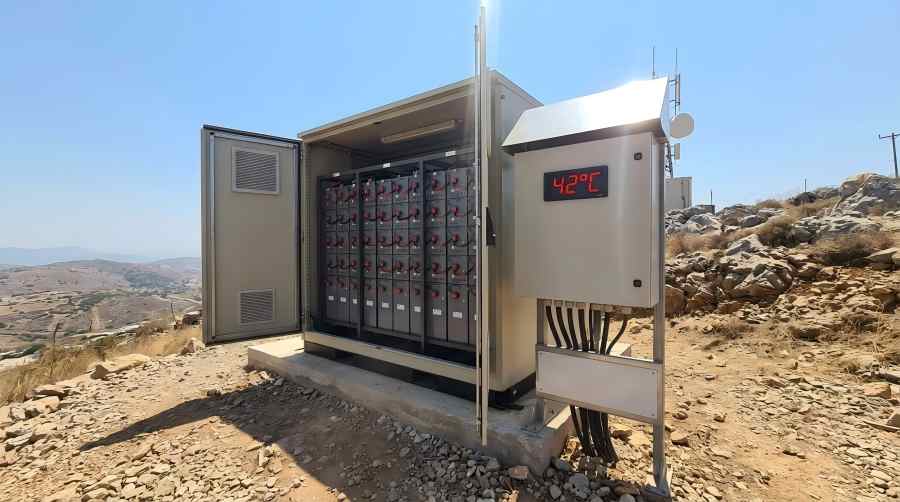
Many outdoor battery systems fail because their enclosures were not designed for prolonged exposure to direct sunlight and extreme temperatures.
Solar radiation can increase enclosure temperatures by 15°C–25°C above ambient conditions.
Recommended Battery Enclosure Features
| Feature | Benefit |
| IP65+ Protection | Weather Resistance |
| UV-Resistant Materials | Longer Service Life |
| Reflective Exterior Coating | Reduced Heat Absorption |
| Double-Wall Construction | Improved Thermal Isolation |
| Ventilation Systems | Better Airflow |
| Thermal Insulation | Lower Internal Temperatures |
Proper enclosure design can significantly improve battery reliability during summer heatwaves.
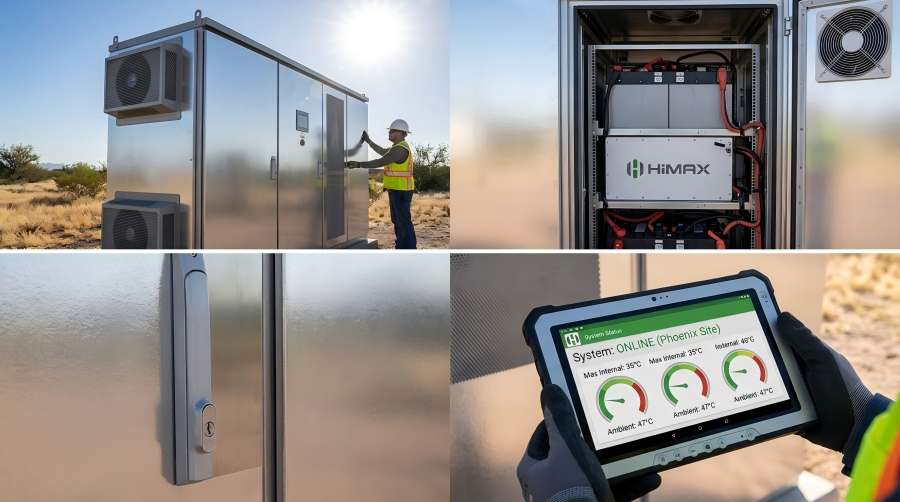
Application Scenario #1: Solar Energy Storage in Arizona
Project Parameters
Location: Phoenix, Arizona
Battery Configuration:
- 2V 200Ah LiFePO4 Battery Bank
- Total Energy Storage: 10.24kWh
- Outdoor Solar Installation
Environmental Conditions:
- Average Summer Temperature: 41°C (106°F)
- Peak Temperature: 47°C (117°F)
Challenge
Battery cabinet temperatures frequently exceeded 55°C (131°F), triggering thermal warnings and reducing system efficiency.
Solution
The operator implemented:
- Reflective enclosure coatings
- Smart ventilation fans
- Remote temperature monitoring
- BMS temperature alarms
Results
- Internal battery temperature reduced by 12°C
- Estimated battery lifespan increased by approximately 30%
- Elimination of heat-related shutdown events
Application Scenario #2: Telecom Backup Power System in Texas
Project Parameters
Location: Dallas, Texas
Battery System:
- 48V 100Ah LiFePO4 Battery Pack
- Outdoor Telecom Tower Backup Power
Operating Conditions:
- 24/7 Continuous Operation
- Peak Summer Temperature: 44°C (111°F)
Challenge
Frequent overheating alerts and accelerated battery degradation increased maintenance costs.
Solution
The provider upgraded to:
- High-temperature-rated LiFePO4 batteries
- Smart BMS monitoring
- Ventilated equipment cabinets
Results
- 35% reduction in field maintenance visits
- Improved backup runtime reliability
- Lower annual battery replacement costs
Application Scenario #3: Industrial Monitoring Equipment in Nevada
Project Parameters
Location: Las Vegas, Nevada
Battery System:
- 8V 20Ah LiFePO4 Battery
- Solar-Powered Remote Monitoring Sensors
Environmental Conditions:
- Summer Peak Temperature: 46°C (115°F)
Challenge
Traditional lead-acid batteries required replacement approximately every 18 months.
Solution
The company deployed custom LiFePO4 battery packs equipped with thermal protection and advanced BMS technology.
Results
- Battery service life extended beyond 5 years
- Maintenance costs reduced by more than 60%
- Improved monitoring system uptime
Frequently Asked Questions
What temperature is too hot for a battery?
Most rechargeable lithium batteries begin experiencing accelerated aging above 35°C (95°F). Temperatures above 45°C (113°F) significantly increase degradation rates and safety risks.
Are LiFePO4 batteries better for hot climates?
Yes. LiFePO4 batteries offer excellent thermal stability, enhanced safety, and superior performance in high-temperature environments compared to many other lithium battery chemistries.
Should batteries be charged during a heatwave?
They can be charged, but charging should ideally occur during cooler nighttime or early morning hours. Charging currents may also need to be reduced when ambient temperatures are extremely high.
How does a Battery Management System protect batteries during extreme heat?
A BMS continuously monitors battery temperature and can automatically limit charging, balance cells, issue alerts, or disconnect the battery if unsafe conditions are detected.
Which industries are most affected by battery overheating?
Industries that heavily rely on outdoor battery systems include:
- Solar Energy Storage
- Telecommunications
- Industrial Automation
- Medical Equipment
- Security Systems
- Remote Monitoring Infrastructure
- Backup Power Systems
Try Choose HiMAX Battery Solutions
HiMAX is a trusted global manufacturer specializing in custom rechargeable battery solutions for demanding commercial and industrial applications. We provide high-performance battery packs designed to deliver reliable operation even in challenging environments, including regions experiencing extreme summer heat.
Our product portfolio includes:
- Custom LiFePO4 Battery Packs
- Lithium-Ion Battery Packs
- LiPo Battery Solutions
- NiMH Battery Packs
- Energy Storage Battery Systems
- OEM & ODM Battery Manufacturing Services
As Europe continues to face record-breaking heatwaves, partnering with HiMAX helps ensure your battery systems remain safe, efficient, and dependable when temperatures reach their highest levels.
Find articles related to LiFePO4 Batteries
- Emergency Flashlight Battery Buying Guide
- 2026 Online Buying Guide for Camping Lanterns Batteries
- 2026 Online Buying Guide for Electric Sightseeing Vehicle Batteries
- How to Choose the Right Battery Solution for Electric Boat
- The Forestry Agencies’ Secret: Why It’s Finally Time to Switch to LiFePO4 Batteries for Forest Monitoring Systems
- Security Check Inquiry: Why Don’t Portable Power Banks Use Lithium Iron Phosphate (LiFePO₄) Batteries?
- Hospital Procurement Department Tip: Why It’s Time to Equip Your Portable Ventilators with Rechargeable Lithium Iron Phosphate (LiFePO₄) Batteries