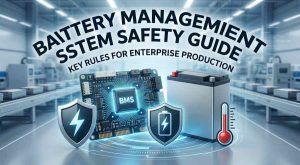
Battery Management System Safety Guide: Key Rules Not to Be Missed in Enterprise Production Processes
Key Takeaways
- A Battery Management System (BMS) is the safety backbone of every lithium battery pack.
- Proper BMS design and production processes help prevent overcharging, overheating, short circuits, and thermal runaway.
- Enterprise battery manufacturers should implement strict testing, traceability, and quality control procedures.
- Multi-layer protection strategies significantly improve battery reliability and lifespan.
- Real-world industrial applications require customized BMS configurations based on voltage, capacity, current, and operating environment.
- Following BMS safety best practices can reduce warranty claims, production risks, and operational downtime.
As lithium-ion and LiFePO4 batteries continue to power industrial equipment, energy storage systems, medical devices, robotics, and electric vehicles, the importance of Battery Management System safety has never been greater. A well-designed Battery Management System not only protects battery cells but also ensures long-term performance, operational stability, and regulatory compliance.
For battery manufacturers, system integrators, and OEMs, understanding and implementing proper BMS safety procedures is essential. This guide explains the key rules every enterprise should follow during battery production processes to ensure safe, reliable, and high-performing battery packs.
What Is a Battery Management System
A Battery Management System (BMS) is an electronic control system that monitors and manages the operation of rechargeable battery packs.
The primary role of a BMS is to ensure that every battery cell operates within safe parameters. Without proper management, even premium battery cells can experience premature degradation, performance loss, or safety incidents.
Modern Battery Management Systems typically perform the following functions:
- Cell voltage monitoring
- Temperature monitoring
- Current monitoring
- State of Charge (SOC) estimation
- State of Health (SOH) monitoring
- Cell balancing
- Overcharge protection
- Over-discharge protection
- Overcurrent protection
- Short-circuit protection
Why Battery Management System Safety Matters in Enterprise Production
Battery safety incidents can result in significant financial and operational consequences.
Potential risks include:
- Product recalls
- Equipment failures
- Manufacturing downtime
- Warranty claims
- Property damage
- Regulatory penalties
- Brand reputation loss
For enterprise battery manufacturers, safety cannot be treated as an afterthought. It must be integrated into every stage of the production process, from battery cell selection to final product testing.
A robust BMS safety strategy helps manufacturers:
- Improve product reliability
- Extend battery service life
- Meet international safety standards
- Reduce field failures
- Increase customer confidence
Rule #1: Match the BMS to the Battery Chemistry
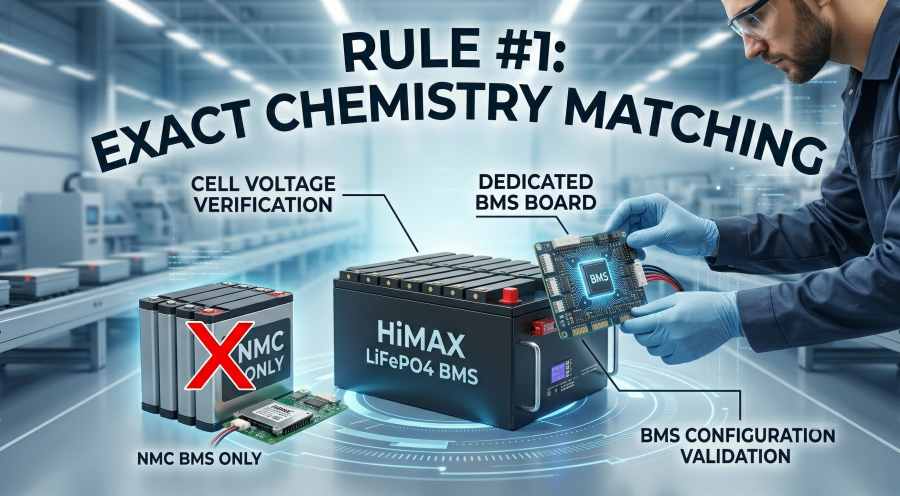
One of the most critical safety requirements is ensuring that the Battery Management System is specifically designed for the battery chemistry being used.
Different battery chemistries have different voltage characteristics and safety requirements.
Common battery chemistries include:
- Lithium-ion (NMC)
- Lithium Iron Phosphate (LiFePO4)
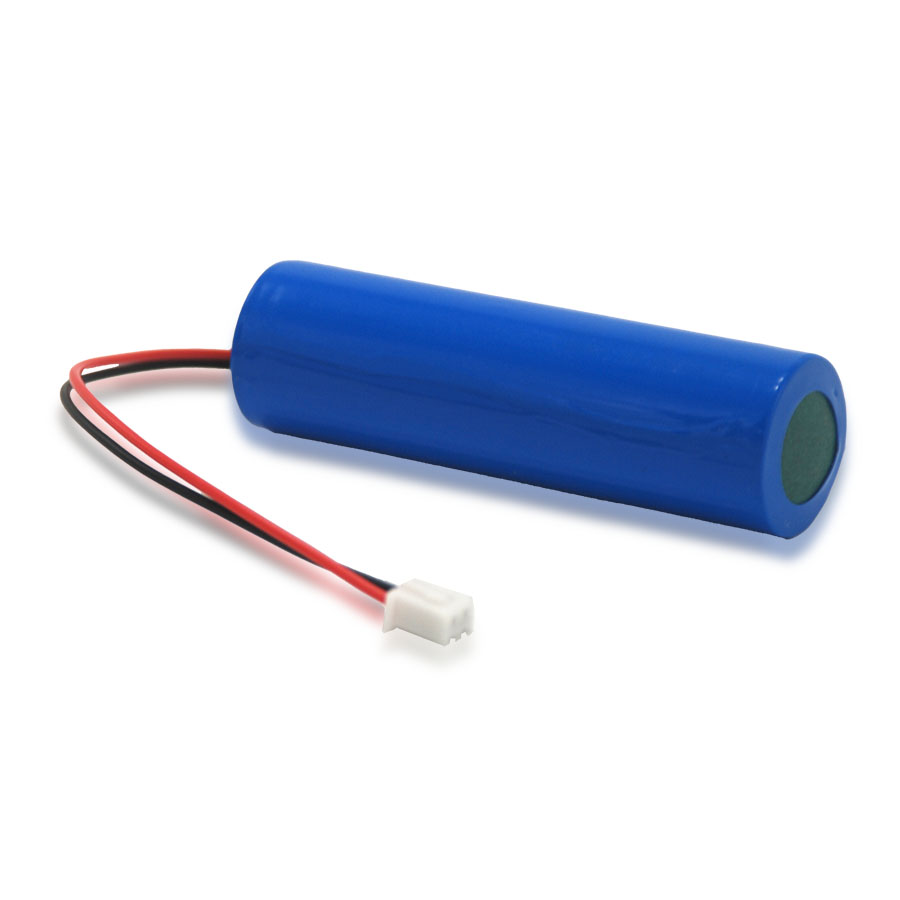
- Lithium Polymer (LiPo)
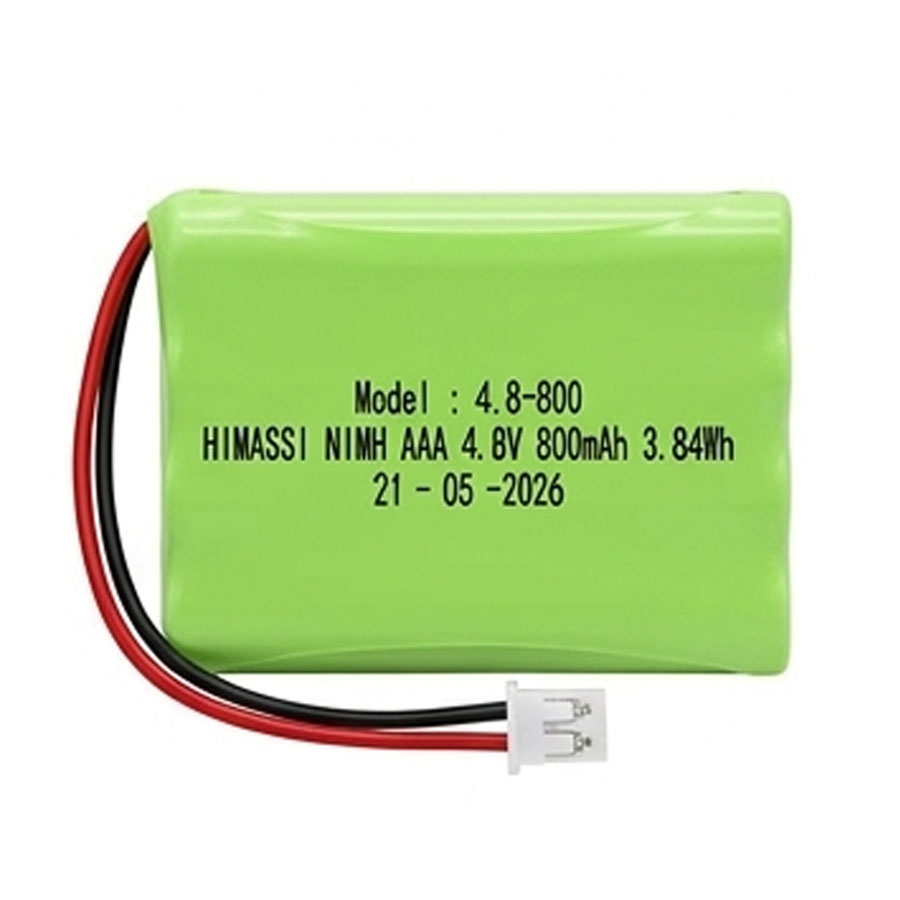
- Nickel Metal Hydride (NiMH)
For example, a LiFePO4 battery pack typically has a nominal cell voltage of 3.2V, while a lithium-ion NMC cell typically operates at 3.6V to 3.7V.
Using an incorrect BMS configuration can result in inaccurate voltage monitoring and unsafe operating conditions.
Before production begins, manufacturers should validate:
- Cell chemistry
- Cell voltage range
- Maximum charging current
- Maximum discharge current
- Operating temperature limits
Rule #2: Implement Multiple Layers of Protection
Industrial battery packs should never rely on a single protection mechanism.
Instead, manufacturers should implement multiple protection layers to ensure safe operation under various conditions.
Essential protection functions include:
Overcharge Protection
Prevents battery cells from exceeding their maximum voltage limit.
Over-Discharge Protection
Stops cells from discharging below safe voltage levels.
Overcurrent Protection
Protects against excessive current during charging and discharging.
Short-Circuit Protection
Quickly disconnects the battery when abnormal current spikes occur.
Temperature Protection
Monitors cell temperatures and shuts down operation if unsafe temperatures are detected.
Cell Imbalance Protection
Prevents excessive voltage differences between cells.
Layered protection significantly reduces the risk of catastrophic battery failures.
Rule #3: Ensure Accurate Temperature Monitoring
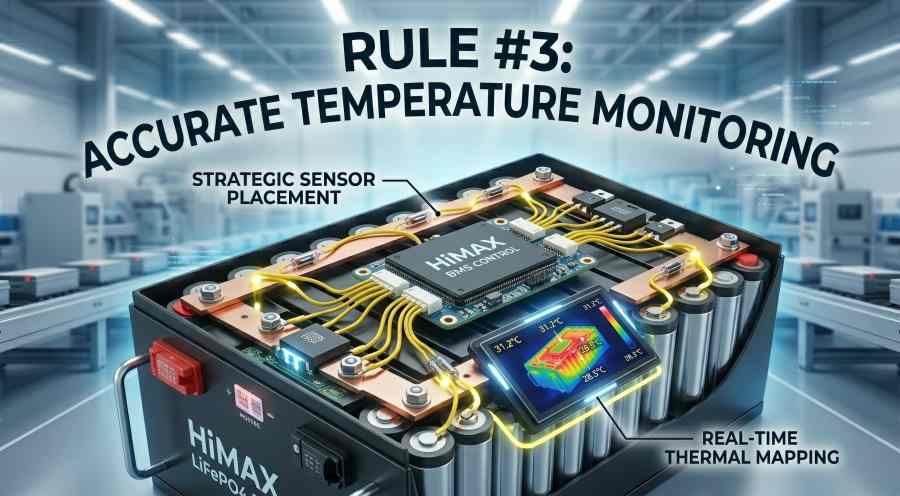
Temperature is one of the most important indicators of battery health and safety.
Improper temperature management can lead to:
- Accelerated cell degradation
- Reduced cycle life
- Capacity loss
- Thermal runaway
Temperature sensors should be strategically placed in locations most likely to experience heat buildup.
Recommended monitoring points include:
- Cell clusters
- Busbars
- MOSFET modules
- Charging terminals
Accurate sensor placement allows the BMS to detect abnormal thermal conditions before they become safety hazards.
Rule #4: Establish Strict Cell Balancing Procedures
No two battery cells are perfectly identical.
Over time, small differences in capacity and internal resistance can create voltage imbalances within a battery pack.
Without balancing, these differences can lead to:
- Reduced battery capacity
- Faster aging
- Safety risks
- Premature battery failure
Modern BMS solutions use passive or active balancing technologies to maintain voltage consistency across all cells.
Manufacturers should verify balancing performance during production and quality inspections.
Rule #5: Perform 100% Functional Testing
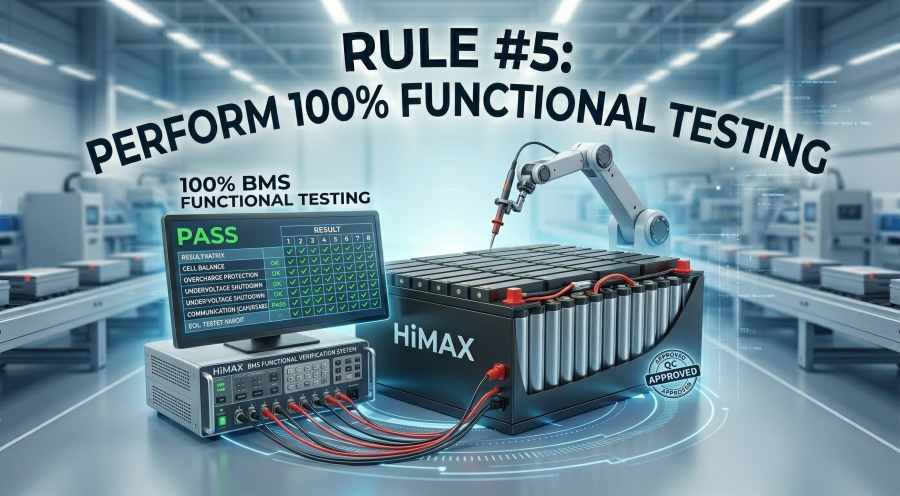
Every battery pack should undergo comprehensive testing before shipment.
Skipping BMS verification can allow hidden defects to reach customers.
Key tests should include:
- Cell voltage verification
- Current measurement accuracy
- Temperature sensor validation
- Overcharge protection testing
- Over-discharge protection testing
- Short-circuit protection testing
- Communication interface testing
- Cell balancing functionality testing
Comprehensive testing improves product reliability and reduces post-sale issues.
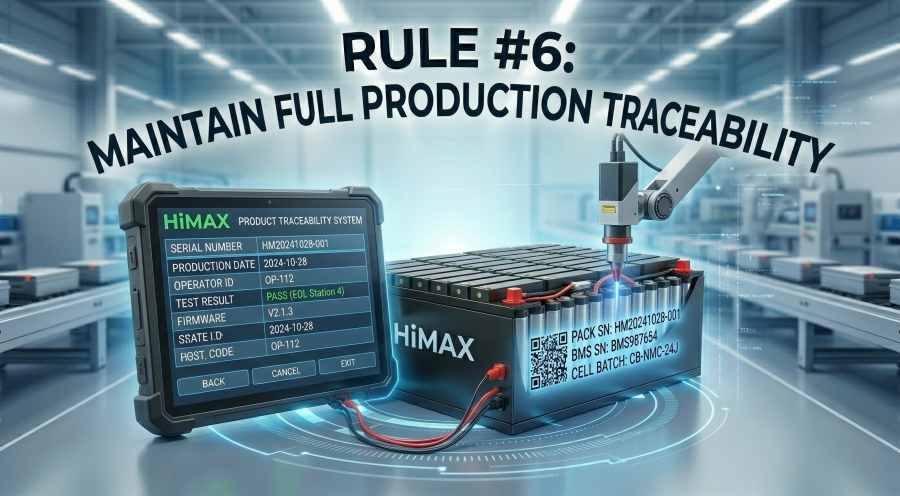
Rule #6: Maintain Full Production Traceability
Traceability is a critical component of modern battery manufacturing.
Each battery pack should have a complete production history, including:
- Battery cell batch numbers
- BMS serial numbers
- Firmware versions
- Production dates
- Operator records
- Testing results
Traceability enables manufacturers to quickly identify and resolve quality issues if problems occur in the field.
It also supports compliance with industry quality management systems.
Application Scenarios
Scenario 1: Automated Warehouse Robot Battery System
Application Parameters
- Battery Type: LiFePO4
- Voltage: 51.2V
- Capacity: 100Ah
- Continuous Discharge Current: 80A
- Peak Current: 120A
- Operating Temperature: -10°C to 50°C
BMS Safety Requirements
Warehouse robots often operate continuously throughout multiple shifts.
The Battery Management System must provide:
- Real-time temperature monitoring
- Cell balancing
- Overcurrent protection
- CAN communication
- Fault diagnostics
A BMS failure could halt warehouse operations and significantly impact productivity.
Scenario 2: Solar Energy Storage Battery System
Application Parameters
- Battery Type: LiFePO4
- System Voltage: 51.2V
- Capacity: 280Ah
- Energy Storage Capacity: 14.3kWh
- Cycle Life Requirement: 6,000+ cycles
- Outdoor Installation Environment
BMS Safety Requirements
Energy storage batteries face daily charging and discharging cycles.
The BMS must ensure:
- Accurate SOC calculations
- Thermal protection
- Cell balancing
- Inverter communication compatibility
- Long-term performance monitoring
Proper battery management helps maximize return on investment and system lifespan.
Scenario 3: Electric Forklift Battery Pack
Application Parameters
- Battery Type: LiFePO4
- Voltage: 80V
- Capacity: 300Ah
- Continuous Current: 250A
- Peak Current: 400A
- Daily Operation Time: 12–16 hours
BMS Safety Requirements
Forklifts operate under demanding high-current conditions.
The Battery Management System should provide:
- Fast overcurrent detection
- Short-circuit protection
- High-temperature monitoring
- Predictive maintenance functions
- Real-time operational diagnostics
These features help reduce downtime and improve fleet efficiency.
Scenario 3: Medical Equipment Backup Power System
Application Parameters
- Battery Type: Lithium-ion
- Voltage: 24V
- Capacity: 40Ah
- Runtime Requirement: 8 hours
- Charging Cycles: 1,000+
BMS Safety Requirements
Medical equipment demands extremely high reliability.
The Battery Management System must ensure:
- Precise voltage monitoring
- Redundant safety mechanisms
- Reliable fault reporting
- Accurate capacity estimation
Consistent battery performance is essential for uninterrupted operation.
Common Battery Management System Safety Mistakes
Even experienced manufacturers can make mistakes that compromise battery safety.
Common issues include:
Using Low-Quality Electronic Components
Poor-quality MOSFETs, connectors, or sensors can increase failure rates.
Inadequate Thermal Design
Insufficient heat dissipation can create dangerous operating conditions.
Incomplete Firmware Validation
Software errors can negatively affect battery protection functions.
Poor Cell Matching
Large differences in cell performance can reduce pack reliability.
Insufficient End-of-Line Testing
Failure to fully test battery packs increases the likelihood of field failures.
Avoiding these mistakes significantly improves product quality and safety.
Why Choose HiMAX for Safe and Reliable Battery Solutions?
At HiMAX, safety is integrated into every stage of battery design and manufacturing. Our engineering team develops advanced lithium-ion and LiFePO4 battery solutions equipped with intelligent Battery Management Systems that provide comprehensive protection against overcharging, over-discharging, overcurrent events, short circuits, and excessive temperatures.
Every battery pack undergoes rigorous testing, validation, and quality control procedures to ensure dependable performance in demanding industrial applications. From energy storage systems and medical devices to robotics, marine equipment, AGVs, and electric vehicles, HiMAX delivers customized battery solutions designed for maximum safety, efficiency, and longevity.