In everyday life, alarm clocks remain an essential small appliance for many households, students, and office workers. Whether it is a bedside alarm clock, a student alarm clock, or a travel alarm clock, stable operation depends on the right battery. Choosing the correct battery not only ensures the alarm rings on time but also reduces the inconvenience of frequent replacements. This guide focuses on alarm clock batteries, covering battery types, sizes, voltage, usage scenarios, and buying tips to help you select the battery that truly fits your alarm clock.
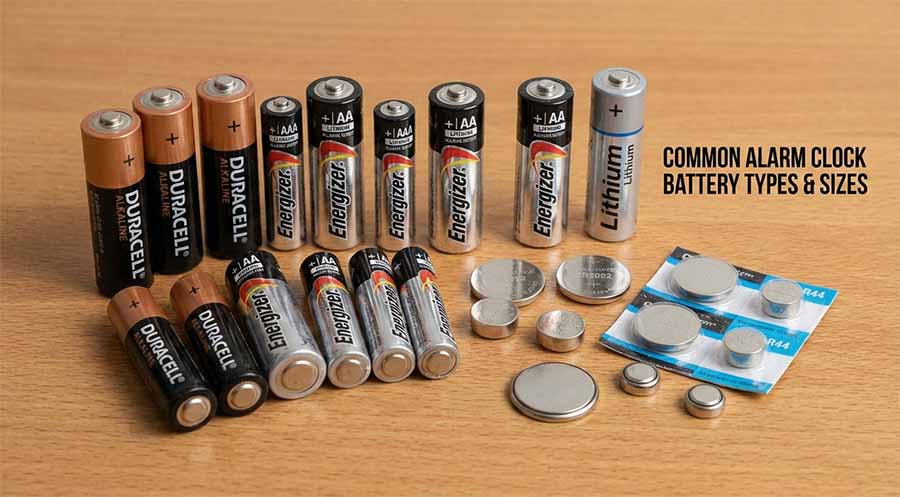
Comparison Table of Common Alarm Clock Battery Types
| Battery Type | Typical Voltage | Key Advantages | Main Disadvantages | Suitable Alarm Clock Types | Buying Recommendation |
| Carbon-Zinc Battery | 1.5V | Low cost, widely available | Low capacity, unstable discharge, prone to leakage | Older alarm clocks, low-frequency use alarm clocks | Not recommended for long-term use; suitable only for temporary replacement |
| Alkaline Battery | 1.5V | Large capacity, stable discharge, long lifespan | Slightly more expensive than carbon-zinc batteries | Home bedside alarm clocks, student alarm clocks, electronic alarm clocks | The mainstream choice for alarm clock batteries, offering high cost performance |
| Lithium Battery | 1.5V / 3V | Low self-discharge, good low-temperature performance, stable voltage | Higher cost | High-end alarm clocks, travel alarm clocks, low-power devices | Ideal for users who require high stability |
Comparison Table of Common Alarm Clock Battery Sizes
| Battery Size | Common Model | Physical Size | Capacity Performance | Suitable Alarm Clock Types | Usage Characteristics |
| AA Battery | LR6 | Larger | High | Home bedside alarm clocks, multifunction electronic alarm clocks | Long operating time, lower replacement frequency |
| AAA Battery | LR03 | Smaller | Medium | Mini alarm clocks, student alarm clocks, travel alarm clocks | Compact size, easy to carry |
| Button Cell Battery | CR2032, etc. | Very small | Relatively low | Ultra-thin alarm clocks, minimalist desktop alarm clocks | High stability, suitable for low-power designs |
Alarm Clock Battery Voltage and Compatibility
Most alarm clocks are designed to use 1.5V batteries. Whether AA, AAA, or button cell batteries are used, their nominal voltage is generally the same. However, different battery types behave differently in their discharge curves.
For example, alkaline batteries tend to experience a noticeable voltage drop toward the later stages of use, while lithium batteries maintain a more stable voltage throughout most of their lifespan. This explains why some users notice that their alarm clock starts running slower shortly after replacing the battery. Therefore, when choosing an alarm clock battery, it is important not only to check the rated voltage but also to consider voltage stability.
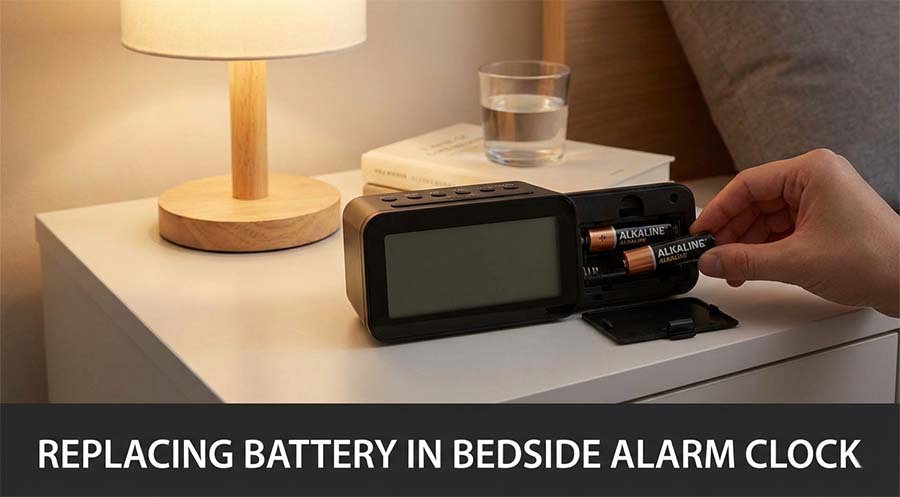
Alarm Clock Battery Recommendations for Different Usage Scenarios
Home alarm clocks typically operate around the clock and require high stability. High-quality alkaline batteries or lithium batteries are recommended to minimize frequent replacements.
Student alarm clocks are used frequently but usually have simpler functions. AA or AAA alkaline batteries are sufficient, providing a good balance between cost-effectiveness and stable performance.
Travel alarm clocks often require long standby times and must perform reliably in changing environments. Low self-discharge lithium batteries or high-performance alkaline batteries are more suitable, helping prevent power loss at critical moments.
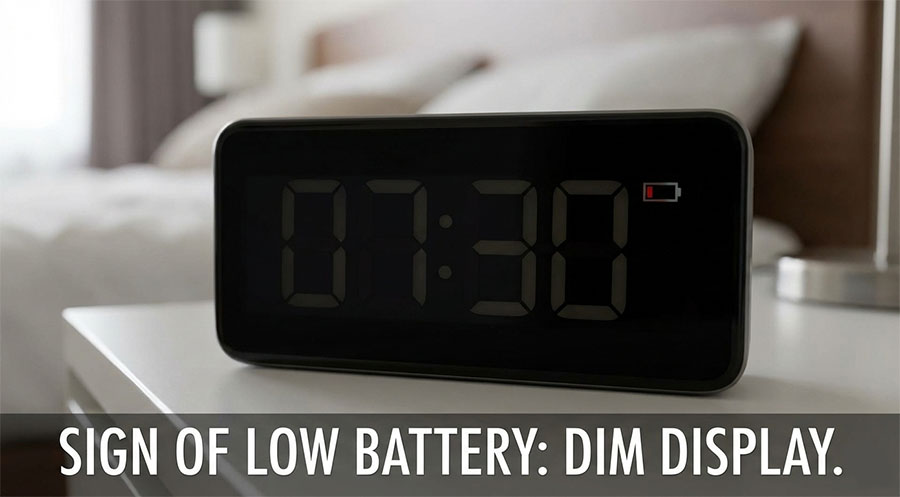
How to Tell When an Alarm Clock Battery Needs Replacement
Many users only realize the battery is depleted after the alarm clock stops working. In fact, there are several signs that can help you identify the need for replacement in advance, such as:
● The clock runs noticeably slower
● The alarm sound becomes weak or intermittent
● The backlight becomes dim or fails to turn on
When these signs appear, replacing the alarm clock battery promptly can help avoid inconvenience caused by missed alarms.
Tips for Using and Storing Alarm Clock Batteries
Proper use and storage can effectively extend battery life. The following tips are recommended:
● Remove the battery if the alarm clock will not be used for a long time to prevent leakage
● Do not mix batteries of different brands or different levels of wear
● Store batteries in a cool, dry place
These small habits play an important role in protecting your alarm clock and improving the overall user experience.
HiMAX Alarm Clock Battery Recommendation
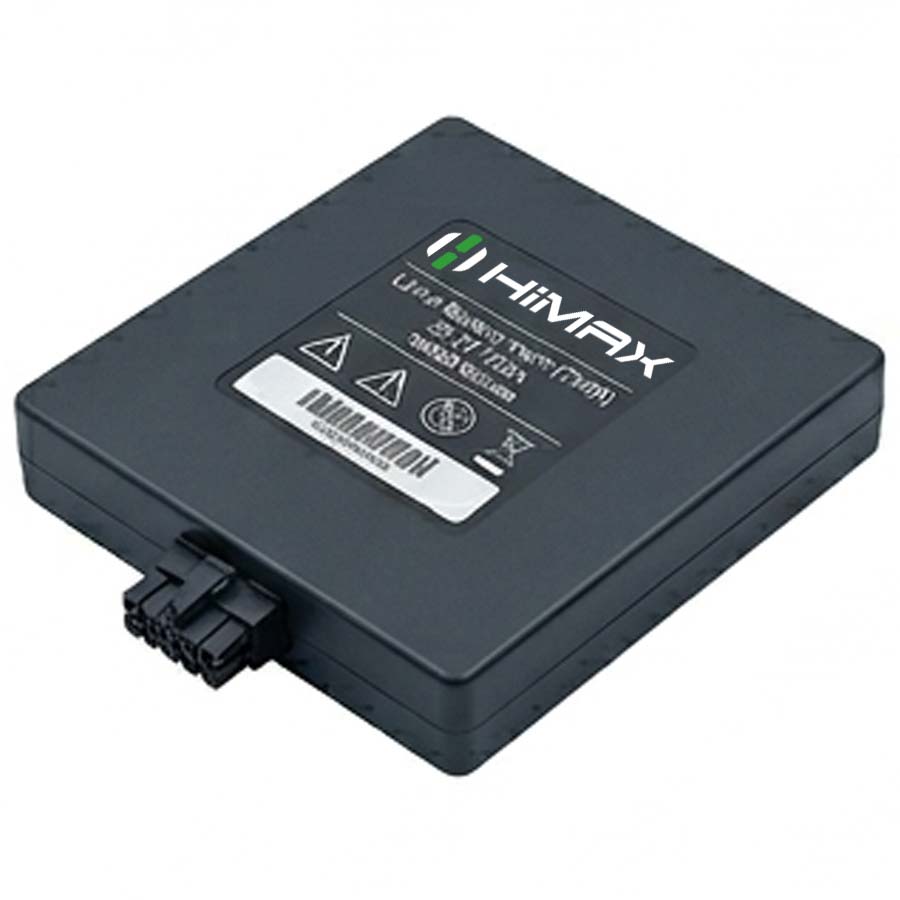
If you are looking for an alarm clock battery that combines stability and durability, HiMAX is a reliable choice. HiMAX alarm clock batteries use stable discharge technology to deliver long-lasting and consistent voltage output, ensuring accurate timekeeping and strong alarm sound. Whether for home alarm clocks, student alarm clocks, or travel alarm clocks, HiMAX provides highly compatible and long-lasting battery solutions that reduce the hassle of frequent replacements and help every morning start right on time.
Find articles related to lithium-ion batteries
- Home Backup Generator Battery Selection Guide
- Lighting Battery Buying Guide
- Camera Battery Buying Guide
- Hair Clipper Battery Buying Guide
- Scrubber and Sweeper Battery Buying Guide
- Power Tool Battery Buying Guide
- Winter Lithium-Ion Battery Maintenance Guide
- Application Scenarios for 6 Common Lithium-Ion Battery Voltages (3.7V~22.2V)