Key Takeaways
- The best radio battery depends on runtime, charging speed, operating environment, and how frequently the radio is used.
- Commercial users should prioritize high-cycle-life lithium batteries, stable voltage output, and durable battery management systems.
- Home users may focus more on shelf life, safety, easy charging, and emergency readiness.
- Two-way radios, emergency radios, marine radios, and jobsite communication devices all require different battery strategies.
- Choosing the right battery can reduce downtime, improve communication reliability, and lower long-term replacement costs.
Why Radio Battery Selection Matters
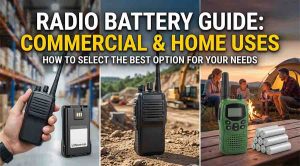
Radios are often used when reliable communication matters most. For commercial teams, a radio may support warehouse operations, construction coordination, hotel security, event management, emergency response, or field service work. For home users, radios are commonly used for outdoor activities, storm preparedness, camping, neighborhood safety, or backup communication during power outages.
In both situations, the battery is not just an accessory. It determines how long the radio can operate, how stable the signal remains, how often charging is required, and whether the device is ready when needed.
A radio with a weak or poorly matched battery can fail at the worst possible time. That is why selecting the right battery option should be based on real use cases, not just price or capacity numbers printed on a label.
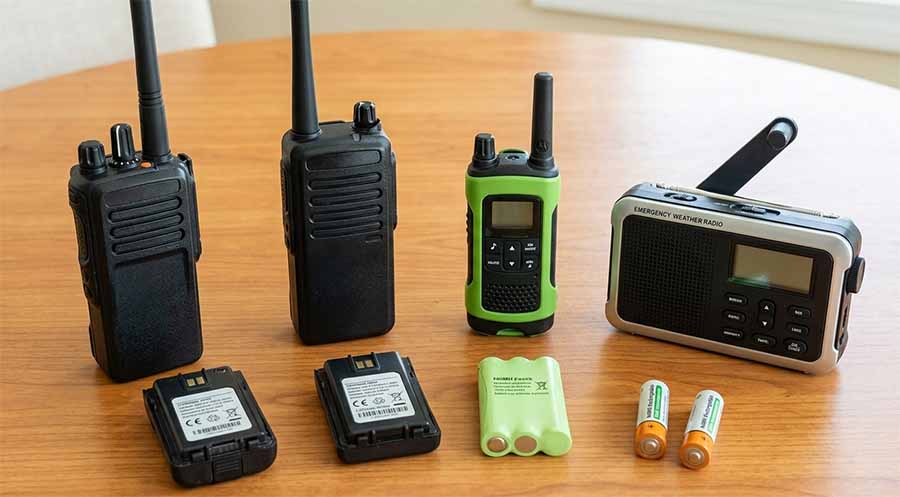
Key Battery Types Used in Radios
| Battery Type | Common Use | Advantages | Limitations | Best For |
| Alkaline AA/AAA | Emergency radios, home radios | Easy to find, low upfront cost | Not rechargeable, lower long-term value | Backup and occasional use |
| NiMH Rechargeable | Consumer radios, walkie-talkies | Rechargeable, safer than older chemistries | Moderate self-discharge | Home and light outdoor use |
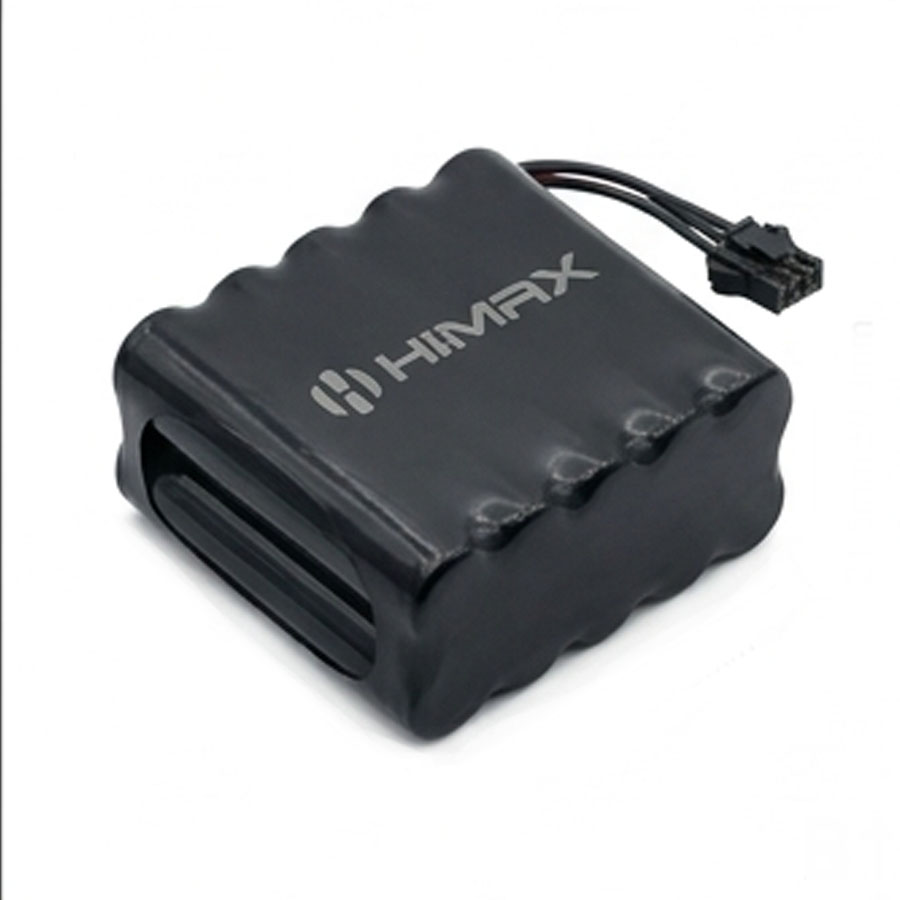
| Li-ion Battery Pack | Commercial two-way radios | High energy density, lightweight, fast charging | Requires proper protection circuit | Daily professional use |
| LiFePO4 Battery | Heavy-duty and backup systems | Long cycle life, stable voltage, safer chemistry | Slightly higher initial cost | Long-term commercial and backup use |
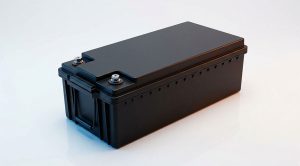
| Lead-Acid Battery | Base stations, large backup systems | Low cost, widely available | Heavy, shorter cycle life | Stationary backup only |
Commercial Case Study
Case 1: Warehouse and Logistics Operations
A warehouse team may use two-way radios for 8 to 12 hours per shift. In a 100,000-square-foot facility, communication delays can slow picking, packing, forklift movement, and safety response.
Example scenario:
| Parameter | Requirement |
| Radio type | Commercial two-way radio |
| Daily use | 10 hours |
| Number of radios | 40 units |
| Charging window | Overnight, 6–8 hours |
| Environment | Indoor warehouse, 50°F–90°F |
| Recommended battery | High-capacity Li-ion or LiFePO4 pack |
For this use case, the best choice is usually a rechargeable lithium battery pack with stable output and enough capacity to last a full shift. A 2000mAh to 3000mAh battery is often more practical than relying on lower-capacity packs that require mid-shift charging.
The main goal is reducing downtime. If employees need to swap batteries during peak hours, productivity drops. A durable lithium battery with a strong battery management system can help maintain consistent communication throughout the workday.
Case 2: Construction and Jobsite Communication
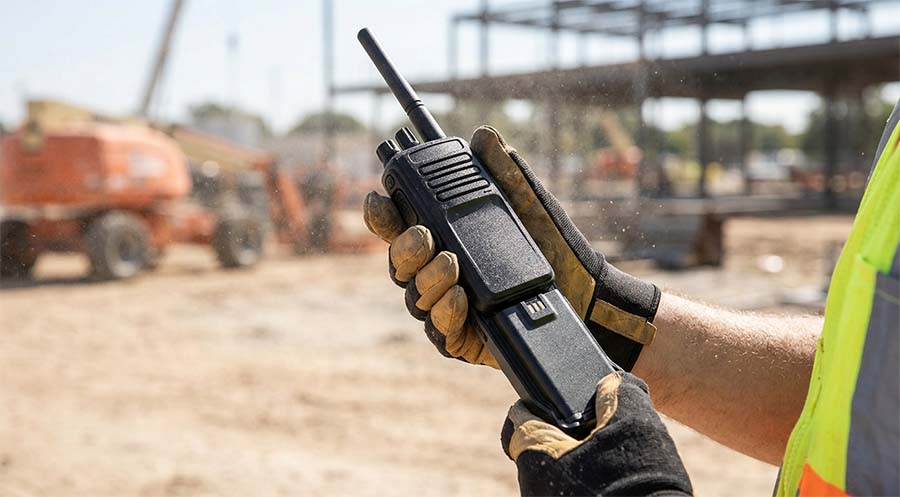
Construction radios face dust, vibration, temperature changes, and long outdoor hours. A radio battery for this environment must be more rugged than one used in an office or home setting.
Example scenario:
| Parameter | Requirement |
| Radio type | Rugged two-way radio |
| Daily use | 8–10 hours |
| Temperature range | 20°F–105°F |
| Work conditions | Dust, vibration, outdoor exposure |
| Recommended battery | Rugged Li-ion pack with protection circuit |
For construction crews, battery durability matters as much as capacity. A battery should support reliable discharge under changing temperatures and resist damage from frequent handling.
A battery with poor thermal stability may lose runtime in cold mornings or hot afternoons. For commercial jobsite users, it is better to choose a tested, high-quality battery pack instead of the cheapest replacement option.
Case 3: Security, Hospitality, and Event Teams
Hotels, shopping centers, concert venues, and security teams use radios for continuous coordination. These users often require lightweight radios because staff may carry them for an entire shift.
Example scenario:
| Parameter | Requirement |
| Radio type | Compact professional walkie-talkie |
| Daily use | 6–12 hours |
| Priority | Lightweight, reliable runtime |
| Charging | Multi-unit charging dock |
| Recommended battery | Slim Li-ion battery pack |
In this case, the best battery option balances weight and runtime. A heavier battery may provide longer operation, but it can reduce comfort for staff who wear radios on belts or uniforms.
For event teams, spare batteries are also important. A battery rotation system can ensure that every radio starts the shift fully charged.
Home Users Case Study
Case 1: Emergency Weather Radio
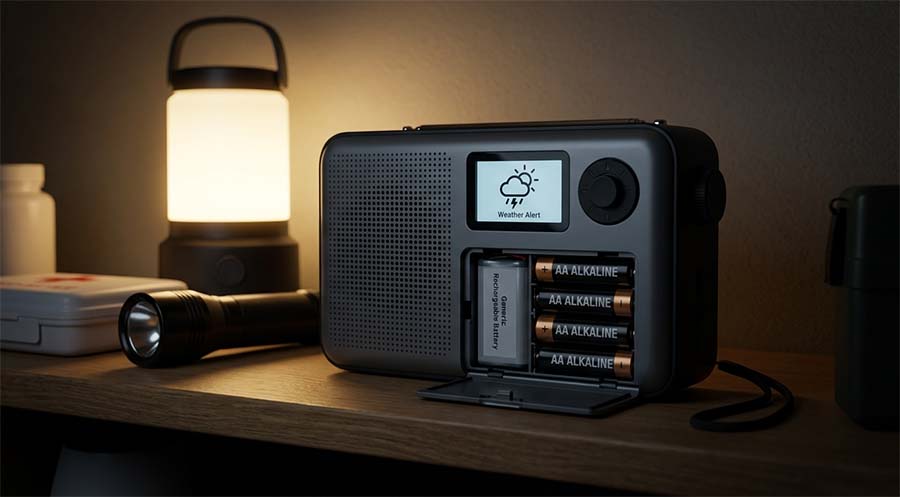
For home users, one of the most important radio applications is emergency preparedness. During storms, hurricanes, wildfires, or grid outages, an emergency radio may be needed for weather alerts and local updates.
Example scenario:
| Parameter | Requirement |
| Radio type | NOAA weather radio |
| Use frequency | Occasional, emergency use |
| Storage time | 6–12 months between uses |
| Priority | Shelf life and reliability |
| Recommended battery | Alkaline backup + rechargeable battery pack |
For emergency radios, the best strategy is often a hybrid battery setup. A built-in rechargeable battery is useful for normal use, while backup AA or AAA alkaline batteries provide security if charging is unavailable.
Home users should check batteries every 3 to 6 months. Even the best emergency radio is not useful if the battery has leaked, drained, or expired.
Case 2: Camping, Hiking, and Outdoor Recreation
Outdoor users need portable power that is lightweight and dependable. A camping radio or handheld two-way radio should have enough runtime for the trip, but it also needs to be easy to recharge.
Example scenario:
| Parameter | Requirement |
| Radio type | Handheld walkie-talkie or camping radio |
| Trip length | 2–4 days |
| Daily use | 2–5 hours |
| Charging source | Solar panel, power bank, car charger |
| Recommended battery | Rechargeable Li-ion or NiMH batteries |
For casual camping, NiMH rechargeable AA batteries may be enough. For longer trips or more frequent radio communication, Li-ion packs offer better energy density and lighter weight.
Users should also consider USB charging compatibility. A radio that can recharge from a power bank or vehicle charger is more practical for outdoor travel.
Case 3: Neighborhood and Family Communication
Families sometimes use walkie-talkies for neighborhood events, large properties, road trips, or outdoor play. These radios do not usually need commercial-grade batteries, but they still benefit from rechargeable options.
Example scenario:
| Parameter | Requirement |
| Radio type | Consumer walkie-talkie |
| Use frequency | Weekly or occasional |
| Runtime need | 4–8 hours |
| Recommended battery | NiMH rechargeable AA/AAA or compact Li-ion pack |
For this type of use, convenience matters most. Rechargeable batteries save money over time and reduce waste compared with disposable batteries. A simple charging dock can make the radios easier to keep ready.
How to Choose the Best Radio Battery
When comparing battery options, users should review these factors:
| Selection Factor | Why It Matters |
| Capacity | Determines potential runtime |
| Voltage compatibility | Protects the radio from performance issues or damage |
| Cycle life | Shows how many charge/discharge cycles the battery can support |
| Charging speed | Important for commercial shift changes |
| Weight | Affects comfort for handheld radios |
| Temperature performance | Critical for outdoor and jobsite use |
| Safety protection | Helps prevent overcharge, over-discharge, and short circuits |
| Shelf life | Important for emergency preparedness |
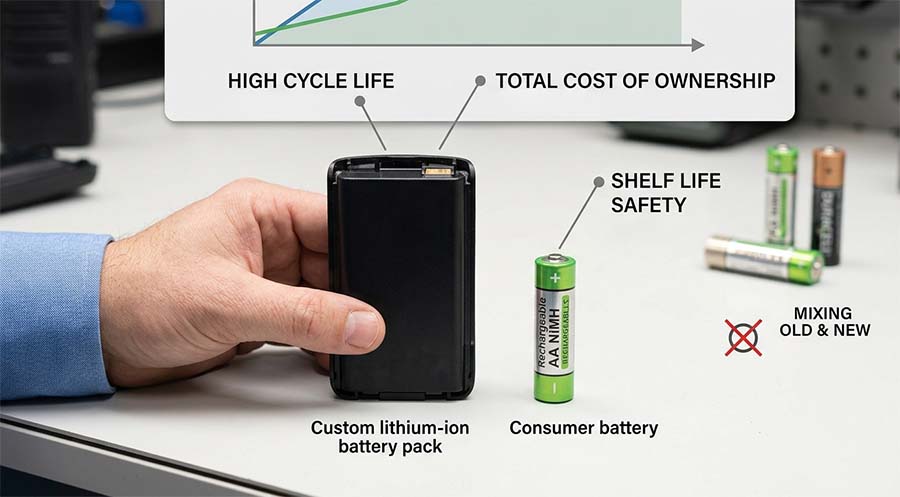
For commercial users, the total cost of ownership is often more important than the initial battery price. A cheaper battery that fails after a few months may cost more in replacements, downtime, and lost productivity.
For home users, the best battery is usually the one that remains safe, easy to charge, and ready when needed.
Common Mistakes to Avoid
- One common mistake is choosing a battery only by capacity. A higher mAh rating does not always mean better performance if the battery quality, voltage compatibility, or protection circuit is poor.
- Another mistake is mixing old and new batteries. This is especially risky with AA or AAA batteries because uneven discharge can reduce performance and increase leakage risk.
- Commercial users should also avoid using unverified replacement battery packs. A low-quality battery can shorten radio life, reduce runtime, or create charging issues.
HiMAX’s Radio Battery Solutions
HiMAX provides reliable battery solutions for commercial, industrial, and consumer applications. With experience in lithium battery design, battery pack assembly, safety protection systems, and customized power solutions, HiMAX helps brands and businesses choose batteries that match real-world performance needs. Whether you need radio batteries for commercial communication, emergency backup, outdoor use, or custom device integration, HiMAX can support your project with dependable quality, professional engineering, and scalable manufacturing capability.
Find articles related to Lithium-ion Battery
- Price Comparison of 6 Common Lithium-Ion Battery Voltages (3.7V–22.2V)
- Lithium-ion Battery Classification Guide: Exploring Chemical Compositions, Common Sizes, and Application Scenarios
- Lithium-Ion Battery Packs vs. Cells: Differences & Application Scenario Exploration
- Responding to Amazon US Lithium Battery Compliance Upgrades: Supply Chain Tech Guide
- A Must-Read for Business Buyers: Uncovering the “Sand-Filled” High-End Lithium Battery Scam — A Guide to Spotting Traps and Choosing Reliable Suppliers
- Procurement Secrets for Geological Exploration Companies: Why It’s Time to Equip Your Surveying Equipment with Rechargeable Lithium-Ion Batteries
- OEM vs. Aftermarket Road E-Bike Replacement Batteries – Which One Offers Greater Peace of Mind?