In recent years, the situation in the Middle East has remained volatile, leading to increasing uncertainty in global energy supply. These shifts have directly impacted the cost structure of global manufacturing. The new energy sector—especially lithium batteries—has been hit particularly hard, with many companies now feeling the pressure of rising battery prices.
For businesses that rely heavily on battery products, maintaining cost advantages and supply stability in an unpredictable environment has become a critical challenge. This article explores the root causes, impact pathways, and response strategies to help companies better understand the situation and develop effective solutions.
Why Does Middle East Instability Drive Up Battery Prices?
The Middle East is a key global energy supplier. Fluctuations in oil and natural gas prices quickly ripple through global manufacturing—and the battery industry is no exception.
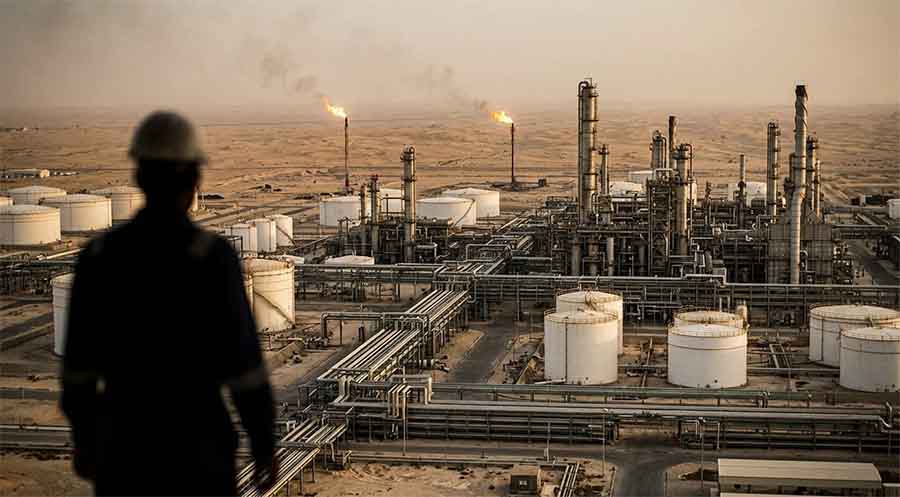
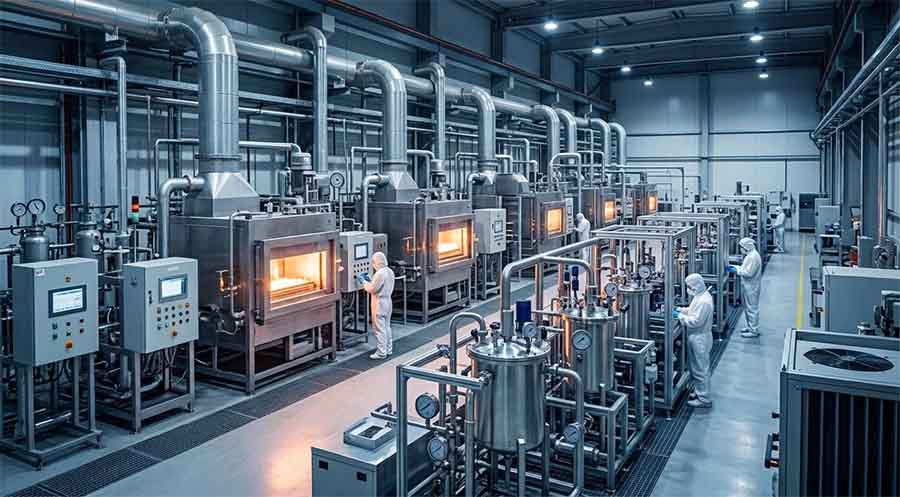
First, rising energy costs directly increase production expenses. Lithium battery manufacturing involves high-temperature processing and electrolyte synthesis, both of which rely heavily on electricity and chemical materials. As energy costs climb, the overall battery price cost structure rises accordingly.
Second, transportation costs increase significantly. During periods of geopolitical tension, shipping routes may be diverted, and insurance premiums rise. This leads to higher international logistics costs, further amplifying battery price fluctuations.
Third, raw material supply chains are indirectly affected. While lithium, cobalt, and nickel are primarily sourced from other regions, the global trade system is highly interconnected. When energy costs rise, mining and refining costs follow—ultimately impacting overall battery price trends.
How Do Rising Battery Prices Impact Businesses?
Changes in battery prices affect several core aspects of business operations:
- Profit Margins Shrink
For products where batteries are a key component—such as energy storage systems, electric equipment, and consumer electronics—rising battery costsdirectly erode gross margins. - Pricing Becomes More Difficult
If companies pass all increased battery costsonto customers, they risk losing competitiveness. If they absorb the costs, profit margins decline further. - Supply Chain Stability Weakens
When the market expects continued battery price increases, upstream suppliers may reduce spot supply and shift toward long-term contracts, making procurement more difficult—especially for small and mid-sized businesses.
Application Scenarios
To better understand the real-world impact, let’s look at a few examples:
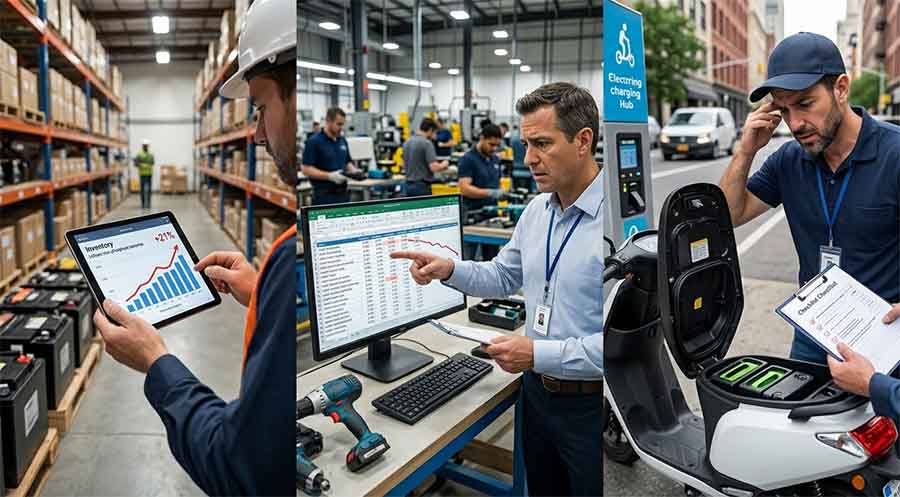
Case 1: Residential Energy Storage Company (California)
A California-based company purchases about 50MWh of lithium iron phosphate batteries annually. The original price was $95/kWh. Following Middle East tensions and rising energy costs, supplier quotes increased to $115/kWh—an overall cost increase of about 21%.
If the company maintains its original pricing, profit per system drops by around 12%, directly affecting its expansion plans.
Case 2: Power Tool Brand (Texas)
A Texas-based power tool brand purchases about 300,000 18650 batteries per month. The unit price rose from $1.20 to $1.45.
In B2B channels, customers are highly price-sensitive. The company could only absorb part of the battery price increase, resulting in an 8% drop in quarterly net profit—highlighting how battery cost increases hit consumer markets harder.
Case 3: Electric Scooter Company (New York)
A shared mobility company operating in New York uses batteries with a capacity of 0.6kWh per scooter.
As battery price trends rise, the cost per scooter increases by $12–$15. For a fleet of 10,000 scooters, total capital expenditure rises by over $120,000—significantly slowing expansion.
Key Strategies to Address Rising Battery Prices
In a volatile market, businesses must take proactive steps rather than passively absorb rising battery costs:

- Build a Diversified Supply Chain
Avoid relying on a single supplier. Partner with battery manufacturers across multiple regions to reduce the risk of supply disruptions caused by regional conflicts. - Lock in Long-Term Contracts Early
When battery pricesare relatively low, secure mid- to long-term agreements with suppliers to stabilize procurement costs and reduce exposure to short-term volatility. - Optimize Product Design
Use technical innovation to reduce reliance on battery capacity—for example, by improving energy efficiency or optimizing system architecture. This lowers battery usage per product and mitigates the impact of rising battery costs. - Improve Inventory Management
Increase safety stock appropriately. Stocking up early during the initial phase of battery price increasescan reduce overall procurement costs—but balance this with inventory turnover to avoid excessive capital lock-up. - Adopt Alternative Technologies
In certain scenarios, consider switching battery types—for example, from high-nickel ternary batteries to lithium iron phosphate batteries. This helps reduce dependence on high-cost materials and stabilizes battery pricing.
Conclusion: Finding Certainty in Uncertainty
Middle East instability is just one example of broader global supply chain risks. In today’s highly interconnected world, no business is immune to external shocks.
The key lies in building a flexible response system. By optimizing supply chains, controlling costs, and strengthening technical capabilities, companies can remain competitive even during periods of rising battery prices.
HiMAX Battery Manufacturer
As one of the world’s leading battery manufacturers, HiMAX specializes in the R&D and production of high-performance lithium batteries. We offer stable and reliable supply capabilities along with competitive battery pricing solutions.
Whether for energy storage systems, power tools, or consumer electronics, HiMAX provides customized battery solutions to help businesses achieve long-term growth in complex market environments.
Find articles related to Custom Battery