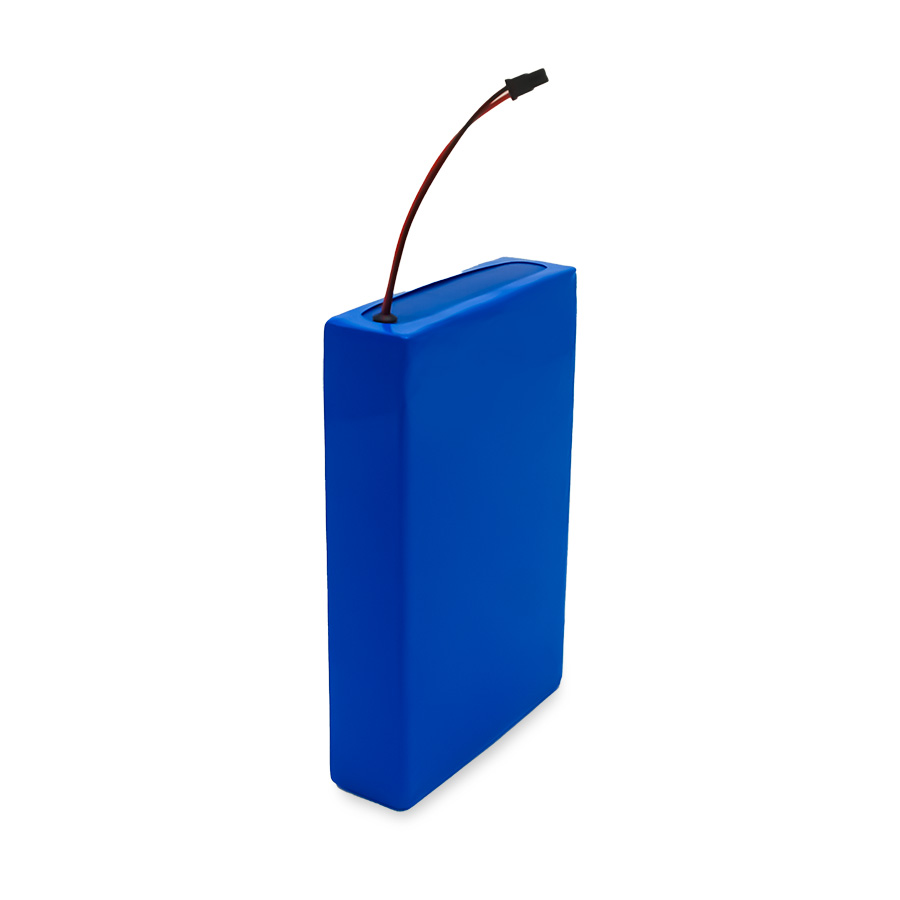
Choosing the right lithium ion battery is crucial for any company that depends on reliable power storage. Whether you operate in consumer electronics, renewable energy, or electric mobility, understanding the key technical parameters behind battery performance can make or break your project.

We explains five essential factors businesses should evaluate before purchasing lithium ion batteries, helping ensure optimal efficiency, longevity, and cost-effectiveness.
1. Energy Density: The Foundation of Power and Performance
Energy density is one of the most critical aspects when evaluating a lithium ion battery. It represents how much energy the battery can store relative to its weight or volume. Measured in watt-hours per kilogram (Wh/kg), this value determines how long a device can operate before needing a recharge.
A higher energy density means more power storage in a smaller space, which is particularly vital for applications like electric vehicles (EVs), drones, or compact consumer electronics. For example, an EV battery with a high energy density allows the vehicle to travel farther without increasing its overall weight.
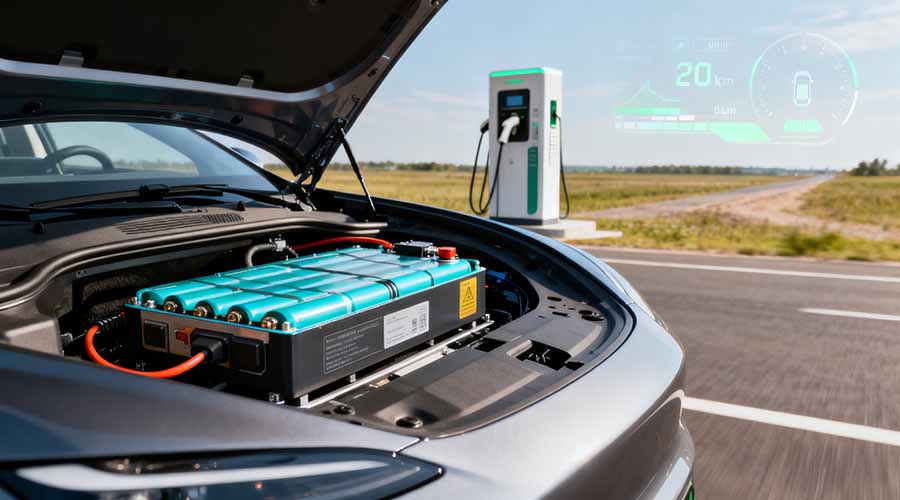
However, companies must balance energy density with safety and thermal stability. Batteries with extremely high energy density can be more prone to overheating if not properly managed through advanced battery management systems (BMS). Therefore, while pursuing energy efficiency, ensuring robust safety mechanisms is equally important.
2. Cycle Life: The Key to Long-Term Reliability
The cycle life of a lithium ion battery refers to how many charge and discharge cycles it can endure before its capacity drops below 80% of its original level. This metric directly affects the total cost of ownership. A battery with a longer cycle life means fewer replacements and lower maintenance costs over time.
For industrial applications such as solar energy storage, electric bikes, or medical equipment, a long cycle life ensures stable power output for years. High-quality lithium ion batteries typically offer between 500 to 3000 cycles depending on the material composition—such as lithium iron phosphate (LiFePO4) or nickel manganese cobalt (NMC) chemistry.

Companies should always review the manufacturer’s test reports to confirm cycle performance under real-world conditions. It’s also essential to consider the environment in which the battery will operate, since high temperatures and frequent deep discharges can shorten its lifespan.
3. Voltage and Capacity: Matching Power Needs to Applications
Voltage and capacity are two closely related parameters that determine how a lithium ion battery delivers energy. Voltage (measured in volts) defines the potential difference that drives current through a circuit, while capacity (measured in ampere-hours or Ah) indicates how much charge the battery can store.
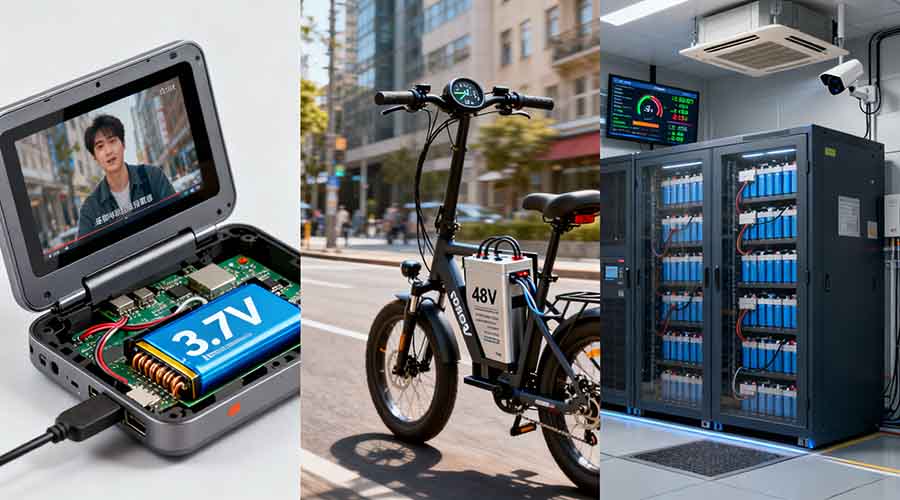
Selecting the correct battery voltage ensures compatibility with the equipment or system. For instance, 3.7V lithium ion cells are standard for small electronics, whereas 48V lithium ion batteries are widely used in electric bikes, golf carts, and energy storage systems.
Meanwhile, capacity determines the runtime. A higher capacity battery will power devices for longer periods, making it ideal for heavy-duty applications. However, larger capacity batteries can take longer to charge, so businesses must balance runtime with charging convenience and energy availability.
Combining both parameters—voltage and capacity—gives companies a clear picture of the total energy (Wh) available from a battery pack. Always ensure that the selected battery meets the specific energy demands of your project without exceeding system limitations.
4. Thermal Management and Safety: Protecting Performance and People
Safety should never be compromised when selecting a lithium ion battery. The chemistry within these batteries is highly energy-dense, and improper design or misuse can lead to overheating, thermal runaway, or even fire hazards.
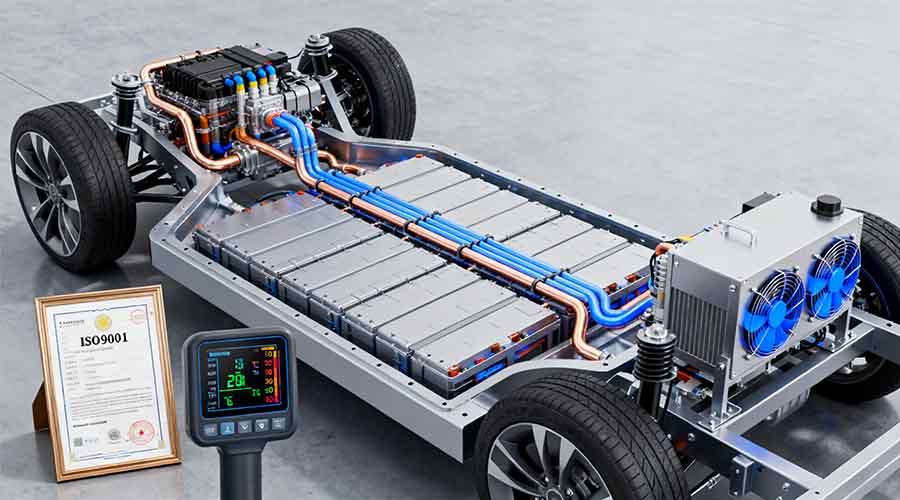
A strong thermal management system (TMS) is essential to maintain safe operating temperatures and extend battery life. This includes heat sinks, cooling fans, or liquid-cooling mechanisms in large systems like EV battery packs or energy storage containers.
Manufacturers must also integrate protection circuits that monitor voltage, temperature, and current levels in real time. These systems automatically shut down the battery during overcharge, over-discharge, or short-circuit conditions, preventing potential accidents.
When sourcing batteries, companies should only work with suppliers that meet global safety standards such as UL, IEC, or UN38.3 certifications. These certifications confirm that the batteries have passed rigorous tests for electrical, mechanical, and environmental safety.
5. Charging Efficiency and Temperature Performance: Maximizing Operational Output
Charging efficiency defines how effectively a lithium ion battery converts electrical energy into stored energy. Most high-quality batteries have charging efficiencies of 90% or above, but real-world performance can vary based on charger type, ambient temperature, and battery design.
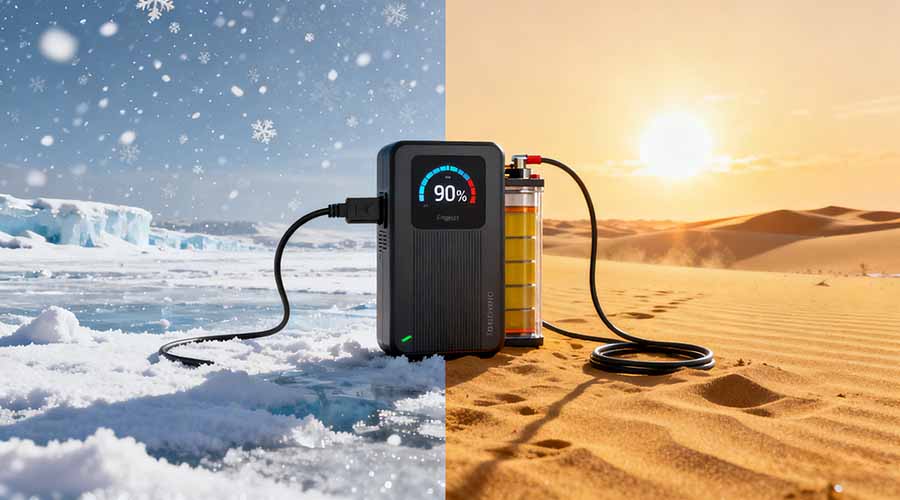
Temperature performance is another vital factor. Lithium ion batteries generally operate best between 20°C and 40°C (68°F–104°F). Cold temperatures can reduce discharge capacity, while high temperatures accelerate chemical degradation.
For outdoor or industrial environments, companies should choose batteries with temperature-resilient chemistry, such as LiFePO4, known for its excellent stability across a wide range of climates.
To optimize efficiency, businesses should also invest in smart chargers and battery management systems that monitor temperature and adjust current levels dynamically during charging. This not only preserves battery health but also reduces energy loss and downtime.
Additional Considerations: Quality, Supplier Credibility, and Customization Options
Beyond the five core parameters, companies must evaluate several additional factors before purchasing lithium ion batteries:
- Manufacturer reputation: Choose suppliers with proven reliability, strong R&D capability, and quality assurance.
- Warranty coverage: Look for extended warranty options that reflect confidence in battery performance.
- Customization options: Many industrial applications require tailor-made battery solutions, such as specific dimensions, connectors, or voltage configurations.
- After-sales service: Efficient customer support and technical guidance can significantly reduce operational risks.
Collaborating with experienced manufacturers ensures not only better technical specifications but also consistent product quality and long-term value.
HiMAX 48V Lithium Ion Battery: Power, Performance, and Reliability Combined
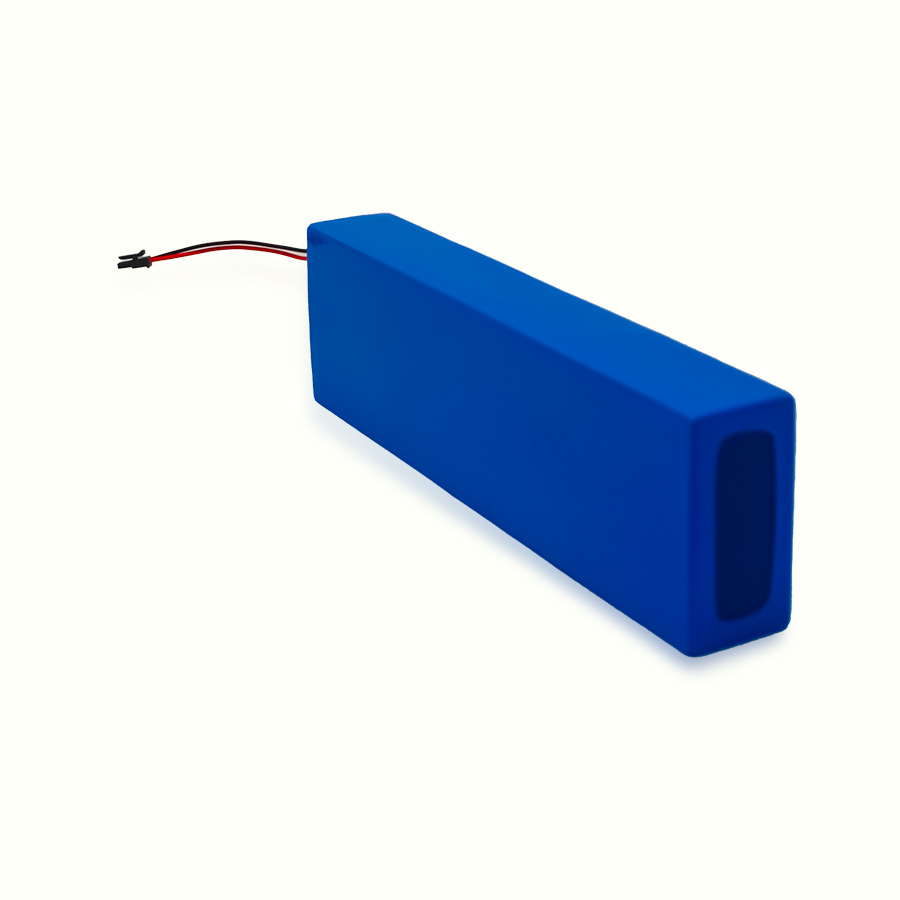
For businesses seeking exceptional quality and dependable energy solutions, the HiMAX 48V lithium ion battery stands out as a trusted choice. Built with advanced LiFePO4 chemistry, it offers outstanding safety, high cycle life, and consistent voltage output. Its compact design and high energy density make it perfect for electric bikes, solar systems, golf carts, and industrial equipment.
Find articles related to lithium ion batteries