⚡ 15A Peak Pulse Output: Purpose-built to sustain intensive, multi-channel (4/8 channels) FES intermittent pulse-trains without thermal overhead or system resets.
🛠️ TI Smart SMBus 1.1 Telemetry: Integrated medical-grade gas gauge (BQ40z50-R2) with hardware authentication, providing accurate aging metrics and auto-expiry alerts.
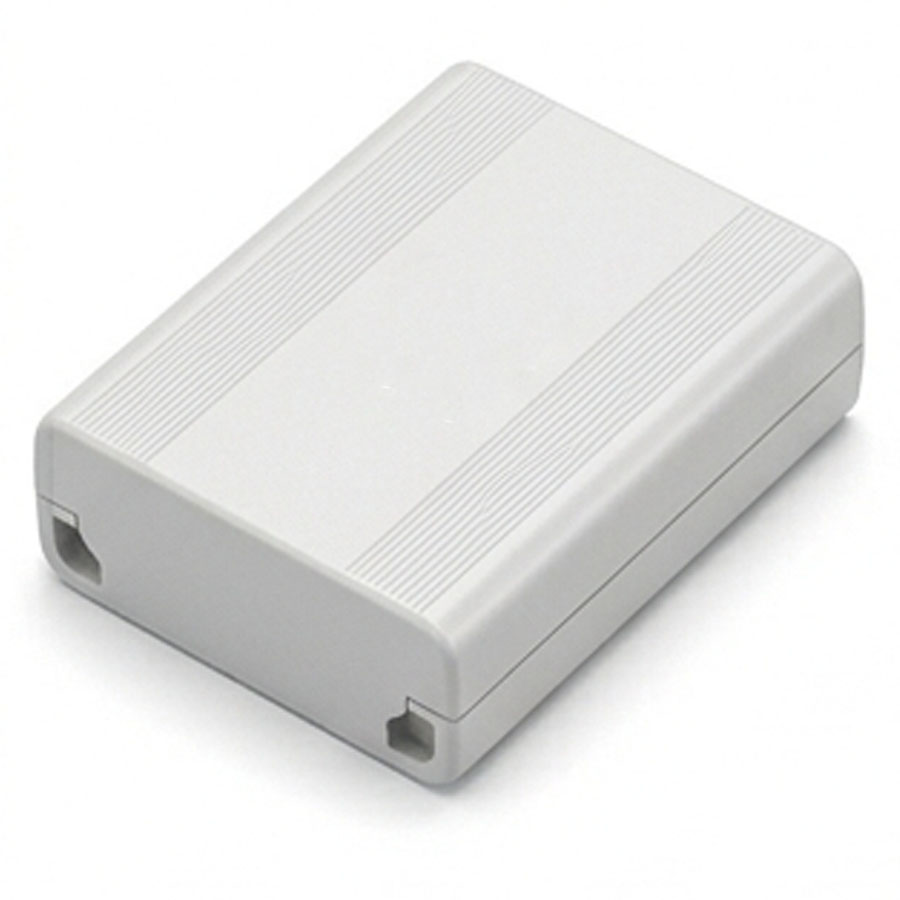
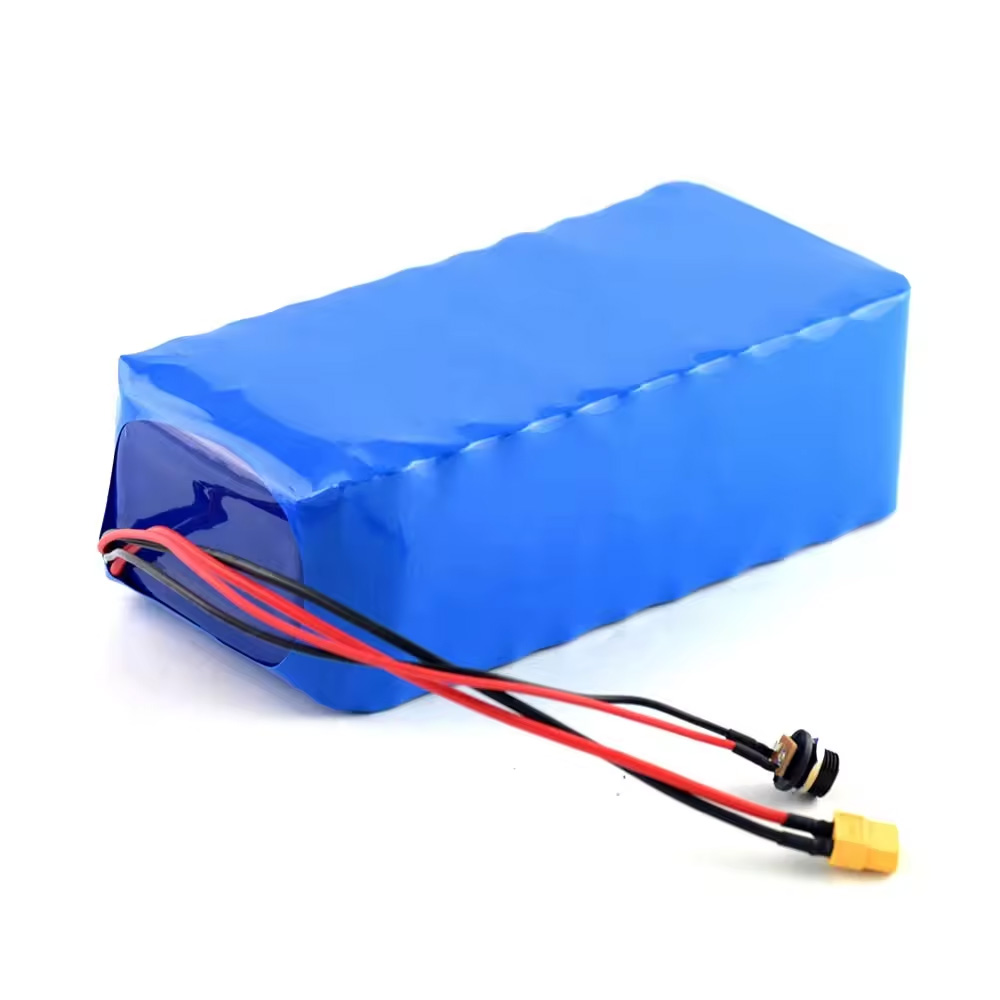
📐 Ultra-Compact Quick-Swap Module: A space-saving 3S1P architectural layout packing 38.85Wh into a flame-retardant, IPX4-rated drawer housing weighing just 160g.
15,000mA High-Pulse Precision: Zero Voltage Drop for Advanced FES
A modular, high-density 11.1V lithium solution engineered to sustain simultaneous multi-channel muscle stimulation. Uncompromised clinical safety in a 160g micro-footprint.
🔷 Section 1: The Rehabilitation Challenge: Engineering for High-Transient Pulse Loads
When clinical rehabilitation workstations trigger multiple muscle groups simultaneously—such as synchronous 4-channel or 8-channel lower limb stimulation—the system’s step-up transformers demand massive, instantaneous current draws. Standard battery packs often suffer from transient voltage drops, triggering premature system shutdowns.
To solve this, HIMAX engineers selected medical-grade, high-rate NMC (Nickel Manganese Cobalt) cylindrical cells. Configured in a high-density 3S1P or 3S2P layout, this specific chemical matrix bridges the gap between high energy density and extreme discharge capability. It safely delivers a continuous 7000mA current while comfortably sustaining 15000mA intermittent pulse-trains for up to 20ms, ensuring smooth, uninterrupted clinical therapy sessions.
🔷 Section 2: Architecture & Compliance: Space Optimization and Medical Safety Redundancy
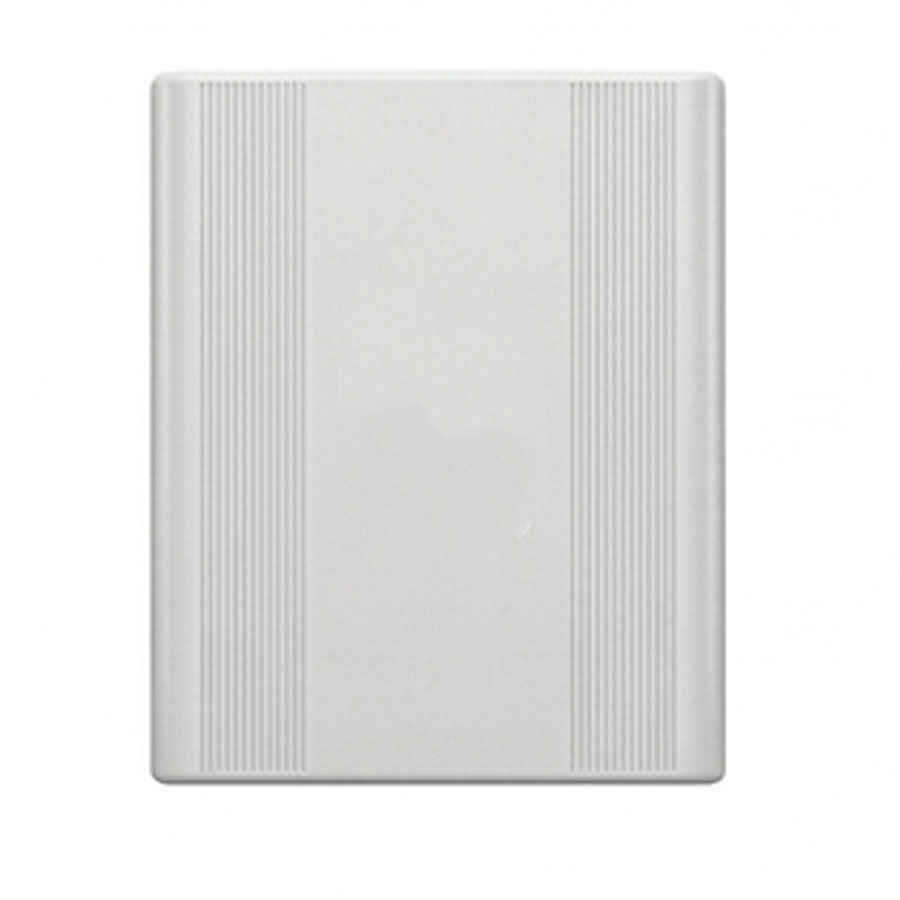
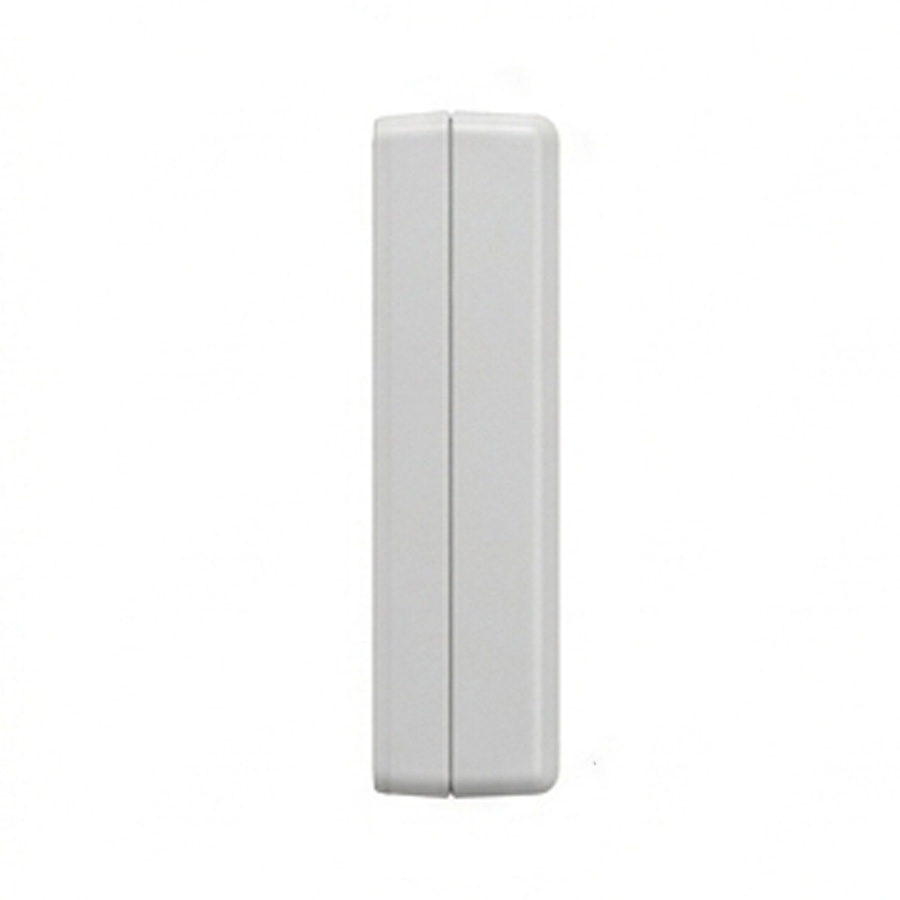
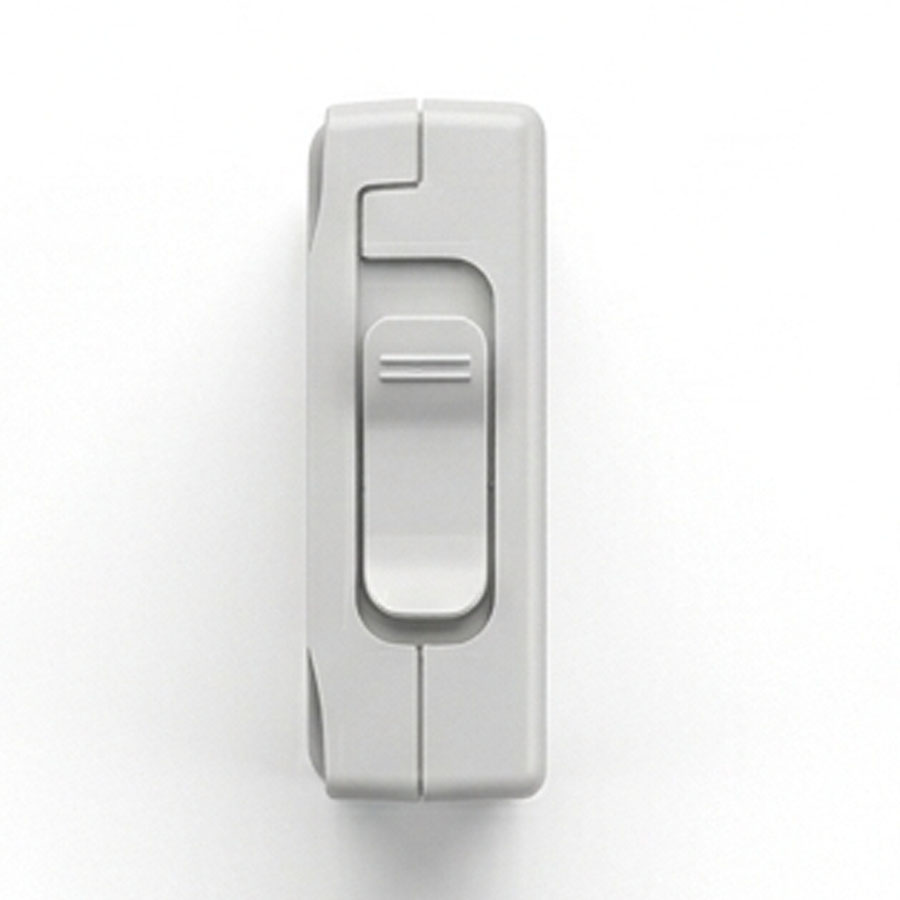
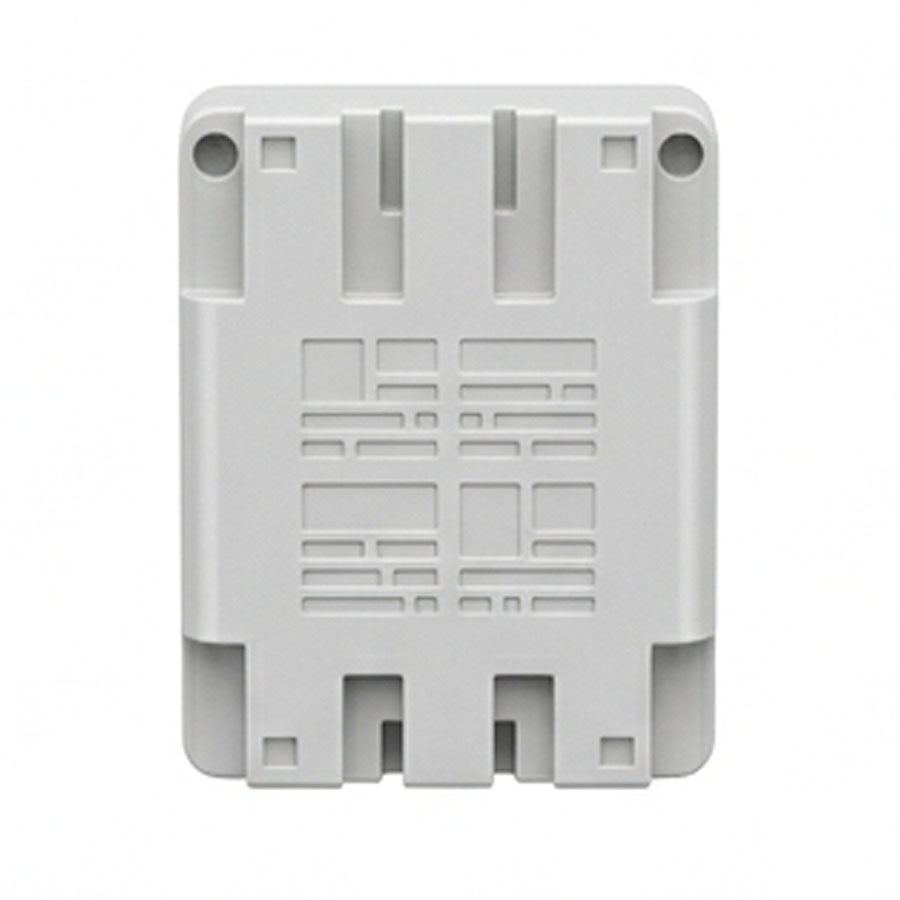
Modern clinical environments demand compact, reliable layout design. To fit within the strictly limited spatial constraints of portable and desktop FES devices, we developed a tightly arranged honeycomb-style cell orientation combined with direct-welded, clean internal busbar routing. This architectural optimization limits the battery’s total weight to approximately 160g. Encased in a custom, flame-retardant PC+ABS modular hard-shell with independent inner cell brackets, the pack features a quick-release drawer mechanism and IPX4 splash resistance for seamless hospital workflows.
Communication is managed via a smart 5-pin gold-finger interface utilizing SMBus 1.1 and I2C protocols. Powered by a TI medical-grade gauge IC with built-in hardware authentication, it continuously uploads crucial health metrics. Every batch undergoes rigorous internal environmental and mechanical abuse testing in our ISO9001 certified facility. Designed and manufactured to fully meet the strict production compliance of IEC 62133-2, UL2054, and RoHS, the pack carries official UN38.3 certification, ensuring a truly reliable, globally shippable medical power source.
Specifications
11.1V 3500mAh 18650 Li-ion Battery Pack
Cell Type & Format
Medical-Grade 18650 Cylindrical
Core Chemistry
Lithium Nickel Manganese Cobalt (NMC)
Configuration
3S1P (Three Series, One Parallel)
Nominal Voltage
11.1V
Rated Capacity
3500mAh (38.85Wh)
Internal DC Resistance
≤ 120 mΩ
Max Charge Voltage
12.6V ± 0.05V
Discharge Cut-off Voltage
7.5V
Standard Charge Current
1750mA (0.5C)
Max Continuous Discharge
7000mA (2.0C)
Communication Interface
SMBus 1.1 / I2C Protocol
Primary Smart Gas Gauge
TI Medical-Grade BQ40z50-R2
Thermal Protection System
Dual-Channel Redundant NTCs
Overcharge Protection (BMS)
4.25V ± 0.025V / Cell
Overdischarge Protection (BMS)
2.80V ± 0.08V / Cell
Secondary Safety Protection
15A Non-Resettable Chemical Fuse
Enclosure & Ingress Protection
Flame-retardant PC+ABS / IPX4
Dimensions & Weight
Approx. 19mm x 56mm x 72mm / 160g
Frequently Asked Questions
Navigating medical-grade power integration requires solving complex technical challenges. Here, our senior battery application engineers address the critical questions and integration pain points commonly encountered by clinical FES device manufacturers.
How does this battery pack prevent voltage sagging during multi-channel high-intensity stimulation?
Multi-channel FES devices require high-voltage step-up circuits that pull extreme intermittent peak currents. We utilize high-rate medical-grade NMC chemistry combined with a heavy-duty copper busbar layout. This lowers the total internal DC resistance to ≤ 120 mΩ, allowing the pack to discharge a 15,000mA pulse for 20ms without significant voltage drops, protecting your device from firmware resets.
How does the ultra-compact 3S1P layout optimize limited device spaces?
By utilizing highly efficient 3500mAh cylindrical cells in a streamlined 3S1P array, we achieved a minimal physical footprint of just 19mm x 56mm x 72mm. Our precise internal bracket wire-routing replaces messy internal cable nests, maximizing energy density while ensuring the battery fits effortlessly into tight, portable desktop rehabilitation chassis.
What safety protocols protect the battery from overheating in a busy hospital environment?
Safety is non-negotiable in clinical spaces. The pack integrates a dual-channel redundant thermal monitoring system featuring multiple 10kΩ NTC thermistors embedded at the core and pack ends. Managed by a multi-tiered smart BMS alongside a secondary hardware 15A chemical fuse, the pack instantly isolates the circuit if parameters exceed normal operational limits.
Can our device monitor the battery's real-time state of health (SOH) and prevent unexpected failures?
Yes, perfectly. The integrated TI medical-grade gauge IC communicates seamlessly via SMBus 1.1 / I2C protocols. It transmits full telemetry—including absolute capacity, cycle counts, and thermal data. Crucially, it includes a programmable, automated battery-life expiration reminder, allowing hospital staff to schedule preventative replacements before an end-of-life failure occurs
What is the regulatory and certification status of this medical battery pack?
The battery pack is fully certified for UN38.3 (safe transport) and manufactured under strict ISO9001 quality management workflows. Furthermore, the complete architecture, internal cell selection, and BMS safety layers are meticulously designed and verified to meet all compliance and testing standards for IEC 62133-2, UL2054, and RoHS, streamlining your end-device global regulatory approval process.