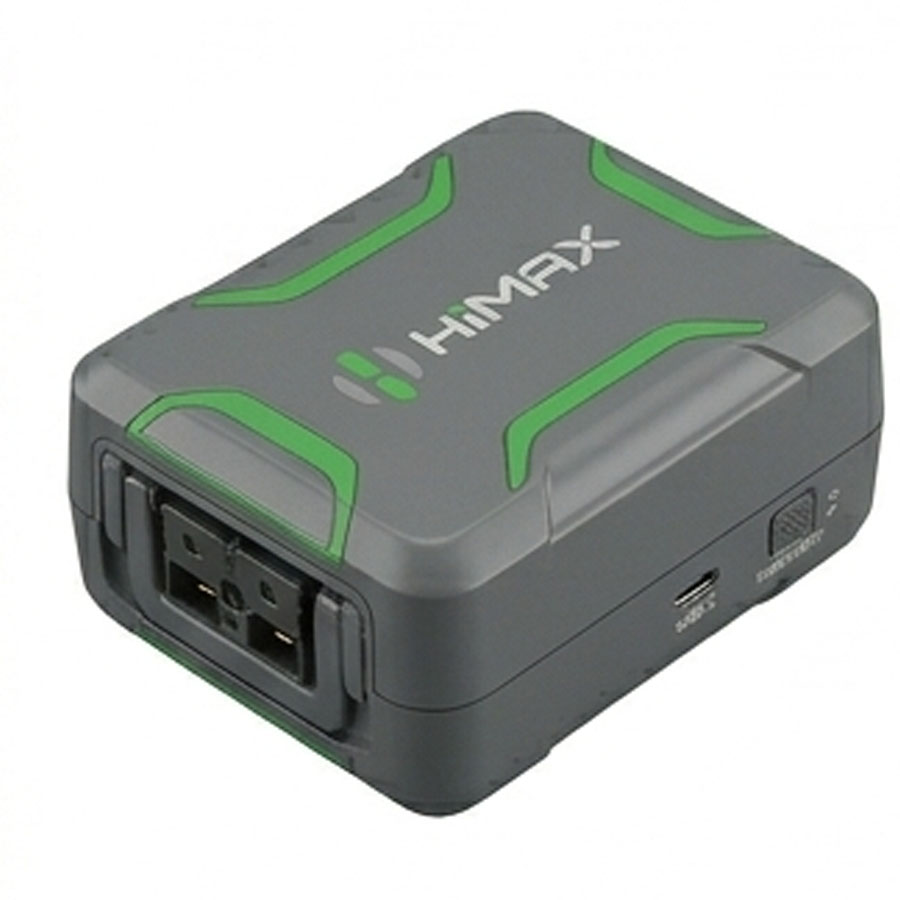
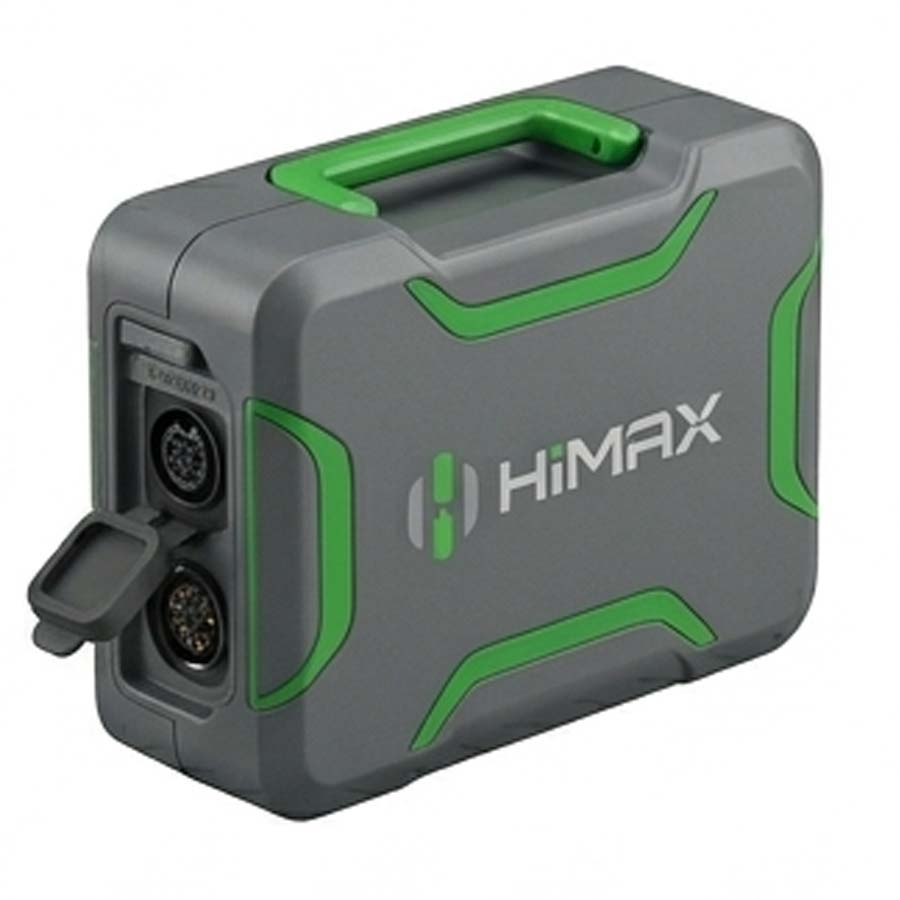
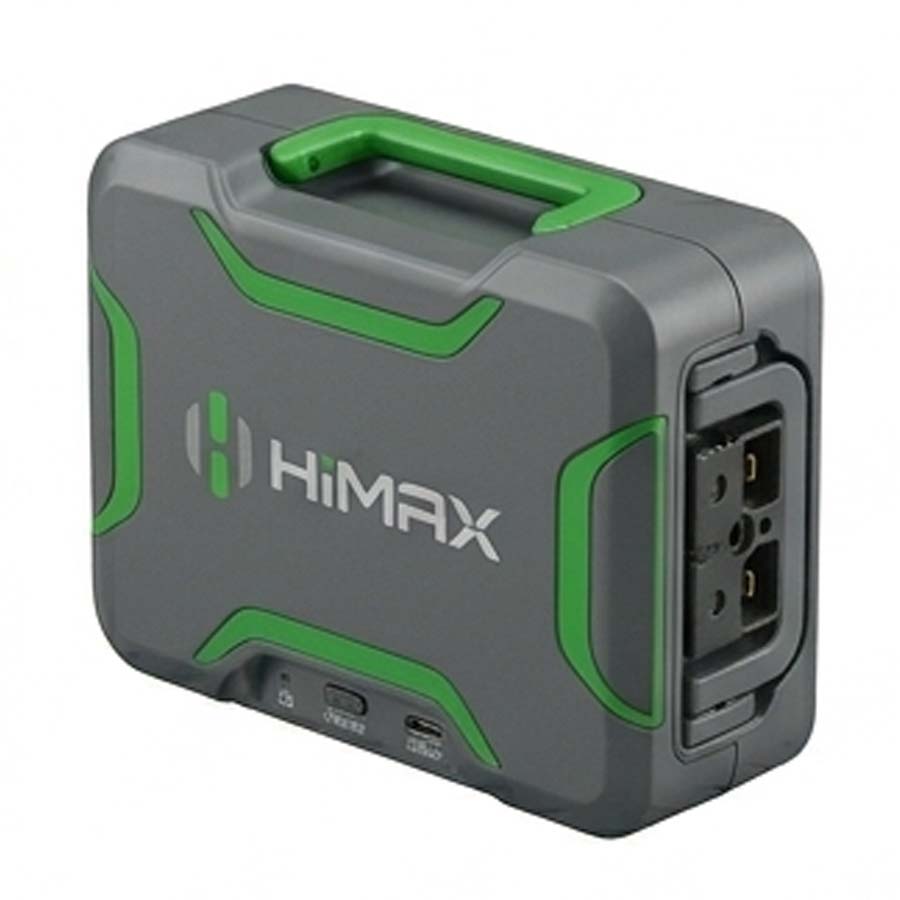
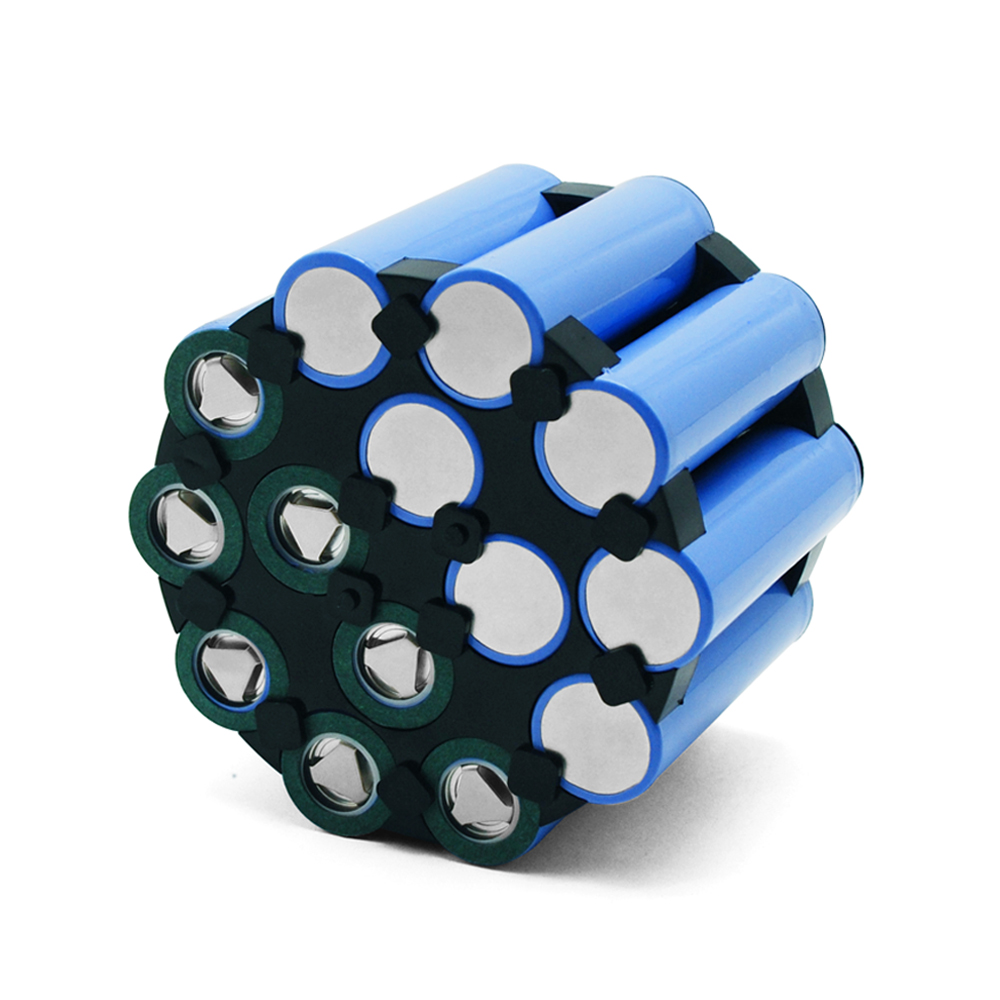
High-Rate 21700 Cell Architecture: Engineered in a 13S2P topology using premium 5000mAh cells, supplying a reliable 46.8V nominal voltage that perfectly matches 48V servo motor drive rails.
50A Transient Pulse Capability: Delivers a continuous 2C (20A) output and up to 5C (50A) for 3 seconds, ensuring standard-compliant power execution during high-torque medical robotic movements like standing and climbing.
Dual-Protocol Smart Telemetry: Features fully integrated CANbus and RS485 communication interfaces to stream critical SOH, SOC, individual cell voltages, and thermal states directly to the host device.
From an electrochemical engineering standpoint, rehabilitation exoskeletons designed for patients with severe lower limb paraplegia present an incredibly punishing load profile. When a patient initiates a sit-to-stand motion or tackles an inclined surface, the system’s hip and knee joint servo motors demand massive, instantaneous current spikes. Standard energy-dense cells suffer massive voltage drops and accelerated cathode degradation under these conditions.
The HIMAX 46.8V 10Ah Battery Pack utilizes a highly optimized 13S2P configuration built around premium, high-rate 21700 cylindrical cells (3.6V nominal, 5000mAh). This specific electrochemical configuration ensures an ultra-low cell internal resistance of less than or equal to 45mΩ and allows the pack to comfortably sustain a continuous discharge of 2C (20A), while unleashing a massive 5C (50A) transient pulse for up to 3 seconds. By managing the thermodynamic stability at the material level, our design framework prevents premature cell aging and thermal runaway risks during peak torque transitions, aligning perfectly with strict quality management system baselines such as ISO 9001.
⚙️ Dynamic Application Integration: Telemetry and Mechanical Optimization for Wearable Robotics
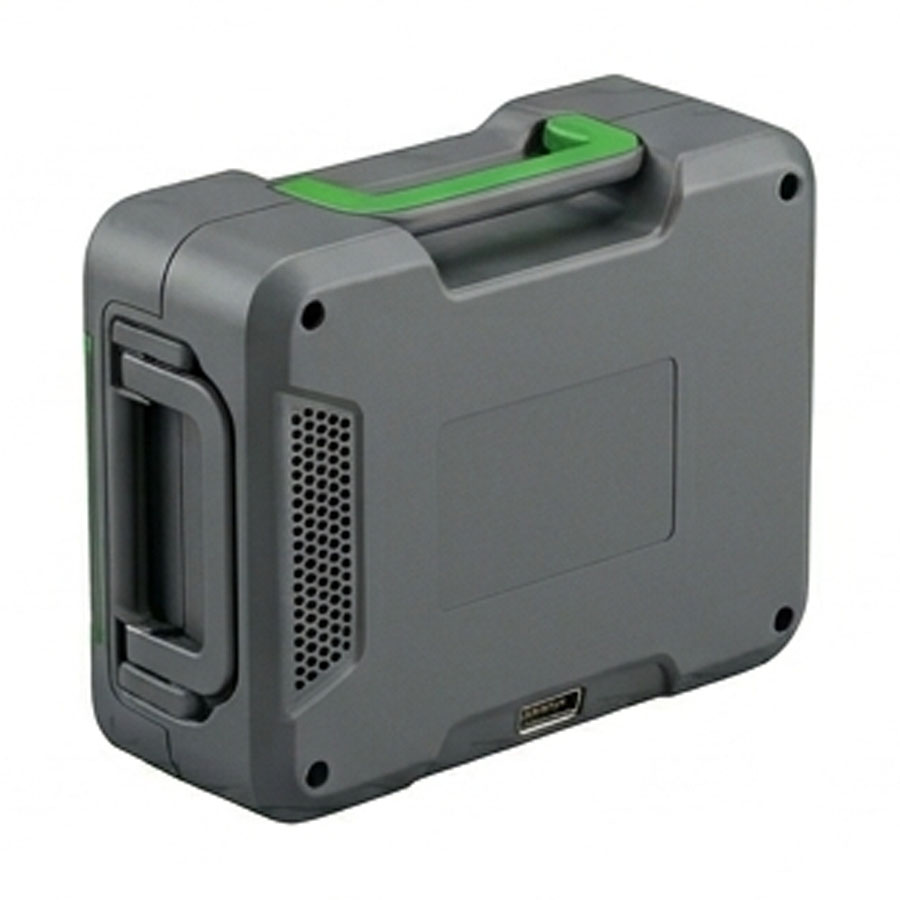
Field deployment of wearable medical robotics demands rigid physical constraints and strict weight budgets. Every additional gram directly affects patient fatigue and kinematic balance. Packaged in a compact form factor of approximately 80mm x 116mm x 171mm and weighing only 2.1kg, the HIMAX pack delivers an exceptional volumetric energy density without burdening the exoskeleton’s structural frame.
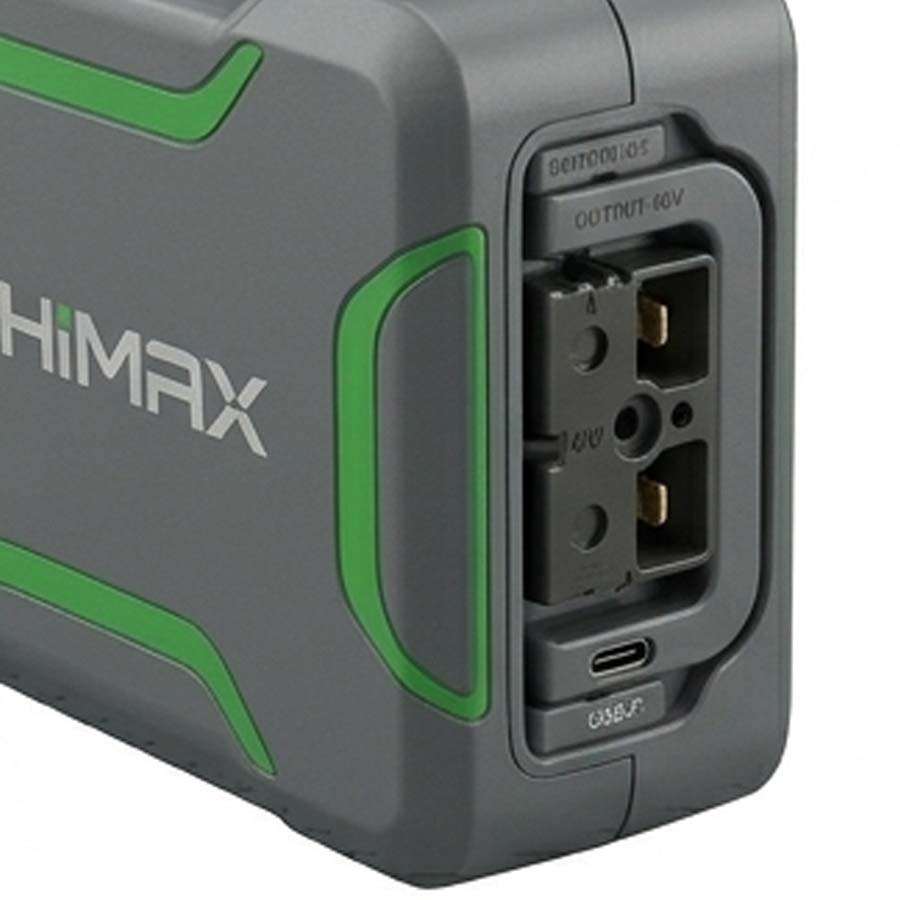
Beyond structural footprint mitigation, the true intelligence lies within our integrated smart Battery Management System (BMS). Hardware engineers can tap into native CANbus or RS485 communication protocols to access real-time, precision telemetry data, including per-string cell voltages, localized thermal sensor feedback, State of Health (SOH), and State of Charge (SOC). This high-fidelity data loop allows the robot’s main controller to dynamically modulate its charging rail logic and predict power margins before a critical maneuver. Mechanically isolated to withstand high vibrational stresses and wrapped in high-temperature industrial PVC, the electrical assembly layout satisfies global transit and shipping baselines including UN38.3 and MSDS.
Specifications
HIMAX 46.8V 10Ah 21700 LFP Battery Pack
Battery Type / Chemistry
Smart Cylindrical Lithium-ion (High-rate 21700)
Cell Configuration / Model
13S2P / Premium 3.6V 5000mAh Cell
Nominal Voltage
46.8V
Fully Charged Voltage
54.6V
Discharge Cut-off Voltage
32.5V
Nominal Capacity
10Ah
Total Rated Energy
468Wh
Internal Resistance (IR)
Less than or equal to 45mΩ (Pack-level total)
Standard Charging Current/Method
2A (0.2C), CC/CV (Constant Current / Constant Voltage)
3 to 5 Years in stan12AWG / 14AWG (Length tailored to application) [12AWG / 14AWG
Physical Dimensions
Approx. 80mm (T) x 116mm (W) x 171mm (L)
Approximate Weight
Approx. 2.1kg
Outer Wrapping Material/Shell
Industrial Flame-Retardant PVC (Hard Case Optional)
Standard Connector Interface
Integrated Heavy-Duty Quick-Plug Connector
Frequently Asked Questions
This technical FAQ matrix is compiled by the HIMAX engineering department specifically for hardware system integration engineers, procurement specialists, and quality assurance personnel. It clarifies the electrochemical boundaries, smart communication protocols, and safety integration layouts of our 46.8V 10Ah exoskeleton battery pack to ensure streamlined implementation into your safety-critical medical robotics.
Why did HIMAX opt for high-rate cylindrical 21700 lithium-ion chemistry over standard prismatic options or standard LFP for this rehabilitation medical exoskeleton application?
Wearable kinematics demand the highest possible gravimetric energy density to prevent patient fatigue while maintaining massive peak discharge rates. While LFP offers structural longevity, its lower nominal cell voltage results in a heavier, bulkier footprint for a 48V servo system. Our premium high-rate 21700 lithium-ion configuration strikes the optimal balance—providing a compact 2.1kg envelope capable of outputting a transient 50A pulse. Structurally, each cell is isolated within an internal framework that satisfies UL2271 and IEC 62133 design thermal baselines, mitigating runaway risks during intense gait cycles.
How does the battery pack handle the high transient voltage drops during the exoskeleton's 5C (50A) peak sit-to-stand pulse without triggering host controller low-voltage cut-offs?
This is achieved by reducing the total internal resistance to less than or equal to 45mΩ at the pack level using pure nickel busbars and automated micro-spot welding tech. During a 3-second 50A pulse, the voltage sag remains safely above the 32.5V absolute discharge cut-off threshold. Additionally, the integrated smart BMS features a programmable transient filter blanking time. This prevents the protection circuit from interpreting a standard 3-second motor startup pulse as a dead short-circuit fault, ensuring uninterrupted power delivery to your 48V servo drivers.
Rehabilitation robots are often subjected to mixed duty cycles and irregular micro-charging throughout the day. How does your system mitigate rapid capacity degradation?
Our smart BMS uses advanced passive cell balancing to correct small voltage variances between the series strings during the CV charge phase. The cell selection itself is controlled under our ISO 9001 manufacturing framework to match capacity and internal resistance precisely. For medical facilities implementing constant trickle or top-off charging profiles, our firmware features customized charging cutoff logic that prevents continuous over-potential wear on the cathodes, maintaining over 80% capacity retention even after 800 intensive cycles at 80% DOD.
What specific mechanical customization parameters can our hardware team specify for our proprietary robot chassis housing?
HIMAX provides extensive OEM/ODM mechanical and hardware customization. While our standard standard enclosure is a compact 80mm x 116mm x 171mm high-temp industrial PVC wrap, we can customize alternative geometric form factors, upgrade to an IP65/IP67 ruggedized aluminum hard case, or reposition the quick-plug interface orientation. Wire harness parameters can be adjusted across multiple wire sizes (e.g., 12AWG to 16AWG) and tailored lengths to cleanly match your internal cable routing paths.
How does the telemetry interface via CANbus/RS485 coordinate with the host system's power rail to ensure patient safety during a sudden thermal or over-current event?
The pack’s smart BMS acts as an active safety node on the robot’s data bus. It broadcasts high-frequency real-time telemetry (SOC, SOH, individual cell temperatures). If an unexpected cell temperature spike or over-current occurs, the BMS does not just abruptly shut off power—which could cause a patient to collapse. It first transmits a “Warning Priority Flag” via CANbus/RS485, allowing the robot’s host controller to execute a safe, controlled motor deceleration or lock the joints mechanically before the BMS triggers its physical safety cutoff switch. This design methodology complies tightly with global safety design baselines like CE and MSDS transit logic.