1C Stable Discharge & Peak Pulse Mastery
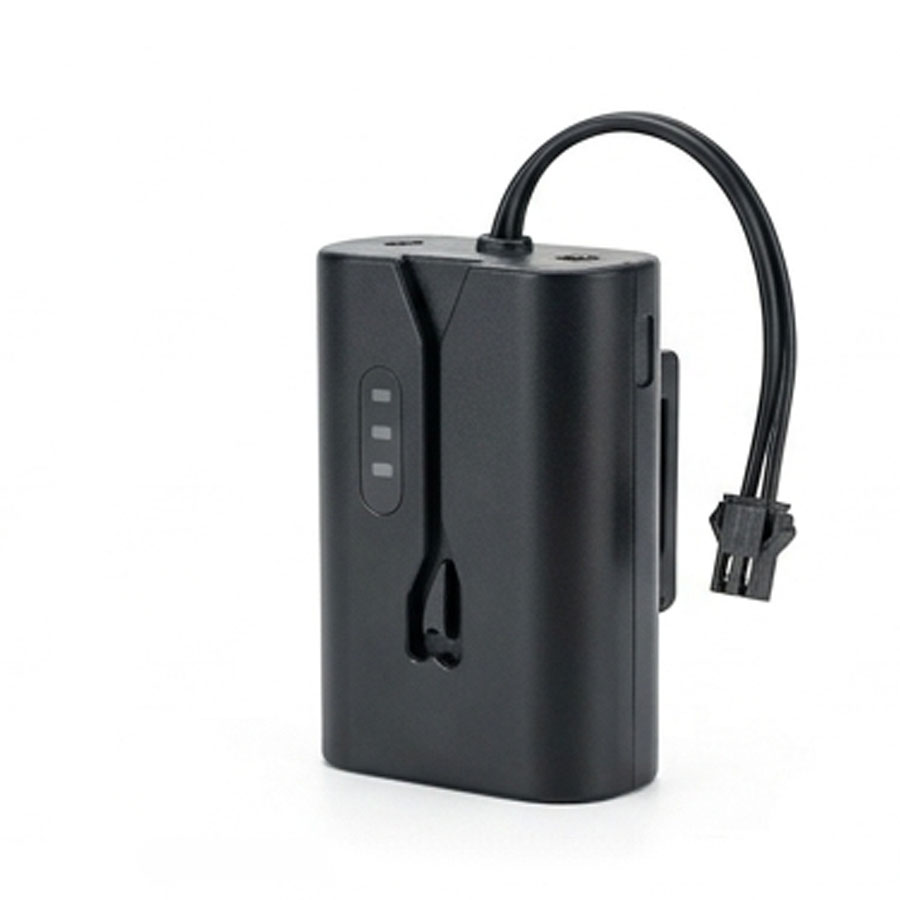
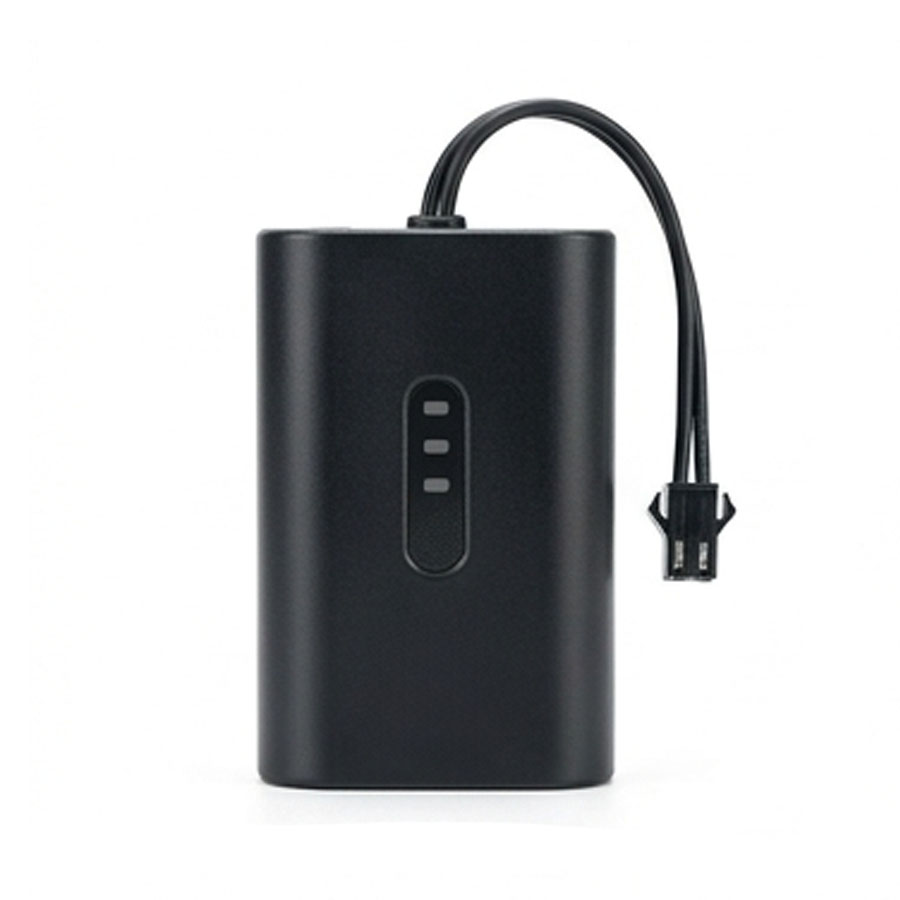
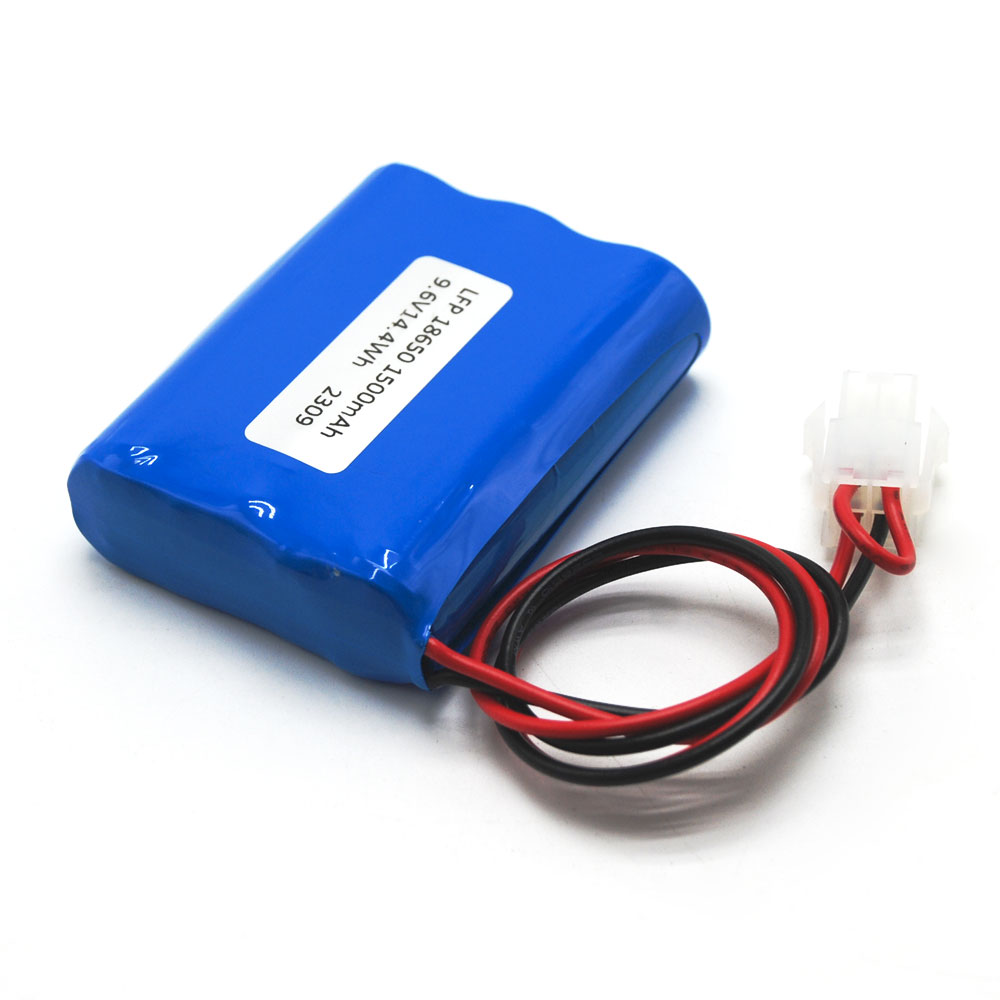
Engineered with a dual-cell parallel (1S2P) configuration to minimize internal resistance (≤ 60 mΩ). Delivers a rock-solid 3A continuous discharge and handles sharp 7.5A transient pulses effortlessly.
Extreme All-Weather Environmental Resilience
Formulated with an advanced wide-temperature electrolyte that operates flawlessly from freezing polar routes to scorching desert highways (-20°C to +70°C).
Plug-and-Play Adaptability & Zero Maintenance
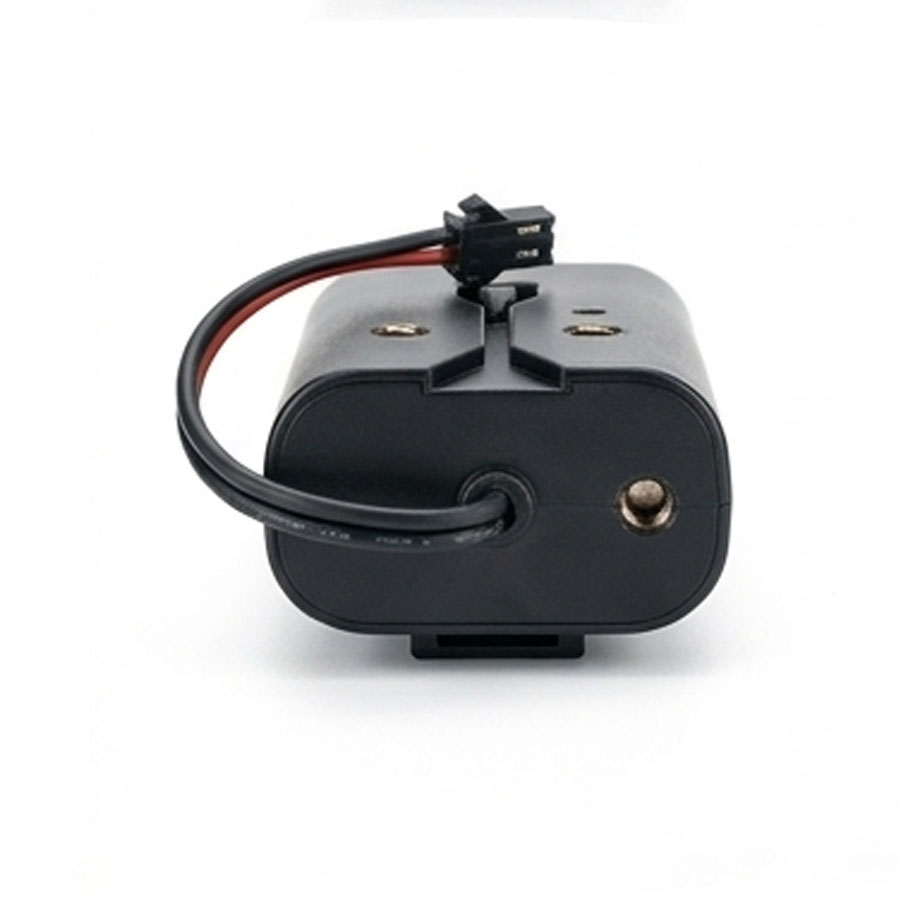
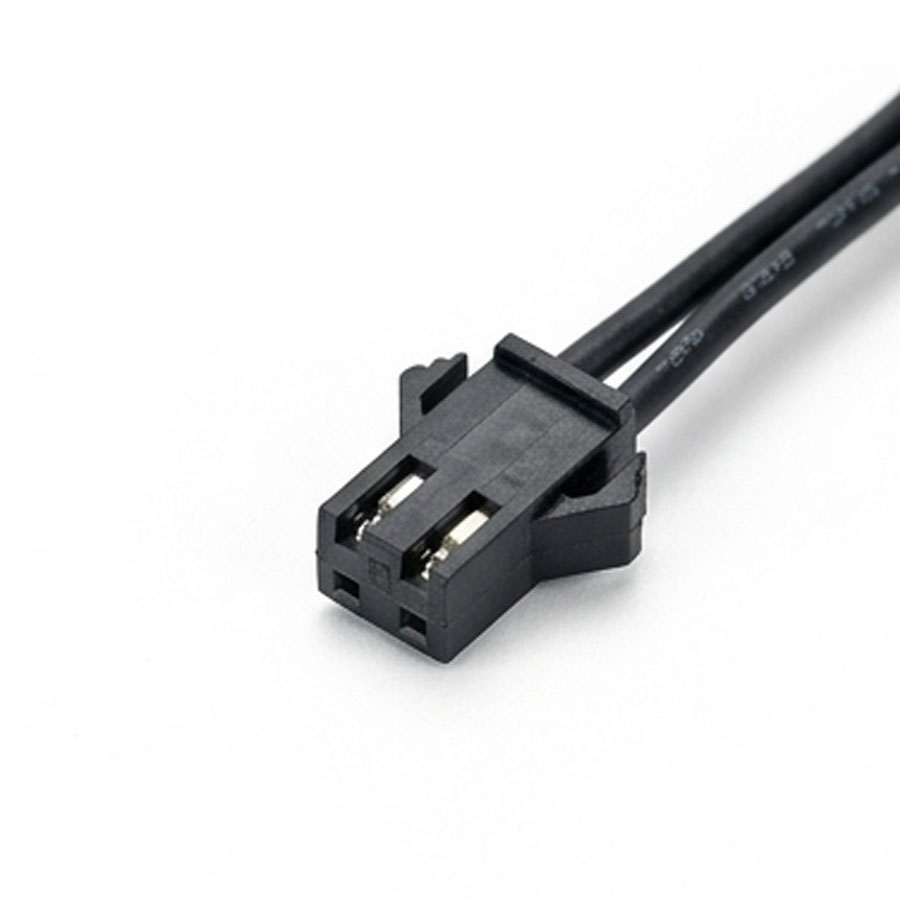
Equipped with flexible 24AWG high-temperature silicone lead wires and a reverse-polarity JST-PH 2.0mm 2-Pin anti-idiot plug for error-free assembly line integration. Fully compatible with micro-solar trickle-charging setups to extend field service life ≥ 2-3 years, drastically lowering fleet operational costs (TCO).
Built for Extremes. Engineered for Uninterrupted Asset Tracking.
📌Never Lose Sight of Your Assets: Erasing the Anxiety of Extreme Weather Power Failures
When a heavy-duty container enters a freezing blizzard or gets baked under desert sun, the last thing you should worry about is whether your tracking device is still breathing. Traditional batteries often choke during intense RF signal bursts under these harsh environments, leaving fleet managers in the dark. We engineered the HIMAX 3.2V 3000mAh LiFePO4 battery to bridge this gap. With a rock-solid 1C continuous discharge and an ultra-wide temperature envelope, it delivers the sudden, massive power needed to pierce through thick steel container walls—guaranteeing that your global assets stay visible, secure, and fully under your control, no matter where the route leads.
📝Precision Built, Peace of Mind: The Industrial Mastery Behind Every Cell
At HIMAX, we believe a battery shouldn’t just pass basic compliance—it must be an ironclad shield for your long-haul supply chain. In our state-of-the-art manufacturing facility, every 1S2P pack is structured with premium Grade-A cells, wrapped in double-layered flame-retardant enclosures, and subjected to rigorous multi-stage testing including thermal abuse, vibration, and mechanical shock simulation. We don’t cut corners because we know a single battery failure can compromise a high-value cargo. Our dedication to zero-thermal-runaway safety and strict UN38.3/CE standard matching means you are not just buying a component; you are partnering with a dedicated factory that breathes reliability into your global operations.
Welcome to the HIMAX Technical FAQ Guide. This engineering-focused resource is meticulously compiled by our senior battery R&D team to address critical technical dimensions regarding our 3.2V 3000mAh LiFePO4 pack. From electrochemistry performance and rugged structural design to international compliance standards, this matrix provides transparent, data-driven answers to help global system integrators and asset tracking engineers achieve seamless hardware matching and absolute power reliability.
How does this LiFePO4 battery pack interact with micro-solar panels, and what is the recommended pulse-charging management to prevent lithium plating?
Our Grade-A LiFePO4 cells are optimized for floating and trickle-charge regimes typical of micro-solar setups. Since container solar panels generate intermittent, low-current inputs, the battery’s chemical formulation safely supports shallow charge-discharge cycles without memory effects. For solar MPPT or M12 fast-charging algorithms, we recommend a CC/CV (Constant Current/Constant Voltage) profile: charge at a maximum of 0.5C (1.5A) up to a 3.65V cut-off. To prevent cold-weather lithium plating, charging must be restricted or regulated via the terminal’s BMS when temperatures drop below 0°C.
What is the typical internal resistance of this 1S2P configuration, and how does it prevent terminal brownouts during heavy RFID/GPS active transmissions?
By wiring two premium 18650 cells in parallel (1S2P), the total DC Internal Resistance (DCIR) of the pack is slashed to $\le 60\text{ m}\Omega$. When an active RFID or dual-mode GPS module wakes up and draws a sudden 2.5A pulse current, this ultra-low internal resistance minimizes the transient voltage drop (Voltage Sag). Unlike standard Li-ion chemistries that might dip below the MCU’s low-voltage cut-off, the HIMAX LiFePO4 platform firmly maintains an operating voltage above 3.0V during intense RF signal penetration, completely eliminating terminal brownouts or unexpected resets.
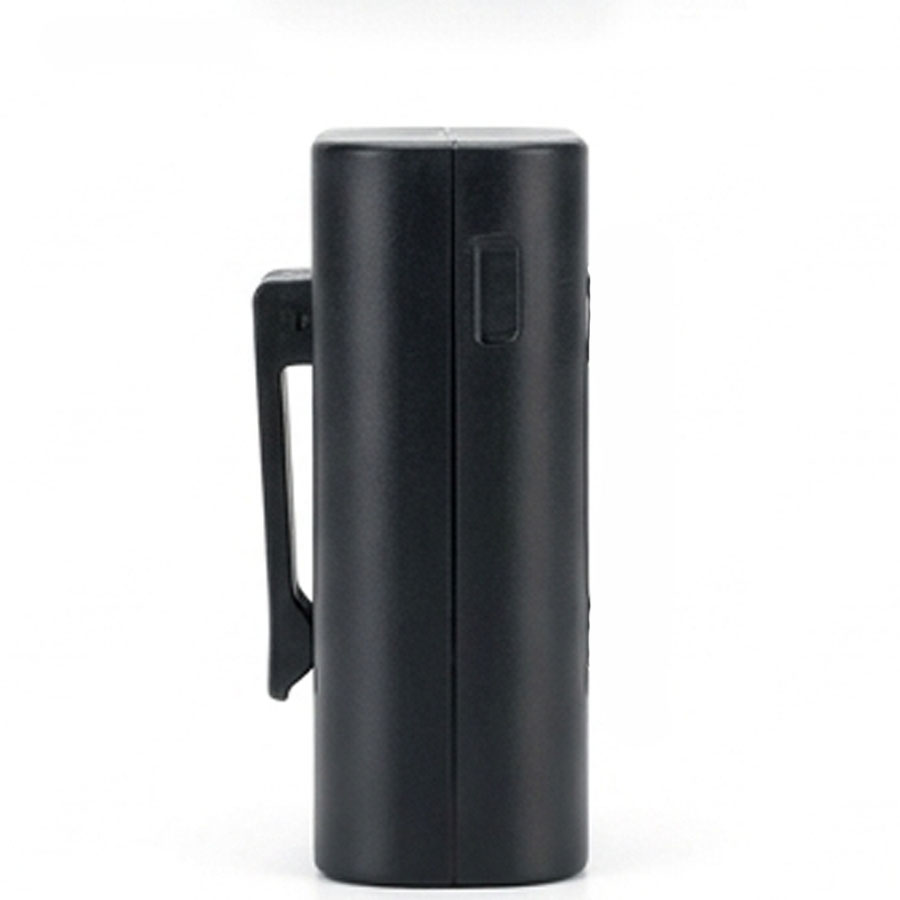
How does the mechanical design of the 25×40×70mm ABS enclosure protect the battery cells against persistent, severe vibrations on truck chassis?
Heavy-duty truck chassis encounter constant high-amplitude vibrations and road shocks. Our battery cells are not loosely housed; they are first encapsulated with structural epoxy insulating boards, securely spot-welded with thickened pure nickel strips, and then shock-absorbed within a customized, flame-retardant industrial ABS outer casing. This tight multi-layer layout dampens external mechanical stress, prevents micro-cracks in weld joints, and ensures the interior 24AWG high-temperature silicone wires remain intact over thousands of miles of rough land freight.
What cross-border shipping certifications does this specific battery hold, and how does it comply with current IMDG and IATA regulations for commercial tracking devices?
The HIMAX 1S2P LiFePO4 battery pack is fully certified under UN38.3 (including thermal, vibration, shock, and short-circuit testing) and is accompanied by certified MSDS and Safety Transport Reports. For international freight, because the total energy of this pack is only 9.6Wh (well under the strict 20Wh threshold for individual lithium-ion cells), it can be transported globally with fewer restrictions under Section II of PI965/PI967 for air, and compliant with IMDG codes for ocean shipping, ensuring smooth customs clearance at major global ports.
What is the actual capacity retention rate when operating continuously at the +70°C heat upper-limit, and what is its true service life in real-world tracking deployments?
While extreme heat accelerates chemical aging in standard batteries, our specialized wide-temperature electrolyte prevents rapid SEI (Solid Electrolyte Interphase) film breakdown. When tested continuously at +70°C, the battery retains > 80% of its nominal capacity after 1,000 deep cycles. In real-world asset tracking scenarios where the terminal utilizes micro-solar trickle charging (shallow 10%–20% DOD cycles), the actual stress on the chemistry is significantly reduced. This extends the field service life to 2–3 years of maintenance-free operation, maximizing your tracking hardware return on investment (ROI).