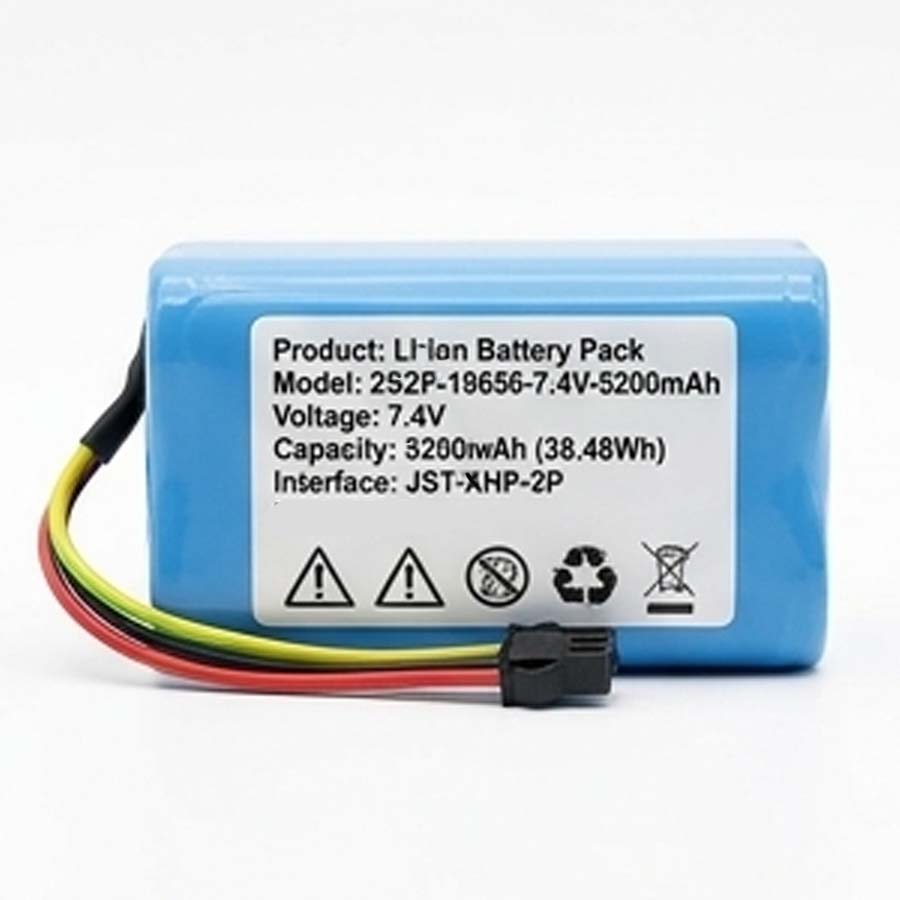
Tailored for Enterprise IoT UPS Applications: Engineered specifically as an embedded uninterruptible power supply (UPS) for indoor communication gateways, providing up to 7 hours of autonomous backup power (at 5W load) to execute critical cloud-level power failure alerts during grid outages.
Precision 10kΩ NTC Thermal Integration: Features an integrated internal thermistor output via a dedicated yellow/green signal line, allowing host hardware to dynamically manage charging algorithms and maintain alignment with global safety standards like UL and CE safety frameworks.
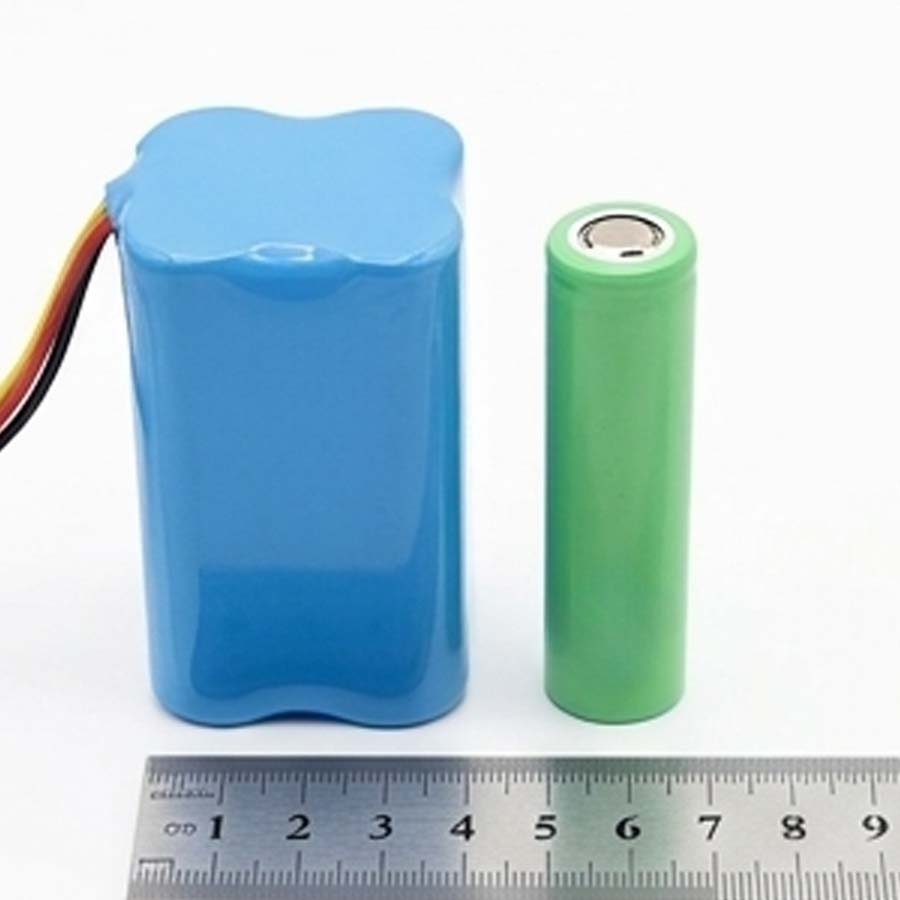
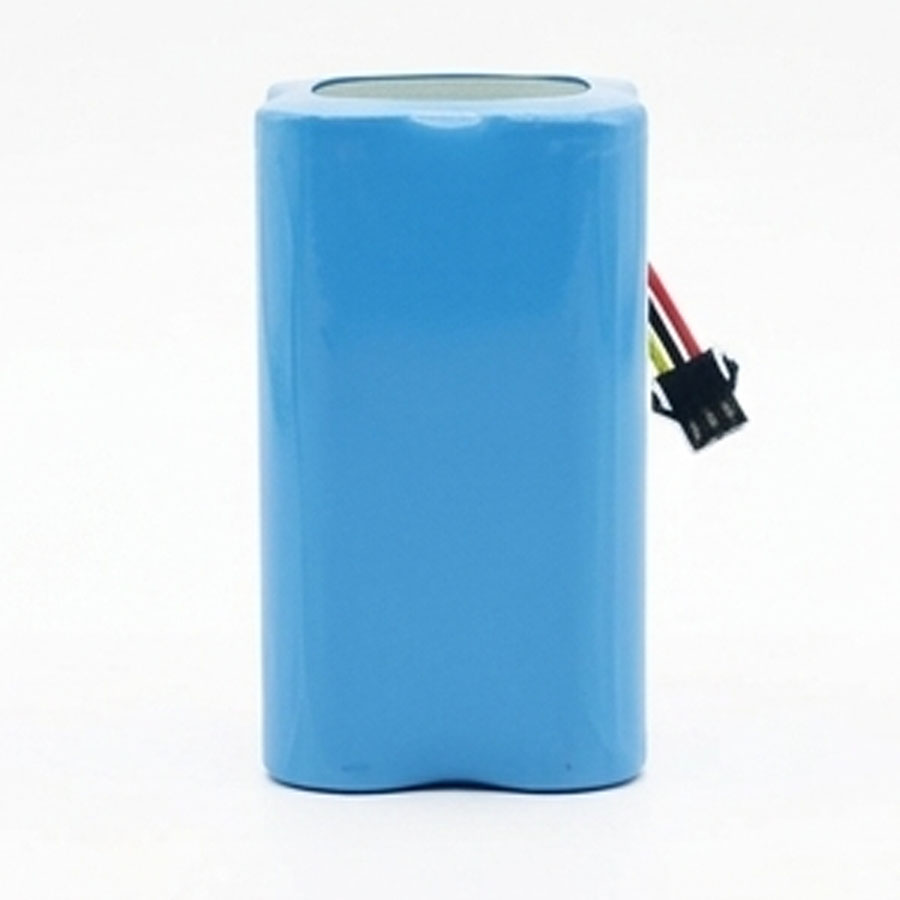
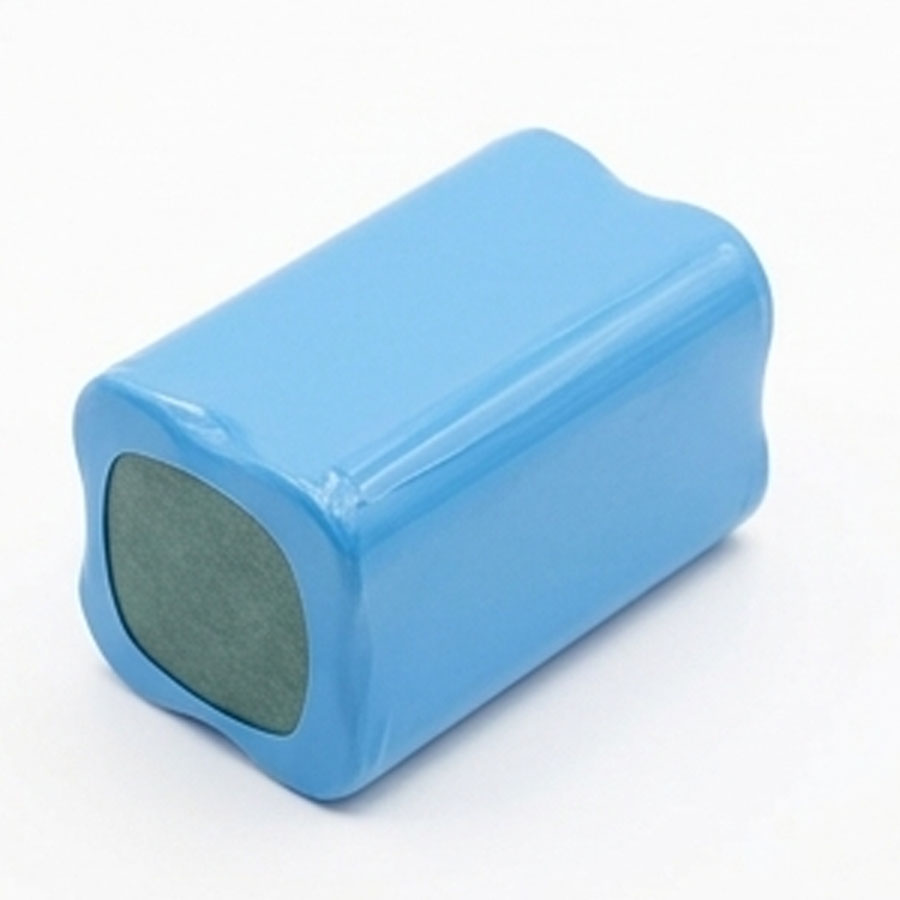
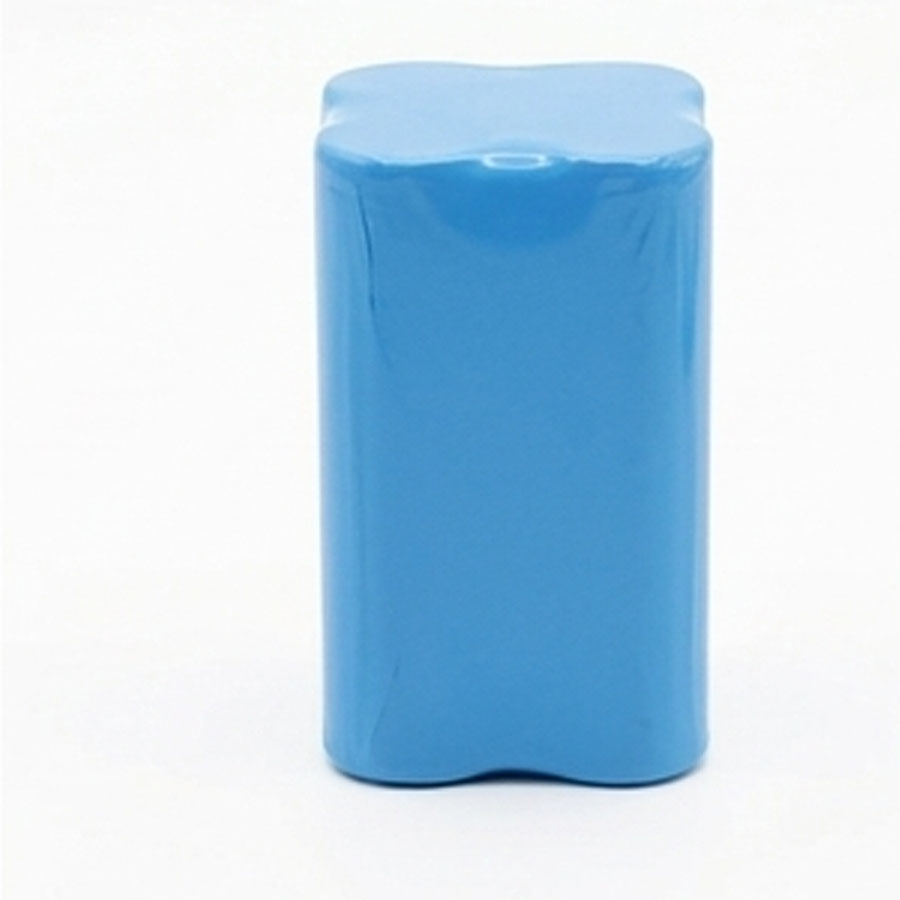
High-Density Cuboid Form Factor: Measures only 38.0mm x 38.0mm x 70.0mm, packing a high-capacity 5200mAh 2S2P matrix into a minimized cuboid profile that simplifies drop-in mechanical placement within dense hardware housings.
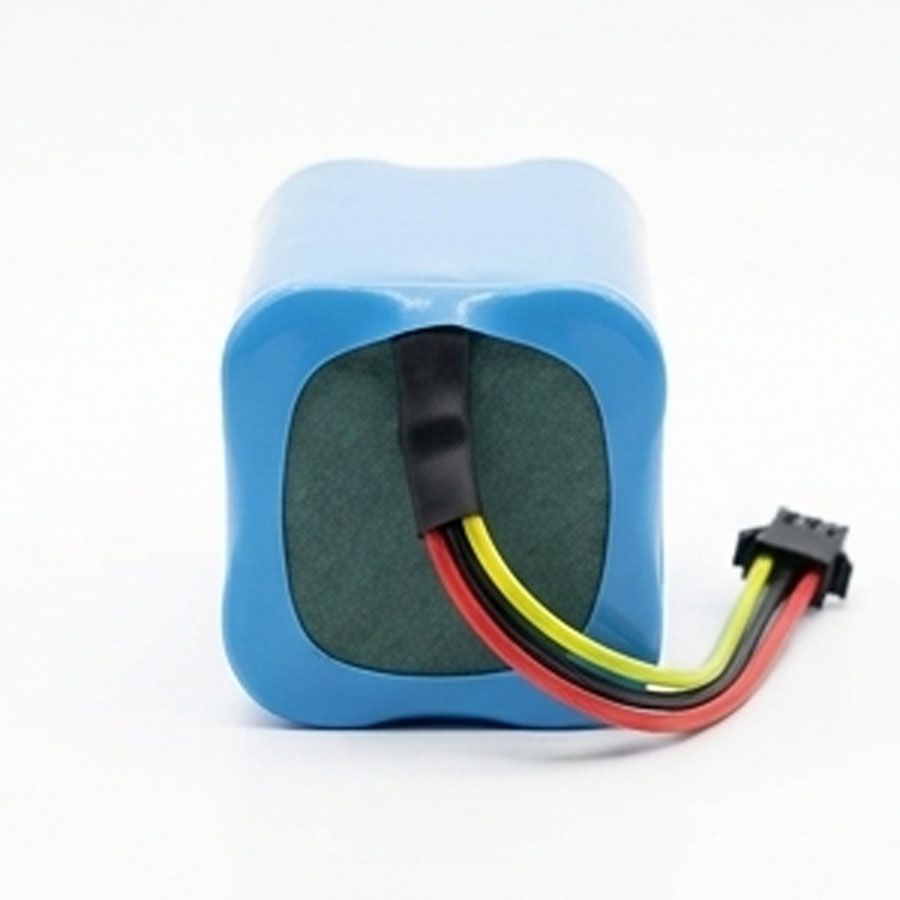
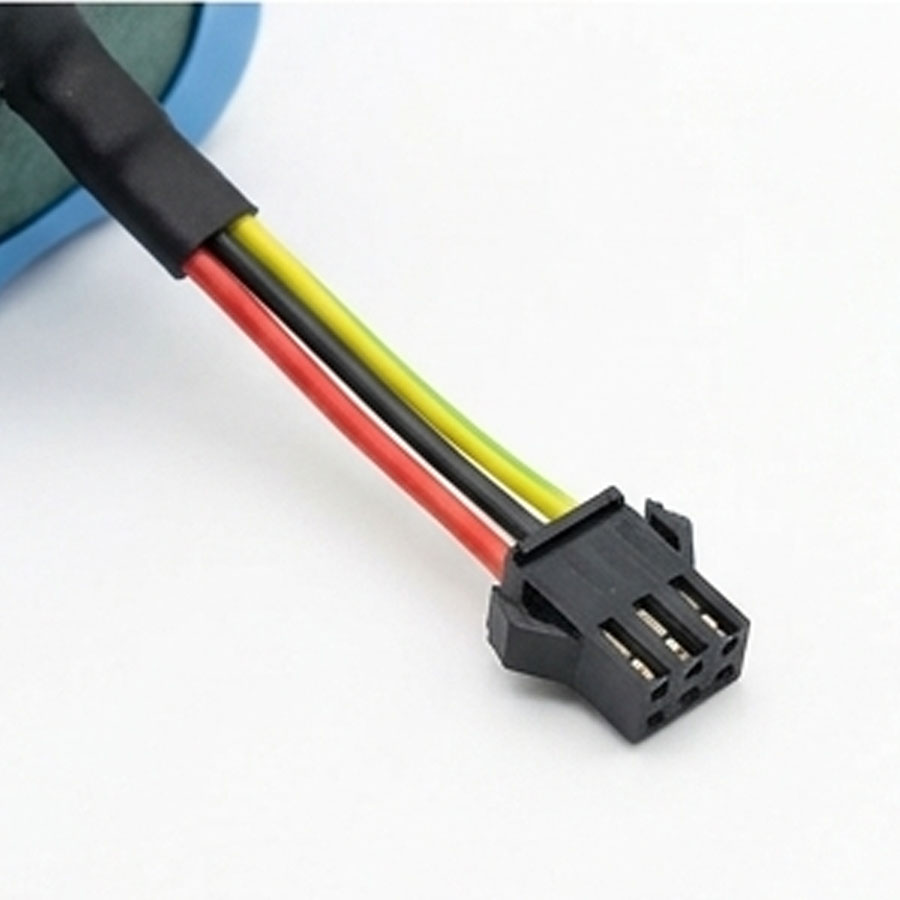
Fully Adaptable OEM/ODM Interface Scope: Outfitted with a standard JST-XHP-3P (2.54mm pitch) connector, with full options to customize wire length, AWG specifications, connector models (e.g., Molex, Hirose), and specialized BMS overcurrent trip limits to match your precise hardware rail.
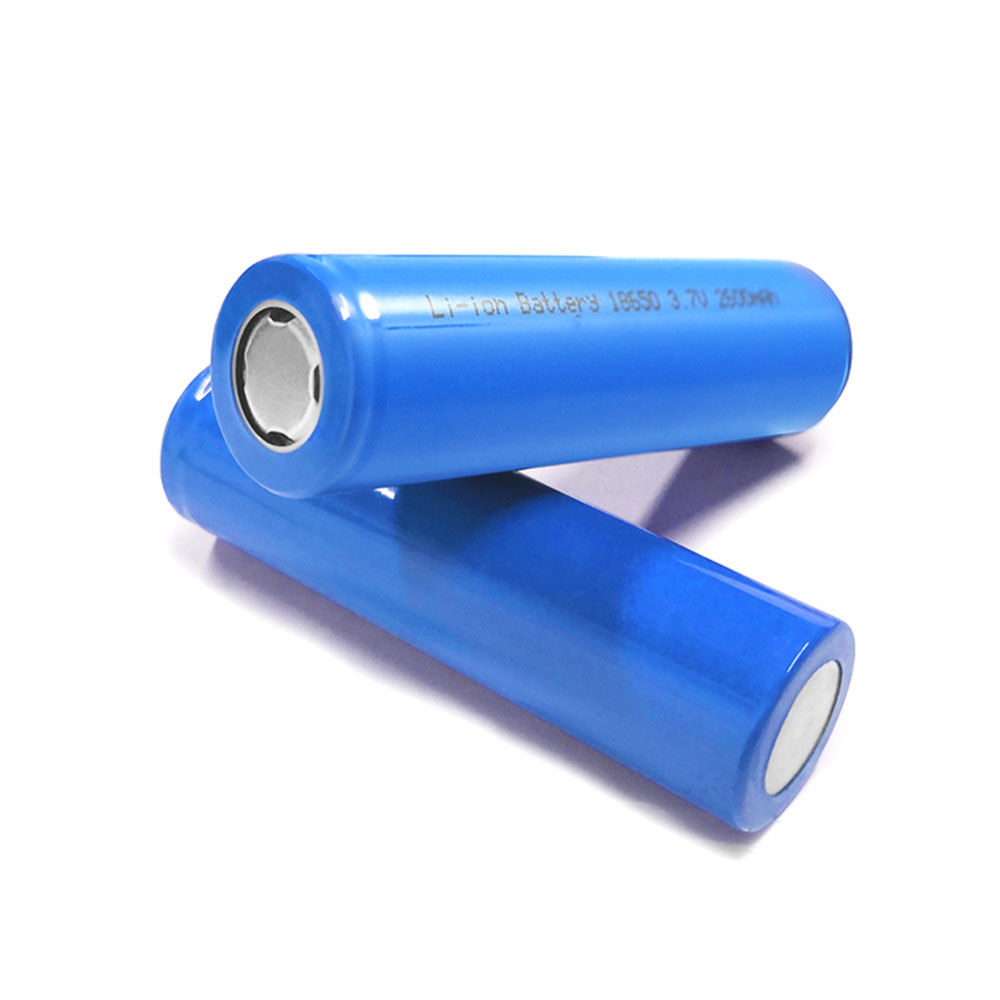
Engineered for Resilience: Customizable 18650 Battery Solutions for Mission-Critical IoT
Bridge power disruptions effortlessly. HIMAX provides precision-tailored dimensions, advanced protective BMS circuits, and flexible connector interfaces for global networks.
In indoor enterprise LoRaWAN gateways, internal backup batteries spend the vast majority of their operational lifespan in a continuous float-charging state via PoE or 12V DC adapters. Standard lithium-ion configurations often suffer from accelerated capacity fade, electrolyte oxidation, and localized thermal stress when held at high terminal voltages (8.4V) for extended periods. Caleb and the HIMAX engineering team address this critical operational pain point by deploying Grade-A, high-stability 18650 cylindrical cells structured in a optimized 2S2P topology. Our internal chemistry profile utilizes modified cathode formulations that significantly lower parasitic reactions under prolonged voltage suspension. This prevents internal gas generation and guarantees that when a primary power disruption occurs, the full 38.48Wh rated energy capacity instantly transitions onto the power rail—sustaining a typical 5W enterprise gateway for up to 7 hours of uninterrupted telemetry. The entire manufacturing framework is executed under strict quality baselines, ensuring the layout conforms to global standard baselines such as UN38.3 and IEC 62133.
⚙️ Application-Specific Integration: Overcoming Compact Space and Thermal Bottlenecks
Hardware deployment within modern, sealed enterprise gateways presents extreme physical limitations: tightly constrained enclosure footprints, minimal active airflow, and persistent radiant heat from adjacent PoE modules. The HIMAX 7.4V 5200mAh battery pack features a high-density, cuboid block profile measuring approximately 38.0mm x 38.0mm x 70.0mm, specifically engineered to slide into restricted internal bays without impeding PCB thermal paths. To address electrical and environmental safety, we reject generic wiring and integrate an explicit 3-wire system terminating in a genuine JST-XHP-3P (2.54mm pitch) connector. The yellow/green signal line is tied to a highly precise 10kΩ NTC thermistor, enabling the host gateway’s charging logic to continuously read the cell pack’s actual thermal matrix. If localized temperatures cross critical safety limits during simultaneous long-range RF transmissions and charging bursts, the host system can immediately throttle back the current. This active hardware-level communication matches design philosophies found in global frameworks like UL2054 and CE, giving field deployment engineers complete peace of mind.
Specifications
Li-ion 18650 7.4V 5200mAh Battery Pack
Brand
HIMAX Battery
Battery Type / Chemistry
Cylindrical Lithium-ion
Cell Configuration / Model
18650-2S2P / Grade-A Premium 2600mAh
Nominal Voltage
7.4V
Fully Charged Voltage
8.4V
Discharge Cut-off Voltage
6.0V
Nominal Capacity
5200mAh / 0.2C standard discharge
5200mAh / 0.2C standard discharge
38.48Wh
Internal Resistance (IR)
≤ 120mΩ (AC 1kHz after assembly)
Standard Charging Current/Method
1040mA (0.2C) / Constant Current - Constant Voltage
Max Charging Current
2600mA (0.5C) / Customizable upon request)
Max Continuous Discharge Current
2600mA (0.5C)
Peak Pulse Discharge Current
7800mA (1.5C) for < 2 seconds / Tailored for LoRa transmission bursts
Operating Temp (Discharge)
-20°C to +60°C
Operating Temp (Charge)
0°C to +45°C
Cycle Life & DOD%
≥ 500 cycles to 80% of initial capacity at 80% DOD
BMS/PCM Protection Functions
Overcharge, Over-discharge, Overcurrent, Short-Circuit, and Embedded Cell Balancing / Hardware or Software I2C Smart BMS customizable
Welcome to the HIMAX Technical Support Matrix for the 7.4V 5200mAh LoRaWAN Gateway Battery Pack. This technical guide is compiled by our senior engineering team to answer deep hardware integration, electrochemical, and deployment-level queries raised by procurement managers and hardware developers. Our development framework aligns with global quality baselines to ensure flawless integration into enterprise ecosystem rails.
How does HIMAX ensure the material safety and thermal stability of this pack when deployed inside tightly sealed, unventilated enterprise gateways?
Safety begins at the cell selection level. We utilize premium, Grade-A 18650 cylindrical cells that incorporate internal mechanical pressure-relief vents and advanced PTC thermal resistors. Mechanically, the 2S2P array is wrapped in heavy-duty, flame-retardant industrial PVC and isolated with heat-resistant insulation barriers. Electrically, the embedded Battery Management System (BMS) incorporates dedicated over-temperature protection (OTP) circuitry. The system chemistry profile is balanced to limit thermal runaway proliferation, and the overall pack architecture satisfies the benchmark criteria of global safety protocols like IEC 62133 and UL2054.
LoRaWAN gateways experience high, transient current spikes during long-range RF packet transmissions. How does this pack handle these transient behaviors without triggering sudden voltage drops?
While the gateway’s average idle consumption is around 5W (~0.67A at 7.4V), RF transmission bursts can cause high, instantaneous current spikes. Our 2S2P layout splits the load across parallel cell strands, inherently halving the transient internal resistance (IR) stress on individual cells. The pack is rated for a continuous discharge of 0.5C (2.6A), but its dynamic electrochemical profile easily supports brief pulse currents up to 1.5C (7.8A) for less than 2 seconds. The low-impedance MOS switches selected for our BMS prevent the voltage rail from dipping below the host device’s brownout threshold, maintaining stable telemetry throughout transmit cycles.
Since the battery acts as an internal UPS, it will remain at a continuous 100% state-of-charge (SoC). How does HIMAX mitigate long-term trickle/float charging degradation?
Continuous exposure to 100% SoC at elevated voltage accelerated degradation in standard lithium formulations. To counteract this, HIMAX integrates tailored BMS voltage cut-off tuning options. We can set the top-of-charge threshold slightly below the absolute physical maximum (e.g., terminating at 4.15V per cell instead of 4.20V) if requested by the client’s engineering specification. Furthermore, our cell chemistry utilizes specialized electrolyte additives designed to passivate the electrode surfaces, severely reducing parasitical oxidation and structural degradation during prolonged standby floating. This optimization extends the design standby float life to 3–5 years in indoor enterprise environments.
Our enclosure has a very unique layout. What are the strict limitations and options regarding physical form factor, wiring harness, and connector customization?
As an agile OEM/ODM manufacturer, HIMAX offers extensive engineering flexibility. While the standard option is a 2S2P cuboid block (38x38x70mm) with a JST-XHP-3P connector, we can reconfigure the layout into a linear, flat “stick” profile (e.g., 1S4P or alternative 2S2P mechanical linear layouts) to fit shallow slots. We can fully customize wire length, change insulation types (silicone or Teflon for high heat), and swap the connector to Molex, Hirose, or JST variants according to your hardware print. All physical custom revisions are pre-validated through our internal engineering review to ensure compliance with the mechanical stability requirements of UN38.3 packaging baselines.
How does the integrated 10kΩ NTC signal interact with the host system’s charging rail logic to prevent unsafe charging states?
The green/yellow wire routes directly from a high-precision NTC thermistor embedded in the thermal core of the cell matrix. This thermistor provides an analog resistance output that correlates precisely to cell temperature (10kΩ at 25°C, Beta value 3950K). Your gateway’s charging IC or microcontroller reads this value via a simple voltage divider circuit. This enables your host hardware logic to automatically halt the charging current if temperatures drop below 0°C or rise above 45°C—which are critical threshold rules aligned with CE and IEC charging compliance baselines—while still allowing the gateway to safely discharge and transmit telemetry data during emergencies.