Batteries power thousands of modern devices. From smartphones and drones to electric wheelchairs and solar storage systems, battery technology is part of everyday life. However, many buyers, engineers, and product managers often ask a simple question: What is the difference between a battery cell and a battery pack?
Understanding this difference helps businesses choose the right power solution. It also helps product designers improve performance, safety, and battery life. In this guide, we explain battery cells, battery packs, and how each one works in real-world applications.
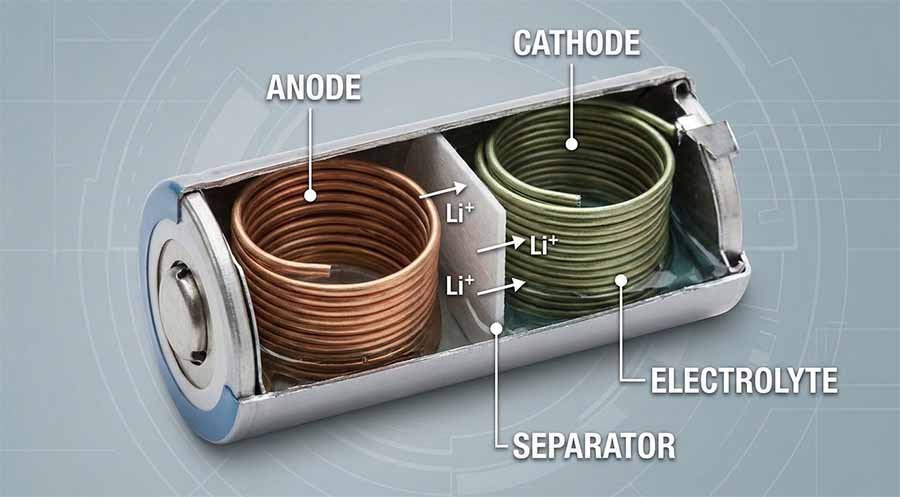
A battery cell is the smallest functional unit of a battery. It stores electrical energy and converts chemical energy into electricity.
Inside a battery cell are several core components:
- Anode
- Cathode
- Electrolyte
- Separator
When the cell operates, chemical reactions occur between the electrodes. These reactions generate electrical current.
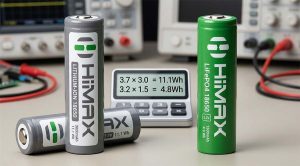
Most lithium-ion cells have a nominal voltage of about 3.6V or 3.7V. Other chemistries may vary. For example:
- LiFePO4 cell: about 3.2V
- Lithium-ion cell: about 3.6–3.7V
Each individual cell provides limited capacity and power. Because of this limitation, many devices cannot run on a single cell alone.
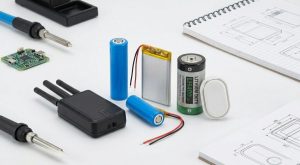
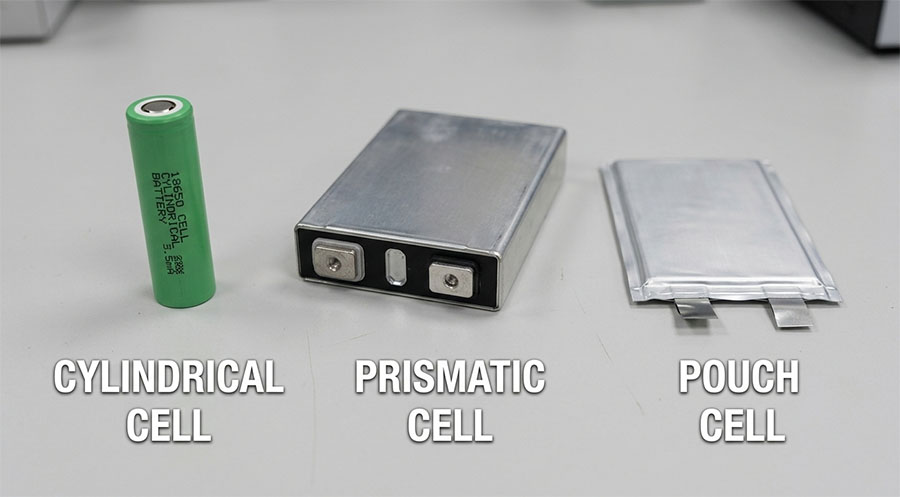
There are several common formats used in electronics and industrial equipment:
Cylindrical cells
Examples include 18650 and 21700 cells. These are widely used in power tools, laptops, and e-bikes.
Prismatic cells
These have a rectangular shape and are often used in electric vehicles and energy storage systems.
Pouch cells
These cells are lightweight and flexible. They are commonly used in drones, tablets, and slim electronic products.
Each format has advantages in terms of weight, cooling, energy density, and space usage.
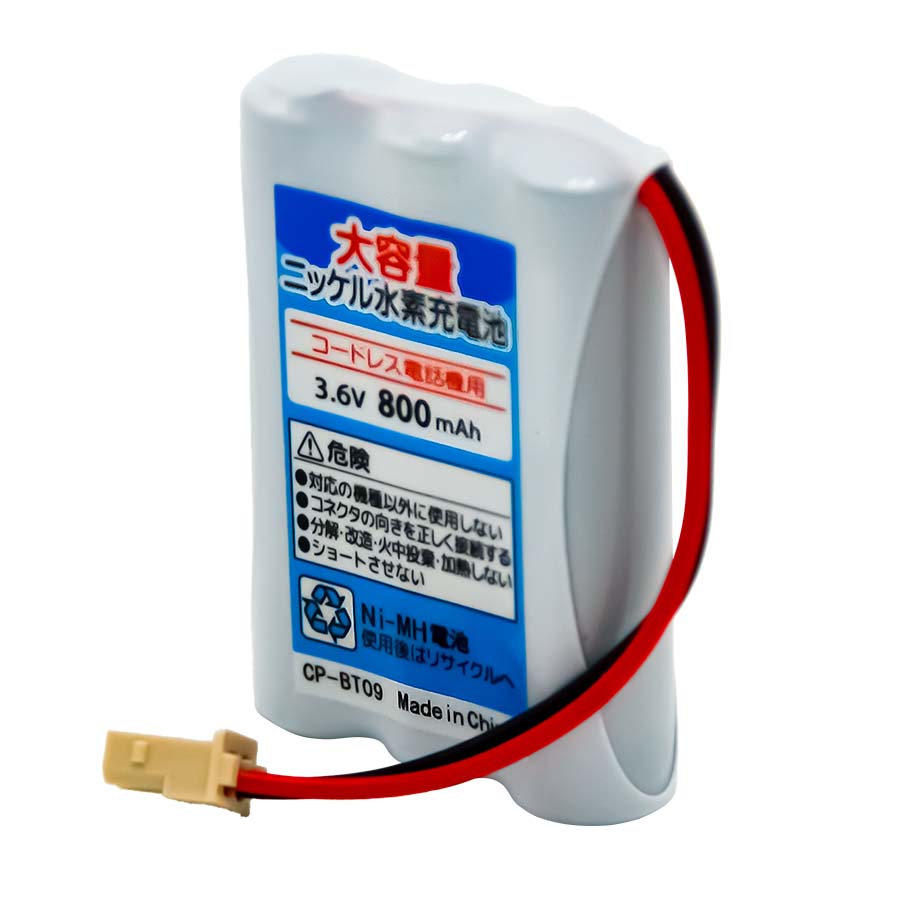
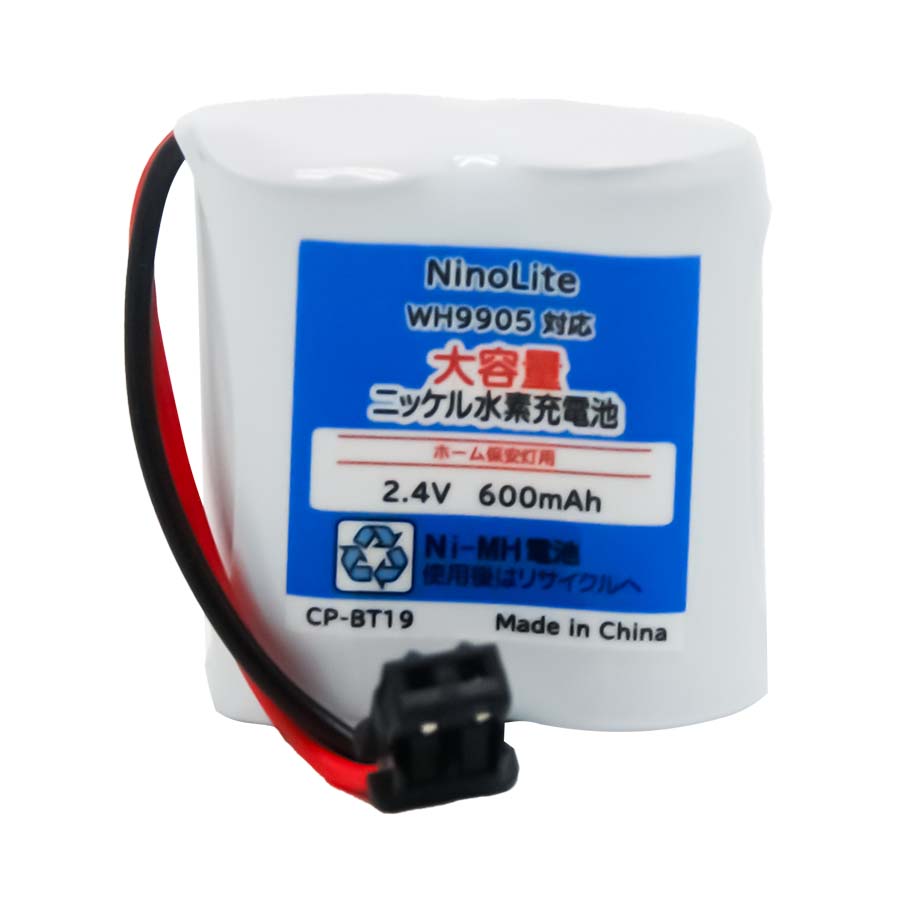
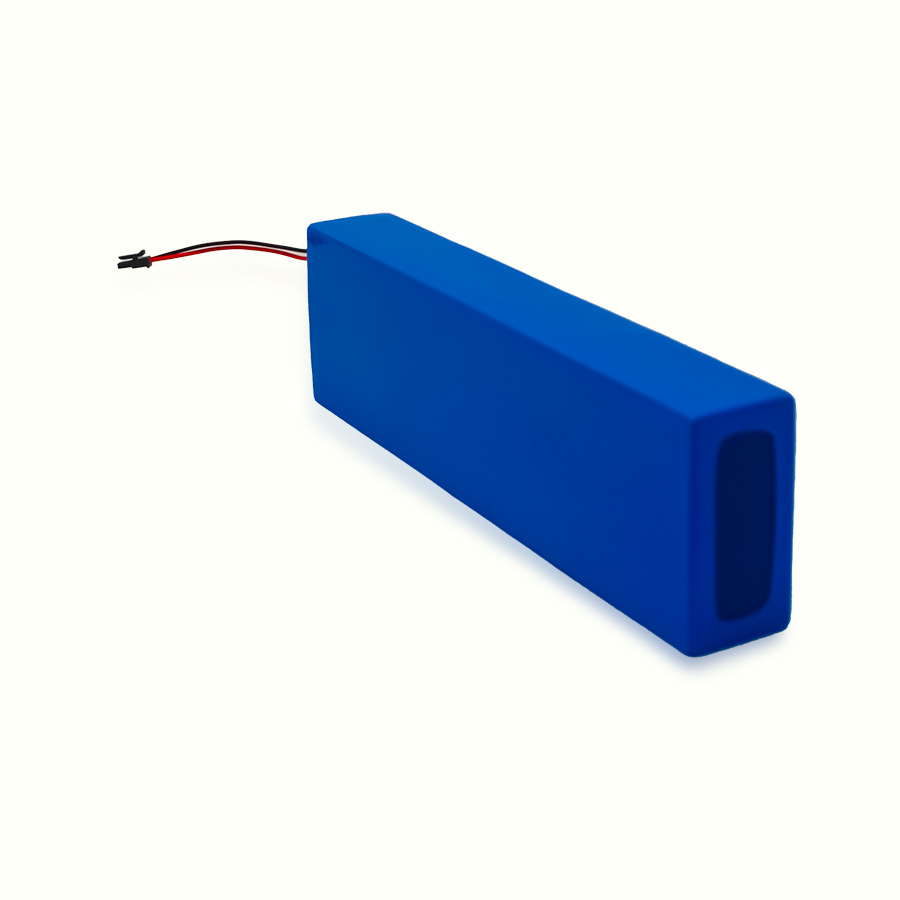
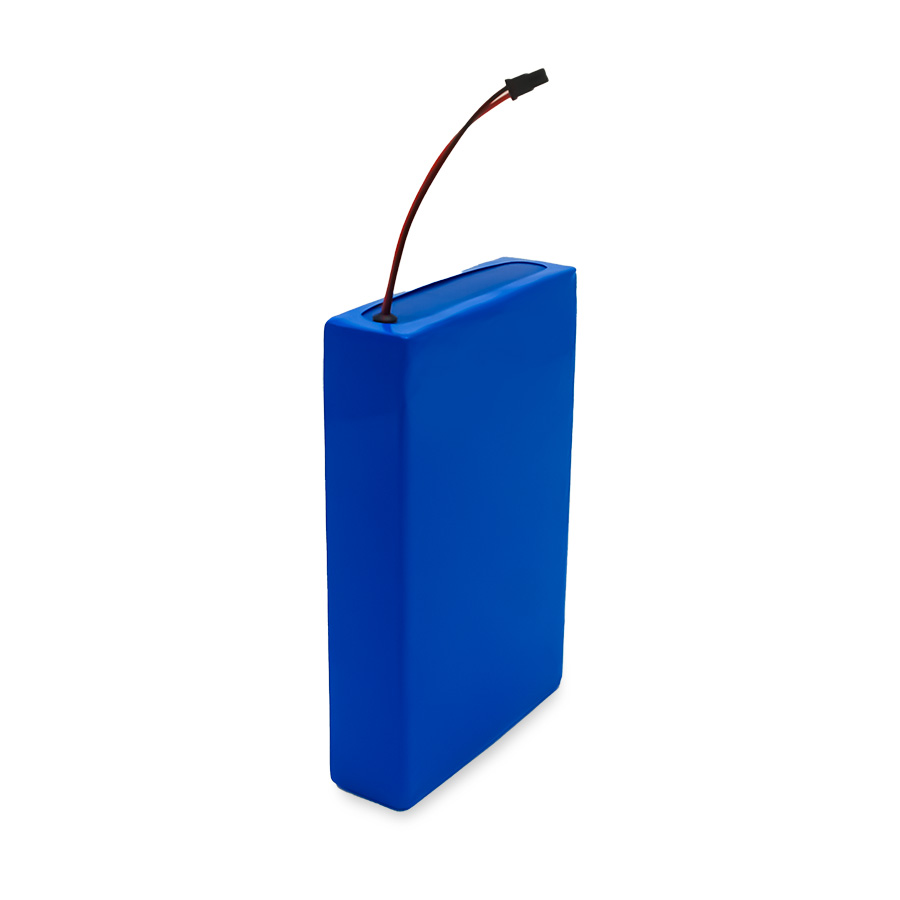
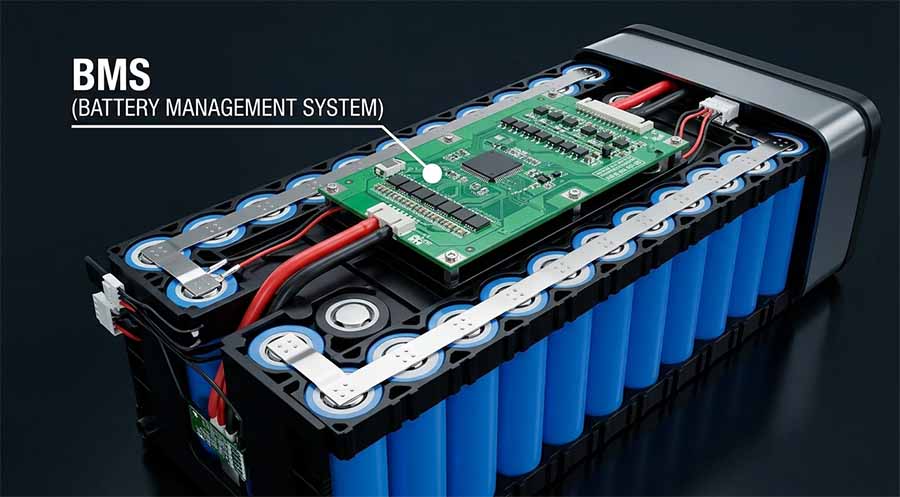
A battery pack is a complete power system made from multiple battery cells combined together. The cells are connected in series, parallel, or both.
A battery pack usually includes:
- Multiple battery cells
- Battery Management System (BMS)
- Protective casing
- Wiring and connectors
- Temperature sensors
The purpose of a battery pack is to provide the voltage, capacity, and safety features needed for real devices.
For example:
- A single lithium cell: 3.7V 3000mAh
- A battery pack for an e-bike: 36V 10Ah
- A wheelchair battery pack: 24V 20Ah
Without combining cells into packs, most equipment would not function properly.
Key Differences Between Battery Cells and Battery Packs
Although they are related, battery cells and battery packs serve different roles.
Battery Cell
A single energy storage unit.
Battery Pack
A system built from many cells plus electronic protection.
Battery Cell
Usually between 3V and 4V depending on chemistry.
Battery Pack
Can range from 7.4V to hundreds of volts depending on design.
Battery Cell
Limited capacity.
Battery Pack
Higher capacity because many cells work together.
Battery Cell
Basic safety built into the cell.
Battery Pack
Advanced protection using a BMS.
Battery Cell
Used by manufacturers to build packs.
Battery Pack
Used directly in products and equipment.
Why Manufacturers Use Battery Packs
Most devices require more energy than a single cell can provide. By combining cells, engineers can design a battery system that meets specific requirements.
Battery packs allow manufacturers to control:
- Voltage
- Capacity
- Discharge rate
- Safety protection
- Product lifespan
For example, if a device needs 24V, engineers connect several cells in series. If more runtime is needed, they connect additional cells in parallel.
This flexibility is one reason lithium battery technology has become so popular across industries.
Real-World Use Case: Electric Wheelchair
Electric wheelchairs are a good example of why battery packs are necessary.
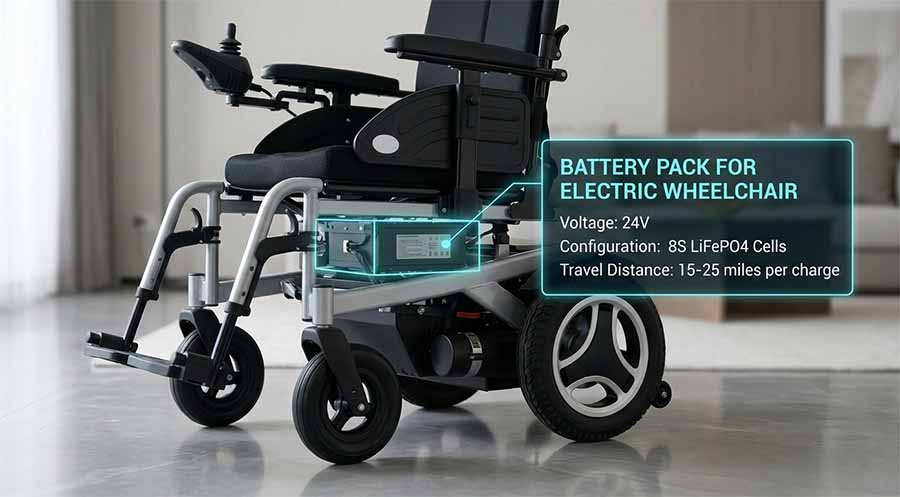
A typical wheelchair motor requires 24V power and stable current output. A single lithium cell cannot provide that voltage. Engineers therefore build a battery pack using multiple cells.
Example configuration:
- Individual cell: 3.2V 6000mAh LiFePO4
- Pack configuration: 8 cells in series
- Final battery pack: 24V 6Ah or higher
In real usage, wheelchair users depend on battery reliability. A properly designed battery pack can deliver:
- Stable power during long trips
- Longer travel range
- Consistent motor performance
Users often report travel distances of 15–25 miles per charge with modern lithium battery packs.
Real-World Use Case: Drone Batteries
Consumer drones rely heavily on battery pack design.
A drone may use lithium polymer pouch cells arranged into a pack such as:
14.8V 5000mAh (4S configuration)
Why a pack is necessary:
- Motors require higher voltage
- Flight time depends on total capacity
- Safety monitoring is critical
Drone users notice the difference immediately. A high-quality battery pack can extend flight time from 18 minutes to more than 30 minutes depending on the drone model.
This improvement comes not only from larger capacity but also from efficient battery pack design.
Real-World Use Case: Home Solar Storage
Energy storage systems also depend on battery packs.
A single lithium cell cannot power a house. Instead, hundreds or thousands of cells are combined into modules and packs.
Example system:
- Individual cell: 3.2V 100Ah
- Module: 51.2V
- Full storage system: 5kWh – 20kWh or more
Homeowners benefit from:
- Backup power during outages
- Energy savings
- Solar energy storage
In these systems, the battery pack architecture determines reliability and lifespan.
The Role of the Battery Management System (BMS)
One of the biggest differences between a battery cell and a battery pack is the Battery Management System.
The BMS performs several critical functions:
- Prevents overcharging
- Prevents over-discharging
- Balances cell voltage
- Monitors temperature
- Protects against short circuits
Without a BMS, a multi-cell battery pack could become unstable or unsafe.
For high-power applications like wheelchairs, robotics, or marine equipment, the BMS is essential.
Custom Battery Packs for Different Industries
Different industries require different battery pack designs. A one-size-fits-all approach rarely works.
For example:
Medical devices
Need reliable and safe battery packs with long service life.
Robotics
Require high discharge rates.
Outdoor equipment
Needs strong durability and waterproof design.
Electric mobility
Requires lightweight packs with high energy density.
Battery manufacturers often customize packs to match the exact requirements of the device.
How HiMAX Supports Battery Cell and Battery Pack Solutions
As one of the world’s leading battery manufacturers, HiMAX develops both high-quality battery cells and complete battery pack solutions.
HiMAX focuses on:
- High energy density lithium cells
- Long cycle life designs
- Advanced BMS technology
- Custom battery pack engineering
- Strict safety testing
For equipment manufacturers, this means they can source batteries that match their exact product needs.
Whether the application is an electric wheelchair, drone, solar storage system, or industrial equipment, a well-designed battery pack improves performance and reliability.
Choosing Between a Battery Cell and a Battery Pack
For most end users, the choice is simple.
Consumers and device owners use battery packs. Manufacturers and engineers work with battery cells to build those packs.
If you are designing a product, understanding this difference will help you:
- Select the correct voltage
- Improve runtime
- Enhance safety
- Reduce maintenance
Battery technology continues to evolve. As energy density improves and battery management systems become smarter, battery packs will become even more efficient.
The difference between a battery cell and a battery pack is fundamental but important. A battery cell is the building block. A battery pack is the complete power solution used in real devices.
From drones and medical equipment to electric mobility and home energy storage, battery packs make modern technology possible. Understanding how they work helps businesses design better products and helps users choose more reliable power systems.
Find articles related to Battery Comparison Tips on HiMAX