When an emergency happens, you depend on your flashlight. You need it to turn on fast. You need it to stay on long enough. You also need it to work in extreme conditions. This is why choosing the right flashlight batteries matters. A strong battery ensures that your flashlight performs well when everything else around you stops working.
Understanding Why the Right Battery Matters
A reliable set of flashlight batteries gives you peace of mind. Emergencies do not follow a schedule. They happen at night, during storms, inside power outages, or during outdoor accidents. If your battery is weak, old, or incompatible, your flashlight might fail exactly when you need it most. This failure can create danger. It can delay rescue. It can stop you from moving safely. A good battery reduces these risks.
Emergency situations also require longer runtime. A strong battery keeps your light bright for hours. This helps you manage tasks, signal for help, check your surroundings, or guide people to safe areas. Buying quality batteries is not a small detail. It is a basic part of your safety plan.
Know the Types of Flashlight Batteries
There are many types of flashlight batteries. Each type works differently and fits different needs. Below are the most common categories.
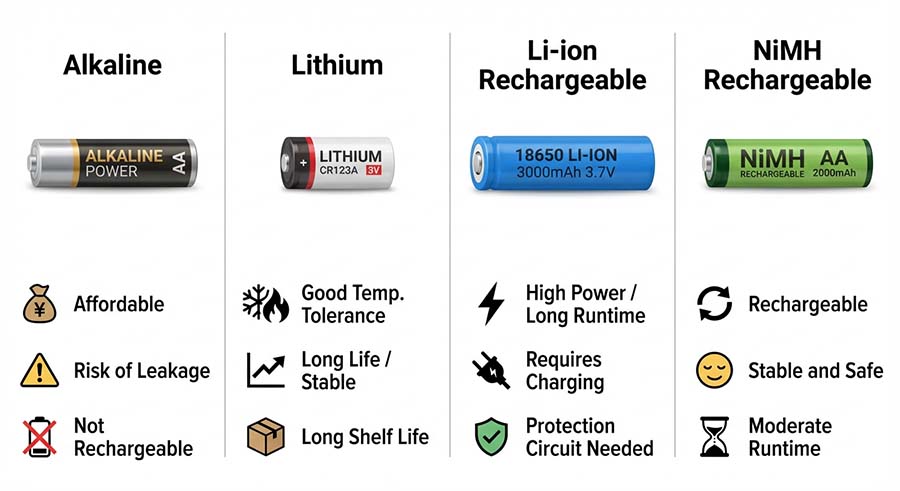
Alkaline batteries are cheap and easy to buy. They work well for basic flashlights that do not need high power. They are not rechargeable. They also leak more easily when stored for long periods. This makes them less ideal for emergency kits, but still useful for backup.
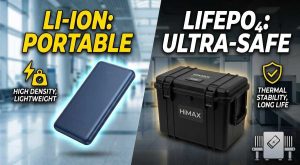
Lithium batteries last longer than alkaline versions. They handle cold and heat better. They are also lighter. Many emergency experts prefer lithium because the power output is stable. They also leak less. For high-drain flashlights, lithium is often the best choice.
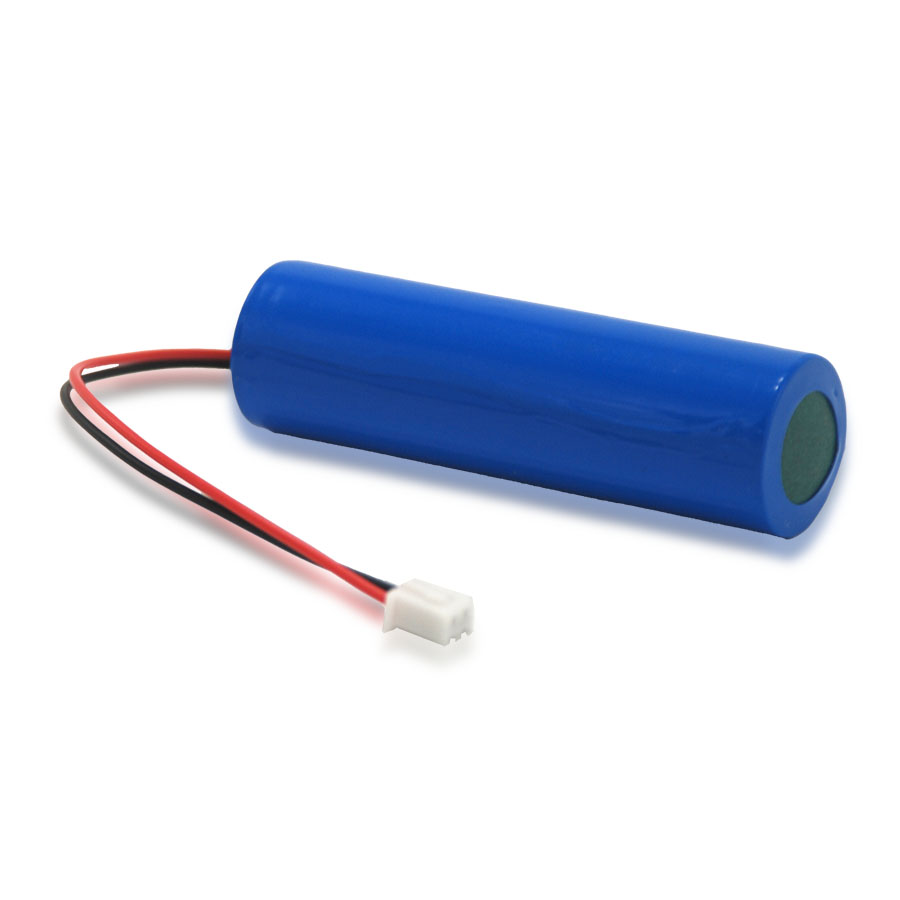
Rechargeable lithium-ion batteries are popular in modern flashlights. They offer strong output and long runtime. They work well in tactical flashlights and emergency rescue lights. However, they need proper charging and safe storage. Some models require custom chargers. If you use these, you must check compatibility carefully.
Nickel-Metal Hydride (Ni-MH) Batteries
Ni-MH batteries are rechargeable and safe. They are good for regular use. They have less energy density than lithium-ion, which means shorter runtime. But they are stable and easier to maintain. They are useful if you want a rechargeable system but do not need extreme brightness.
Understanding these categories helps you match the battery to your flashlight and your emergency needs.
Voltage and Capacity: Two Numbers You Must Understand
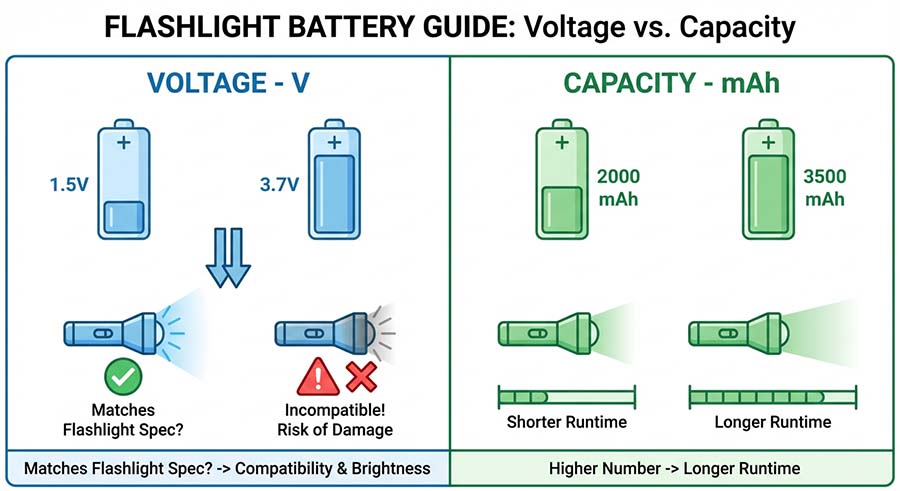
Every battery has a voltage rating. This number affects brightness and compatibility. A flashlight designed for 1.5V alkaline batteries might not support a 3.7V lithium-ion cell. If you insert the wrong voltage, the flashlight can fail or get damaged.
Capacity is measured in milliamp hours (mAh). It tells you how long the battery can run. A higher capacity usually means more runtime. For emergency situations, a higher mAh rating is useful because your flashlight may need to stay on for long periods.
When buying flashlight batteries, always match voltage first. After that, choose the highest safe capacity that fits your device.
Shelf Life Matters in Emergencies
Shelf life refers to how long a battery stays usable while in storage. Emergency kits often sit untouched for months or years. If your battery loses power during storage, your flashlight will not work when you open the kit.
Lithium batteries usually offer the best shelf life, sometimes up to 10 years. Alkaline batteries have shorter shelf life and may leak over time. Rechargeable batteries slowly discharge even when you are not using them. If you choose rechargeables for emergency situations, remember to refresh them every few months.
The best practice is simple: choose batteries with a long shelf life, and check them on a routine schedule.
Consider Temperature Performance
Emergencies do not always happen in comfortable temperatures. A battery stored in your car must survive high heat. A battery carried during winter travel must work in freezing air.
Lithium batteries handle extreme temperatures better than alkaline or Ni-MH versions. They provide stable performance in both hot and cold environments. If you live in an area with harsh seasons, consider lithium as your main power source
Runtime and Power Output Requirements
Your emergency flashlight might have multiple brightness modes. Higher brightness uses more power. If you want the brightest mode to last longer, you need a strong battery with high energy density.
For example:
- A tactical flashlight may require a high-drain flashlight battery that maintains brightness.
- A household emergency flashlight might not need extreme output, but it still needs long runtime.
- A rescue flashlight may require high lumen levels for scanning fields or signaling.
Think about how you will use the flashlight and choose the battery that fits the demand.
Check Compatibility With Your Flashlight
Not every flashlight works with every battery type. Some models accept alkaline AA or AAA cells. Others use custom lithium packs. Some accept both rechargeable and disposable options.
Before buying, check your flashlight manual or the label inside the battery compartment. It will tell you the correct battery type and voltage. If your flashlight supports only specific lithium-ion sizes (like 18650 or 21700), you must follow that requirement exactly.
Using the wrong battery can cause poor performance or permanent damage.
Safety is essential when dealing with flashlight batteries. Low-quality cells can swell, leak, or overheat. To avoid these problems, choose batteries with:
- Built-in protection circuits
- Overcharge and over-discharge protection
- Short-circuit protection
- Certified compliance from reputable labs
If you choose rechargeable cells, pair them with high-quality chargers. A poor charger can shorten battery life or cause dangerous situations.
How Many Spare Batteries Should You Store?
Experts recommend storing enough batteries to power your flashlight through at least 48 hours of continuous use. This usually means keeping two or three full sets of spare batteries available.
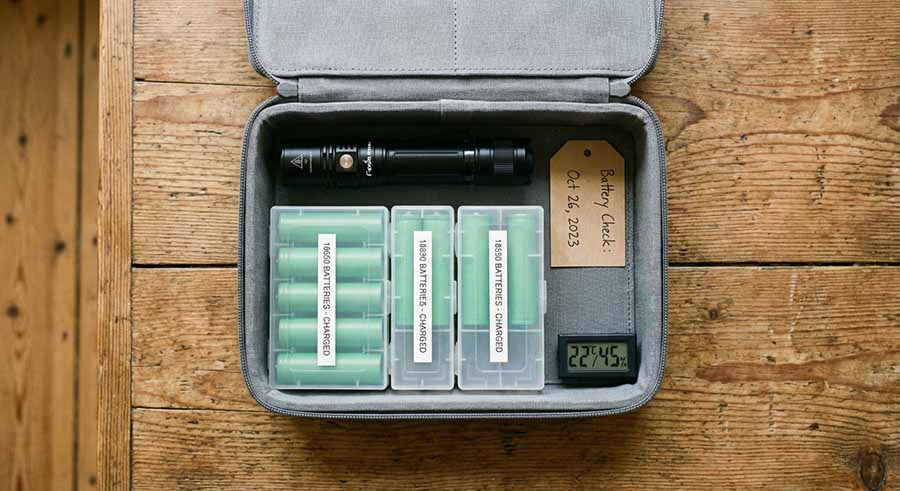
Store batteries in a cool, dry place. Keep them inside sealed packaging until needed. Avoid placing them near metal objects to prevent accidental short circuits.
Final Checklist Before You Buy
When choosing flashlight batteries for emergency use, review this list:
- Correct type and voltage
- High capacity (mAh)
- Long shelf life
- Good temperature performance
- Trusted brand
- Built-in safety protection
- Proper compatibility
- Enough spares for long emergencies
This checklist helps you buy batteries that work dependably in any situation.
HiMAX Emergency Flashlight Batteries
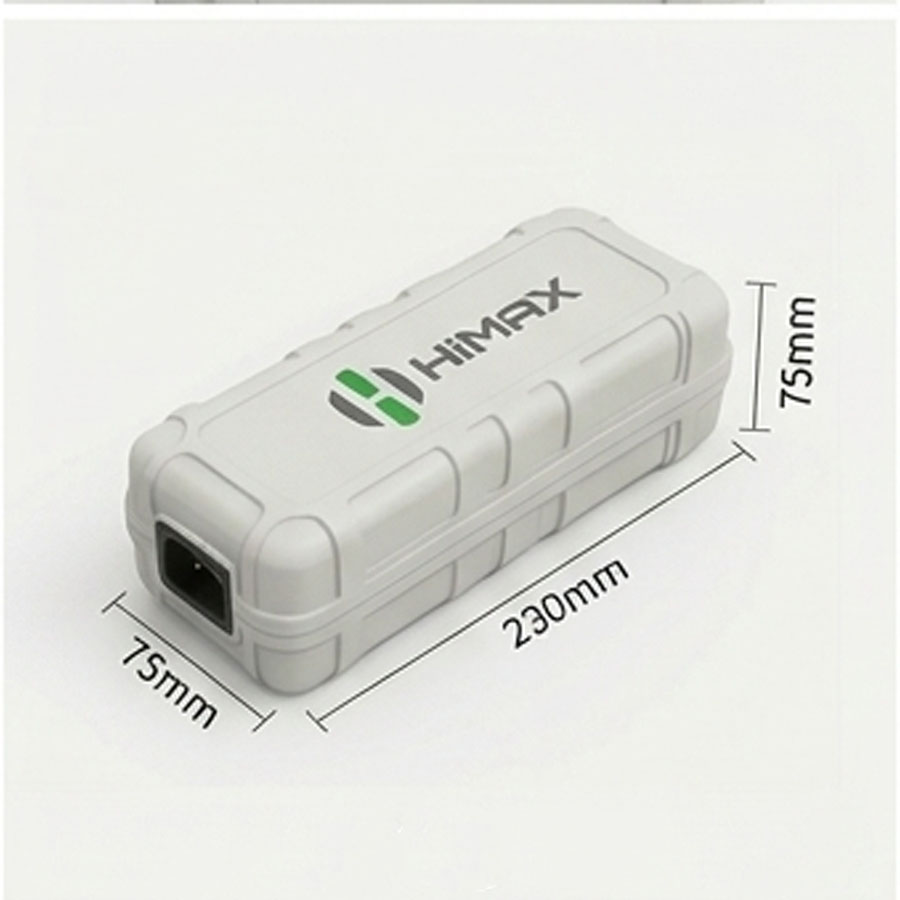
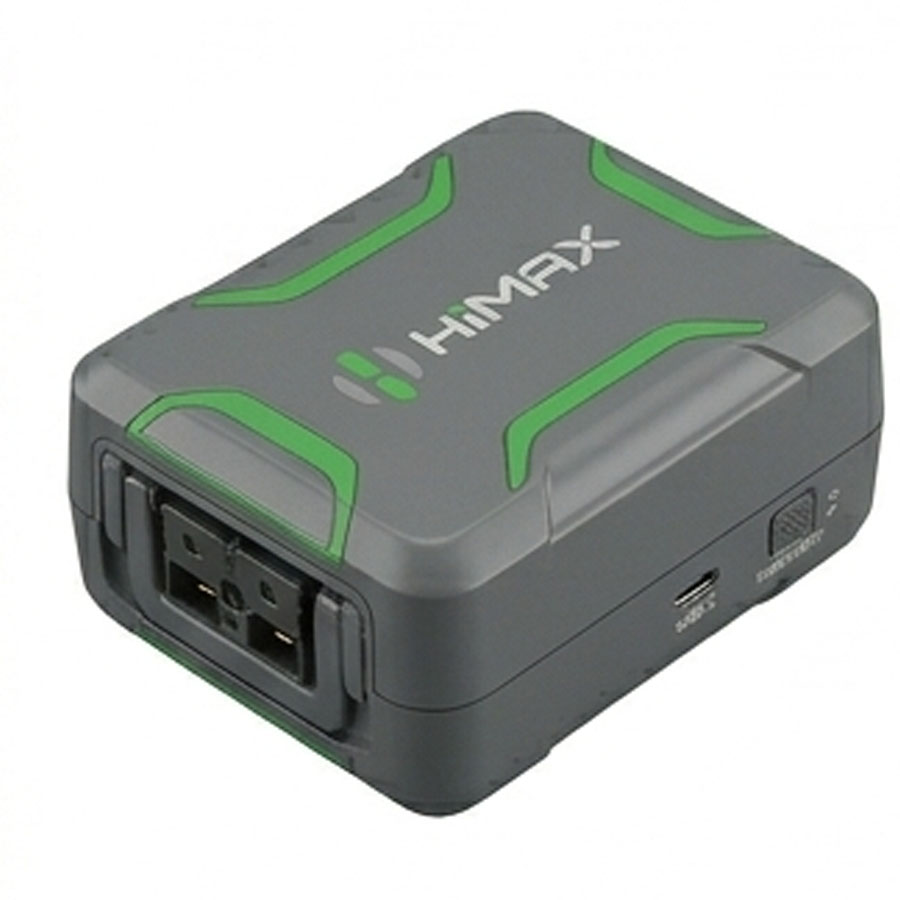
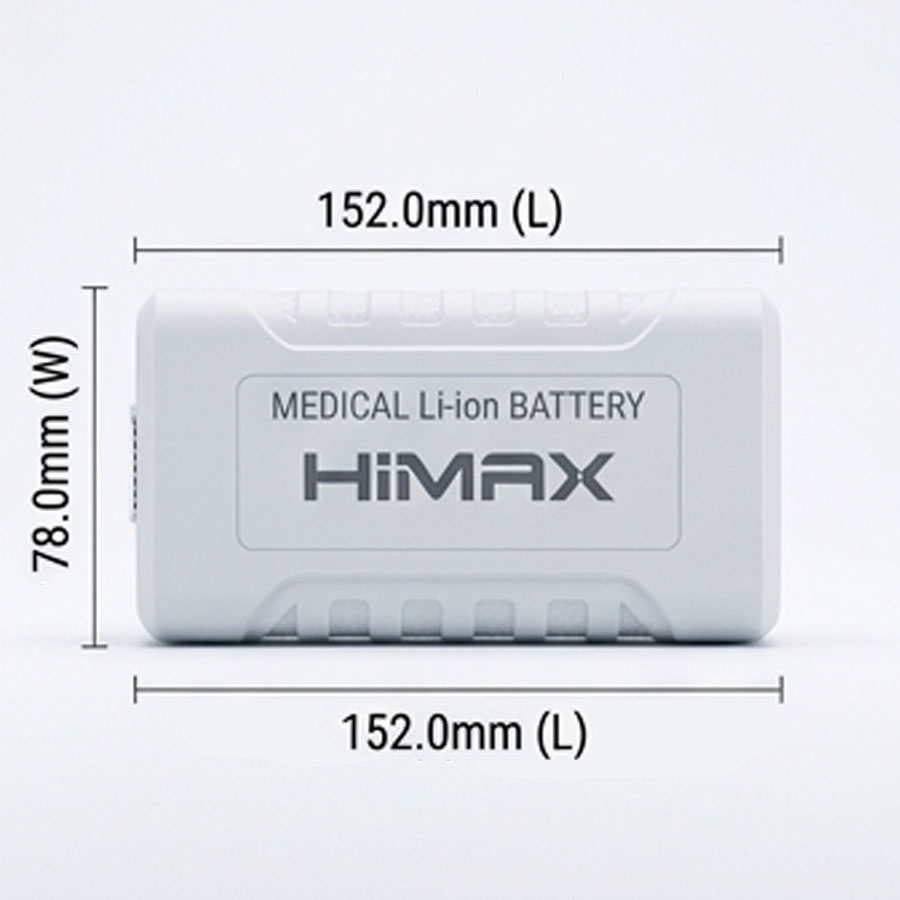
HiMAX provides high-quality flashlight batteries designed for demanding emergency conditions. Our battery solutions deliver long runtime, stable power output, excellent temperature tolerance, and durable construction. We offer both lithium and rechargeable battery options to fit a wide range of flashlight models. Whether you need batteries for household emergency kits, professional rescue tools, or outdoor survival gear, HiMAX supplies reliable power you can trust when it matters most.
Find articles related to Sump Pump Battery
- A Guide to Selecting Backup Batteries for Industrial Water Pumps
- How to choose a reliable drone battery manufacturer?
- Why are NiMH batteries more recommended for commercial cordless phone systems
- Enterprise Selection Guide for Solar Street Light Energy Storage Batteries
- Electric Mobility Scooter and Wheelchair Battery Buying Guide