Electric lawn mowers are moving from novelty to mainstream — and lithium battery systems are a key reason why. But when buyers evaluate a mower or a charging solution, they’re not just looking at run time. They want fast, safe, reliable charging, easy serviceability, and a low total cost of ownership (TCO). This guide explains the concrete selling points of lithium battery charging solutions for lawn mowers, written for product managers, dealers, and fleet operators — and shows how Himax Battery helps OEMs ship safer, better-performing charging systems.
1. Faster recharge means more uptime (and happier customers)
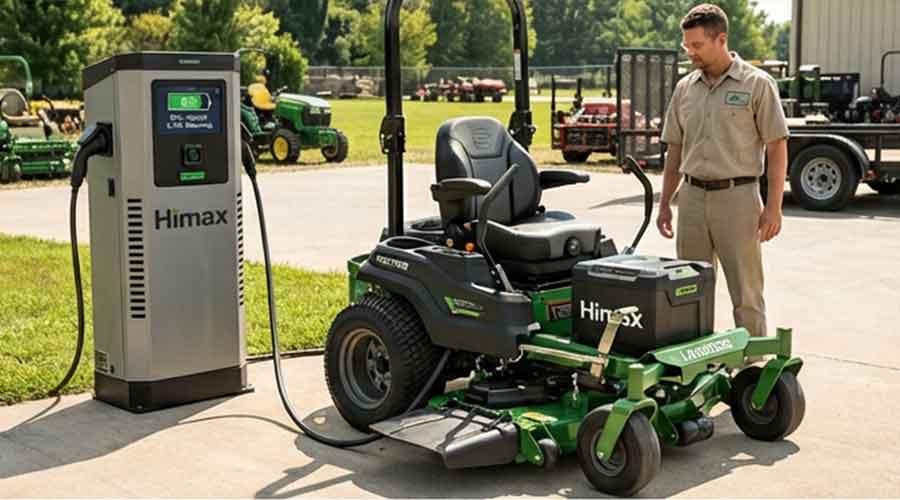
One of the clearest selling points: lithium chemistries enable higher charge rates and faster recharge compared with lead-acid. For commercial users and fleet operators, this translates directly into more mowing hours per day and fewer spare batteries required. Practical takeaways:
- Design chargers with smart CC/CV profiles and temperature compensation to maximize safe charge speed.
- Offer fast-charge modes (for quick turnarounds) and regular-charge modes (for longevity).
- Consider a swap-friendly pack for heavy-use fleets: quick battery change + centralized charging hub keeps machines working.
2. Longer usable life = lower total cost of ownership
Lithium cells (especially LiFePO4 and high-quality Li-ion variants) deliver many more useful cycles than typical lead-acid batteries. Fewer battery replacements = lower TCO.
- Lifecycle advantage: high-cycle chemistries retain capacity longer under normal charge/discharge patterns.
- Smart charging profiles (partial top-up, temperature-aware charging) slow aging further.
- For fleet contracts and warranties, predictable cycle life makes pricing and service planning easier.
3. Safety-first charging: BMS + charger integration
Safety is a purchase driver for both consumers and commercial buyers. A strong charging solution pairs a robust on-pack Battery Management System (BMS) with a charger engineered for that pack.
- The BMS protects against overcharge, overdischarge, overcurrent, and cell imbalance.
- Chargers should communicate with the pack (simple UART/SMBus or proprietary handshake) so the charger adapts to pack state and temperature.
- Certified packs reduce buyer anxiety and simplify shipping and warranty claims (look for UN38.3, CE, RoHS, IEC-style certifications).
4. Weatherproof chargers & IP-rated designs for outdoor use
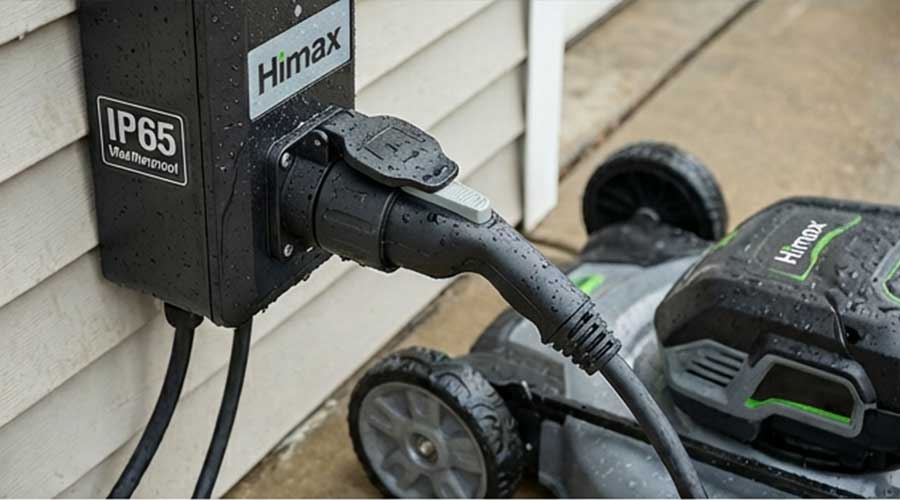
Lawn care equipment faces dust, humidity, and occasional splashes. Charging stations and on-board charge ports should be designed for that environment:
- Use IP-rated inlets/chargers (IP54 or higher depending on use case) and corrosion-resistant connectors.
- Consider lockable or vented charging cabinets for commercial yards.
- Design mechanical keys or color-coded ports to avoid incorrect connections and improve field reliability.
5. Intelligent UX: indicators, mobile alerts, and charging modes
End users love visible, meaningful feedback. Smart chargers that show state-of-charge (SOC), time-to-full, and health metrics create trust and reduce unnecessary support calls.
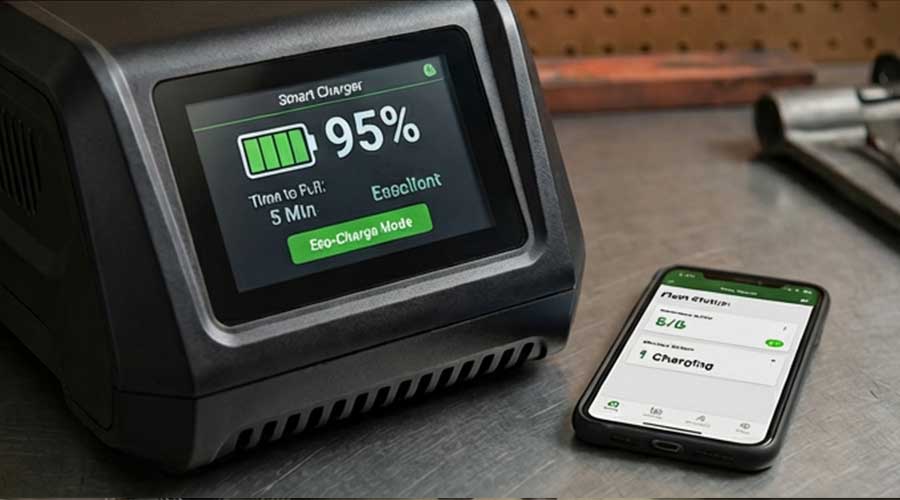
- LED + LCD chargers with progress bars and estimated minutes to full are a big UX win.
- Fleet management benefits from networked chargers that report status and historical charge cycles.
- Offer user modes: eco-charge, fast-charge, storage-charge (2–3 months at ~40% SOC) for winterization.
6. Thermal management & robust connectors keep systems reliable
Heat shortens battery life and raises safety risks. A good charging solution considers thermal flow and connector design:
- Include temperature sensors in the pack and use them to taper charge current when necessary.
- Use high-quality connectors (Anderson, waterproof XT series, or custom sealed plugs) sized for your peak charge currents.
- Where possible, separate high-heat components (power electronics) from areas of direct human contact.
7. Modular & serviceable designs reduce downtime and cost
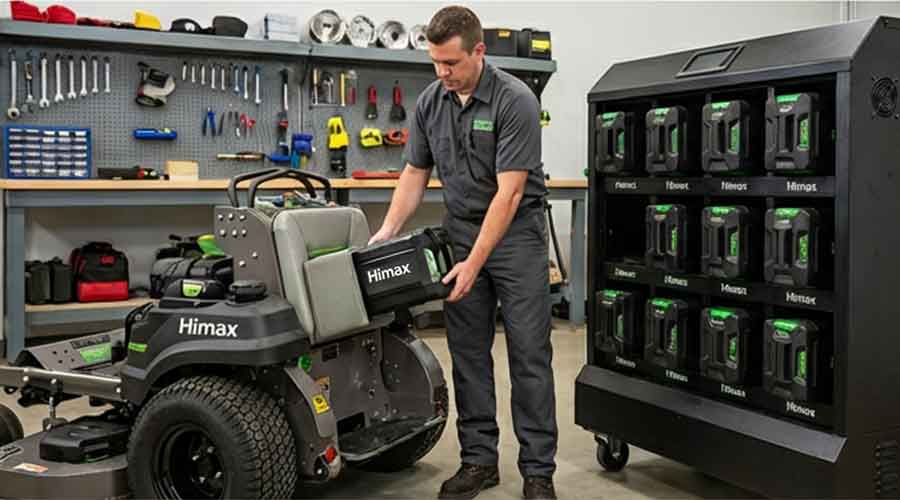
For commercial fleets, the ability to replace a module or a charger module without scrapping the whole system is crucial.
- Design packs with replaceable modules or accessible BMS boards.
- Offer trade-in or refurbishment programs to keep lifecycle costs down and simplify logistics.
- Provide spare-parts packages (connectors, fuses, fuse-holders) so local service techs can repair quickly.
8. Regulatory compliance and shipping simplicity
Batteries and chargers must meet regional safety and transport rules. Buyers expect vendors to manage compliance.
- Provide certified packs and documentation for shipping (UN38.3), regional safety markings, and test reports.
- For international sales, clear paperwork and certified packaging dramatically speed customs and logistics.
- Partnering with a battery supplier who handles certification reduces headaches for OEMs and resellers.
9. ROI and fleet economics: a simple model
When pitching lithium charging solutions to commercial buyers, show ROI:
- Faster charge + longer life = fewer spare packs and fewer replacements.
- Lower maintenance (no acid top-ups, less corrosion) reduces service hours.
- Reduced noise and emissions (if replacing gas mowers) may qualify for local incentives — make that part of the savings calculation.
A short ROI calculator comparing replacement intervals, charge times, and labor hours is a powerful sales tool.
How Himax Battery supports mower OEMs & fleets
Himax Battery offers turnkey support for mower charging systems and packs:
- Custom pack design: optimized voltages (24V / 36V / 48V common architectures), pack shape for underdeck or side-mount integration, and tailored BMS profiles.
- Charger engineering: smart CC/CV chargers, temperature-compensated charging, and secure connector choices to match your mechanical design.
- Prototyping & testing: cycle life, fast-charge validation, thermal profiling, and pre-shipment QC.
- Certifications & documentation: we assist with UN38.3, CE, RoHS and export paperwork so you can sell internationally.
- After-sales: spare module programs, swap strategy consulting, and local support options for large fleets.
With 20+ years in battery manufacturing and experience delivering bulk, certified packs, Himax can move you from concept to mass production with fewer surprises and better field performance.
Quick FAQ (for product pages or sales sheets)
Q: Are lithium batteries safe for lawn mowers?
A: Yes — when cells, pack design, BMS, and chargers are engineered together. Certified packs and intelligent chargers are key.
Q: How long to charge a typical mower pack?
A: Depends on capacity and charge current. With fast-charge enabled packs, many commercial packs reach 80% in under an hour; conservative charging extends life.
Q: Should fleets use swap systems or onboard charging?
A: Swap systems reduce downtime for heavy operations; onboard charging is simpler for low-use or residential fleets.
Find articles related to Lithium Battery