Key Takeaways
- A lithium battery smellinside your car often signals electrolyte leakage, overheating, or poor ventilation.
- Identifying the source quickly can prevent safety risks and costly damage.
- Simple cleaning and ventilation methods can effectively eliminate most smells.
- Persistent odors may require battery replacement or professional inspection.
- Proper battery storage and maintenance are key to preventing future issues.
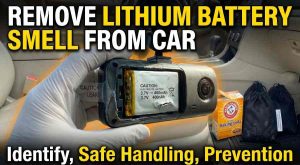
If you’ve ever stepped into your car and noticed a strange chemical odor, there’s a good chance you’re dealing with a lithium battery smell. This issue is becoming more common as lithium-ion batteries power everything from jump starters and dash cams to portable power stations and EV accessories.
In this guide, we’ll break down what causes that smell, how to safely remove it, and how to prevent it from coming back.
What Does a Lithium Battery Smell Like?
A lithium battery smell is often described as:
- Sweet but metallic
- Sharp chemical or solvent-like
- Similar to nail polish remover or burning plastic
This odor typically comes from leaking electrolyte or overheating battery components. If you notice a strong or worsening smell, it’s important to act quickly.
Common Causes of Lithium Battery Smell in Cars
Understanding the root cause helps you fix the issue more effectively.
- Battery Leakage
When a lithium battery is damaged or degraded, it may release electrolyte fluid. This creates a strong chemical odor from lithium battery components.
- Overheating
High temperatures inside a parked car (often exceeding 140°F in summer) can trigger overheated lithium battery smell, especially in low-quality or aging batteries.
- Poor Ventilation
If your car is tightly sealed, odors from small leaks or off-gassing can linger and intensify, leading to a persistent battery smell in car cabin.
- Damaged Devices
Portable electronics like power banks, dash cams, or jump starters with damaged cells may emit a noticeable burning lithium battery smell.
User Scenarios
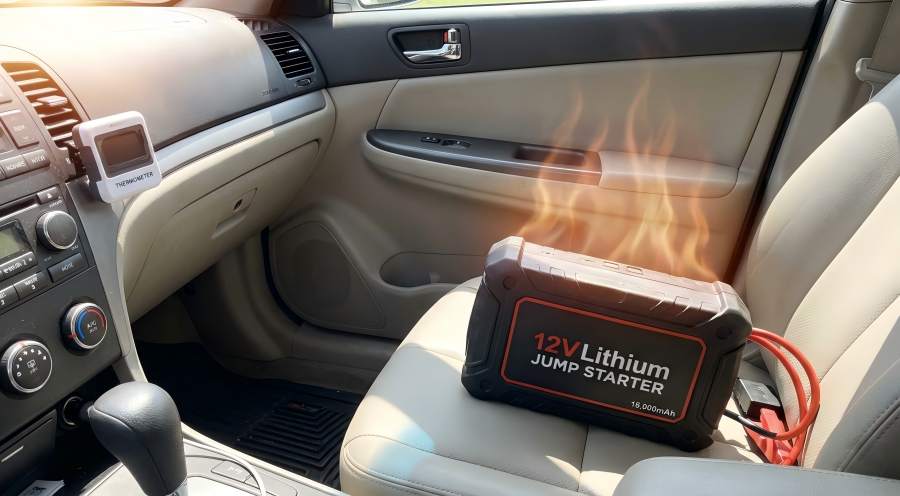
Scenario 1: Portable Jump Starter Overheating in Texas
- Device: 12V lithium jump starter (Capacity: 18,000mAh)
- Environment: Parked vehicle in Austin, TX (ambient temp: 102°F)
- Issue: Strong overheated lithium battery smellafter 3 hours
- Solution: Removed device, ventilated car for 2 hours, replaced with a high-temperature-resistant unit
Takeaway: Heat exposure is a major trigger for odor issues.
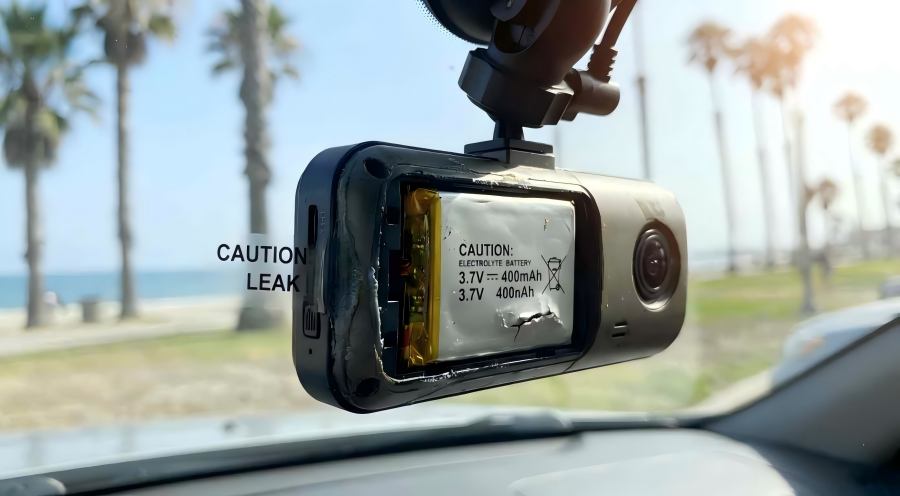
Scenario 2: Dash Cam Battery Leakage in California
- Device: Dash cam with built-in lithium battery (3.7V, 400mAh)
- Mileage: 25,000 miles of usage
- Issue: Persistent chemical odor from lithium batterynear windshield
- Solution: Replaced dash cam, cleaned area with baking soda solution
Takeaway: Small batteries can still cause noticeable odors over time.
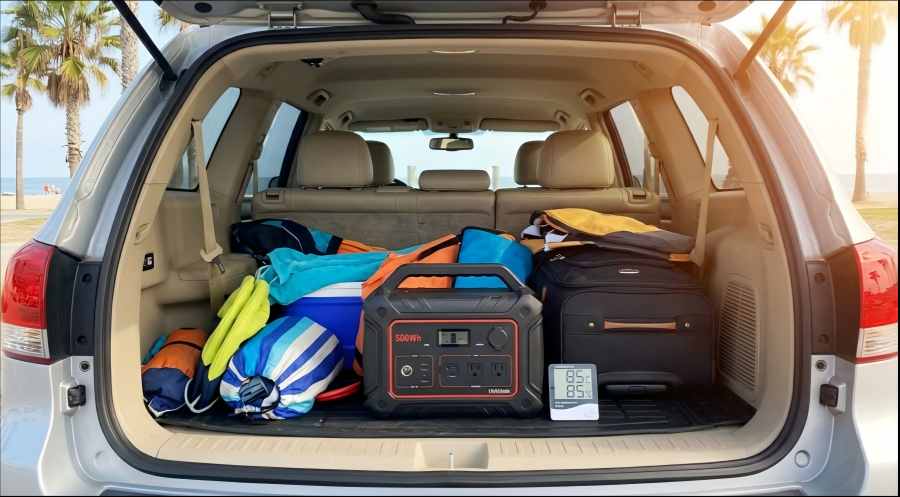
Scenario 3: Portable Power Station in Florida SUV
- Device: 500Wh lithium power station
- Usage: Camping trips, stored in trunk
- Issue: Mild but constant battery smell in car cabin
- Solution: Activated charcoal bags + improved airflow + regular inspection
Takeaway: Even without damage, poor ventilation can trap odors.
How to Remove Lithium Battery Smell from Your Car
Step 1: Identify and Remove the Source
Check all battery-powered devices:
- Jump starters
- Power banks
- Dash cams
- EV accessories
If you find a damaged or leaking unit, remove it immediately.
Step 2: Ventilate the Vehicle
- Open all doors and windows
- Let the car air out for at least 30–60 minutes
- Use fans if available
This helps dissipate the lithium-ion battery odor quickly.
Step 3: Clean Affected Surfaces
Use a mild cleaning solution:
- Mix water + baking soda (neutralizes acidic residues)
- Wipe down seats, dashboard, and nearby surfaces
This is especially effective for removing residual lithium battery smell.

Step 4: Use Odor Absorbers
Place odor-neutralizing materials inside your car:
- Activated charcoal bags
- Baking soda containers
- Commercial car odor eliminators
These help eliminate lingering battery chemical smell in car environments.
Step 5: Replace Cabin Air Filter
A contaminated air filter can trap and recirculate odors. Replacing it can significantly reduce persistent car battery odor issues.
When to Seek Professional Help
If the smell:
- Persists after cleaning
- Gets stronger over time
- Is accompanied by heat, smoke, or swelling
You should consult a mechanic or battery specialist immediately. These may indicate serious internal battery failure.
How to Prevent Lithium Battery Smell in the Future
- Avoid Heat Exposure
Never leave lithium batteries in a hot car for extended periods.
- Use Certified Batteries
Low-quality batteries are more prone to leakage and odor issues.
- Regular Inspection
Check for:
- Swelling
- Cracks
- Unusual smells
- Proper Storage
Store batteries in:
- Cool, dry environments
- Protective cases
- Upgrade to Safer Battery Technology
Modern batteries with enhanced thermal stability reduce the risk of overheated lithium battery smell.
About HiMAX Batteries
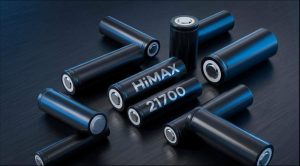
At HiMAX, we specialize in manufacturing high-performance lithium batteries engineered for safety, durability, and reliability. Our products are built with advanced cell technology, reinforced sealing systems, and superior thermal resistance—minimizing the risk of leakage, overheating, and unwanted odors.
Whether you need batteries for automotive applications, portable power, or industrial use, HiMAX delivers consistent performance you can trust. Upgrade to HiMAX and experience a cleaner, safer, and more efficient power solution for your everyday needs.