Key Takeaways
lithium battery safety is no longer just a technical topic—it’s a critical part of everyday life. From smartphones and laptops to e-bikes and home energy storage systems, lithium batteries power modern convenience. However, improper handling, charging, or storage can lead to overheating, thermal runaway, and in worst cases, devastating house fires. This guide will walk you through practical, real-world steps to prevent lithium battery-related fire risks while helping you build safer habits at home.
Why Lithium Battery Safety Matters More Than Ever
Lithium-ion batteries are widely used because of their high energy density, lightweight design, and long cycle life. However, these same advantages can become risks if the battery is damaged, overcharged, or exposed to extreme conditions.
Understanding lithium battery safety practices, safe battery storage methods, and battery fire prevention techniques can significantly reduce the likelihood of accidents in residential environments.
Common Causes of Lithium Battery House Fires
Before diving into prevention, it’s important to understand what typically causes battery fires:
- Overcharging or using incompatible chargers
- Physical damage (punctures, drops, or crushing)
- Exposure to high temperatures (above 140°F / 60°C)
- Manufacturing defects or low-quality cells
- Improper storage or stacking of batteries
These risks highlight the importance of following best practices for lithium battery safety at home.
Essential Lithium Battery Safety Tips
- Always Use Certified Chargers
Using third-party or low-quality chargers can lead to overvoltage or overheating.
- Stick to manufacturer-approved chargers
- Avoid charging overnight unattended
- Ensure voltage matches battery specifications (e.g., 42V charger for a 36V battery pack)
This simple habit supports safe lithium battery charging practices and reduces fire hazards.
- Charge Batteries in a Safe Location
Where you charge matters just as much as how you charge.
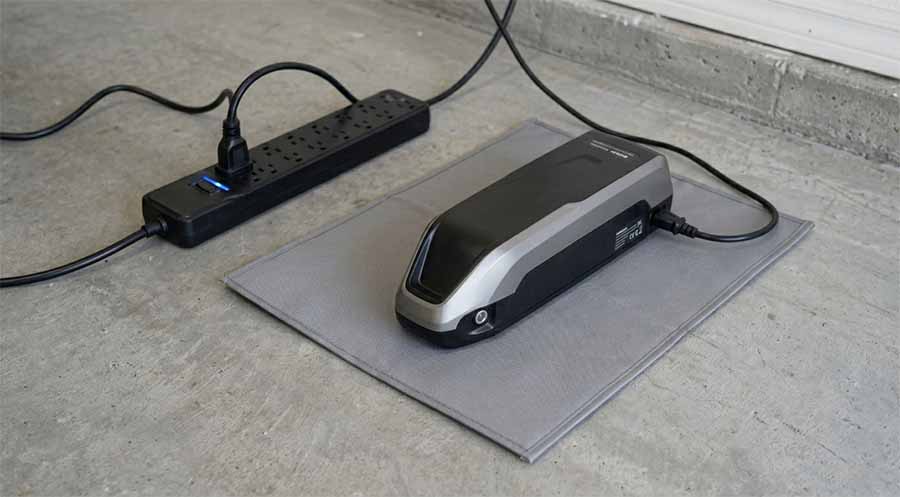
- Place batteries on non-flammable surfaces (tile, concrete)
- Avoid charging near curtains, furniture, or paper
- Keep away from direct sunlight or heat sources
For enhanced home lithium battery safety, consider using fireproof charging bags or containers.
- Avoid Overcharging and Deep Discharging
Most lithium batteries perform best between 20% and 80% charge.
- Use smart chargers with auto shut-off
- Avoid leaving batteries plugged in after full charge
- Prevent deep discharge below recommended voltage levels
These habits align with lithium-ion battery safety guidelines and extend battery lifespan.
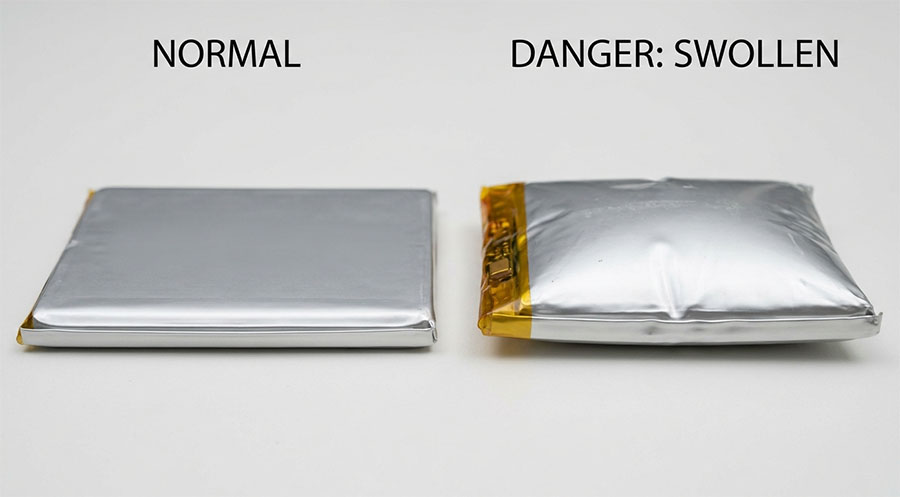
- Inspect Batteries Regularly
Routine checks can prevent major issues.
Look for:
- Swelling or bulging
- Leakage or unusual odor
- Excessive heat during use
If any of these occur, stop using the battery immediately. This is a key part of preventing lithium battery fires at home.
- Store Batteries Properly
Improper storage is a leading cause of incidents.
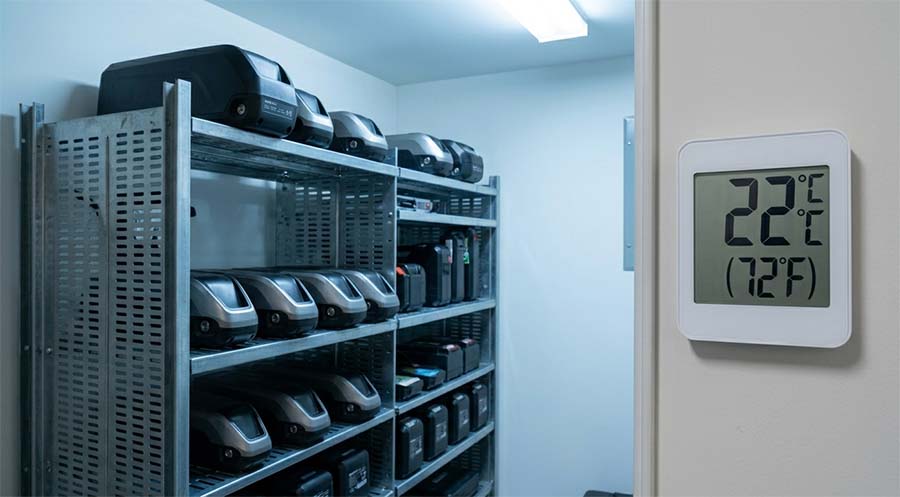
- Store at room temperature (59°F–77°F / 15°C–25°C)
- Keep away from metal objects to prevent short circuits
- Store at ~50% charge for long-term storage
Following safe lithium battery storage practices ensures stability and reduces risks.
Case Scenarios
Scenario 1: E-Bike User in California
A commuter in Los Angeles uses a 48V 14Ah lithium battery for daily e-bike travel (~20 miles/day).
Problem: Charging overnight in a garage near cardboard boxes.
Risk: Thermal runaway could ignite nearby flammable materials.
Solution:
- Switched to a UL-certified 54.6V charger
- Installed a fire-resistant charging station
- Charges only during daytime with supervision
Result: Reduced overheating incidents and improved lithium battery safety in residential environments.
Scenario 2: Home Office Laptop User in Texas
A remote worker uses a laptop with a 65Wh lithium-ion battery, plugged in 10+ hours daily.
Problem: Continuous charging leading to battery swelling after 18 months.
Risk: Internal cell degradation and potential fire hazard.
Solution:
- Enabled battery health management (limits charge to 80%)
- Uses surge-protected power strips
- Unplugs device after full charge
Result: Improved battery lifespan and safer everyday lithium battery usage habits.
Scenario 3: DIY Solar Storage System in Arizona
A homeowner installs a 10kWh lithium battery storage system for solar energy backup.
Specifications:
- Voltage: 51.2V
- Capacity: 200Ah
- Operating temperature: 32°F–113°F (0°C–45°C)
Problem: Poor ventilation in storage area.
Risk: Heat buildup leading to system instability.
Solution:
- Installed active cooling and ventilation
- Added Battery Management System (BMS) monitoring
- Maintains ambient temperature below 95°F
Result: Enhanced lithium battery fire prevention for home energy systems.
What to Do If a Lithium Battery Overheats or Catches Fire
Even with precautions, emergencies can happen.
Immediate Actions:
- Do NOT use water on lithium battery fires
- Use a Class D or lithium-compatible fire extinguisher
- Evacuate immediately and call the fire emergency number
Prevention Follow-Up:
- Dispose of damaged batteries at certified recycling centers
- Never reuse compromised batteries
Understanding emergency response is essential for complete lithium battery safety awareness.
Additional Safety Technologies to Consider
Modern solutions can further reduce risks:
- Smart BMS (Battery Management Systems)
- Temperature sensors and auto shut-off circuits
- Flame-retardant battery enclosures
- UL-certified battery packs
Integrating these enhances advanced lithium battery safety solutions for homes and businesses.
About HiMAX – Powering Safety and Performance
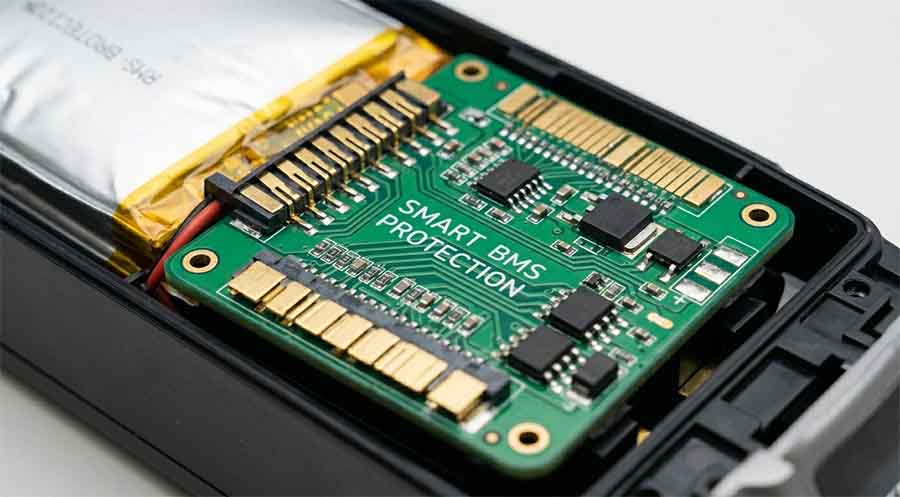
At HiMAX, we don’t just manufacture batteries—we engineer safety into every cell. Our lithium battery solutions are designed with advanced Battery Management Systems (BMS), precision thermal control, and strict quality certifications to meet the highest international standards.
Whether you’re powering consumer electronics, electric mobility, or large-scale energy storage systems, HiMAX provides:
- High-performance lithium battery packs with optimized voltage and capacity
- Multi-layer safety protection systems
- Custom battery solutions tailored to your application needs
- Compliance with global safety certifications
Choose HiMAX for reliable, efficient, and safe lithium battery solutions that protect both your devices and your home.
Find articles related to Lithium Battery