Key Takeaways
- Lithium batteries are restricted in checked baggage due to fire risks that are harder to detect and control in passenger aircraft cargo holds.
- Dedicated cargo aircraft follow stricter packaging, labeling, and monitoring protocols for safer Lithium Battery Transport.
- Regulatory bodies like the FAA and IATA impose different safety standards depending on whether batteries travel with passengers or as freight.
- Proper packaging, state-of-charge limits, and certification (UN38.3, MSDS) are critical for compliant Lithium Battery Transport solutions.
- Businesses and consumers can safely ship lithium batteries by understanding regulations and choosing certified logistics partners.
Lithium Battery Risks in Air Transport
Lithium batteries power everything from smartphones to industrial equipment, but they also pose unique safety risks. The primary concern is thermal runaway, a chain reaction that can lead to fires or explosions when batteries are damaged, improperly packed, or short-circuited.
In passenger aircraft, a fire in the cargo hold is significantly more dangerous because:
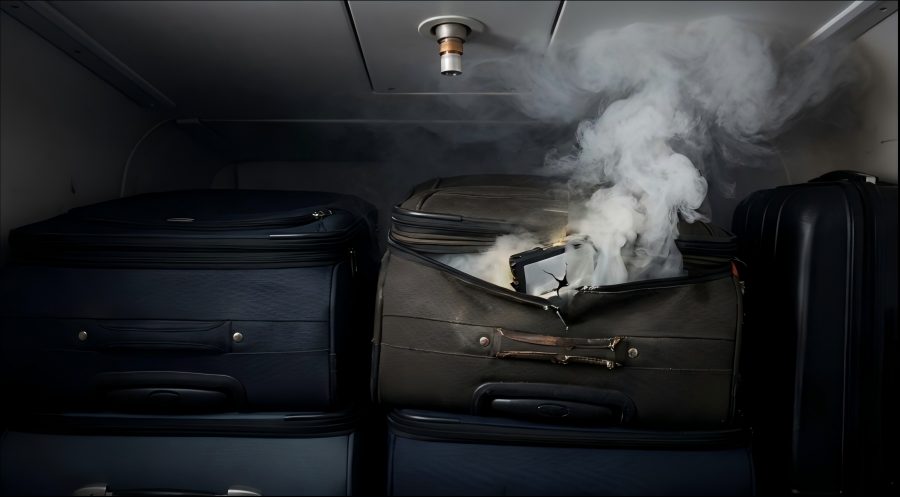
- It may go undetected for longer periods
- Fire suppression systems are limited in handling lithium battery fires
- Crew access is restricted during flight
This is why Lithium Battery Transport regulations prohibit most lithium batteries in checked baggage. Carry-on luggage is allowed under strict limits because passengers and crew can quickly respond to incidents.
Why Lithium Batteries Are Allowed on Cargo Planes
At first glance, it seems contradictory: why ban lithium batteries in checked luggage but allow them on cargo aircraft?
The answer lies in risk management and control systems.
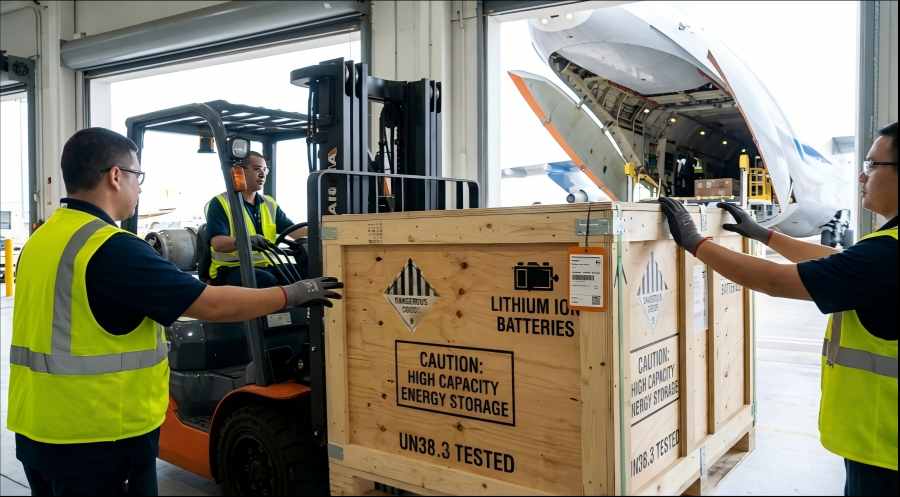
Cargo planes are specifically designed to handle hazardous materials, including lithium batteries. They follow enhanced safety protocols such as:
- Specialized fire suppression systems
- Segregated cargo compartments
- Real-time temperature and smoke monitoring
- Strict packaging and labeling standards
Additionally, cargo shipments must comply with international standards like:
- 3 testing requirements
- IATA Dangerous Goods Regulations (DGR)
- ICAO Technical Instructions
These measures ensure that Lithium Battery Transport logistics on cargo aircraft are significantly safer than in passenger baggage holds.
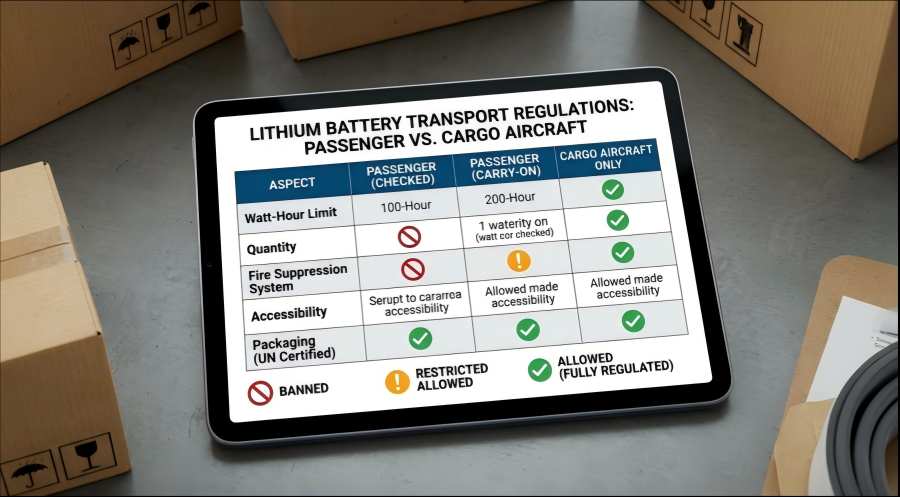
Key Regulatory Differences: Passenger vs Cargo Aircraft
| Factor | Checked Baggage | Cargo Aircraft |
| Fire Detection | Limited | Advanced monitoring systems |
| Fire Suppression | Basic | Specialized for hazardous materials |
| Packaging Standards | Minimal (consumer-level) | Strict industrial-grade packaging |
| Quantity Limits | Very restrictive | Scalable with compliance |
| Documentation | Not required for personal use | Mandatory (MSDS, UN38.3, labels) |
This distinction explains why airlines enforce strict rules for personal travel while enabling global supply chains through regulated Lithium Battery Transport services.
Case Scenarios
To better understand how these rules apply in practice, let’s look at real-world scenarios involving American users and businesses.
Consumer Travel
A business traveler flying from Los Angeles to New York carries:
- 1 laptop battery: 65Wh
- 1 smartphone battery: 15Wh
- 2 spare power banks: 100Wh each
Compliance Details:
- All batteries are under the FAA’s 100Wh limit
- Spare batteries are kept in carry-on luggage
- Terminals are protected against short circuits
This scenario aligns with safe Lithium Battery Transport guidelines for passengers, minimizing risk while maintaining convenience.
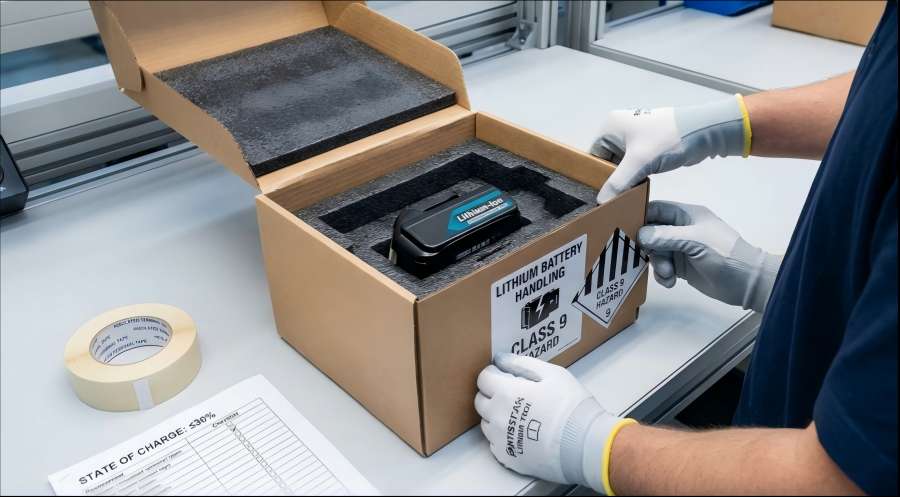
E-commerce Seller Shipping Power Tools Batteries
A Texas-based Amazon seller ships lithium-ion batteries for cordless drills:
- Battery type: Li-ion
- Capacity: 18V, 5Ah (90Wh)
- Shipment volume: 500 units per batch
- Certification: UN38.3 tested, MSDS available
Transport Method:
- Air cargo via certified freight forwarder
- Packaging: UN-approved fiberboard boxes with inner cushioning
- Labels: Class 9 hazardous material labeling
This case demonstrates how commercial Lithium Battery Transport solutions enable large-scale distribution while maintaining compliance.
Solar Energy Company Shipping Energy Storage Batteries
A California renewable energy company exports lithium battery packs for residential solar systems:
- Battery capacity: 48V, 100Ah (4.8kWh per unit)
- Shipment size: 50 units per container
- State of Charge (SOC): Limited to 30% for transport
Transport Strategy:
- Classified as Class 9 dangerous goods
- Shipped via cargo aircraft with temperature monitoring
- Full documentation including UN38.3 test summary and safety data sheets
This highlights how high-capacity batteries require advanced Lithium Battery Transport compliance strategies.
Best Practices for Safe Lithium Battery Transport
Whether you are an individual traveler or a business, following best practices is essential:
- Know Your Battery Specifications
Always identify:
- Watt-hour (Wh) rating
- Battery chemistry (Li-ion, LiPo, LiFePO4)
- Quantity and configuration
These factors determine eligibility for different Lithium Battery Transport methods.
- Use Certified Packaging
Proper packaging reduces the risk of short circuits and physical damage:
- Insulated terminals
- Shock-resistant materials
- UN-certified outer packaging
- Limit State of Charge (SOC)
For cargo shipments, batteries are typically required to be shipped at:
- ≤30% SOC for lithium-ion batteries
This significantly reduces the risk of thermal runaway during Lithium Battery Transport operations.
- Ensure Proper Labeling and Documentation
Cargo shipments must include:
- Class 9 hazard labels
- Lithium battery handling labels
- 3 test reports
- Material Safety Data Sheets (MSDS)
- Work with Experienced Logistics Partners
Partnering with certified freight forwarders ensures compliance with:
- IATA DGR regulations
- Airline-specific requirements
- Customs clearance procedures
Common Misconceptions About Lithium Battery Transport
“If it’s safe in my laptop, it’s safe anywhere”
Not true. The environment, quantity, and packaging all affect safety. Lithium Battery Transport safety standards vary significantly by context.
“Cargo planes are more dangerous”
In reality, cargo planes are safer for bulk lithium battery shipments due to specialized systems and trained handling.
“All lithium batteries are treated the same”
Different chemistries and capacities have different regulations. For example:
- LiFePO4 batteries are more stable than standard Li-ion
- High-capacity batteries require stricter controls
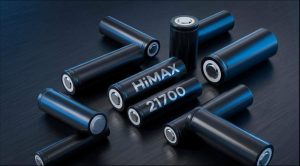
Try HiMAX for Lithium Battery Solutions
At HiMAX, we specialize in delivering high-performance lithium battery solutions designed for safe and compliant global distribution. Our products meet international standards including UN38.3, MSDS, and IATA DGR requirements, ensuring seamless Lithium Battery Transport across air, sea, and land.
Whether you need batteries for consumer electronics, industrial equipment, or energy storage systems, HiMAX provides:
- Custom battery design and OEM/ODM services
- Certified safety and transport compliance
- Scalable production for global markets
With HiMAX, you don’t just get a battery—you get a reliable power solution built for safety, performance, and worldwide logistics success.