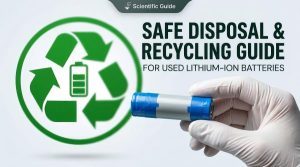
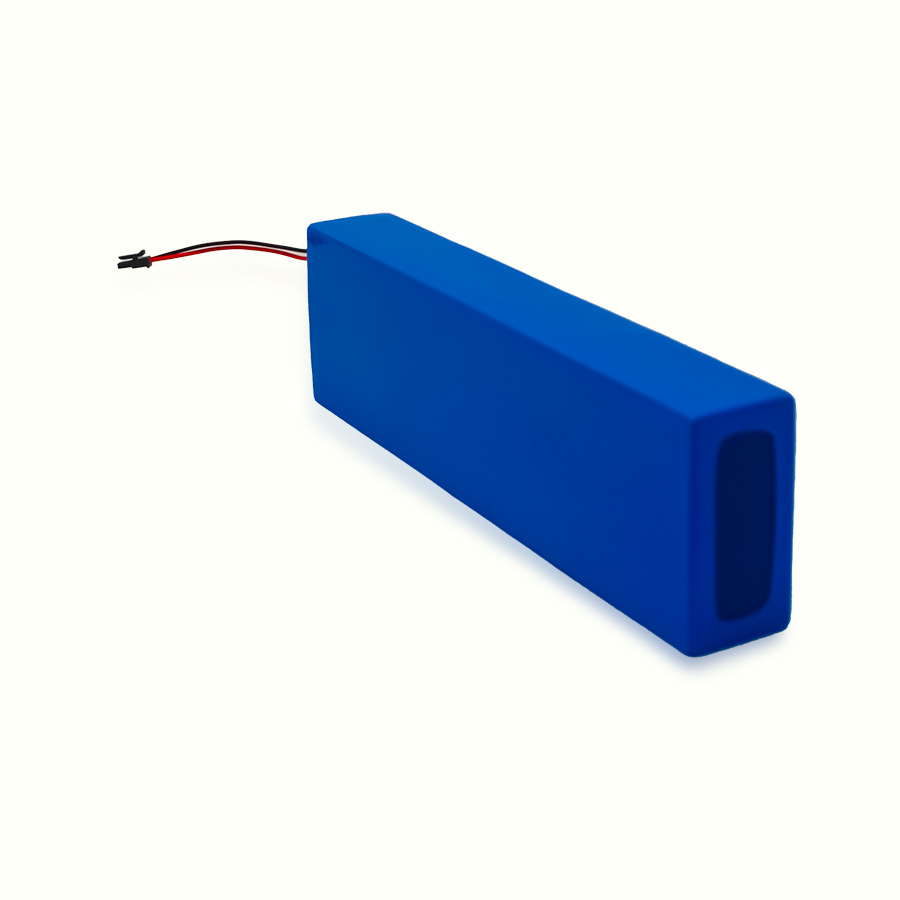
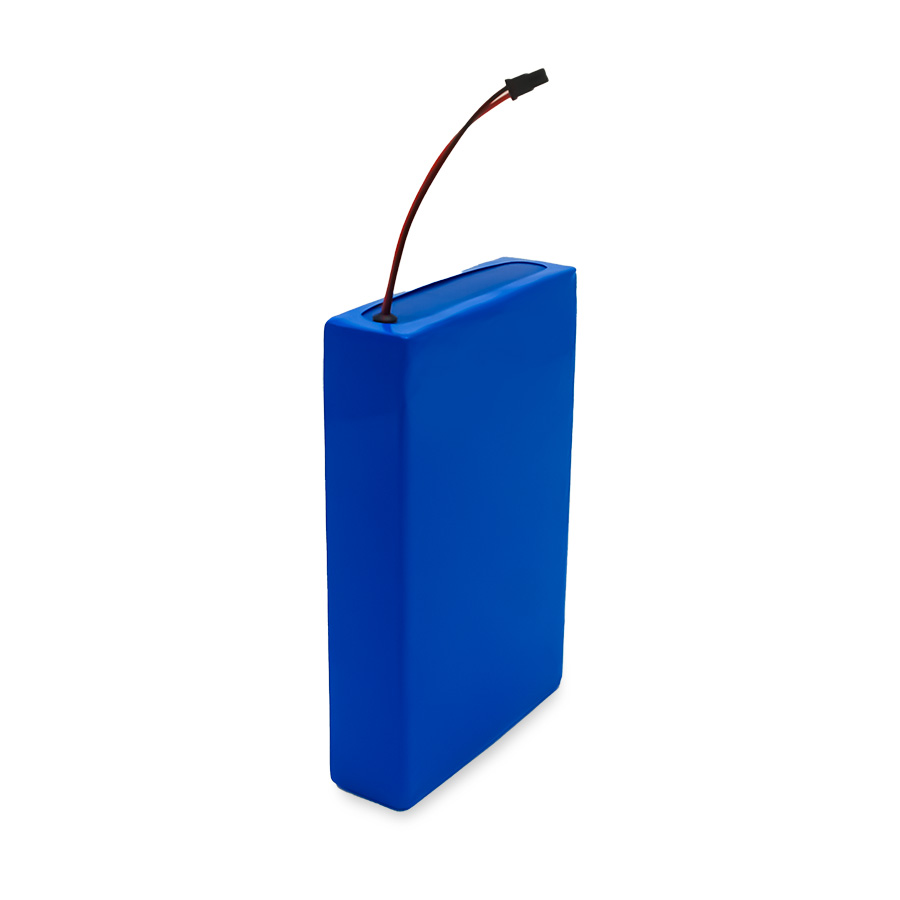
Lithium-ion batteries power modern life. You find them in laptops, smartphones, power tools, and electric vehicles. However, improper handling of used batteries can cause safety risks and environmental damage. This guide explains how to safely manage, store, and dispose of used lithium-ion batteries.
Why Proper Lithium-Ion Battery Disposal Matters
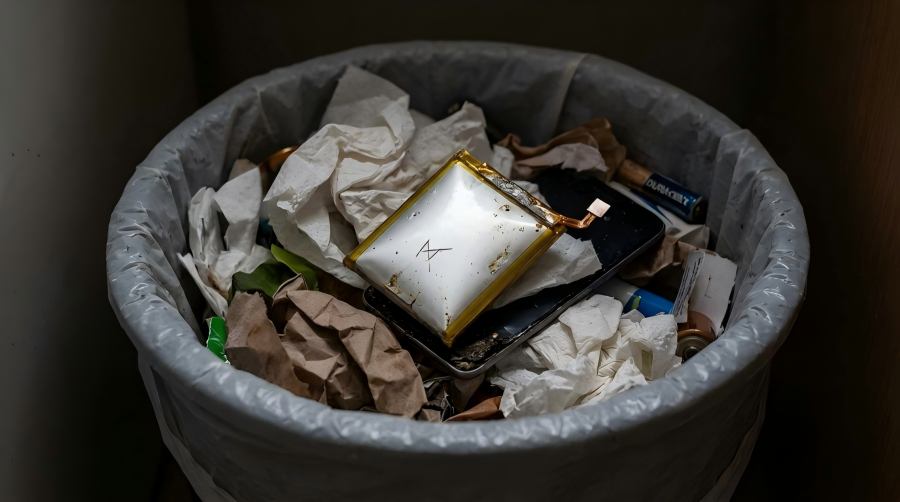
Used lithium-ion batteries are not ordinary waste. They contain reactive materials that can ignite, leak, or explode under certain conditions. When thrown into regular trash, they may end up in landfills where they can release harmful chemicals into soil and water.
Proper disposal helps to:
- Reduce fire hazards
- Protect the environment
- Recover valuable materials like lithium, cobalt, and nickel
- Comply with U.S. hazardous waste regulations
Following a scientific approach to Waste lithium-ion battery treatment ensures safety and sustainability.
Understanding the Risks of Used Lithium-Ion Batteries
Before handling used batteries, it is important to understand their risks.
Thermal Runaway
Damaged or overheated batteries may enter thermal runaway. This is a chain reaction that leads to fire or explosion.
Chemical Leakage
Electrolytes inside batteries are flammable and toxic. Leakage can harm human health and ecosystems.
Short Circuits
Improper storage can cause terminals to touch metal objects. This can lead to sparks or fires.
Step-by-Step Guide to Safe Battery Disposal
- Identify Battery Condition
Check if the battery is:
- Intact and stable
- Swollen or damaged
- Leaking or overheating
Damaged batteries require extra care and should be handled separately.
- Insulate Battery Terminals
Use non-conductive tape (like electrical tape) to cover battery terminals. This prevents short circuits during transport.

- Use Approved Collection Points
In the United States, do not throw lithium-ion batteries in household trash. Instead, take them to:
- Certified recycling centers
- Retail drop-off programs
- Local hazardous waste facilities
These facilities follow strict Waste lithium-ion battery treatment protocols.
- Follow Transportation Guidelines
If shipping batteries:
- Use UN-approved packaging
- Label packages as “Lithium-ion Batteries”
- Avoid mixing damaged and undamaged batteries
Best Practices for Temporary Storage
Sometimes you cannot dispose of batteries immediately. Safe storage becomes essential.
Storage Environment
- Temperature: 50°F to 77°F (10°C to 25°C)
- Humidity: Below 70%
- Keep away from direct sunlight
Storage Containers
Use:
- Non-metal containers
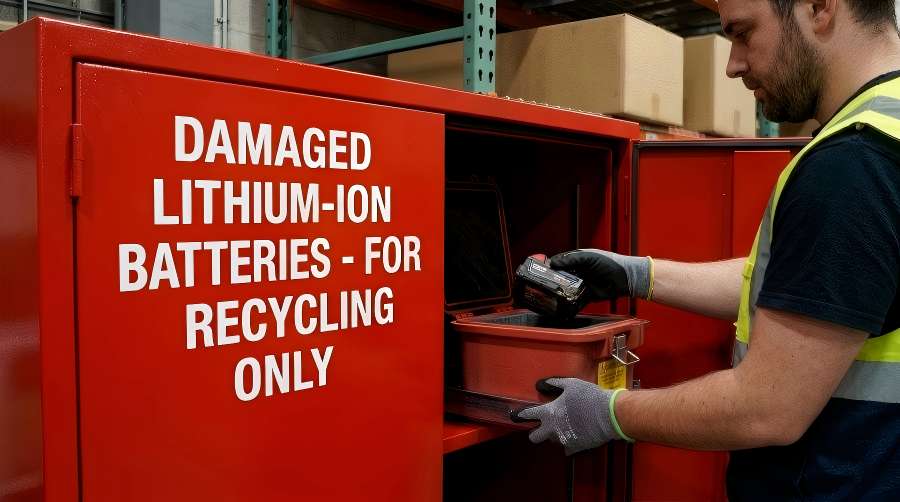
- Fire-resistant cabinets
- Anti-static packaging for sensitive batteries
Separation Rules
- Separate damaged batteries from intact ones
- Store batteries by type and capacity
- Avoid stacking heavy items on batteries
Application Cases
Case 1: Consumer Electronics Recycling
A U.S. household collects used smartphone batteries.
- Quantity: 15 units
- Capacity: 3,000–4,500 mAh per battery
- Storage time: 2 weeks
Solution:
The user tapes terminals, stores batteries in a plastic container at room temperature (68°F), and drops them at a local recycling center. This minimizes fire risk and ensures proper Waste lithium-ion battery treatment.
Case 2: E-commerce Warehouse Handling Returns
An online retailer processes returned power tool batteries.
- Quantity: 200 units per month
- Voltage: 18V–24V
- Defective rate: 8%
Solution:
The warehouse separates damaged batteries into fireproof containers. Intact batteries are stored on insulated shelves. Weekly shipments are sent to certified recyclers using compliant packaging.
Case 3: Solar Energy Storage Maintenance
A residential solar system replaces old battery modules.
- System capacity: 10 kWh
- Battery type: Lithium-ion pack
- Replacement cycle: Every 5–7 years
Solution:
Technicians discharge batteries to 30% capacity before removal. Modules are stored in climate-controlled conditions (72°F, 50% humidity) and transported under hazardous material regulations.
Case 4: Electric Mobility Fleet Operator
An e-bike rental company manages battery replacements.
- Fleet size: 120 bikes
- Battery capacity: 500Wh per unit
- Monthly replacements: 25 units
Solution:
Operators log battery health data, isolate degraded units, and store them in ventilated cabinets. A scheduled recycling pickup ensures compliance and safe handling.
Common Mistakes to Avoid
Avoid these errors when dealing with used batteries:
- Throwing batteries in regular trash
- Storing batteries in metal containers
- Exposing batteries to heat or moisture
- Mixing different battery chemistries
- Ignoring signs of swelling or damage
These mistakes increase the risk of fire and environmental harm.
Regulatory Compliance in the United States
In the U.S., lithium-ion batteries are regulated as hazardous materials under agencies like:
- S. Environmental Protection Agency (EPA)
- Department of Transportation (DOT)
Key compliance points include:
- Proper labeling and documentation
- Certified recycling processes
- Safe packaging and transport standards
Following these rules supports responsible Waste lithium-ion battery treatment and avoids legal penalties.
The Role of Recycling in Sustainability
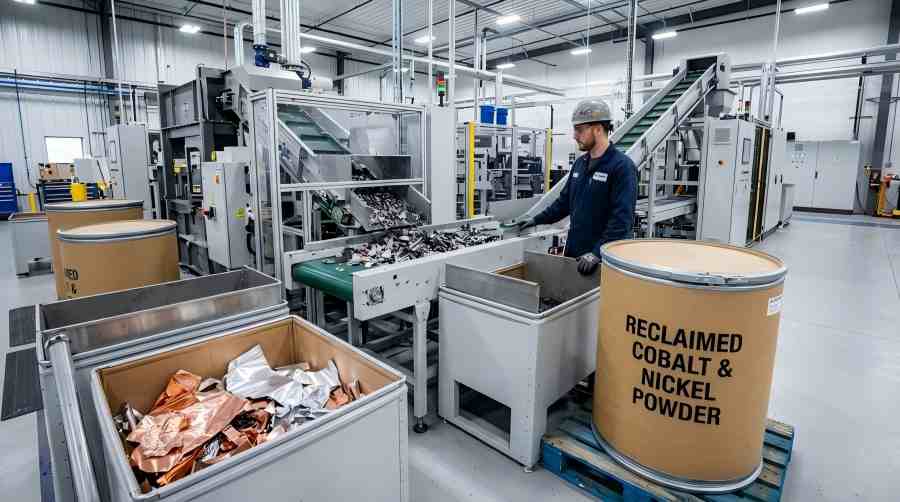
Recycling lithium-ion batteries recovers critical materials. This reduces the need for mining and lowers environmental impact.
Recovered materials can be reused in:
- New batteries
- Electronics manufacturing
- Energy storage systems
By participating in recycling programs, businesses and consumers contribute to a circular economy.
Final Thoughts of HiMAX
Managing used lithium-ion batteries is not complicated when you follow clear steps. Safe handling, proper storage, and certified disposal methods protect both people and the environment.
Whether you are a homeowner, a business operator, or an industrial user, adopting scientific practices ensures compliance and reduces risk.
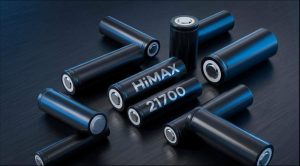
HiMAX is a global leader in advanced battery manufacturing. We specialize in high-performance lithium-ion solutions for consumer electronics, industrial systems, and energy storage. Our products are designed with safety, efficiency, and sustainability in mind. At HiMAX, we not only deliver reliable power solutions but also support responsible lifecycle management, including guidance on safe usage, storage, and recycling. Partner with HiMAX to power your innovations with confidence and environmental responsibility.