With the rapid development of new energy technologies, lithium-ion batteries have become one of the most important power sources in modern devices. From smartphones and wireless earbuds to electric vehicles and energy storage systems, many technologies rely on lithium-ion battery technology.
However, many people don’t realize that consumer electronics and electric vehicles have very different expectations for lithium-ion batteries.
Different usage scenarios determine how batteries are designed—especially in terms of energy density, safety, lifespan, and charging speed. In this article, we’ll explore the key differences between battery requirements for consumer electronics and electric vehicles.
What Is a Lithium-Ion Battery?
A lithium-ion battery is a type of rechargeable battery that stores and releases energy by moving lithium ions between the positive and negative electrodes.
Compared with traditional battery technologies, lithium-ion batteries offer several major advantages:
- High energy density
- Lighter weight
- A large number of recharge cycles
- Low self-discharge rate
Because of these benefits, lithium-ion battery technology is widely used in both consumer electronics and electric vehicles. That said, the real-world demands of these two categories are quite different.
Key Requirements for Lithium-Ion Batteries in Consumer Electronics
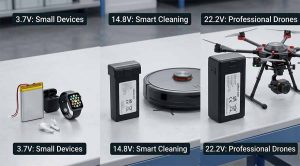
Consumer electronics typically include devices such as smartphones, tablets, wireless earbuds, drones, and smartwatches. These products have several major expectations for lithium-ion batteries.
1. Compact Size and Lightweight Design
Portability is critical for consumer electronics. Users want devices that are lighter and easier to carry.
For that reason, manufacturers prioritize high energy density lithium-ion batteries during product design.
For example, a smartphone must deliver more than a full day of battery life within a very limited internal space. That means the lithium-ion battery needs to be compact while still storing enough energy.
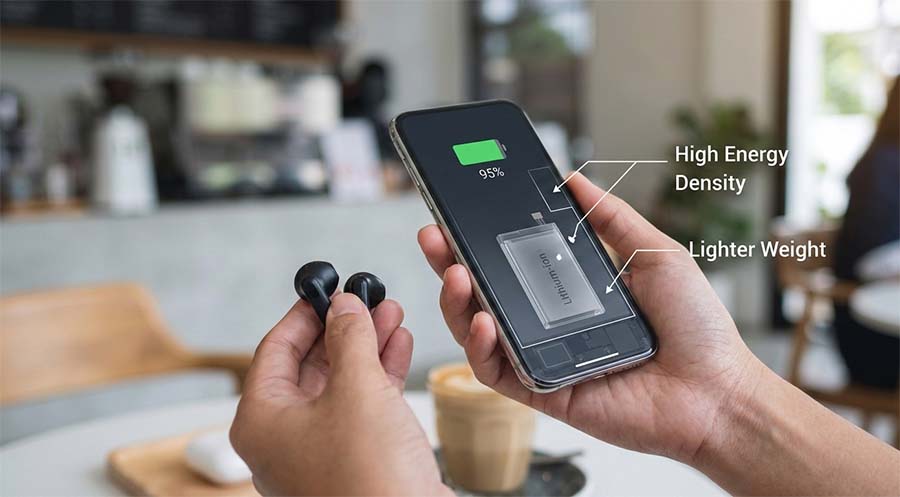
Battery life is one of the most important parts of the user experience.
A high energy density lithium-ion battery allows devices to run longer without increasing the size of the battery.
The greater the energy density, the longer a device can operate within the same physical space.
Modern lifestyles move quickly, and users expect devices to recharge just as fast.
Many products now support fast-charging lithium-ion batteries, allowing devices to gain hours of use from as little as 30 minutes of charging.
Because of this expectation, consumer electronics place strong demands on fast-charging lithium-ion battery performance.
The consumer electronics market is extremely competitive.
Manufacturers must balance performance with affordability. As a result, lithium-ion batteries need to provide stable performance while remaining cost-efficient.
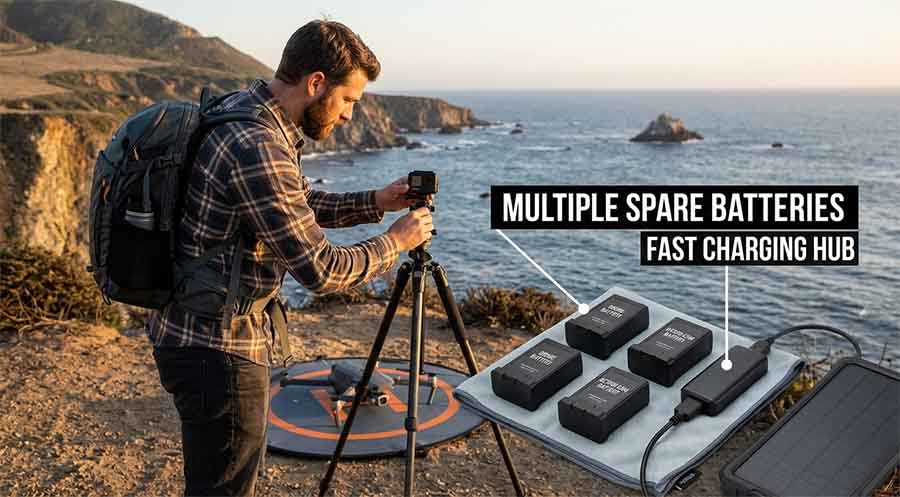
An outdoor video creator based in California frequently uses drones and action cameras to film content. These devices usually rely on compact lithium-ion batteries.
His main requirements include:
- Lightweight batteries
- Long runtime
- Fast charging capability
- The ability to carry multiple spare batteries
For these types of consumer devices, energy density and charging efficiency are the most important priorities.
Key Requirements for Lithium-Ion Batteries in Electric Vehicles
Compared with consumer electronics, electric vehicles demand far more from power lithium-ion batteries.
1. Extremely High Safety Standards
EV batteries store a massive amount of energy. If something goes wrong, the consequences can be serious.
That’s why automotive-grade lithium-ion batteries must pass strict safety tests, including:
- High-temperature testing
- Crash testing
- Overcharge and over-discharge protection
- Continuous monitoring through a Battery Management System (BMS)
Safety is the single most important metric for EV batteries.
Electric vehicles are expected to last for many years. If the battery degrades quickly, the value of the vehicle drops significantly.
Because of this, EV lithium-ion batteries are typically designed to support thousands of charge cycles.
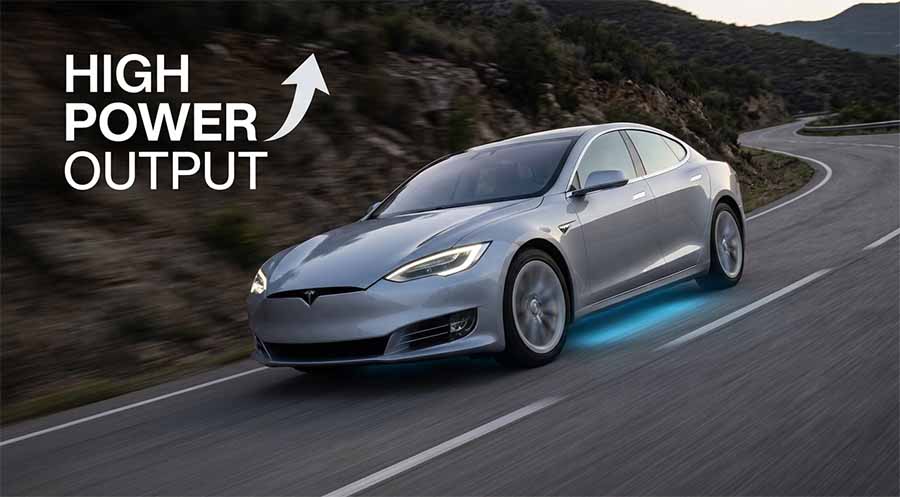
Vehicles require large bursts of energy during acceleration or hill climbing.
This means high-power lithium-ion batteries must deliver stable and reliable output under demanding conditions.
Cars operate in a wide range of environments—from extremely hot deserts to freezing winter climates.
Therefore, electric vehicle lithium-ion batteries must maintain stable performance across different temperatures.
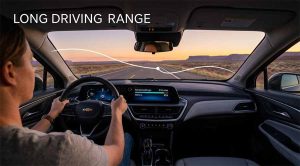
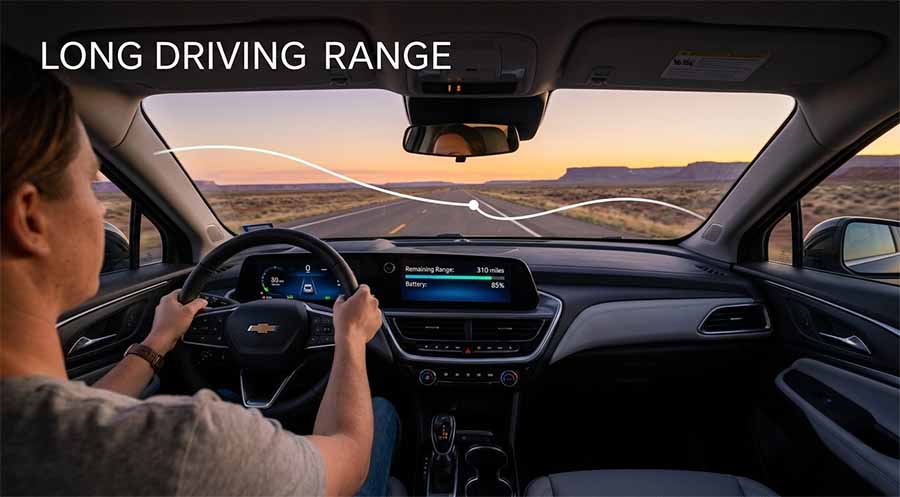
A commuter living in Texas drives about 80 kilometers (around 50 miles) every day to work. His electric vehicle is his primary mode of transportation.
His key requirements include:
- Long driving range
- Fast charging
- High safety standards
- Long battery lifespan
If the battery performance is insufficient, the vehicle may not meet everyday commuting needs.
That’s why automakers place a strong emphasis on range, durability, and safety when selecting EV lithium-ion batteries.
Key Differences Between Consumer Electronics and EV Batteries
| Category | Consumer Electronics | Electric Vehicles |
| Battery Size | Small and lightweight | Large battery packs |
| Priority | Energy density and portability | Safety and durability |
| Cycle Life | Hundreds of cycles | Thousands of cycles |
| Power Output | Moderate | Very high |
| Cost Sensitivity | Very high | Balanced with safety |
Future Trends in Lithium-Ion Battery Technology
As technology advances, lithium-ion batteries are expected to continue improving in several areas:
- Higher energy density
- Faster charging speeds
- Higher safety standards
- Longer service life
- Smarter battery management systems
These advancements will not only improve consumer electronics but also accelerate innovation across the electric vehicle industry.
HiMAX is a battery brand focused on the research and manufacturing of high-performance lithium-ion batteries. The company provides stable, safe, and reliable battery solutions for customers around the world.
HiMAX has extensive experience in cell selection, battery structure design, and battery management systems. Whether for consumer electronics or industrial equipment, HiMAX delivers high-quality lithium-ion battery solutions.
Find articles related to Battery Comparison Tips on HiMAX