Electric wheelchairs rely heavily on battery performance. The battery determines how far the chair can travel, how stable the power delivery feels, and how often the user needs to recharge. For many years, lead acid batteries were the standard choice. Today, lithium batteries are quickly becoming the preferred option for modern electric wheelchairs.
Understanding the differences between lithium batteries and lead acid batteries can help users, medical equipment distributors, and manufacturers choose the right power solution.
What Are Lead Acid Batteries in Electric Wheelchairs
Lead acid batteries are one of the oldest rechargeable battery technologies. They are widely used because they are affordable and relatively simple to manufacture.
Most traditional electric wheelchairs use sealed lead acid batteries (SLA). These batteries typically operate at 12V and are often connected in pairs to provide 24V power for the wheelchair motor.
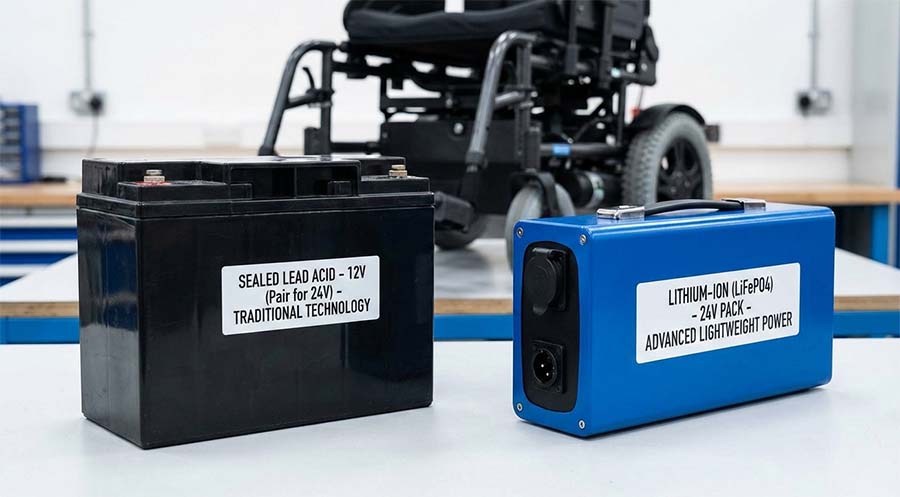
Common characteristics of lead acid wheelchair batteries include:
- Lower upfront cost
- Heavy weight
- Moderate energy storage
- Slower charging speed
- Shorter lifespan compared to lithium batteries
A typical lead acid wheelchair battery may last around 300–500 charge cycles. For frequent wheelchair users, this can mean replacing the battery every 12 to 24 months.
What Are Lithium Batteries for Electric Wheelchairs
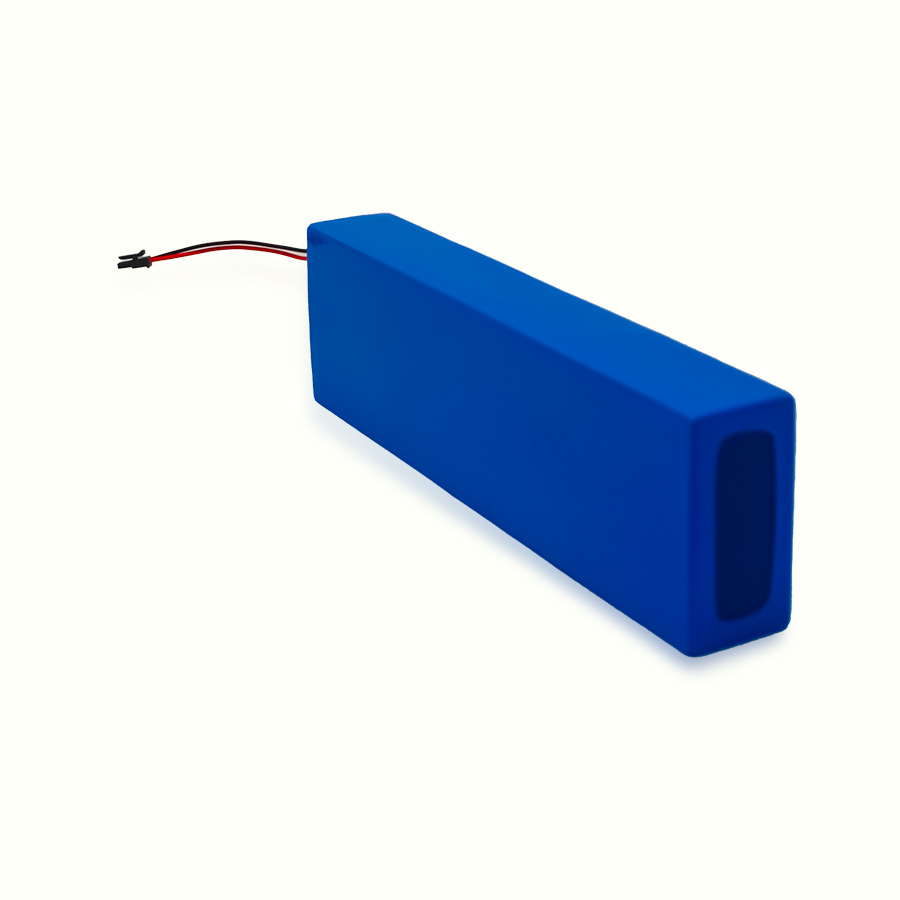
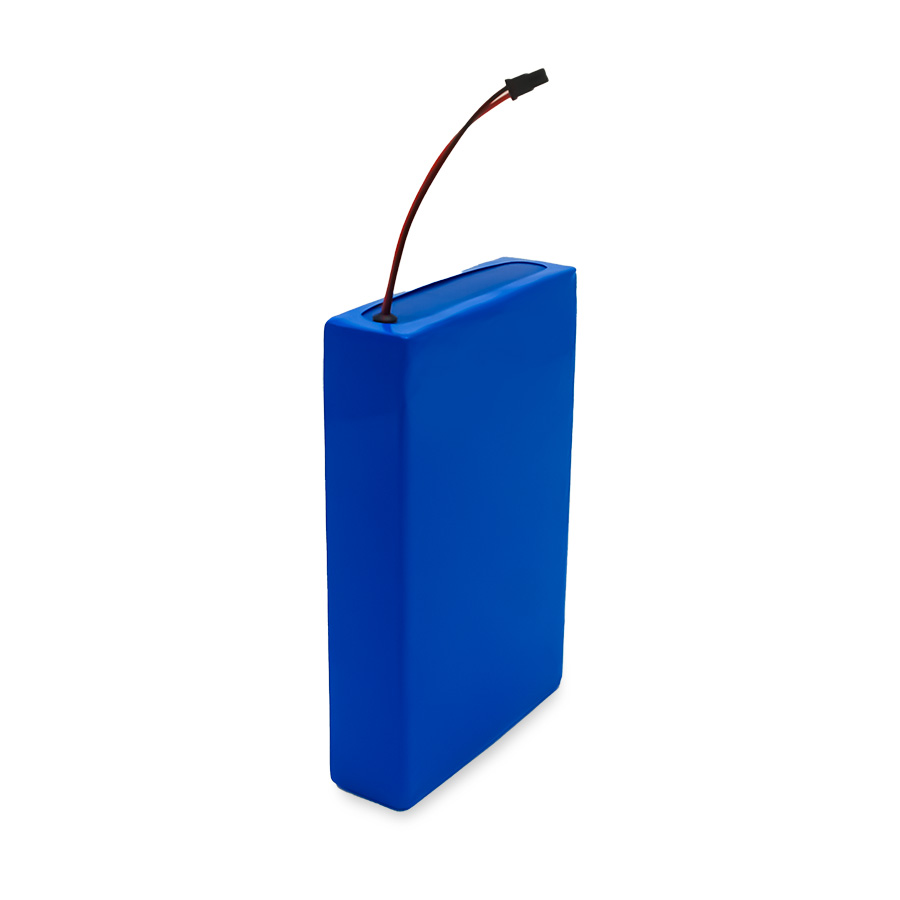
Lithium batteries represent a newer and more advanced power solution. Many modern electric wheelchairs now use lithium-ion or lithium iron phosphate (LiFePO4) batteries.
Lithium batteries are known for higher energy density, longer lifespan, and lighter weight. These advantages directly improve wheelchair usability.
Typical features of lithium wheelchair batteries include:
- Higher energy density
- Faster charging capability
- Longer cycle life
- Lighter weight
- Stable voltage output
For example, a lithium battery designed for electric wheelchairs can reach 2000+ charge cycles, which is several times longer than traditional lead acid batteries.
Weight Comparison: A Major Difference
Weight plays a critical role in electric wheelchairs. A heavy battery makes transportation harder and reduces energy efficiency.
A typical comparison looks like this:
Lead acid battery system
- 24V 20Ah configuration
- Weight: about 26–30 lbs (12–14 kg)
Lithium battery system
- 24V 20Ah configuration
- Weight: about 9–12 lbs (4–5.5 kg)
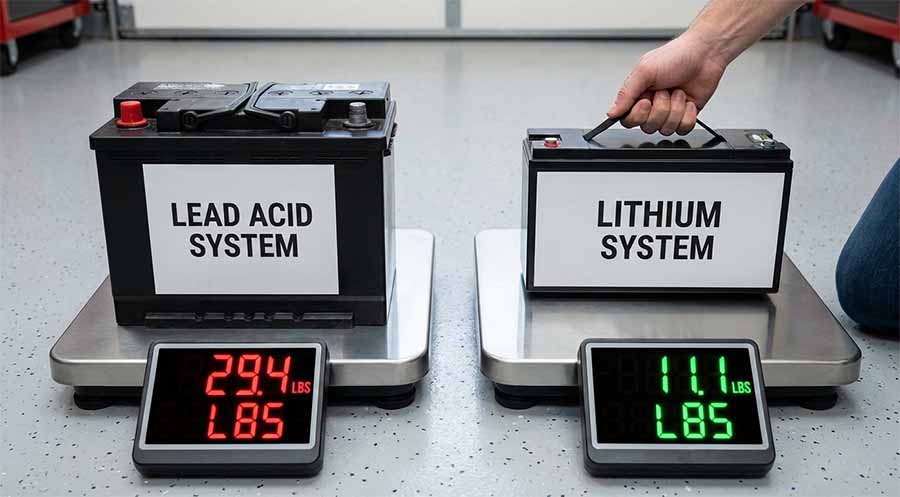
This means lithium batteries can reduce battery weight by 50% to 70%. Lighter batteries make wheelchairs easier to transport, especially for travel, vehicles, and folding models.
Driving Range and Energy Efficiency
Driving range is one of the biggest concerns for wheelchair users. Running out of power during travel can cause inconvenience or safety concerns.
Lead acid batteries often lose voltage steadily during use. As the battery drains, wheelchair performance may feel slower.
Lithium batteries maintain more stable voltage during discharge. This helps the wheelchair deliver consistent speed and torque.
Example comparison:
Lead acid battery system
- Typical range: 10–15 miles (16–24 km)
Lithium battery system
- Typical range: 15–25 miles (24–40 km)
Because lithium batteries use stored energy more efficiently, users often experience longer real-world driving distances.
Charging time also affects daily convenience. Many wheelchair users rely on overnight charging.
Lead acid batteries usually require:
- 8–10 hours for a full charge
Lithium batteries often charge faster:
- 3–5 hours for a full charge
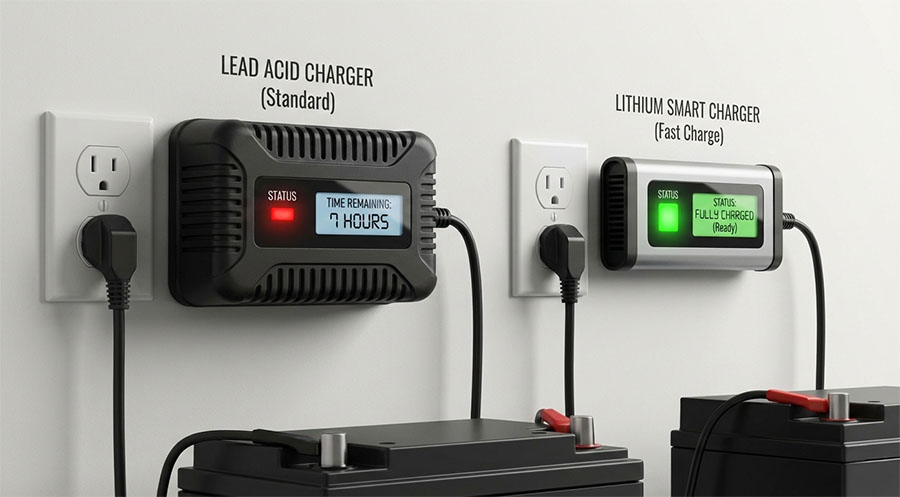
Some advanced lithium battery systems support fast charging, allowing partial charging in a short time.
This feature is especially helpful for active users who travel frequently during the day.
Battery Lifespan and Replacement Cost
While lead acid batteries have a lower purchase price, they typically need replacement more often.
Lead acid battery lifespan
- Around 300–500 cycles
Lithium battery lifespan
- Around 2000 cycles or more
Over several years, lithium batteries may actually reduce the total cost of ownership. Fewer replacements mean less downtime and less maintenance.
For healthcare providers and mobility equipment suppliers, this can be a major advantage.
Performance on Hills and Long Trips
Electric wheelchairs often face slopes, uneven roads, and longer travel distances.
Lead acid batteries sometimes struggle when the charge drops below 40%. Power delivery becomes less stable, and the wheelchair may feel weaker.
Lithium batteries maintain stronger voltage during most of the discharge cycle. Users often report:
- More consistent acceleration
- Better hill climbing ability
- More stable motor performance
This improves both safety and comfort.

Maintenance is another important factor.
Lead acid batteries require more careful handling. Over-discharging or leaving the battery uncharged for long periods can reduce lifespan.
Lithium batteries are generally easier to manage because they include a Battery Management System (BMS). This system protects the battery from:
- Overcharging
- Over-discharging
- Short circuits
- Temperature issues
Because of this, lithium batteries are often considered more user-friendly.
Safety is always critical for medical mobility equipment.
Modern lithium batteries designed for electric wheelchairs include multiple protection layers. Many high-quality manufacturers use:
- Smart battery management systems
- Thermal protection
- Cell balancing technology
Lithium iron phosphate (LiFePO4) batteries are especially known for strong thermal stability and safety.
When produced by experienced manufacturers, lithium batteries can meet strict international safety standards for mobility devices.
Environmental considerations are becoming more important for both consumers and businesses.
Lead acid batteries contain lead and acid, which require strict recycling procedures.
Lithium batteries typically last longer, meaning fewer batteries need to be produced and discarded over time. Their longer cycle life helps reduce overall environmental impact.
For companies focused on sustainability, lithium solutions are becoming the preferred direction.
Why Many Manufacturers Are Switching to Lithium
Across the mobility equipment industry, more manufacturers are moving toward lithium battery solutions.
The main reasons include:
- Lighter product designs
- Longer driving range
- Faster charging times
- Lower long-term ownership cost
- Better user experience
As technology continues to improve, lithium batteries are expected to become the standard power solution for electric wheelchairs.
How HiMAX Supports Electric Wheelchair Battery Solutions
As one of the world’s leading battery manufacturers, HiMAX focuses on developing reliable lithium battery solutions for mobility equipment.
HiMAX battery systems are designed to provide:
- High energy density cells
- Stable discharge performance
- Long cycle life
- Advanced battery management protection
- Custom battery configurations for wheelchair manufacturers
These features help electric wheelchairs achieve longer operating time, lighter weight, and improved overall reliability.
When comparing lithium vs lead acid batteries for electric wheelchairs, the differences are clear. Lithium batteries offer longer lifespan, lighter weight, faster charging, and better driving performance.
Although lead acid batteries still exist in many older wheelchair models, the industry trend is shifting toward lithium technology.
For wheelchair users, manufacturers, and medical equipment distributors, choosing the right battery technology can significantly improve mobility, efficiency, and long-term value.