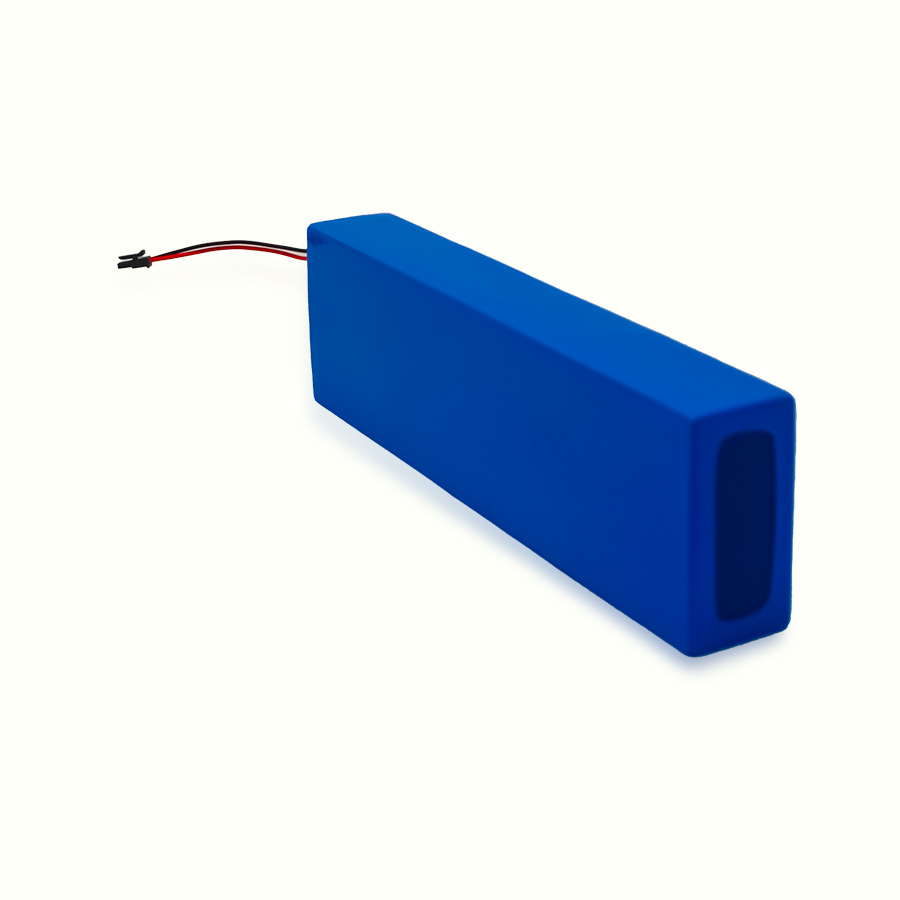
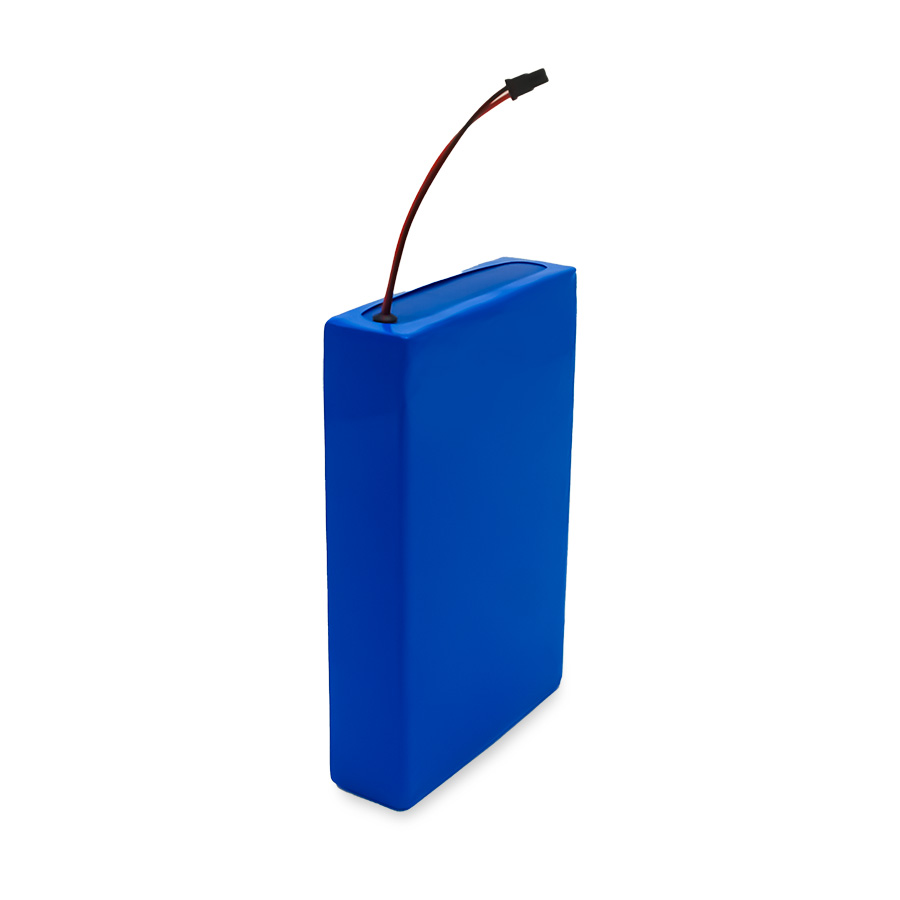
As diving continues to grow in popularity worldwide, diving equipment is evolving from specialized professional gear into high-frequency, everyday-use equipment. Whether for recreational diving, underwater photography, or commercial and rescue diving, users are placing higher demands on equipment stability and reliability. Among all the factors that affect the diving experience, battery runtime has become one of the most critical performance indicators.
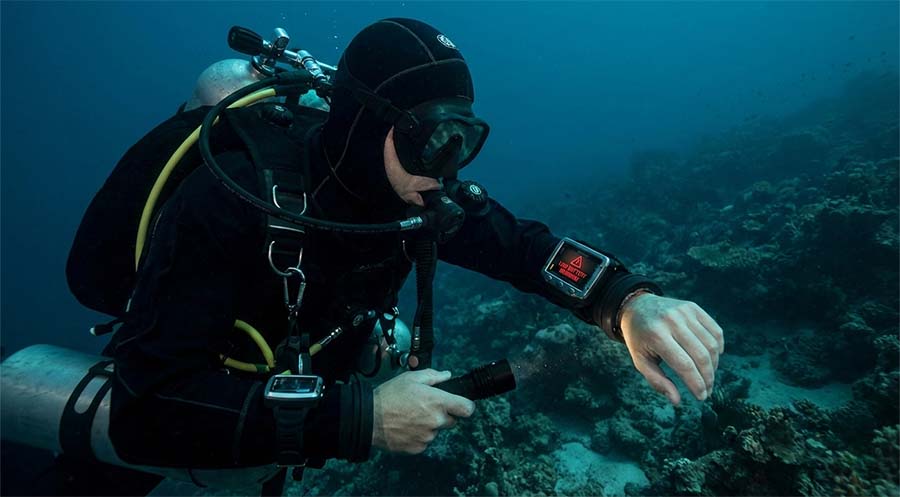
For divers, if equipment shuts down underwater due to insufficient power, it not only disrupts the mission but can also create safety risks. As a result, the requirements placed on a diving equipment battery are significantly higher than those for typical consumer electronics.
Why Diving Equipment Is Highly Sensitive to Battery Runtime
Diving equipment typically operates in environments with high humidity, high pressure, low temperatures, or rapid temperature changes, all of which place greater demands on battery performance.
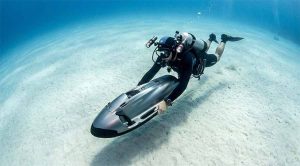
- First, most diving devices are designed for continuous operation. Equipment such as underwater scooters, video lights, dive computers, and underwater communication devices often need to run continuously for 30 minutes to 2 hours during a single dive. If battery runtime is insufficient, the device may stop working before the task is completed.
- Second, batteries cannot be replaced or recharged during a dive. Once underwater, users must rely entirely on the remaining charge to complete the entire dive. This makes the gap between “rated runtime” and “usable runtime” much more noticeable to divers.
- Third, output stability in the mid-to-late stages of battery discharge is especially important. If brightness drops, thrust weakens, or system performance throttles at lower battery levels, both efficiency and safety judgment can be directly affected.
Core Battery Performance Requirements for Diving Equipment
Compared with standard electronic devices, diving equipment places several clear and demanding requirements on its battery systems:
- First, high energy density. Within limited size and weight constraints, the battery must store as much usable energy as possible to avoid adding bulk or negatively affecting underwater maneuverability.
- Second, stable discharge characteristics. Diving equipment is highly sensitive to voltage and current fluctuations, especially in the mid-to-late discharge range, where instability can directly impact performance.
- Third, strong environmental adaptability. Water temperatures are often lower than room temperature, and in some dive sites can fall below 10°C. If battery performance degrades significantly in cold water, actual runtime can be dramatically reduced.
- Fourth, safety and reliability. Diving is a closed and unforgiving environment. Any battery abnormality can have serious consequences, so battery management systems and structural safety are critical.
Technical Advantages of HiMAX Batteries in Diving Equipment
The advantages of HiMAX batteries in diving applications are not reflected in a single parameter, but in the combined improvement of multiple technical aspects.
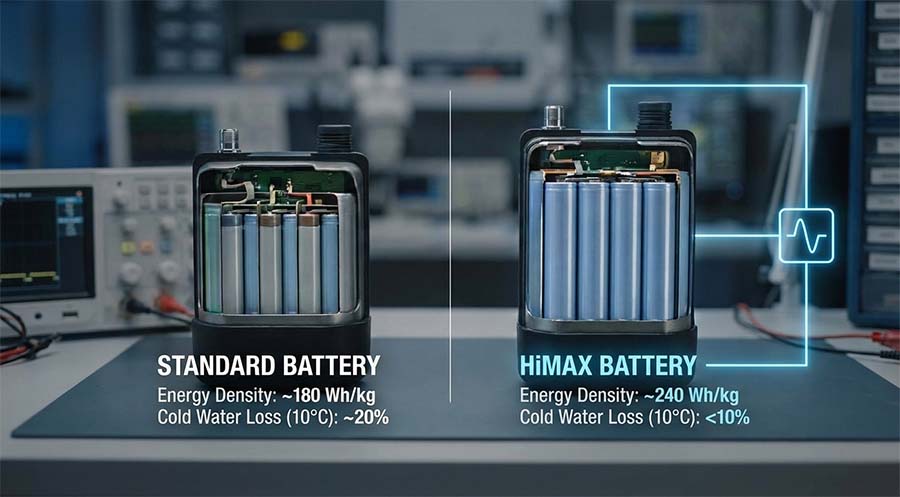
- In terms of energy density, HiMAX uses high-energy-density lithium cells with energy density reaching approximately 220–250 Wh/kg. Compared with traditional diving equipment batteries commonly rated at 170–190 Wh/kg, this provides about 25%–35% more usable energy at the same size and weight.
- In terms of discharge stability, HiMAX optimizes cell structure and discharge curves to keep voltage fluctuations within ±5% across roughly the 20%–90% state-of-charge range. This allows diving equipment to maintain consistent performance throughout most of its operating cycle.
- In terms of environmental adaptability, HiMAX batteries limit capacity loss to within 10% in water temperatures ranging from 10°C to 30°C, outperforming conventional batteries that often experience 15%–25% degradation in colder conditions.
- In addition, HiMAX batteries are equipped with advanced battery management systems (BMS) that continuously monitor voltage, current, and temperature, preventing over-discharge, cell imbalance, and abnormal discharge behavior, further enhancing underwater safety.
Case 1: Extending the Runtime of Underwater Video Lights
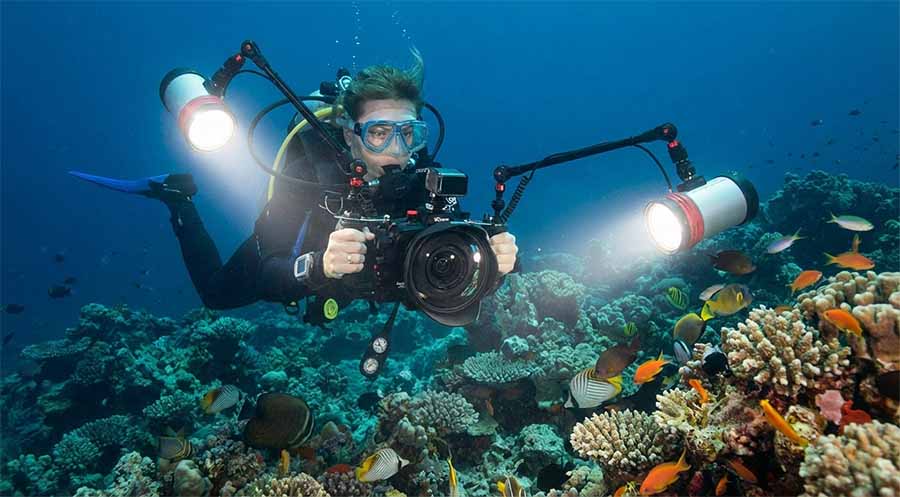
In Florida, a recreational diver named Jenny frequently uses underwater video lights and a dive computer for photography. Her typical dive lasts 60–90 minutes, and she dives once or twice per week.
With standard battery solutions, her underwater video light provided about 45–50 minutes of continuous high-brightness output on a full charge. During multiple dives, she noticed that once the battery dropped to around 40%, brightness began to decline noticeably, forcing her to end shooting early.
After switching to an equivalent video light equipped with a HiMAX battery, a single charge supported approximately 70–80 minutes of stable high-brightness output. Even when the battery level dropped to around 30%, brightness remained above 90% of its rated level. This allowed her to fully document an entire dive without worrying about mid-dive performance loss.
Case 2: Nearly 150 Minutes of Use on a Single Charge
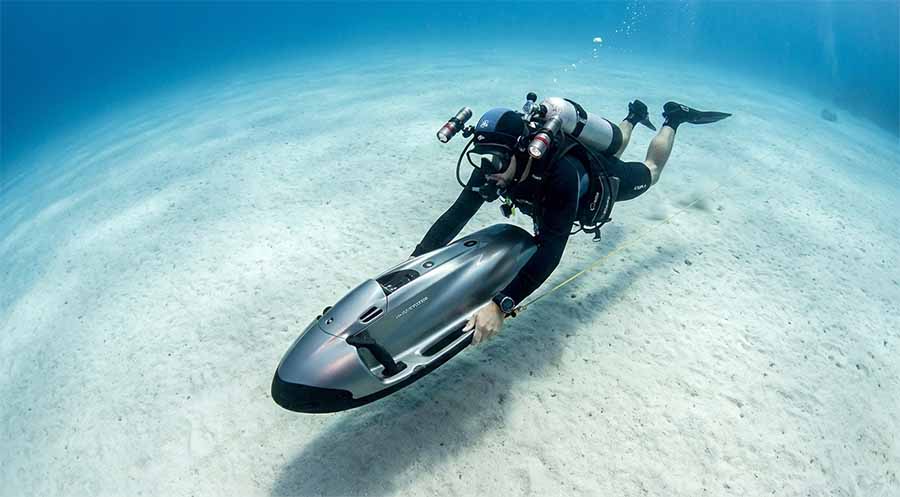
In California, Garcia, an underwater photography enthusiast, regularly participates in longer shore and boat dives. He often uses both underwater video lights and a compact underwater scooter, with single dives exceeding 90 minutes.
Previously, when using equipment with standard batteries, he needed to prepare spare batteries or allow extended charging time between dives. Battery limitations were especially noticeable during the second dive of the day.
After upgrading to diving equipment powered by HiMAX batteries, he found that a single charge could support two full dives, with total operating time approaching 150 minutes. Even during the latter part of the second dive, both scooter thrust and light brightness remained stable, with no obvious drop in performance.
This improvement made his dive planning more flexible and significantly reduced his reliance on spare batteries.
How Improved Runtime Enhances Safety and the Diving Experience
For divers, longer runtime means more than just extended usage time—it translates directly into greater confidence and reliability. When diving equipment can consistently support an entire dive, users can focus more on the environment and the task at hand, rather than constantly monitoring battery levels.
Stable performance throughout the discharge cycle also ensures that photography quality, propulsion efficiency, and operational precision are not compromised as battery levels decline.
As one of the world’s leading battery manufacturers, HiMAX delivers higher energy density, more stable discharge behavior, and advanced safety management systems, providing diving equipment with long-lasting, reliable, and trustworthy power support. When a diving equipment battery can reliably accompany divers through every descent, its value extends far beyond the battery itself.
Find articles related to HiMAX success stories
- HiMAX Battery Helps Extend the Runtime of Electric Formula Dispensers
- HiMAX Batteries Extend Hair Clipper Runtime
- HiMAX Batteries Extend the Runtime of Cleaning Robots
- HiMAX Batteries Extend Action Camera Runtime
- HiMAX Batteries Extend Speaker Playback Time
- HiMAX Batteries Extend Humanoid Robot Runtime
- HiMAX Battery Extends the Runtime of Screwdrivers
- HiMAX Batteries Extend Lawn Mower Runtime
- HiMAX Batteries Extend Wheelchair Runtime
- HiMAX Batteries Extend the Runtime of Electric Shavers