As RC Plane become increasingly popular in aerial photography, model aviation, and professional flight training, more users are realizing how critical flight time is to the overall experience. Stable endurance directly affects flight continuity, image quality, and operational safety.
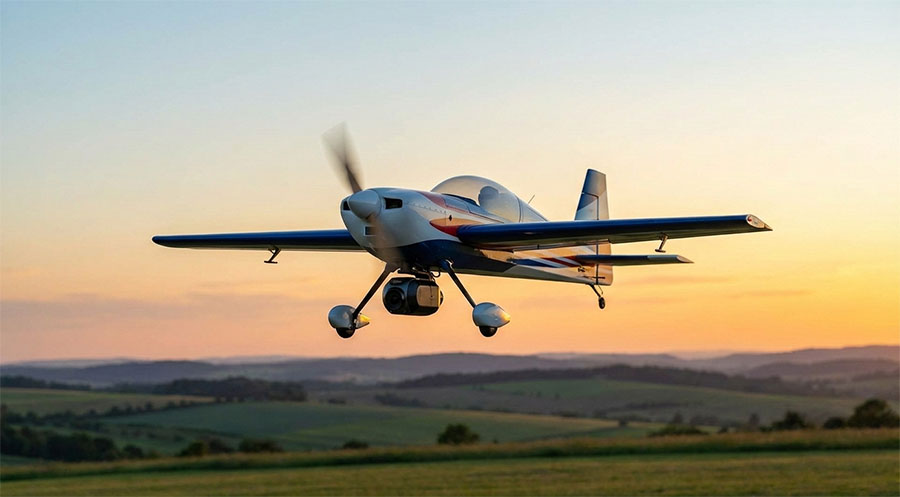
However, when purchasing RC Plane for the first time, many users tend to focus more on airframe specifications, flight control systems, and video transmission performance, while overlooking differences in battery quality. As usage continues, users gradually discover that even with the same aircraft, flight time can vary significantly when using batteries from different brands or with different specifications. Some batteries perform well at takeoff when fully charged, but their voltage drops too quickly during flight, forcing an early return. Battery performance is the core factor that ultimately determines endurance.
What Do Users Consider When Choosing a Backup Battery?
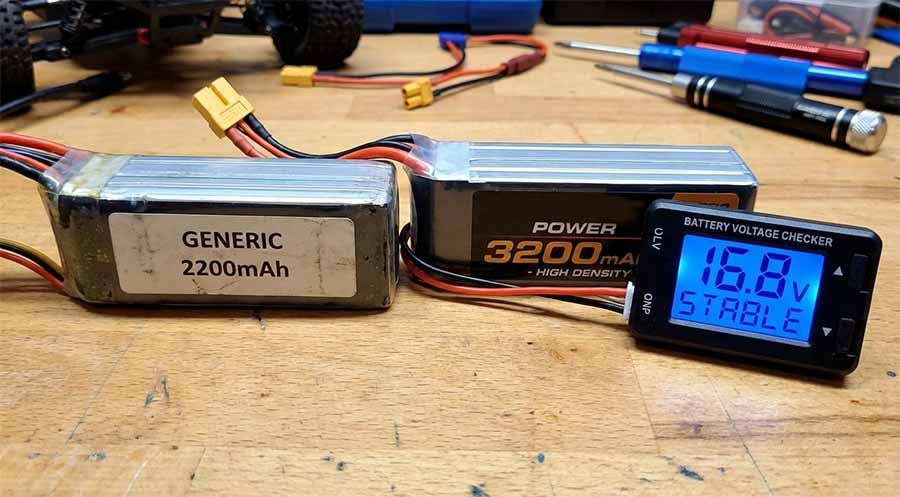
When users begin shopping for a backup battery, they usually focus on several key factors.
- First, whether the flight time can be meaningfully extended, and whether the rated battery capacity is accurate and reliable.
- Second, discharge stability, and whether the battery can maintain consistent output throughout the entire flight.
- Third, safety, including protection against overcharging, over-discharging, and overcurrent.
- Fourth, compatibility, ensuring the battery fully matches the RC Plane’s original connector type and voltage requirements.
Real User Case Study from the United States

Mark, an RC Plane enthusiast from California, regularly flies his drone on weekends for aerial photography. He initially used the stock battery included with the aircraft, achieving an average flight time of about twelve minutes per session. After a recommendation from a friend, he began searching for a more reliable RC Plane battery solution and was introduced to the HiMAX brand.
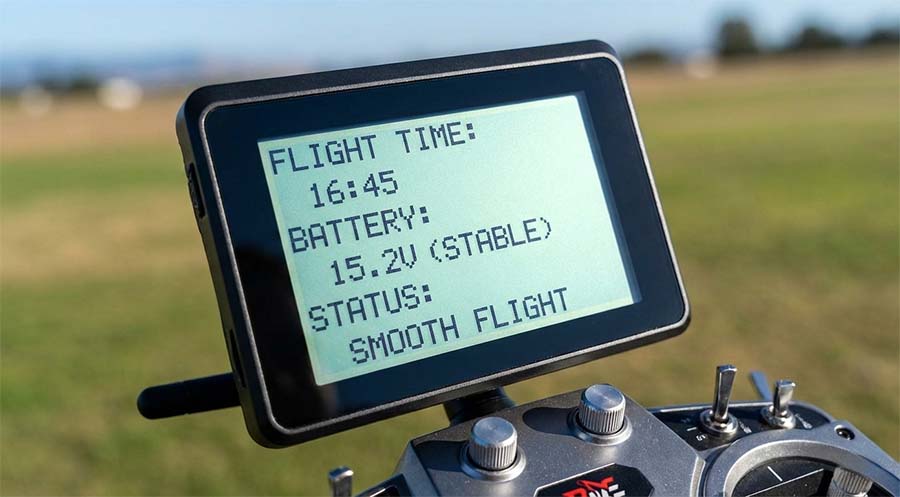
After switching to a HiMAX battery, Mark conducted multiple comparison tests. Under the same flight conditions and operating habits, his single-flight duration consistently increased to fifteen to sixteen minutes. More importantly, aircraft control remained smooth during the latter part of the flight, with no noticeable power drop. This gave him more time to adjust camera angles and compose shots during aerial filming.
Mark noted that HiMAX batteries not only extended his flight time, but also reduced the need to carry multiple spare batteries, making his overall flying experience more efficient and convenient.
Technical Advantages of HiMAX Batteries in RC Plane Applications
In RC Plane applications, HiMAX batteries improve endurance mainly through three key strengths.
- First, a high energy density design allows more power to be stored within the same size and weight, extending overall flight time.
- Second, a stable discharge curve keeps voltage output steady even under high power demand, preventing premature low-voltage warnings from the flight control system.
- Finally, strict quality control minimizes performance differences between individual cells, ensuring consistent operation across the entire battery pack.
For RC Plane users, extending flight time is not just about improving a single specification, but about upgrading the entire flying experience. With true capacity, stable output, and reliable build quality, HiMAX batteries help users achieve longer flight durations and greater confidence during real-world use. Whether for aerial photography enthusiasts or model aviation hobbyists, choosing the right battery is a critical step in enhancing RC Plane performance. HiMAX batteries are a proven and dependable choice, validated through real-world use.
Find articles related to HiMAX success stories