Cold feet can ruin a winter day. This is true for outdoor workers, hikers, skiers, and anyone who spends long hours in low temperatures. Heated insoles solve this problem by delivering steady warmth directly under your feet. At the core of every system is the battery.
Choosing the right heated insoles battery determines how long the heat lasts, how safe the product is, and how comfortable it feels during real use.
What Is a Heated Insoles Battery
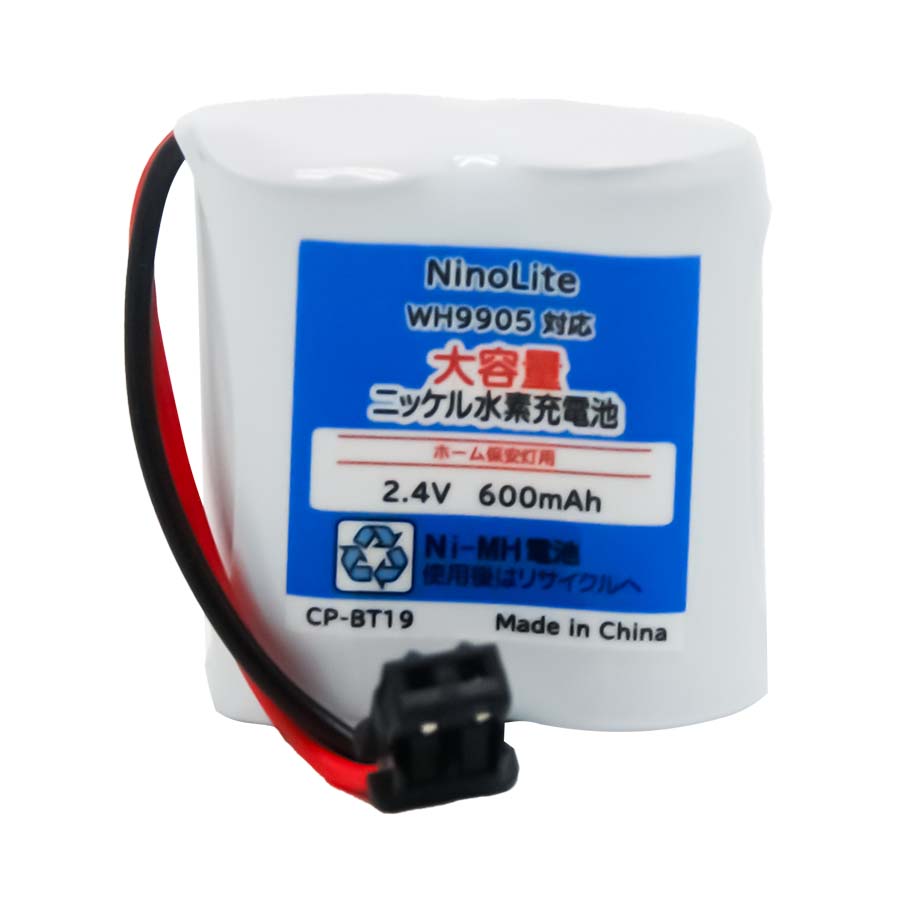
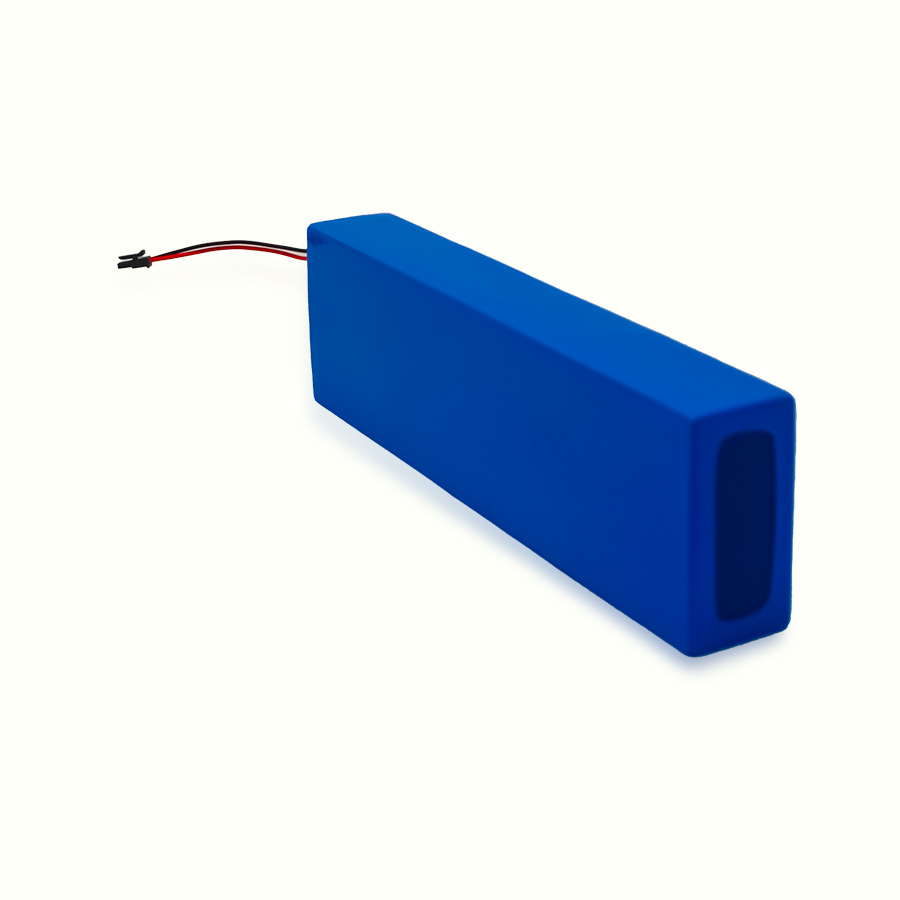
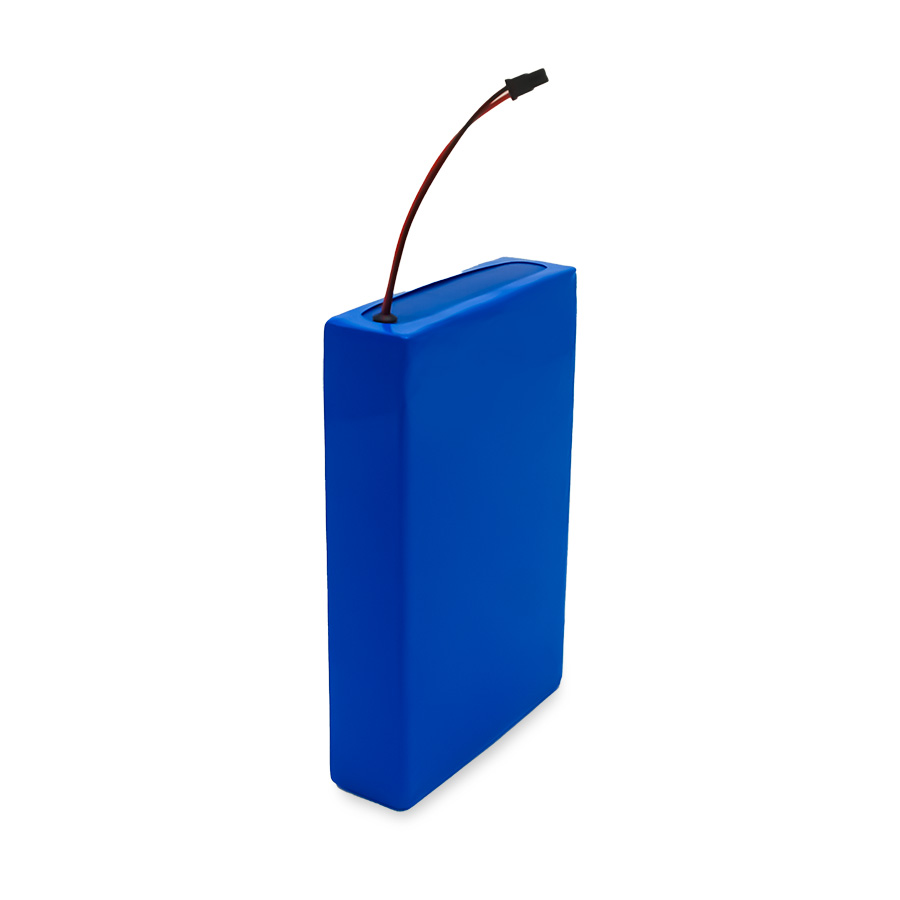
A heated insoles battery is a compact power source that supplies electricity to heating elements embedded in shoe insoles. The battery converts stored energy into controlled heat and delivers it at a steady rate.
A high-quality heated insoles battery pack provides stable voltage, safe temperature control, and reliable performance in cold environments.
Why the Battery Matters More Than You Think
The battery affects more than just runtime. It directly impacts heat stability, safety, weight, and charging convenience.
A poorly designed heated insoles battery may:
- Lose capacity in freezing temperatures
- Overheat during long use
- Require frequent recharging
A well-designed battery ensures consistent warmth throughout the day.
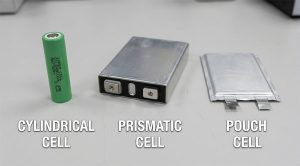
Common Battery Types Used in Heated Insoles
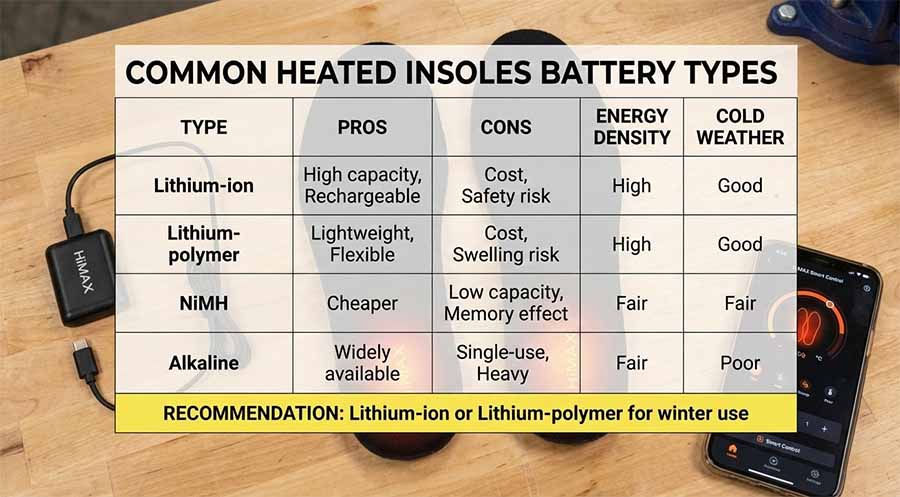
Different battery chemistries offer different advantages. The table below compares the most common options.
| Battery Type | Weight | Energy Density | Cold Performance | Common Use |
| Lithium-Ion | Light | High | Good | Most mainstream heated insoles |
| Lithium-Polymer | Very light | Very high | Excellent | Premium and slim-fit designs |
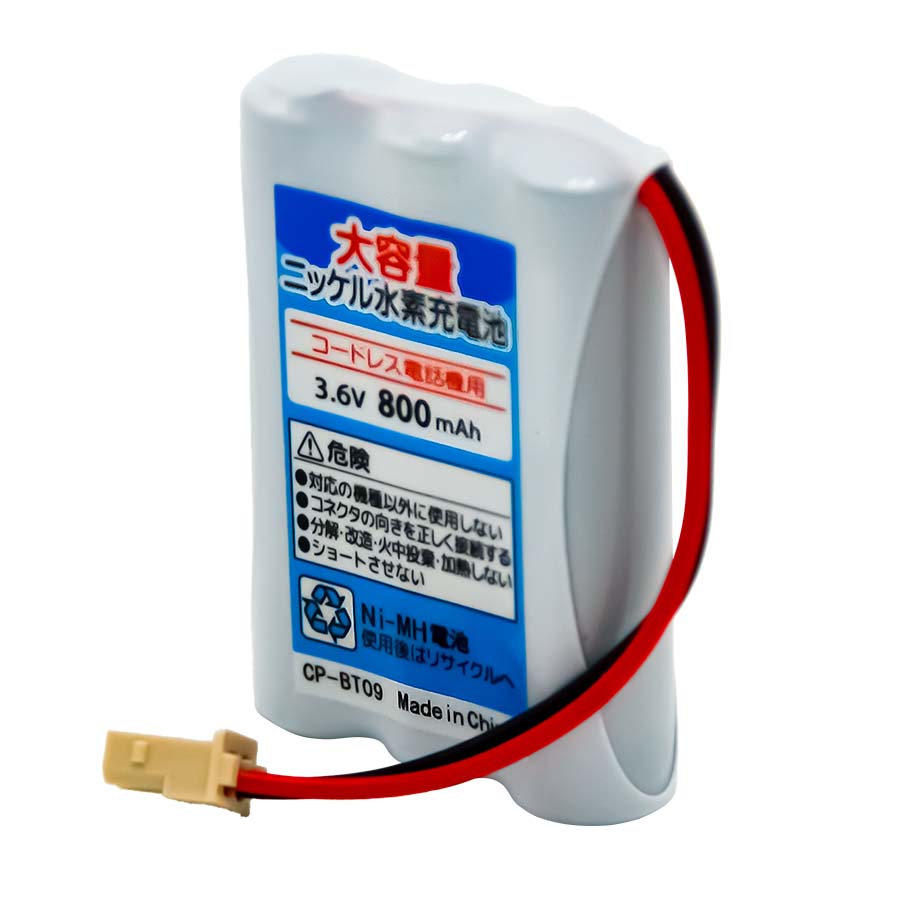
| Nickel-Based | Heavy | Low | Poor | Older or budget models |
A lithium heated insoles battery or lithium-polymer option is strongly recommended for winter use.
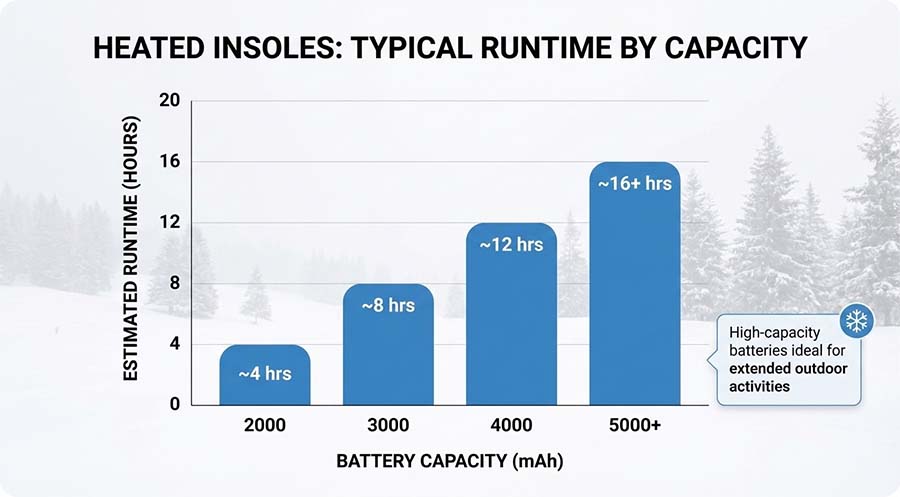
| Battery Capacity | Low Heat | Medium Heat | High Heat |
| 2000–2500 mAh | 5–6 hrs | 3–4 hrs | 2 hrs |
| 3000–4000 mAh | 7–9 hrs | 5–6 hrs | 3 hrs |
| 5000–6000 mAh | 10–12 hrs | 7–8 hrs | 4 hrs |
A high-capacity heated insoles battery for winter is ideal for skiing, hiking, or outdoor work shifts.
Heat Settings and Power Consumption
Most heated insoles offer multiple heat levels to balance comfort and battery life.
| Heat Level | Surface Warmth | Battery Drain | Best For |
| Low | Mild warmth | Very low | All-day wear |
| Medium | Noticeable heat | Moderate | Outdoor activities |
| High | Maximum heat | Fast drain | Extreme cold |
A smart heated insoles battery system allows users to adjust heat based on conditions.
Charging Methods and Charging Time
Modern batteries rely on USB charging for convenience.
| Charging Type | Average Charging Time | Convenience |
| USB-A | 3–5 hours | Widely compatible |
| USB-C | 2–4 hours | Faster, modern standard |
| Magnetic Dock | 3–4 hours | Easy alignment |
A USB rechargeable heated insoles battery works well with wall chargers, power banks, and laptops.
Battery placement affects walking comfort and usability.
| Placement | Comfort Level | Ease of Replacement | Typical Design |
| Inside shoe | Moderate | Low | Minimalist designs |
| Ankle-mounted | High | High | Most common |
| Calf-mounted | Very high | Very high | High-capacity systems |
A lightweight heated insoles battery pack reduces pressure and fatigue during long use.
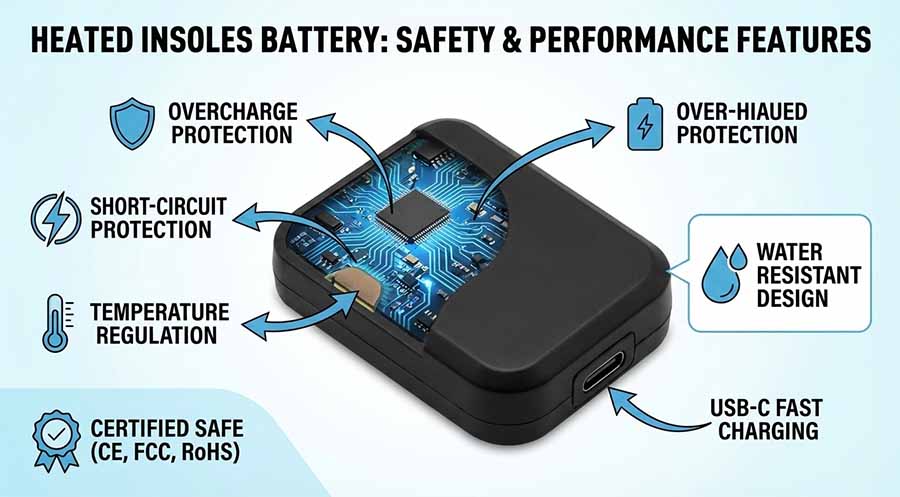
Safety Features You Should Never Ignore
Battery safety is critical for wearable heating products.
| Safety Feature | Purpose |
| Overheat protection | Prevents excessive temperature |
| Overcharge protection | Extends battery lifespan |
| Short-circuit protection | Reduces fire risk |
| Certified lithium cells | Ensures stable performance |
A certified heated insoles battery provides peace of mind during extended wear.
Durability and Cold Weather Performance
Cold temperatures reduce battery efficiency. Quality batteries are designed to perform reliably below freezing.
| Feature | Budget Battery | High-Quality Battery |
| Cold resistance | Weak | Strong |
| Voltage stability | Inconsistent | Stable |
| Lifespan | Short | Long |
A heated insoles battery for cold weather maintains output even in snow and ice.
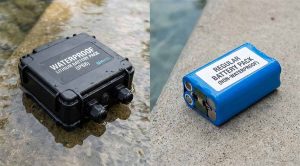
Waterproof and Moisture Resistance
Moisture exposure is unavoidable in winter footwear.
| Protection Level | Suitable Use |
| Splash-resistant | Daily winter wear |
| Water-resistant seals | Snow activities |
| Fully sealed housing | Extreme outdoor use |
A moisture-resistant heated insoles battery pack improves durability and safety.
Weight and Size Considerations
Weight affects balance and comfort.
| Battery Weight | User Experience |
| Under 80 g | Ideal for walking |
| 80–120 g | Acceptable for boots |
| Over 120 g | May cause fatigue |
Modern lightweight heated insoles batteries focus on high energy density with minimal bulk.
When to Replace a Heated Insoles Battery
Signs that a heated insoles battery replacement is needed include:
- Noticeably shorter runtime
- Slower charging
- Uneven heating
Most rechargeable batteries last 300–500 full charge cycles.
Who Needs a High-Quality Heated Insoles Battery
You benefit most if you:
- Work outdoors in winter
- Ski, hunt, or hike in cold climates
- Have poor circulation
- Stand for long periods in cold environments
In these cases, investing in a premium heated insoles battery for winter use is worthwhile.
HiMAX Heated Insoles Battery Introduction
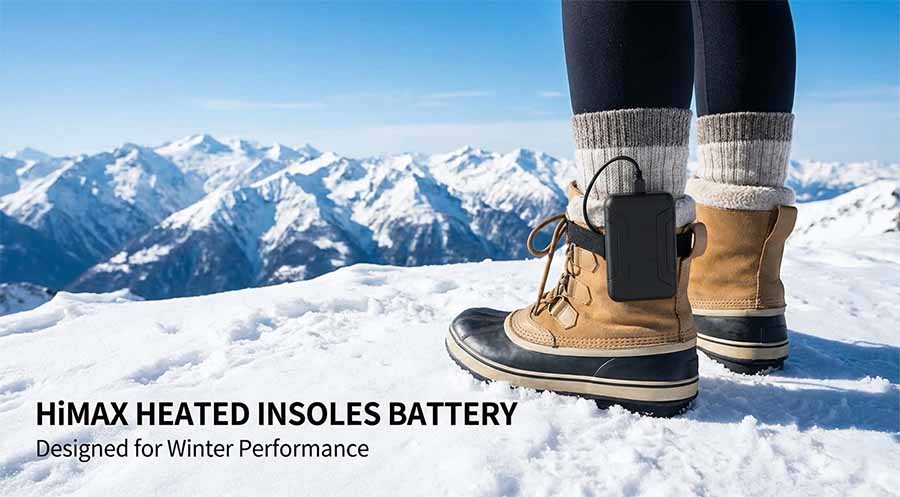
HiMAX designs high-performance power solutions for wearable heating products. The HiMAX heated insoles battery uses premium lithium cells, intelligent temperature control, and multi-layer safety protection. It delivers stable output, fast USB charging, and reliable cold-weather performance. Built for long runtime and daily comfort, HiMAX heated insoles battery is a dependable choice for winter footwear systems that demand warmth, safety, and durability.
Find articles related to lithium-ion batteries