Choosing the right camera battery is one of the most important decisions for photographers and videographers. A reliable battery keeps your camera running, protects your equipment, and ensures you never miss a critical moment. This Camera Battery Buying Guide will help you understand how camera batteries work, what types are available, and how to choose the best option for your needs.
Whether you shoot with a DSLR, mirrorless camera, action camera, or camcorder, the right camera battery can improve performance and extend shooting time. This guide is designed for beginners and experienced users who want clear, practical advice.
Why Choosing the Right Camera Battery Matters
A camera battery powers every essential function of your device. It runs the sensor, processor, screen, autofocus system, and video recording features. A poor-quality battery can cause sudden shutdowns, slow performance, or even damage your camera.
Using the correct digital camera battery ensures stable voltage output and safe charging. It also helps maintain battery health over time. When you choose wisely, you get longer shooting sessions and fewer interruptions.
Photographers who travel or shoot outdoors rely heavily on dependable rechargeable camera batteries. A good battery gives peace of mind in unpredictable conditions.
Common Types of Camera Batteries
Different cameras use different battery types. Understanding these options is the first step in making the right choice.
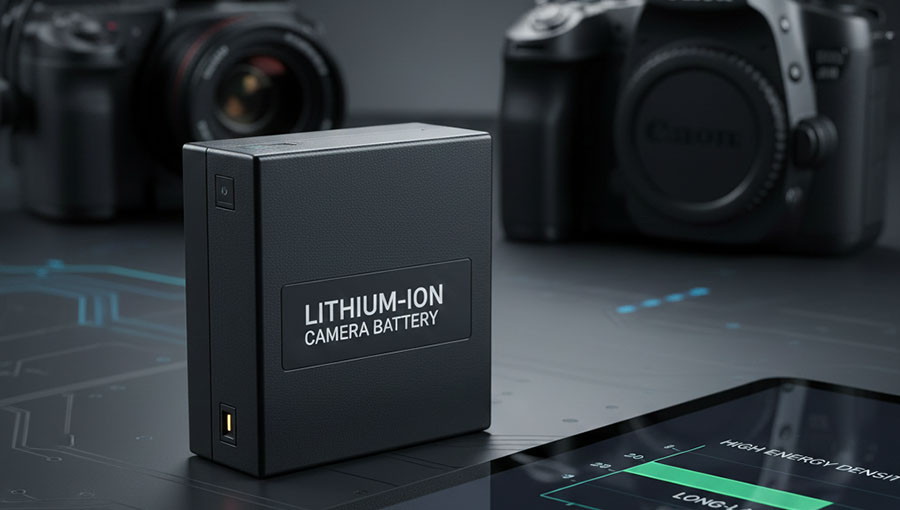
Lithium-ion is the most common type of camera battery used today. These batteries are lightweight and have high energy density. They can hold a charge for long periods and do not suffer from memory effect.
Most DSLR and mirrorless cameras use proprietary lithium-ion batteries. These batteries are designed to match the power requirements of specific camera models.
Nickel-Metal Hydride Batteries
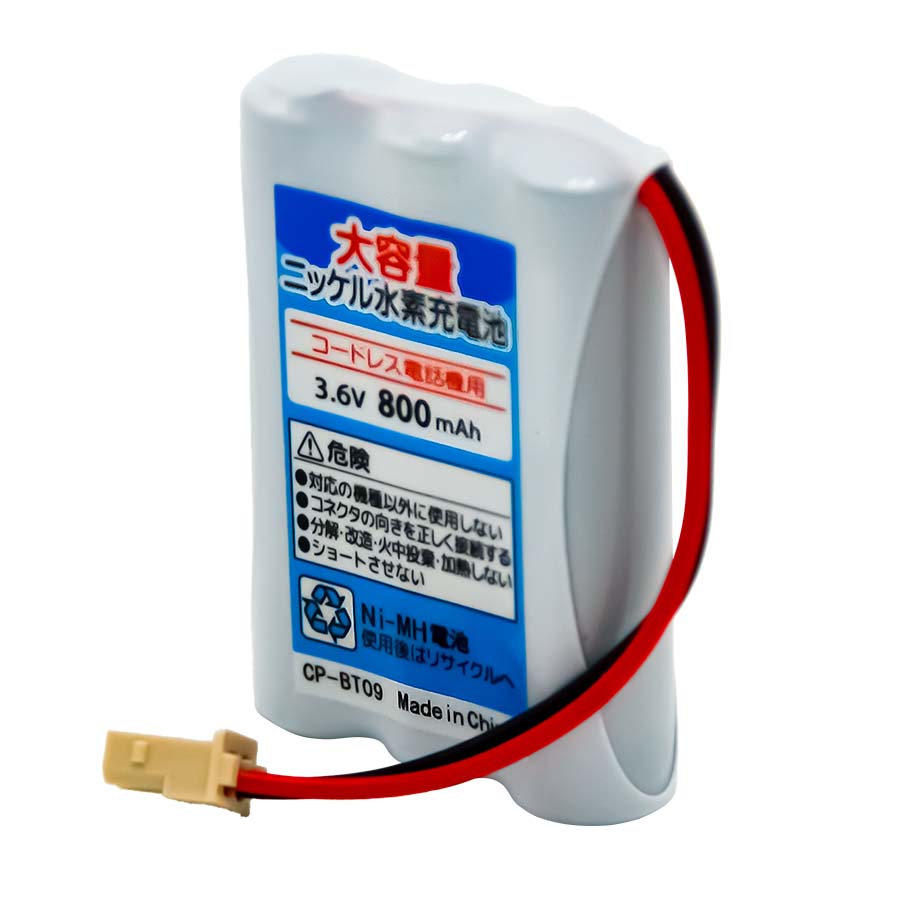
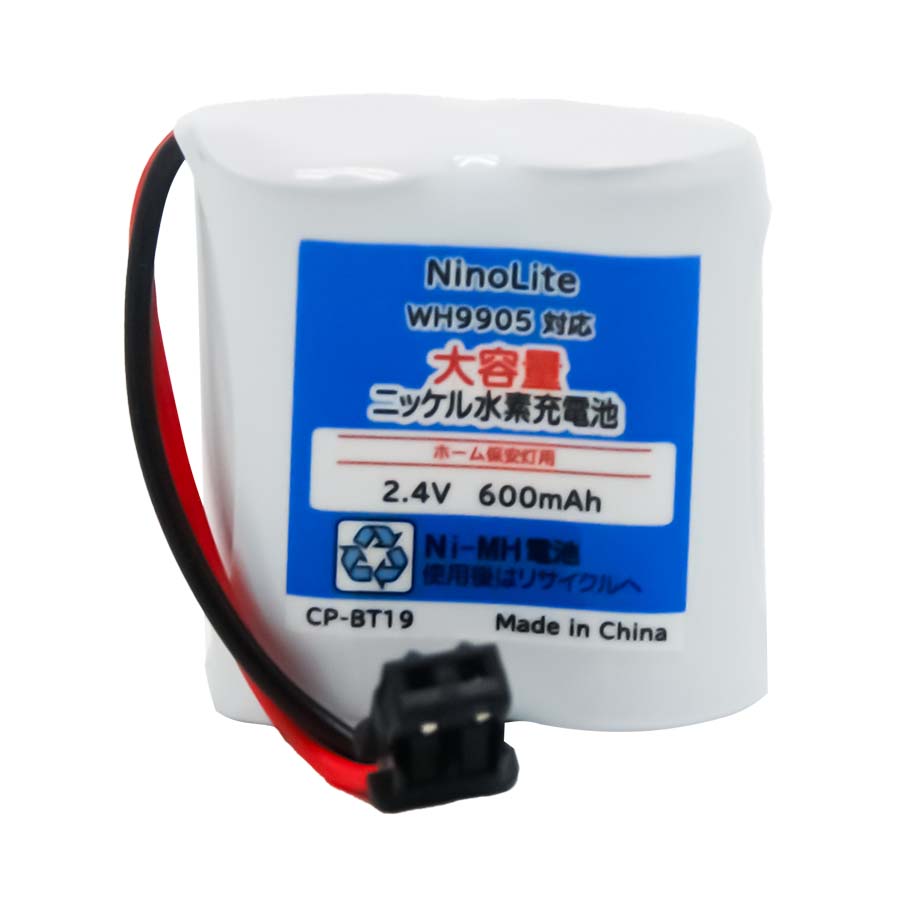
Nickel-metal hydride batteries are less common in modern cameras. They are heavier and have lower energy density. Some older cameras and accessories still use them.
These batteries are rechargeable but lose charge faster when not in use. They are not ideal for professional shooting.
Some compact cameras and flash units use AA or AAA batteries. These can be disposable or rechargeable. While convenient, they usually provide less power than dedicated camera battery packs.
AA batteries are useful as backup options, especially when traveling.
Camera Battery Compatibility and Model Matching
Camera batteries are not universal. Each camera model usually requires a specific battery type. Using the wrong battery can damage your camera or cause it to malfunction.
Always check your camera’s manual to confirm the correct camera battery model. The battery name often starts with letters like NP, LP, EN, or DMW.
Third-party batteries can be compatible, but quality varies. Make sure the battery is designed specifically for your camera model.
OEM vs Third-Party Camera Batteries
When buying a camera battery, you often choose between OEM and third-party options.
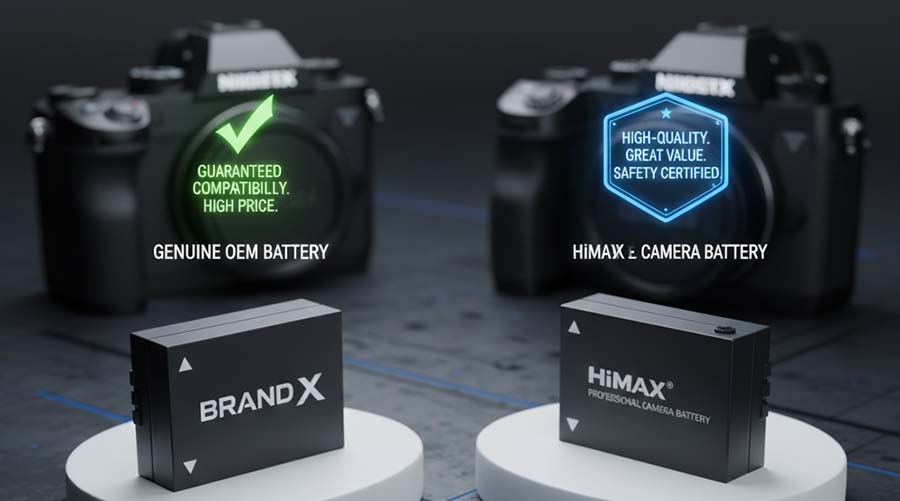
OEM batteries are made by the camera manufacturer. They offer guaranteed compatibility and consistent performance. These batteries are usually more expensive.
They are ideal for professionals who cannot risk failure during important shoots.
Third-party batteries are made by independent brands. High-quality third-party camera batteries can perform just as well as OEM versions at a lower price.
However, low-quality options may have lower capacity or inconsistent voltage. Always choose trusted brands with safety certifications.
Battery Capacity and mAh Explained
Battery capacity is measured in milliampere-hours, or mAh. A higher mAh rating means the battery can store more energy.
A higher-capacity camera battery allows longer shooting time. This is especially important for video recording and time-lapse photography.
However, capacity alone does not determine quality. Battery efficiency, temperature performance, and power management also matter.
Camera Battery Life and Real-World Performance
Manufacturers often list estimated battery life. These estimates are based on standard testing conditions. Real-world performance can vary.
Factors that affect camera battery life include screen brightness, autofocus usage, video resolution, and wireless features like Wi-Fi or Bluetooth.
Cold weather can also reduce battery performance. Photographers shooting outdoors should carry spare batteries.
Charging Options for Camera Batteries
Charging methods play a key role in convenience and efficiency.
Most cameras include a dedicated charger. These chargers are reliable and optimized for the battery.
Using the correct charger helps protect your rechargeable camera battery and extend its lifespan.
Many modern cameras support USB charging. This allows charging through power banks or laptops.
Fast charging is convenient but can generate more heat. Use fast charging only with compatible batteries.
Safety Features to Look for in a Camera Battery
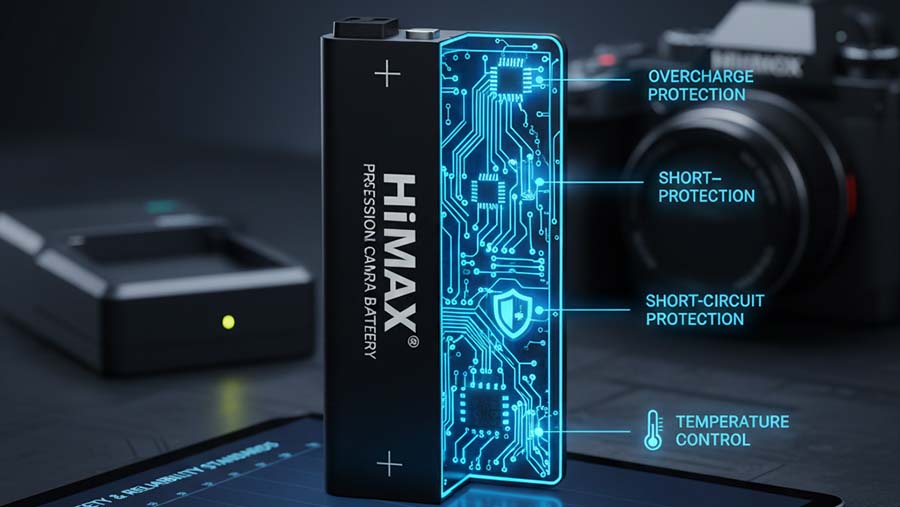
Safety should never be ignored. A high-quality camera battery includes built-in protection features.
Look for overcharge protection, over-discharge protection, short-circuit protection, and temperature control. These features prevent overheating and damage.
Certified batteries meet international safety standards. Avoid unbranded batteries without clear specifications.
How to Store and Maintain Camera Batteries
Proper storage helps extend battery life. Store batteries in a cool, dry place. Avoid extreme heat or cold.
Do not store batteries fully charged or fully empty for long periods. A partial charge is ideal for storage.
Clean battery contacts occasionally to ensure good connection. Good maintenance keeps your camera battery pack reliable.
Travel Tips for Camera Batteries
When traveling, camera batteries require special attention. Airlines often restrict lithium-ion batteries in checked luggage.
Always carry spare camera batteries in your carry-on bag. Use protective cases to prevent short circuits.
Check local regulations when traveling internationally. Some countries have strict battery rules.
Signs You Need to Replace Your Camera Battery
All batteries degrade over time. Common signs include shorter shooting time and slow charging.
If your camera shuts down suddenly, the battery may be failing. Swelling or overheating is a serious warning sign.
Replacing an aging camera battery helps protect your camera and ensures consistent performance.
Introducing HiMAX Camera Batteries
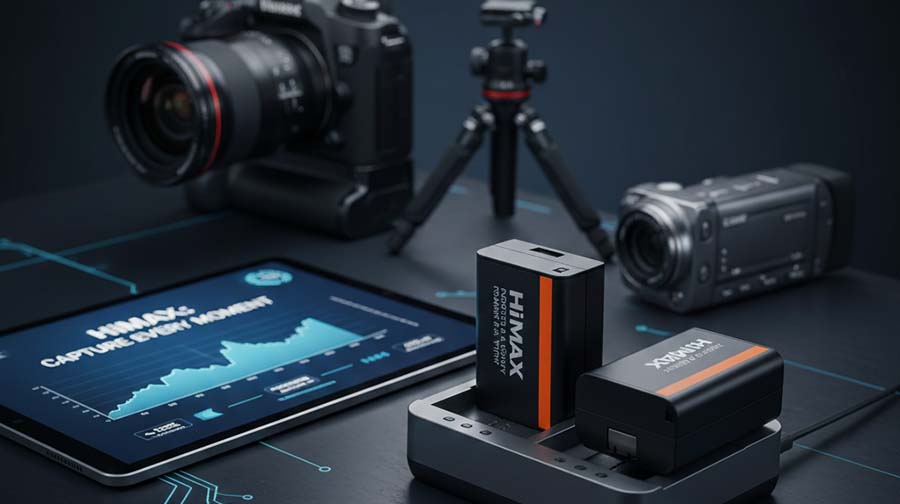
HiMAX is a trusted brand specializing in high-performance camera batteries for modern photographers and videographers. HiMAX camera batteries are engineered with premium lithium-ion cells to deliver stable power and long-lasting performance.
Whether you shoot photos, record video, or travel frequently, HiMAX provides dependable rechargeable camera batteries that help you capture every moment with confidence.
Find articles related to lithium-ion batteries