Choosing the right battery is just as important as choosing the right light. A poor battery can reduce brightness, shorten runtime, and even damage your lighting equipment. This Lighting Battery Buying Guide explains everything you need to know so you can make a confident decision. Whether you use lights for home, outdoor, commercial, or professional applications, understanding how a lighting battery works will help you get better performance and longer life.
What Is a Lighting Battery and Why It Matters
A lighting battery is a power source designed to supply stable energy to lighting devices. These devices include LED lights, flashlights, emergency lights, solar lights, photography lights, and industrial lighting systems. Unlike general-purpose batteries, a battery used for lighting must deliver consistent voltage and reliable current over time.
The right battery for lighting systems ensures stable brightness, predictable runtime, and safe operation. The wrong battery can cause flickering, overheating, or sudden power loss. That is why choosing a proper battery for LED lighting or other lighting equipment is essential.
Common Types of Lighting Batteries
Different lighting applications require different battery types. Understanding these options helps narrow down the best lighting battery solution for your needs.
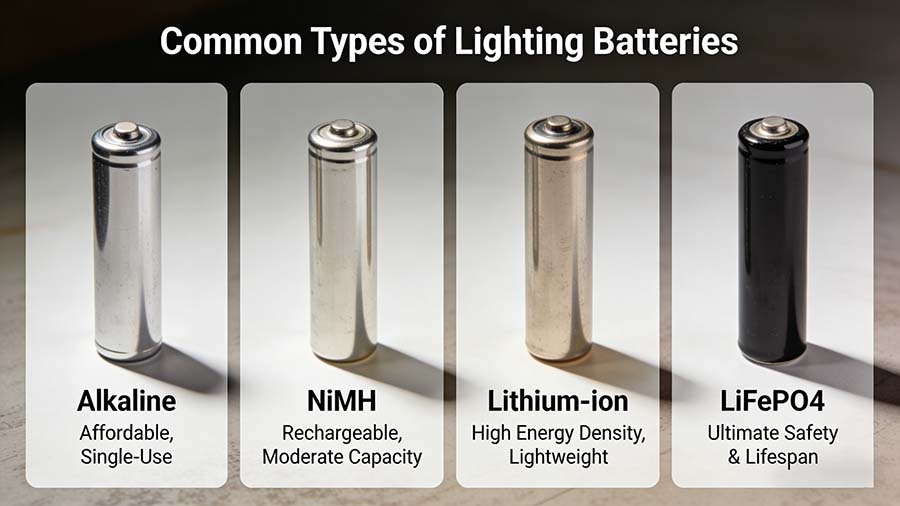
Alkaline batteries are widely available and affordable. They are often used in small flashlights and basic portable lights. However, they are not rechargeable and have limited performance for high-drain lighting.
Alkaline batteries work best for low-power lighting used occasionally. They are not ideal for professional or long-term lighting use.
Nickel Metal Hydride (NiMH) Batteries
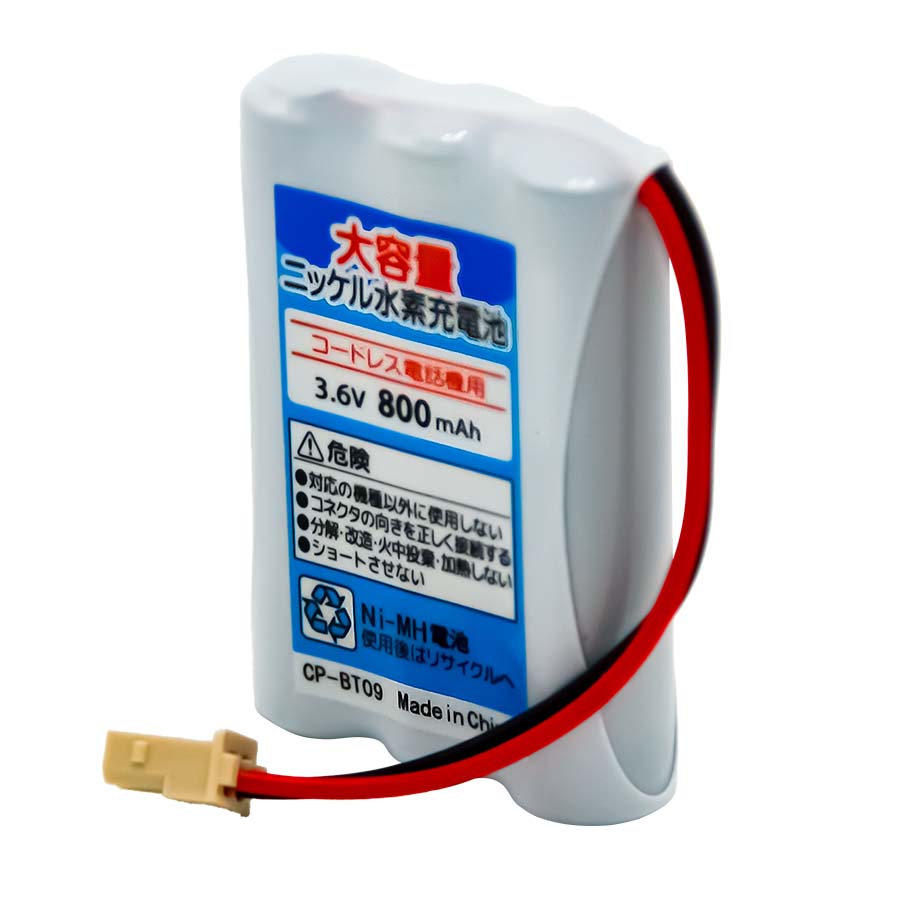
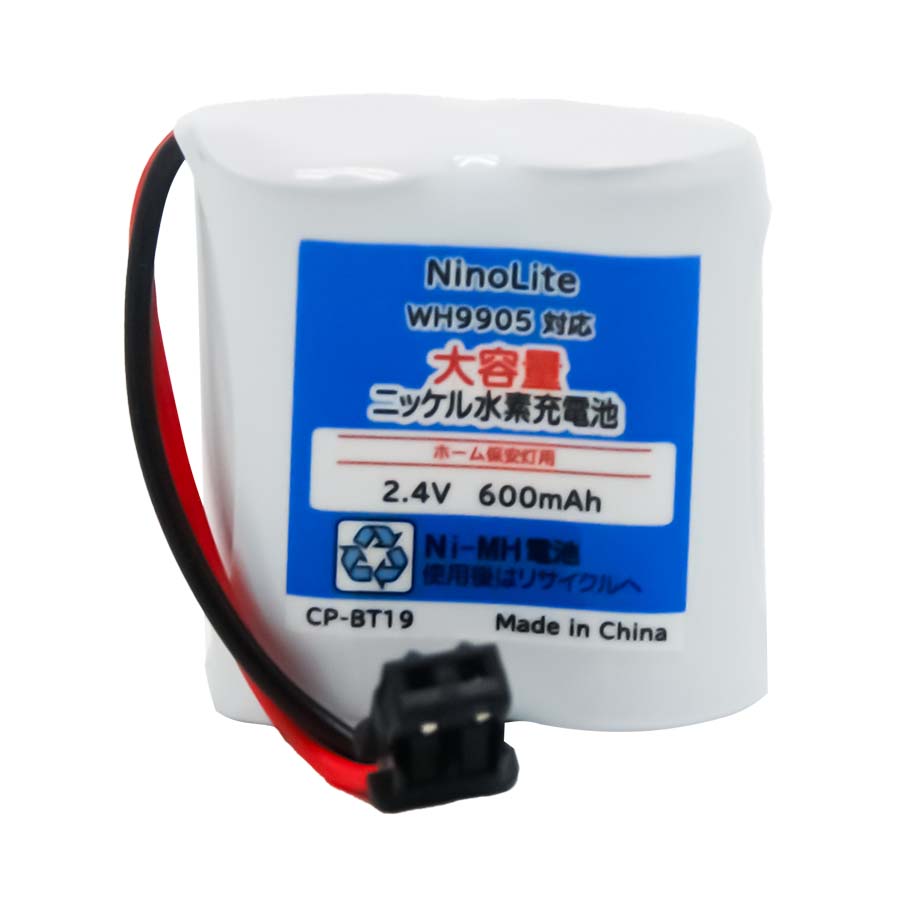
NiMH batteries are rechargeable and more environmentally friendly than alkaline batteries. They provide better performance in medium-drain lighting devices.
These batteries are commonly used in rechargeable flashlights and emergency lights. However, they have a higher self-discharge rate compared to lithium options.
Lithium-ion batteries are the most popular choice for modern lighting systems. They offer high energy density, stable output, and long cycle life. Most advanced lighting battery packs use lithium-ion technology.
Lithium-ion batteries are ideal for LED lighting, portable work lights, photography lights, and smart lighting systems. They are lightweight and support fast charging.
Lithium Iron Phosphate (LiFePO4) Batteries
LiFePO4 batteries are known for safety and long lifespan. They provide stable voltage and excellent thermal performance. Many commercial and outdoor lighting systems use this type of rechargeable lighting battery.
They are especially suitable for solar lighting, street lights, and emergency backup lighting.
Key Factors to Consider When Buying a Lighting Battery
Choosing the best lighting battery requires more than checking price. The following factors directly affect performance and reliability.
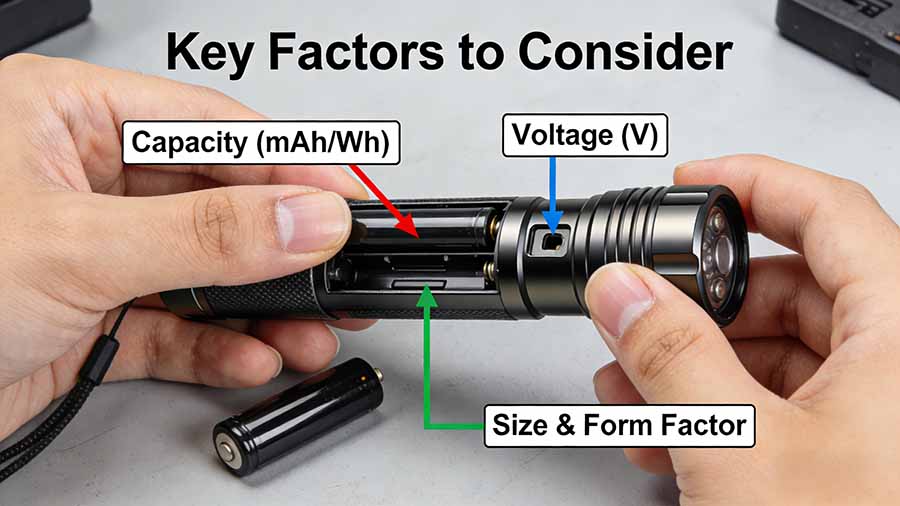
Battery capacity determines how long your light will run. A higher capacity means longer runtime. When comparing batteries, watt-hours (Wh) provide a more accurate comparison than milliamp-hours (mAh).
For high-output LED lighting, always choose a battery with sufficient capacity to avoid frequent recharging.
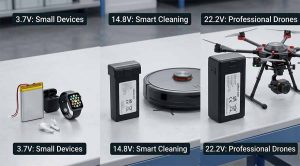
Every lighting device is designed for a specific voltage range. Using the wrong voltage can damage the light or reduce performance.
Always confirm that the battery for lighting equipment matches the required voltage of your device.
High-power lights need batteries that can deliver high current safely. A battery with a low discharge rate may overheat or shut down under heavy load.
Check whether the lighting battery supports continuous and peak discharge suitable for your application.
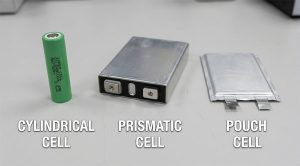
Common battery sizes include AA, AAA, 18650, 21700, and custom battery packs. The physical size must fit your lighting device.
Professional lighting systems often require custom lighting battery packs designed for specific equipment.
Rechargeability and Cycle Life
Rechargeable batteries reduce long-term cost and waste. Lithium-based batteries typically offer hundreds or thousands of charge cycles.
For frequent use, choose a long-life lighting battery with proven cycle durability.
Choosing a Lighting Battery for Different Applications
Different lighting scenarios demand different battery features. Below are common use cases and recommendations.
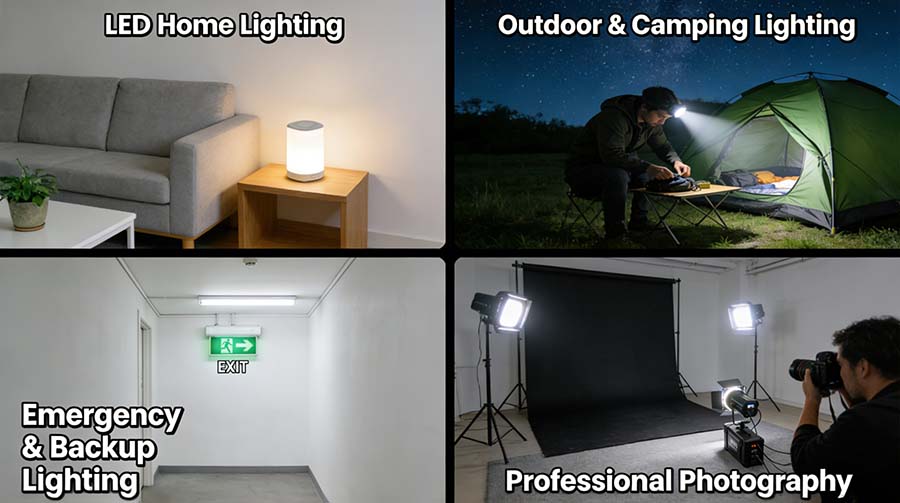
For portable LED lamps and backup lights, lithium-ion or LiFePO4 batteries are ideal. They provide stable output and long runtime.
A reliable battery for LED lighting ensures consistent brightness and energy efficiency.
Outdoor lights require batteries that perform well in cold and hot environments. LiFePO4 batteries offer excellent temperature stability and safety.
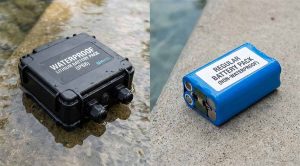
Water-resistant battery housings also help protect the lighting battery during outdoor use.
Emergency lights must work instantly and reliably. Long shelf life and safety are critical.
LiFePO4 batteries are widely used in emergency lighting due to their stability and long service life.
Professional Photography and Video Lighting
Photography lights require high discharge rates and stable voltage. Lithium-ion battery packs are the standard choice.
A high-quality professional lighting battery prevents flicker and ensures accurate color output.
Solar lights rely on batteries that can handle daily charging cycles. LiFePO4 batteries outperform traditional options in solar applications.
A durable battery for solar lighting ensures consistent nighttime illumination.
Safety Considerations for Lighting Batteries
Battery safety should never be ignored. Poor-quality batteries increase the risk of overheating, swelling, or fire.
Choose batteries with built-in protection circuits. These circuits prevent overcharge, over-discharge, and short circuits.
Certified lighting battery manufacturers follow strict quality and safety standards. Always avoid unbranded or counterfeit products.
How to Extend the Life of Your Lighting Battery
Proper care can significantly extend battery life.
Avoid deep discharges whenever possible. Recharge before the battery is fully drained.
Store batteries in a cool, dry place. High temperatures shorten battery lifespan.
Use the recommended charger. Incorrect chargers can damage a rechargeable lighting battery.
Regular maintenance improves performance and safety over time.
About HiMAX Lighting Batteries
HiMAX specializes in advanced lighting battery solutions designed for modern lighting systems. With a focus on safety, performance, and long service life, HiMAX batteries are trusted for LED lighting, emergency lighting, solar systems, and professional applications. Every HiMAX lighting battery is engineered with strict quality control and reliable protection technology, helping users achieve stable power, consistent brightness, and dependable performance in every lighting scenario.
Find articles related to lithium-ion batteries