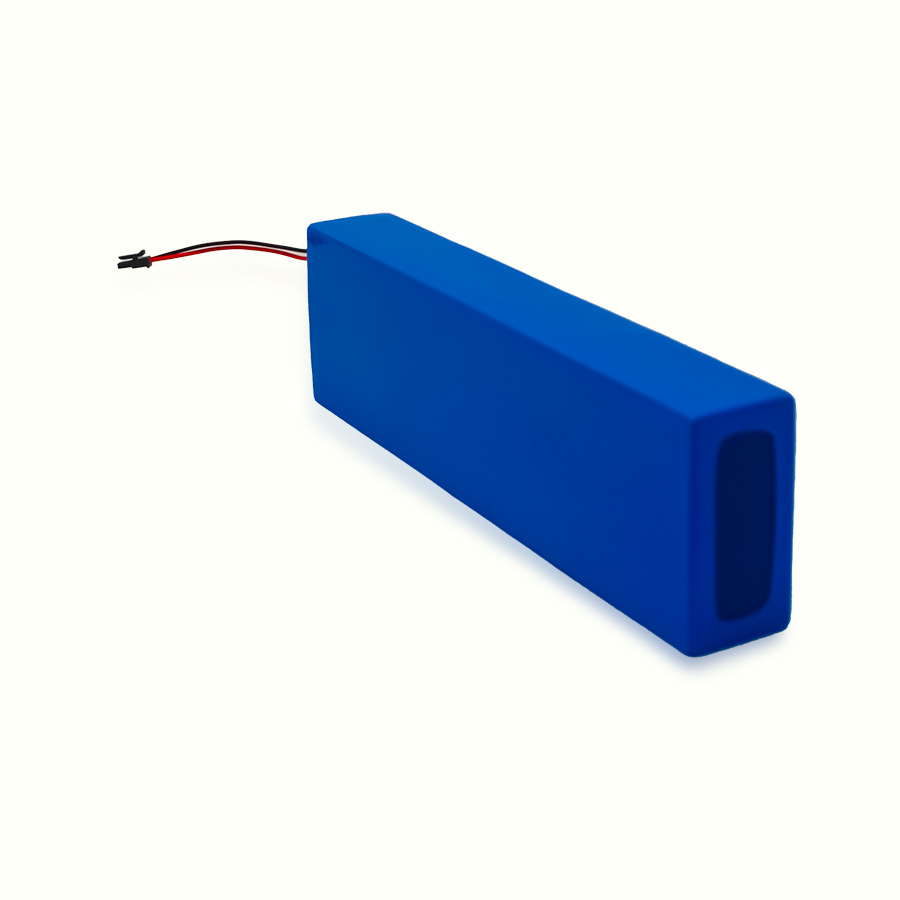
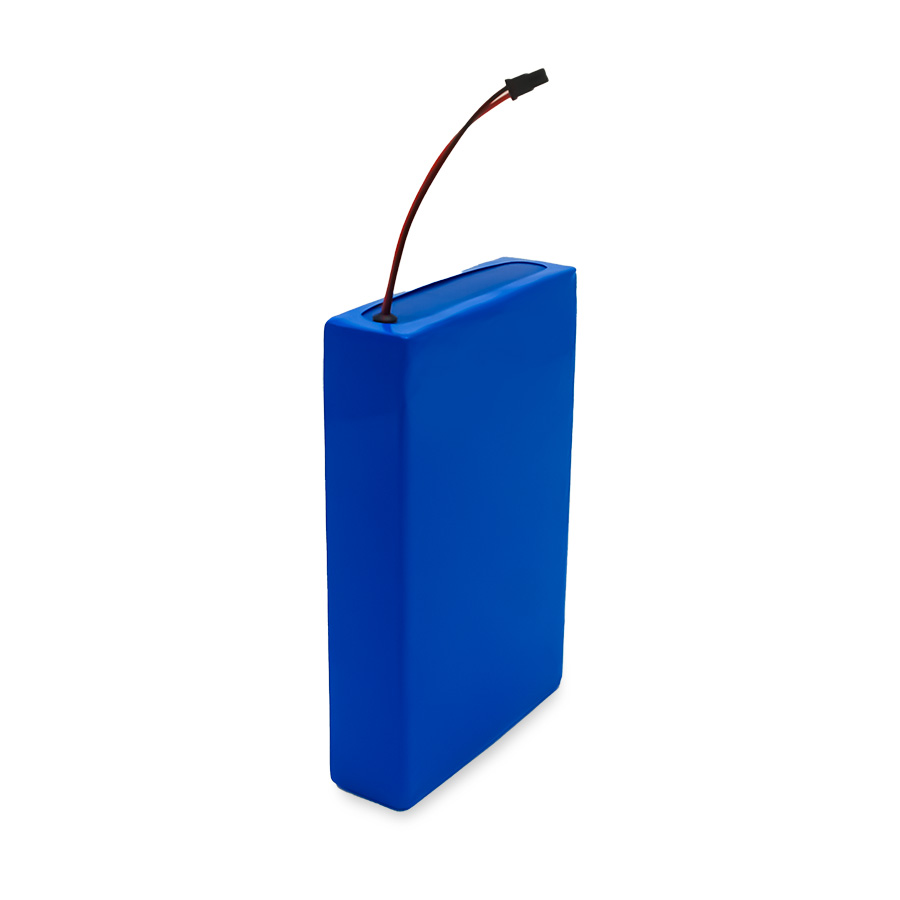
When an electronic product, vehicle, or system relies on stored energy, the battery is often the single most important component. Off-the-shelf battery packs are convenient and inexpensive for low-volume or generic applications — but many OEMs, system integrators, and bulk buyers find that a custom battery pack delivers measurable advantages in performance, safety, longevity, and total cost of ownership. This article explains why and how to choose custom packs, walks through design and procurement steps, and gives practical tips for working with a manufacturer like Himax Battery.
Top reasons companies choose custom battery packs

1. Optimized fit and packaging
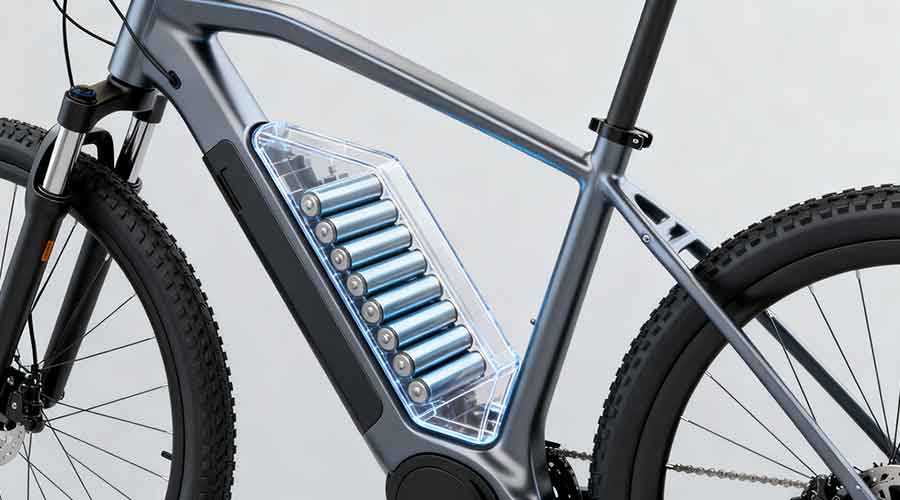
A custom pack can be shaped to fit a tight cavity, follow product contours, or mount directly into structured frames (e-bikes, medical housings, drones). Packing cells and components for the available volume increases usable energy without adding bulk. This is especially important where enclosure space is a design constraint.
2. Performance tailored to the application
Custom design allows specification of operating voltage, continuous and peak current ratings, usable capacity, and charge/discharge profiles that match the device. That means less wasted headroom, fewer compromises, and predictable runtime under real-world loads.
3. Better thermal management and reliability
Thermal design (heat paths, spacing, thermal interface materials) can make the difference between a pack that ages gracefully and one that fails prematurely. Custom packs let engineers place sensors and heatsinking exactly where needed.
4. Integrated safety and BMS functions
A properly engineered Battery Management System (BMS) tailored to the pack’s chemistry and duty cycle improves safety, extends life, and enables telemetry for predictive maintenance — benefits not guaranteed by generic packs. Per-cell monitoring, charge/discharge limits, and thermal cutouts are typical BMS features in custom designs.
5. Regulatory and industry requirements
Certain verticals (medical, aerospace, defense, aviation, and some industrial sectors) demand design documentation, traceability, and specific testing. Custom packs can be engineered to meet these regulatory or certification requirements.
Common applications that most benefit from custom packs
- Electric vehicles and e-bikes — integration into frame geometry, optimized energy density, BMS tuned for motor-mounted loads.
- Medical devices — strict reliability, validated lifecycles, and safety redundancy.
- Drones / UAVs — high-power density, fast discharge, and weight minimization.
- Industrial equipment & AGVs — rugged packaging and long cycle life with service-friendly connectors.
- Energy storage / solar hybrids — packs customized for charge/discharge patterns and inverter compatibility.
What goes into designing a custom battery pack (step-by-step)
1) Define performance and lifetime targets
Start with required runtime, peak currents, form factor constraints, expected duty cycles, and environmental conditions (temperature, humidity, vibration). These targets drive everything that follows.
2) Chemistry and cell selection
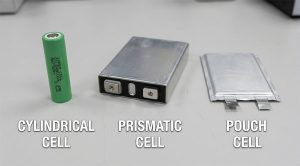
Choose between LiFePO4 (LFP), NMC, NCA, Li-ion pouch/prismatic/cylindrical cells or other chemistries based on energy density, cycle life, thermal stability, and cost. For many heavy-duty or high-cycle applications, LFP’s stability and cycle life make it attractive.
3) Electrical topology and cell matching
Series/parallel arrangements determine pack voltage and capacity. Cell matching, balancing strategy, and how the BMS handles imbalance are critical to long term pack health. Industry best practices recommend close matching and per-cell monitoring for series strings where possible.
4) Mechanical layout & thermal design
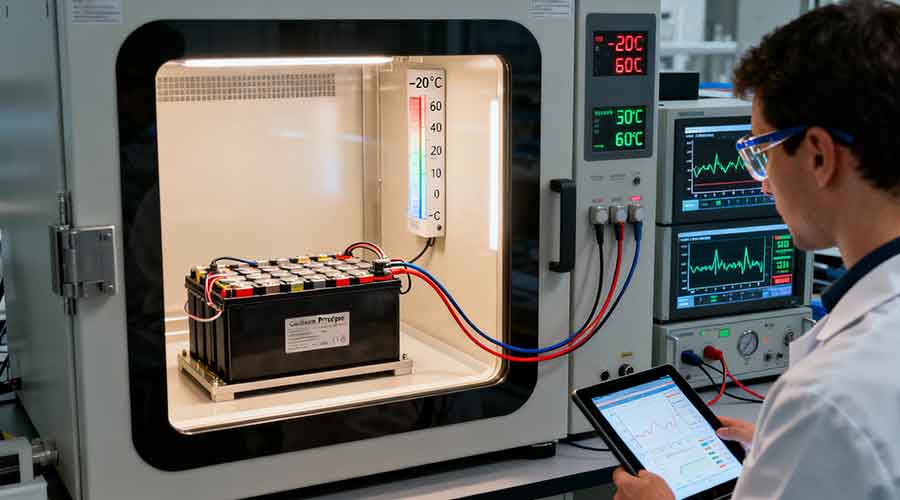
Cell spacing, potting, wiring, connectors, and enclosure tooling are defined. Thermal simulations and placement of temperature sensors reduce hot spots and improve uniform aging.
5) BMS and firmware
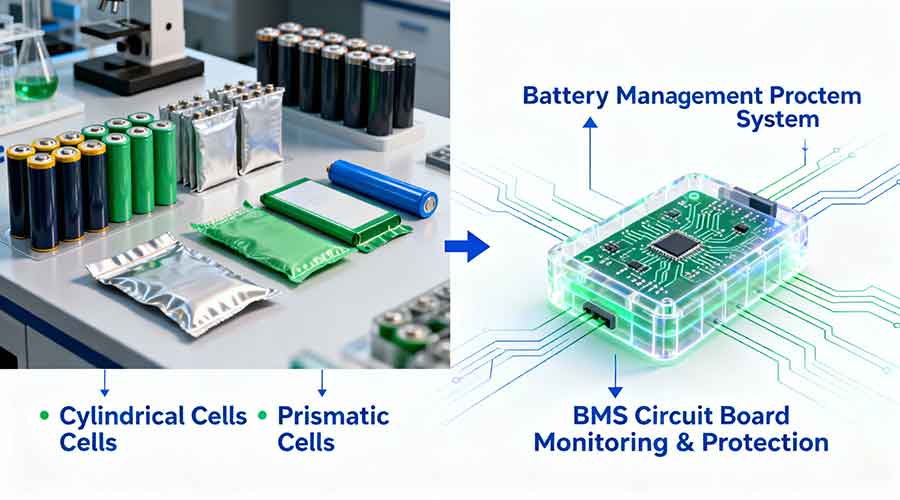
Design the BMS around the application: protective thresholds, state-of-charge estimation, communication protocols (CAN/SMBus/RS485), and logging/telemetry for field monitoring. A BMS tuned to the pack extends usable life and protects against misuse.
6) Prototyping and validation
Electrical tests (capacity, ESR/IR), mechanical vibration, thermal cycling, and safety abuse tests (overcharge, short, puncture) validate the design before production. For regulated markets, documented test results are essential.
Cost vs benefit: when custom makes sense
Custom packs have higher upfront engineering, prototype, and tooling costs than standard packs. However, for medium to high volumes or mission-critical systems, the total cost of ownership (TCO) usually favors custom designs because of improved efficiency, longer life, reduced warranty claims, and better product differentiation. For low-volume consumer projects, off-the-shelf options may still be the most economical short term — the right choice depends on lifecycle expectations and product positioning.
Purchasing checklist: what to require from a custom pack supplier
When you request quotes or evaluate suppliers, include the following in your RFQ and contract:
Technical & test requirements
- Cell datasheets and chemistry details.
- Sample provision for validation (capacity, IR, cycle tests).
- BMS feature list and communication protocol.
- Environmental and safety test reports (vibration, thermal, IEC/UN transport tests if needed).
Quality & traceability
- Batch traceability (cell lot numbers, formation records).
- Incoming QC procedures and acceptance thresholds (capacity %, IR variance limits).
- Warranty terms, failure-analysis approach, and lead times for replacements.
Manufacturing and supply chain
- Lead times for NRE/prototyping and mass production.
- MOQ, volume pricing steps, and capacity guarantees for long runs.
- Options for JIT, bonded inventory, or local warehousing if you need fast fulfillment.
Practical tips for a smooth custom battery program
- Prototype early and iterate quickly. Don’t lock design choices until you’ve validated thermal and electrical behavior in a real enclosure.
- Specify acceptance criteria up front. Define capacity %, allowed IR spread, and mechanical tolerances in the PO.
- Demand traceability. Formation records and lot numbers make failure analysis far quicker.
- Consider BMS telemetry. Remote logging lets you detect cell drift and schedule maintenance before failures occur.
How Himax Battery helps OEMs and bulk buyers (subtle positioning)
Himax Battery provides end-to-end custom battery services — from cell selection and BMS configuration to prototyping, testing, and factory production. For B2B customers we typically offer sample evaluation units, tailored QC acceptance criteria, and engineering support to match battery behavior to the product’s real use profile. That practical collaboration shortens validation cycles and reduces warranty risk for high-volume programs.
Quick FAQ
Q: How long does custom development take?
A: Typical timelines for a custom pack (requirements → prototype → validation) range from 6–12 weeks for simple designs to longer for highly regulated or mechanically complex packs. (This depends on test scope and regulatory needs.)
Q: Is a custom pack always more expensive?
A: Upfront cost is higher, but when measured over expected life and service costs, custom packs often yield a lower TCO for medium and large volumes.
Q: Which chemistry should I pick?
A: Choose based on priorities: LFP for stability and cycle life, NMC/NCA for energy density — but cell-level data and duty cycle matter more than chemistry labels alone.
Closing: design intentionally, buy wisely
Custom battery packs are not just a technical luxury; they are a strategic choice. When product performance, space, safety, or lifecycle economics matter, an engineered pack aligned to the actual usage profile delivers measurable advantages. Work with an experienced supplier who provides transparent testing, traceability, and engineering partnership — that’s how you turn a battery into a competitive asset rather than a recurring risk.
Find articles related to Custom Battery Pack
- How to Choose the Right Battery Management System (BMS) for Your Custom Battery Packs?
- How to Choose the Right Custom Battery Pack for Your Needs? A Deep Dive into Li-ion, LiFePO4, and NiMH Battery Advantages
- Engineering a Smarter Power Core: Inside Himax Battery’s Custom 14.8V 18Ah Lithium-Ion Pack