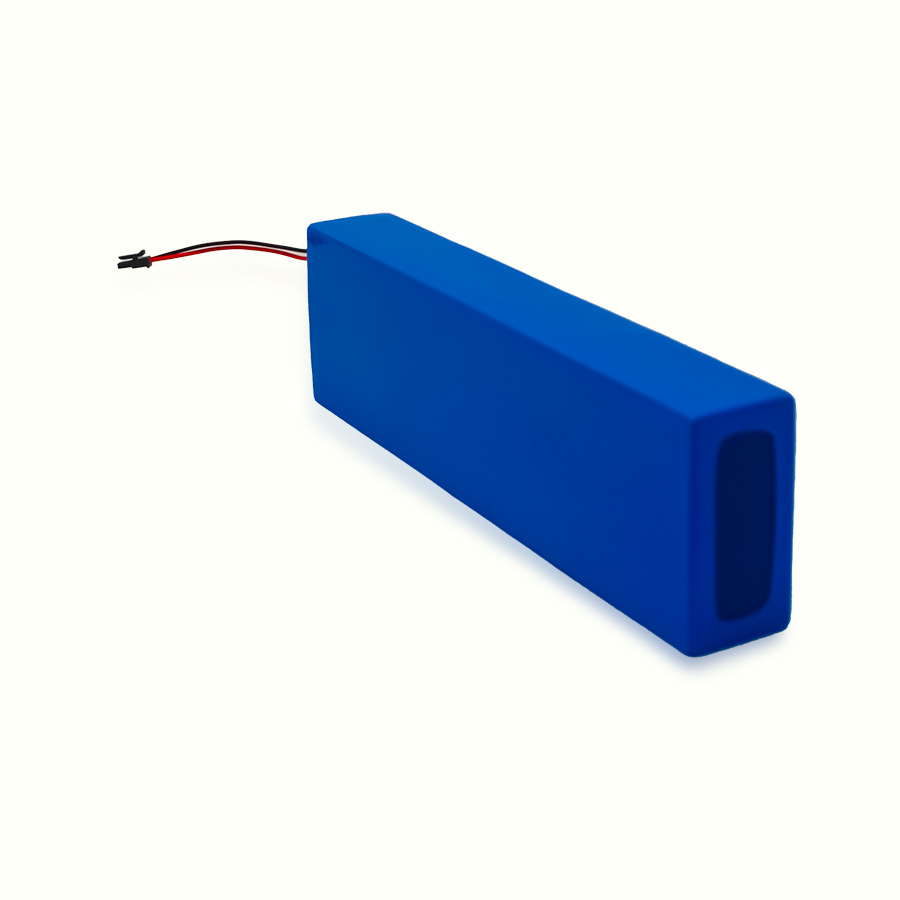
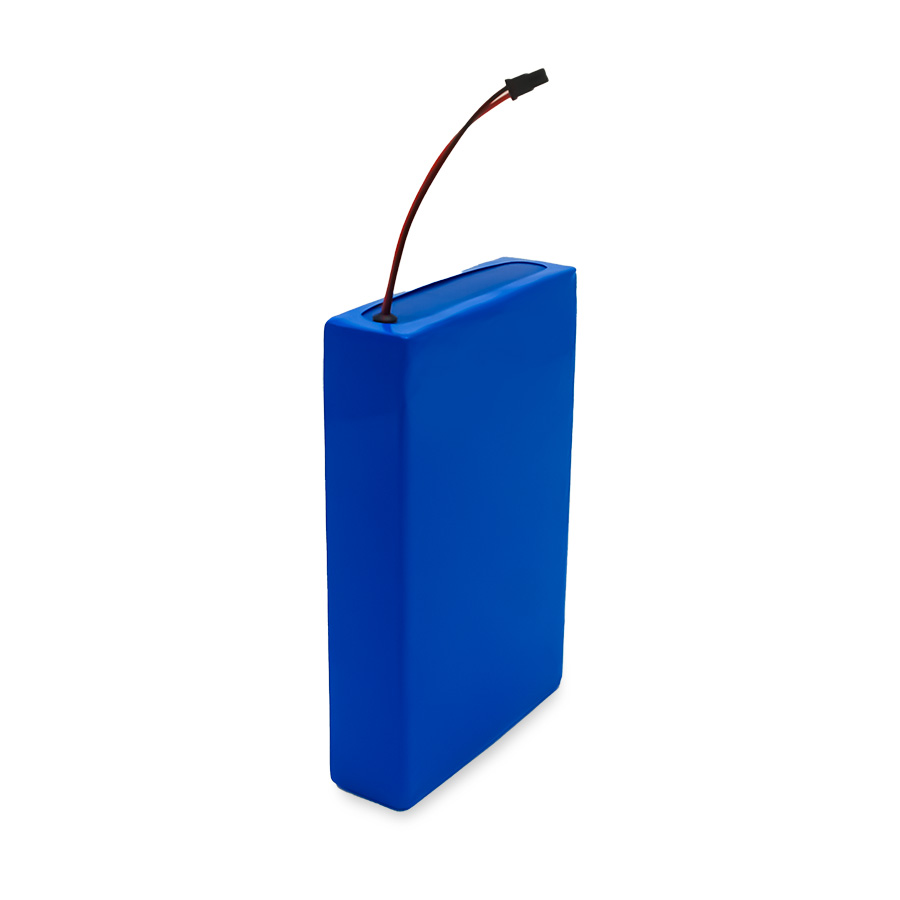
Humanoid robots are no longer limited to research labs or science fiction. Today, they are used in manufacturing, healthcare, logistics, education, retail, and service industries. At the core of every humanoid robot is its battery system. The battery determines how long the robot can operate, how safely it performs, and how reliable it is in real-world conditions.
Choosing the right battery is not a simple decision. It affects performance, cost, maintenance, and long-term scalability. This battery buying guide for humanoid robots explains everything you need to know before making a purchase.

Common Battery Types Used in Humanoid Robots
Several battery chemistries are used in humanoid robot design. Each type has its own strengths and limitations.
Lithium-ion batteries are widely used in humanoid robots due to their high energy density and mature supply chain. They provide a good balance between weight, capacity, and cost.
Advantages include high efficiency, relatively long cycle life, and compact size. However, lithium-ion batteries require proper battery management systems to prevent overcharging and overheating.
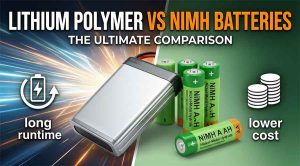
Lithium polymer batteries are a variation of lithium-ion technology. They use a flexible polymer electrolyte, which allows more freedom in shape and size.
These batteries are ideal for humanoid robots with limited internal space. They are lighter and can deliver high discharge rates, which is useful for robots with sudden movement demands.
Lithium Iron Phosphate Batteries
Lithium iron phosphate batteries focus on safety and longevity. They offer excellent thermal stability and long cycle life.
While their energy density is lower than lithium-ion batteries, they are suitable for humanoid robots that operate for long hours and require high reliability.
Nickel-metal hydride and nickel-cadmium batteries are rarely used in modern humanoid robots. They are heavier, have lower energy density, and require more maintenance compared to lithium-based options.

Key Battery Specifications to Evaluate
When buying a battery for a humanoid robot, technical specifications matter. Understanding these parameters helps you match the battery to the robot’s workload.
Battery capacity is measured in ampere-hours or watt-hours. It determines how long the humanoid robot can operate on a single charge.
Robots used for demonstrations may need moderate capacity. Robots performing continuous tasks require higher capacity to avoid frequent charging.
Each humanoid robot has a specific operating voltage range. The battery voltage must match the robot’s power system to ensure stable performance.
Incorrect voltage can damage motors, control boards, or sensors.
The discharge rate defines how quickly the battery can deliver power. Humanoid robots often require high burst power for walking, lifting, or balancing.
A battery with insufficient discharge capability may cause voltage drops or system resets.
Cycle life refers to the number of charge and discharge cycles a battery can handle before its capacity degrades.
For commercial humanoid robots, long cycle life reduces replacement costs and downtime.
Weight and Size Considerations
Weight distribution is critical in humanoid robot design. A heavy battery can affect balance, movement efficiency, and structural stress.
Compact and lightweight batteries allow designers to place them near the robot’s center of gravity. This improves stability and natural movement.
Battery size also impacts internal layout. Flexible battery designs make integration easier and reduce design constraints.
Battery safety is a top priority for humanoid robots, especially those operating near humans.
Key safety factors include:
- Overcharge protection
- Over-discharge protection
- Short-circuit protection
- Thermal monitoring
A robust battery management system ensures safe operation under varying loads and temperatures. Good thermal performance prevents overheating during extended operation.
Charging Speed and Charging Methods
Charging time directly affects robot availability. Fast charging reduces downtime but increases thermal stress if not managed properly.
Some humanoid robots use removable battery packs for quick swapping. Others rely on onboard charging systems.
Wireless charging and docking stations are also becoming popular in service robots.
Environmental and Operating Conditions
Humanoid robots may operate indoors or outdoors. Some environments involve heat, cold, dust, or humidity.
The battery must be designed to handle these conditions without performance loss. Temperature tolerance and sealing quality are important selection criteria.
Custom Battery Solutions for Humanoid Robots
Off-the-shelf batteries may not meet all design requirements. Many humanoid robot manufacturers choose custom battery solutions.
Custom batteries offer:
- Optimized size and shape
- Tailored voltage and capacity
- Integrated battery management systems
- Improved safety features
Custom solutions are ideal for mass production and long-term deployment.

Cost vs Performance Trade-Offs
Battery cost is a major factor in humanoid robot development. High-performance batteries cost more upfront but offer longer lifespan and better reliability.
Cheaper batteries may reduce initial costs but increase maintenance and replacement expenses over time.
A total cost of ownership approach helps make better decisions.
Compliance and Certification Requirements
Commercial humanoid robots must meet safety and transportation standards. Batteries often require certifications such as UN38.3, CE, or UL.
Compliance ensures legal operation, easier shipping, and higher customer trust.
Battery Maintenance and Lifecycle Management
Proper battery maintenance extends service life and maintains performance.
Best practices include:
- Avoiding deep discharges
- Storing batteries at proper charge levels
- Monitoring temperature and voltage
- Replacing aging batteries before failure
Smart battery systems can provide real-time health data and predictive maintenance alerts.

HiMAX Robots Battery Solutions
HiMAX provides professional battery solutions designed specifically for humanoid robots. HiMAX Robots Battery products focus on high energy density, stable output, and advanced safety protection. With flexible customization options, integrated battery management systems, and strict quality control, HiMAX helps robot manufacturers achieve longer runtime, safer operation, and more reliable performance across research, commercial, and industrial humanoid robot applications.
Find articles related to Robots Battery