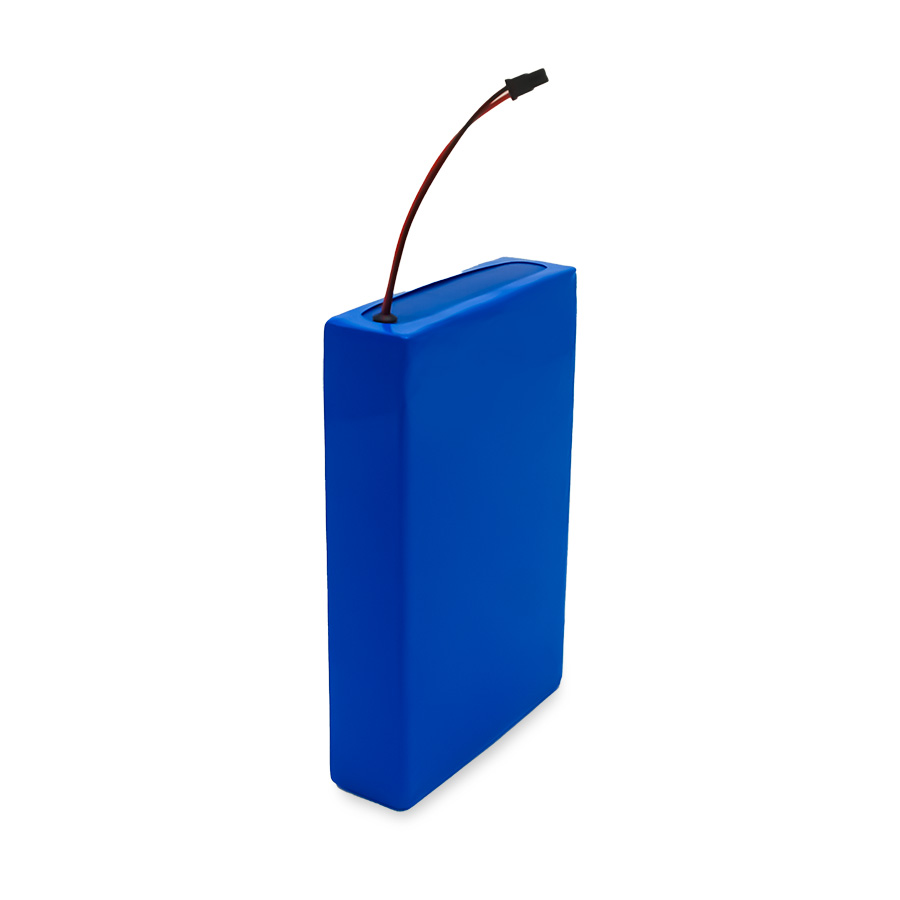
Batteries power nearly every device in modern life — from portable tools to solar storage — but a single bad cell inside a pack can reduce performance, shorten lifespan, or create safety risks. This guide explains how to spot failing lithium cells, perform reliable tests, decide whether to repair or replace, and reduce risk through better buying and maintenance practices. Practical, non-technical readers and B2B buyers alike will find clear steps and purchase-oriented advice.
Why understanding bad cells matters (quick overview)
A single weak or shorted cell in a multi-cell pack can cause:
- Rapid capacity loss and unexpected shutdowns.
- Excessive heating or imbalance that accelerates other cells’ ageing.
- Safety hazards in extreme cases (thermal runaway, swelling).
For bulk buyers and system integrators, identifying bad cells early—during incoming inspection or in the field—saves warranty costs and prevents product failures.
Common causes: why battery cells fail
Manufacturing and material defects
Incorrect electrode coating, contamination, or poor formation cycling can leave a cell predisposed to early failure. Many “infant mortality” failures come from manufacturing defects.
Abuse and misuse
Overcharging, deep over-discharge, exposure to high temperatures, and mechanical damage are frequent causes of cell failure. Repeated stress accelerates internal chemical and structural damage.
Age and cycle fatigue
Even well-used cells deteriorate with cycles: capacity drops, internal resistance rises, and balancing becomes harder. This is normal—but detectable before catastrophic failure.
10 signs and symptoms of a bad cell (what to look for)

1. Noticeable capacity drop — Pack doesn’t hold the expected runtime.
2. Rapid voltage sag under load — Voltage falls quickly when you draw current.
3. Higher self-discharge — Cells lose charge when idle faster than expected.
4. Swelling or physical deformation — Visible bulging or changes in shape. (Safety red-flag)
5. Overheating during charge/discharge — Cell runs hotter than neighboring cells.
6. Inconsistent state of charge (SoC) readings — BMS logs show erratic cell voltages.
7. Difficulty achieving full charge — Charger reports full but capacity remains low.
8. Sudden device shutdowns — Pack voltage dips below device threshold.
9. High internal resistance — Detected during capacity/resistance tests (see below).
10. Discrepant cell voltages — One or more cells persistently lower than others.
How to test suspect cells: step-by-step (practical, safe)

Safety first: Wear protective equipment when working with damaged batteries. If a cell is swollen, leaking, hot, or smells unusual, isolate and follow appropriate hazardous-waste procedures—do not attempt to force charge.
1) Visual inspection
Look for bulging, punctures, corrosion, or leakage. Check connectors and weld points for discoloration or melting.
2) Resting voltage check (quick triage)
Measure cell voltages with a quality digital multimeter after the pack has rested (no charge/discharge for 1–2 hours). Large deviations between cells (>0.05–0.2 V depending on chemistry and pack) indicate issues. Typical cell voltage ranges:
- Common lithium-ion (NMC, NCA, etc.): nominal ~3.6–3.7 V; full ~4.1–4.2 V; avoid below ~3.0 V.
- LiFePO4 (LFP): nominal ~3.2 V; full ~3.6–3.65 V; safe lower limit ~2.5–2.8 V.
(These ranges are chemistry-dependent; always confirm with the cell maker’s datasheet.)
3) Per-cell voltage under charge/discharge
Measure voltages while charging or with a small load. A healthy cell’s voltage behaviour will match neighboring cells. A cell that cannot rise with charge or collapses under load is suspect.
4) Internal resistance / ESR test (recommended)
Use an ESR meter or battery internal resistance tester. Failing cells usually show significantly higher internal resistance than the pack average. For bulk procurement, record IR values for batch sorting.
5) Capacity (amp-hour) test — the definitive test
Use a capacity tester or cycler: discharge the cell at a controlled current to the safe cutoff and measure amp-hours. A cell returning less than a defined fraction (e.g., <80–85% of rated capacity depending on warranty thresholds) is likely end-of-life for many applications.
6) Load test (pack level)
At the pack level, apply a representative load while logging voltage and temperature. Drops, hotspots, or BMS faults under load help locate failing cells.
7) Professional lab tests (if uncertain)
For warranty disputes or safety concerns, send samples to an accredited battery lab for destructive and non-destructive testing (impedance spectroscopy, CT scans, X-ray, etc.).
Quick reference: voltage & SoC (typical guidance)
These are typical ranges — always verify with the specific cell datasheet.
- Cylindrical/pack lithium-ion (NMC/NCA): Full ≈ 4.1–4.2 V; nominal ≈ 3.6–3.7 V; cutoff ≈ 2.8–3.0 V.
- LiFePO4 (LFP): Full ≈ 3.6–3.65 V; nominal ≈ 3.2 V; cutoff ≈ 2.5–2.8 V. The LFP discharge curve is much flatter across most of its SoC window.
Decide: repair, rebalance, or replace?

When repair/rebalance can work
- If one cell is slightly weak (small capacity or voltage offset) and the pack has a robust BMS and matched cells, rebalancing or replacing only the weak cell with a matched, factory-tested cell may restore pack performance. Use only identical cell models, matched capacity/IR, and professional cell-level welding/assembly.
When to replace the whole pack
- Multiple cells show elevated IR or wide capacity spread.
- The pack has been subject to thermal damage or swelling.
- Safety is uncertain, or the pack is used in a high-duty, safety-critical application (EV, medical).
- In these cases, replacement is the safer and often more cost-effective long-term measure.
Safe disposal and recycling (responsible end-of-life)
Do not throw lithium cells in general waste. Follow local hazardous waste rules and recycle through certified battery recyclers. Before transport, discharge (if safe and permitted), insulate terminals, and place cells in fire-resistant containers per shipping regulations.
Preventive measures & procurement checklist for bulk buyers (practical steps)

Pre-shipment inspection (incoming QC)
- Sample cycle testing: Random cells from production lot for capacity & IR.
- Visual and mechanical checks: Dimensions, tab weld quality, vent integrity.
- Certificate & traceability: Batch numbers, formation records, QC logs.
- Shipping condition check: Packaging, humidity control, and temperature records.
BMS & system integration
- Use a BMS that logs per-cell voltages, temperatures, and IR trends. BMS telematics help detect early cell degradation in the field.
Storage and handling
- Store cells at moderate SoC (40–60%), in climate-controlled conditions. Avoid long storage at 100% SOC or high temperatures.
Lot acceptance criteria (example thresholds)
- Capacity ≥ 90% of rated for acceptance; IR within batch mean ± 10–20% (adjust per application). These thresholds must be defined in purchase contracts and verified with samples.
How Himax Battery helps (subtle product/company positioning)
Himax Battery’s manufacturing and QC workflow focuses on matched cells, pre-shipment sample testing, and configurable BMS solutions to reduce the risk of single-cell failure across large orders. For B2B customers we support: sample shipments for validation, customized acceptance criteria, and on-site testing protocols to ensure purchased lots meet the buyer’s operational thresholds. (If you’d like, we can include a sample incoming QC checklist tailored to your product application.)
Summary: practical triage flow (what to do when a pack misbehaves)
1. Isolate the pack; check for heat or swelling.
2. Visual check for obvious damage.
3. Log BMS data (cell voltages, temps).
4. Multimeter & IR test on suspect cells.
5. Capacity test for confirmation.
6. Decide: rebalance/replace cells or replace pack.
7. Dispose damaged cells via certified recyclers.
Final recommendations for engineers and buyers
- Build acceptance criteria into purchase orders (capacity, IR, sample test plans).
- Require traceable lot numbers and formation records.
- Use BMS telemetry in production and field deployments to detect drift early.
- For mission-critical systems, prefer cells with conservative operating limits (e.g., lower max charge voltage, proper temperature margins).
- When in doubt, send suspect cells to a lab for definitive analysis.
Find articles related to Li-ion batteries