Choosing the right battery is one of the most important decisions anglers make when setting up or upgrading their gear. Modern fishing relies heavily on electronics, motors, and powered accessories. From trolling motors to fish finders, livewell pumps, and onboard lights, all of these devices depend on a reliable fishing equipment battery to perform at their best. A poor battery choice can shorten your time on the water, damage expensive equipment, or even create safety risks.
Why Batteries Matter in Fishing Equipment
Fishing today is no longer just a rod, reel, and line. Electronics play a central role in locating fish, navigating water, and improving comfort. All of these systems depend on stable power.
A high-quality fishing equipment battery provides consistent voltage. It protects sensitive electronics from power drops. It also ensures that motors deliver steady thrust when fighting wind or current. When your battery fails, your entire fishing trip can be cut short.
Batteries also affect safety. Navigation lights, radios, and emergency equipment require dependable power. Choosing the right battery is not just about convenience; it is about reliability and peace of mind.
Common Types of Fishing Equipment Batteries
Understanding battery types is the first step in making a smart choice. Each type has strengths and weaknesses depending on how you fish.
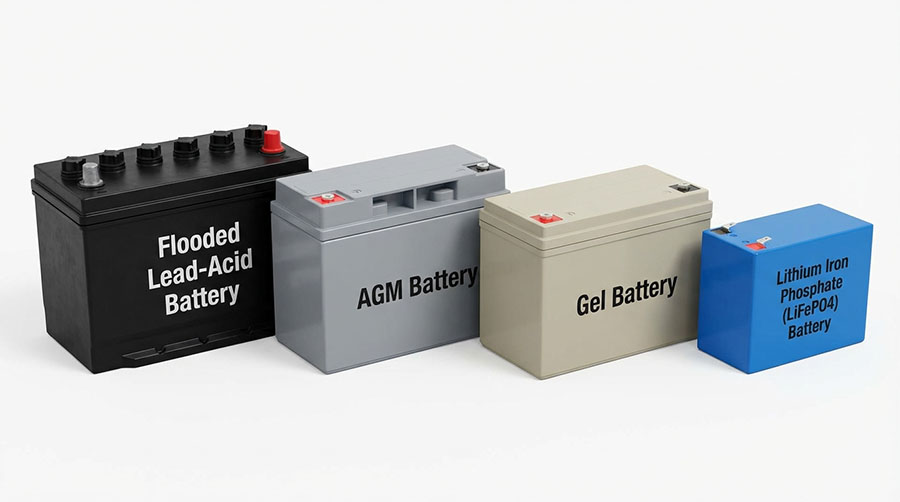
Lead-acid batteries are the traditional choice for fishing equipment. They are affordable and widely available. Many anglers still use them as a basic fishing equipment battery option.
Flooded lead-acid batteries require regular maintenance. You must check water levels and keep terminals clean. They are heavy and should stay upright to prevent leaks. These batteries work well for anglers on a budget who do not mind routine care.
AGM stands for Absorbent Glass Mat. AGM batteries are sealed and maintenance-free. They handle vibration better than flooded batteries, which makes them popular in boats.
An AGM fishing equipment battery charges faster and delivers more consistent power. It costs more than flooded lead-acid but offers better performance and longer life. Many bass boat owners prefer AGM batteries for electronics and trolling motors.
Gel batteries use a gel-based electrolyte. They are sealed and spill-proof. They perform well in deep discharge situations but require specific chargers.
As a fishing equipment battery, gel batteries are less common today. They are sensitive to overcharging and may not be ideal for high-current applications like trolling motors.
Lithium batteries, especially lithium iron phosphate (LiFePO4), are becoming very popular. They are lightweight, long-lasting, and highly efficient.
A lithium fishing equipment battery can last several times longer than lead-acid options. It delivers consistent voltage until nearly empty. It also weighs much less, which improves boat performance and fuel efficiency. The higher upfront cost is often offset by longer lifespan and lower maintenance.
Key Battery Specifications You Must Understand
Battery labels include technical terms that can confuse new buyers. These specifications directly affect how your fishing equipment battery performs.
Most fishing equipment uses 12V systems. Larger trolling motors may use 24V or 36V setups, which combine multiple batteries.
Always match battery voltage to your equipment requirements. Using the wrong voltage can damage electronics or motors.
Amp-hours measure how much energy a battery can store. A higher Ah rating means longer runtime.
For example, a fish finder with low power draw can run many hours on a small fishing equipment battery. A trolling motor needs a much higher Ah rating for all-day use.
Reserve capacity shows how long a battery can deliver power at a specific load. It is a useful indicator for marine applications.
A fishing equipment battery with higher reserve capacity gives you more margin if conditions change or if you run multiple devices.
CCA matters mainly for starting engines. It shows how well a battery performs in cold temperatures.
If your battery starts an outboard engine, choose a fishing equipment battery with adequate CCA for your climate.
Matching Batteries to Fishing Equipment
Different fishing devices have different power needs. Choosing the right battery for each application improves performance and extends battery life.
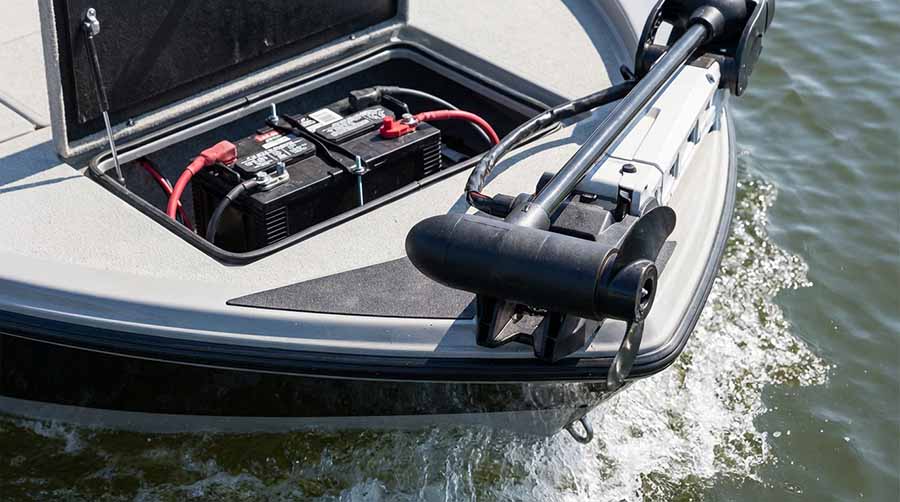
Trolling motors draw high current over long periods. They require deep-cycle batteries.
A deep-cycle fishing equipment battery is designed to be discharged and recharged many times. Lithium and AGM batteries perform especially well in this role.
Fish finders, GPS units, and sonar systems need clean, stable power. Voltage drops can cause screen flicker or shutdowns.
Many anglers use a dedicated fishing equipment battery for electronics. This prevents interference from motors and improves reliability.
Livewell pumps and aerators run continuously during fishing. They need consistent power but draw moderate current.
A mid-capacity fishing equipment battery works well for these systems, especially when combined with other accessories.
Kayak anglers often use compact electronics and motors. Weight and size are critical.
A lightweight lithium fishing equipment battery is ideal for kayaks. It provides long runtime without adding unnecessary bulk.
How Fishing Style Affects Battery Choice
Your fishing habits should guide your battery selection.
Saltwater environments are harsh. Corrosion is a major concern.
A sealed fishing equipment battery such as AGM or lithium is better for saltwater fishing. These batteries resist corrosion and require less maintenance.
Short Trips vs All-Day Fishing
If you fish for a few hours, a smaller battery may be enough. All-day tournaments require higher capacity and reliability.
Tournament anglers often invest in premium fishing equipment battery solutions to avoid power issues under pressure.
Cold weather reduces battery performance. Ice fishing and winter angling demand batteries that perform well in low temperatures.
Choose a fishing equipment battery rated for cold conditions if you fish year-round.
Battery Maintenance and Safety Tips
Proper care extends battery life and improves safety.
Always use a charger designed for your battery type. Overcharging can damage a fishing equipment battery and reduce its lifespan.
Keep terminals clean and tight. Corrosion increases resistance and reduces performance.
Store batteries in a cool, dry place when not in use. Avoid fully discharging batteries for long-term storage.
Inspect batteries regularly for swelling, cracks, or leaks. Replace damaged batteries immediately.
Price is an important factor, but it should not be the only one.
A cheap fishing equipment battery may save money upfront but cost more over time due to shorter lifespan and lower efficiency.
Lithium batteries cost more initially but often provide better long-term value. They last longer, charge faster, and require less maintenance.
Think about how often you fish and how critical reliability is to your experience.
Why HiMAX Is a Trusted Choice for Fishing Equipment Batteries

When it comes to dependable power on the water, HiMAX offers a professional solution for modern anglers. HiMAX specializes in advanced fishing equipment battery products designed for real-world fishing conditions. Their batteries deliver stable voltage, long cycle life, and strong safety performance.
HiMAX fishing equipment battery solutions are built to support trolling motors, fish finders, livewell systems, and other critical gear. With strict quality control and a focus on durability, HiMAX helps anglers fish longer and worry less about power issues. Whether you are a weekend fisherman or a competitive angler, HiMAX provides reliable energy that keeps your fishing equipment running at its best.