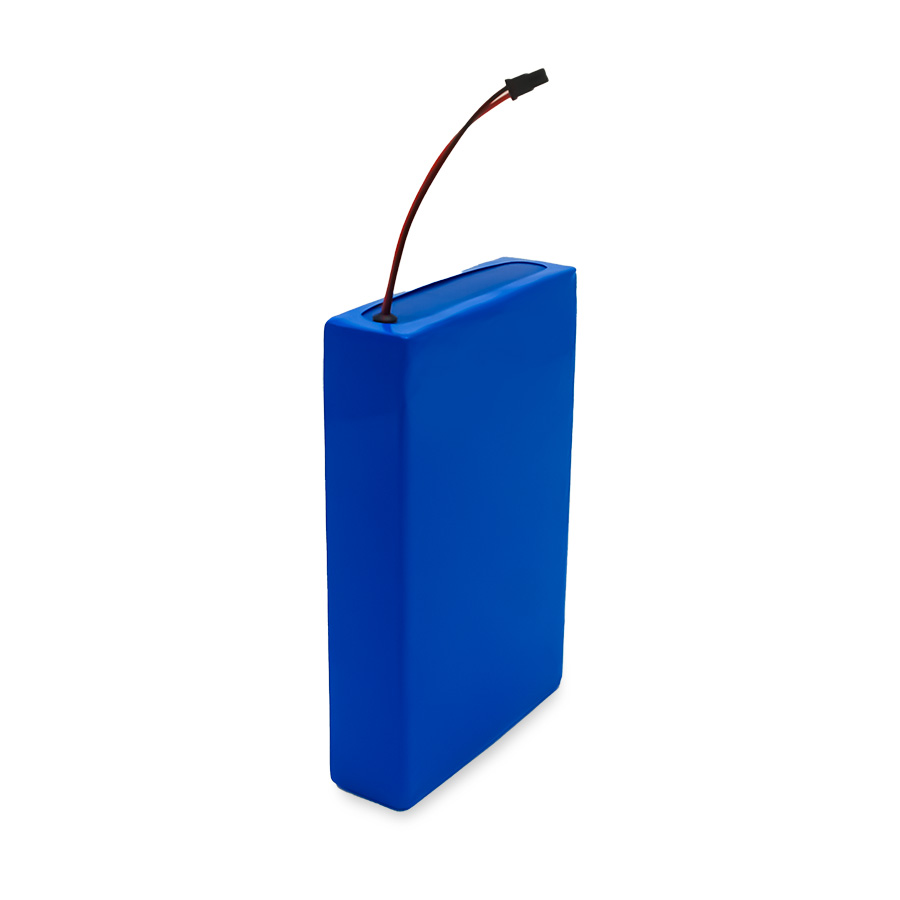
Commercial security demands reliable power. Modern businesses depend on access control solutions to protect property, employees, visitors, and sensitive information. When the power goes out, these systems must continue working without interruption. That is why selecting the right Access Control Systems Battery is essential. A well-matched battery safeguards door locks, card readers, keypads, control panels, and networked security components from unexpected downtime. This guide provides a clear and practical explanation of how to choose the right battery for various commercial access control applications.
Understanding the Role of Batteries in Access Control Systems

Access control solutions operate nonstop. They authorize entry, log activity, and manage credentials. When the main power source fails, the backup battery keeps these functions alive. A dependable Access Control Systems Battery ensures that electric strikes stay locked or unlocked based on configuration, card readers continue to scan, and controllers remain operational.
If the battery is weak or mismatched, the system may shut down. This can create security gaps, prevent employees from entering, or disable monitoring. In some industries, such failures violate compliance standards. That is why the battery is not just an accessory—it is a core part of the system’s reliability framework.
Common Battery Types for Commercial Access Control Systems
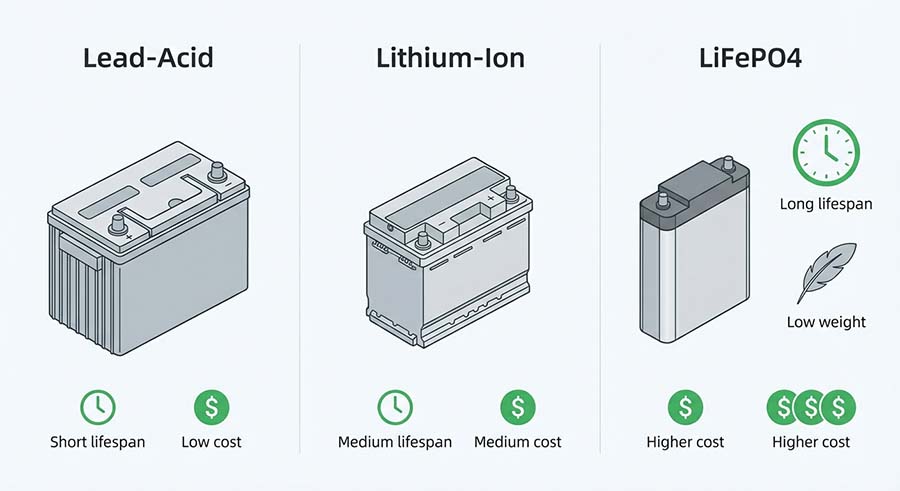
Commercial access control applications rely on several battery chemistries. Each type has unique strengths. Choosing correctly affects lifespan, reliability, and long-term cost.
Lead-acid batteries are common in commercial-grade power supplies. They offer predictable performance and strong load tolerance. Most access control systems rely on sealed lead-acid (SLA) or valve-regulated lead-acid (VRLA) batteries.
Advantages include low cost and wide availability. Disadvantages include heavier weight and shorter service life compared to other options.
Lithium-ion technology is growing in popularity. A lithium-ion Access Control Systems Battery delivers higher energy density, longer lifespan, and better performance under frequent cycling. These batteries weigh less and provide stable voltage output.
They also minimize maintenance. Many offer built-in battery management systems (BMS) to prevent overcharging, deep discharge, and thermal issues.
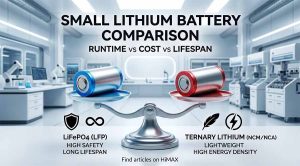
Lithium Iron Phosphate (LiFePO4) Batteries
LiFePO4 batteries offer the longest lifespan of all common options. They support thousands of cycles and maintain stable performance over many years. They are ideal for high-demand enterprise systems that cannot tolerate downtime.
Their higher upfront cost is offset by long-term durability and superior reliability.
Key Factors to Consider When Selecting an Access Control Systems Battery
Choosing the right battery requires understanding the system’s power needs, environmental conditions, and operational expectations. The following sections explain each factor in simple terms.
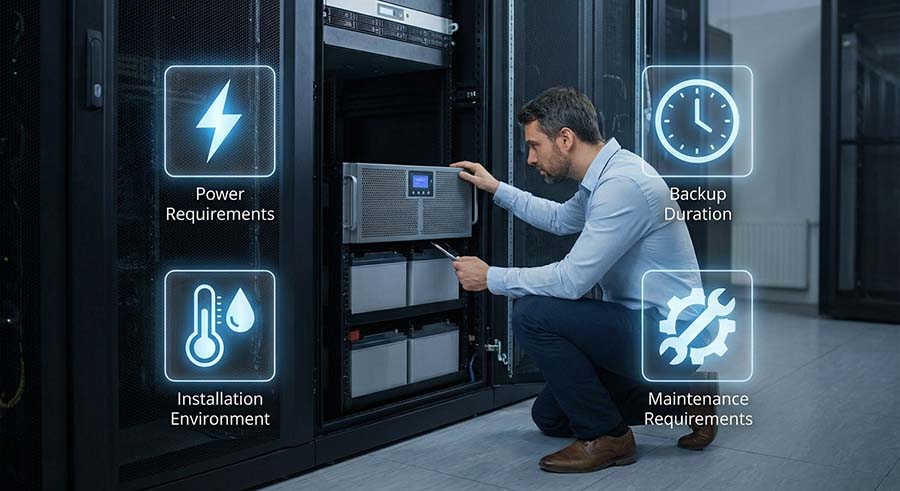
Every access control device has a power rating. Door controllers, electric strikes, magnetic locks, and readers require different current levels. To select an appropriate Access Control Systems Battery, calculate the system’s total current draw and estimate how long the battery must support the load during an outage.
Higher-capacity batteries provide longer backup duration. Always ensure the battery voltage matches the power supply specifications.
Commercial buildings may require different backup times. Some facilities only need one to two hours, while others must meet longer requirements due to regulations or operational needs.
Critical environments include:
- Hospitals
- Data centers
- Government buildings
- 24/7 operations
A larger-capacity Access Control Systems Battery ensures uninterrupted service even during extended outages.
Temperature affects performance and lifespan. If the battery is installed in a warm electrical room or a cold outdoor enclosure, choose a chemistry that tolerates such conditions. LiFePO4 batteries handle temperature variations better than traditional lead-acid batteries.
Humidity and vibration may also influence battery selection.
SLA batteries are inexpensive but require periodic testing and replacement every two to four years. Lithium-ion and LiFePO4 batteries offer much longer life, often lasting six to ten years with minimal maintenance.
For businesses with limited technical staff, low-maintenance chemistries often save money over time.
Some access control power supplies include built-in charging circuits. Ensure the selected battery chemistry matches the charging profile. SLA-based power supplies cannot charge many lithium batteries unless the battery includes an internal charging controller.
Compatibility prevents damage and ensures optimal performance.
Safety Features to Look For in an Access Control Systems Battery
Battery safety is essential in commercial environments. A high-quality Access Control Systems Battery includes multiple protection layers.
Prevents overheating and battery swelling. This feature is critical for lithium chemistries.
Stops sudden surges that may damage controllers or locks.
Some batteries include thermal sensors or internal BMS modules that regulate charging and discharging.
Certified batteries meet industry standards for performance and electrical safety. Many access control integrators require certified components for compliance and insurance purposes.
Expected Lifespan and Replacement Planning
Battery failure often goes unnoticed until a power outage occurs. A good replacement plan prevents system downtime.
2–4 years depending on temperature and discharge frequency.
4–7 years with consistent voltage and strong cycling resistance.
8–12 years due to extremely stable chemistry and minimal degradation.
Implementing a scheduled testing routine ensures that the Access Control Systems Battery continues delivering reliable backup power.
Cost Considerations for Commercial Access Control Batteries
While upfront price matters, total cost of ownership (TCO) provides a clearer financial picture.
- SLA batteries cost less initially but require frequent replacements.
- Lithium-ion batteries cost more but last significantly longer.
- LiFePO4 batteries offer the best lifespan and lowest long-term cost for high-demand systems.
Businesses should calculate cost over 5–10 years instead of focusing solely on purchase price.
HiMAX Access Control Systems Battery Introduction

HiMAX provides high-performance Access Control Systems Battery solutions built for commercial security environments. Our batteries deliver stable power, long lifespan, and strong safety protection. We offer SLA, lithium-ion, and advanced LiFePO4 options designed for controllers, magnetic locks, electric strikes, and networked security hardware. Every HiMAX battery undergoes strict testing to ensure reliable backup power during outages. If you want durable, safe, and high-efficiency energy storage for your access control system, HiMAX is a trusted partner for your long-term security needs.