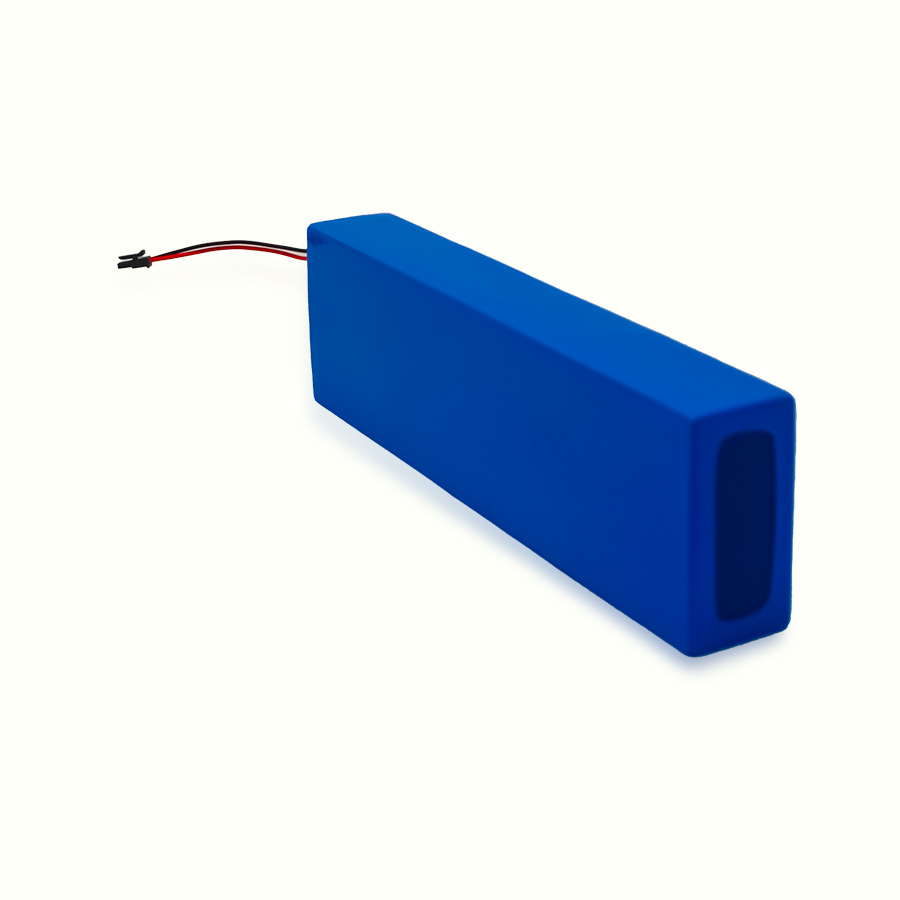
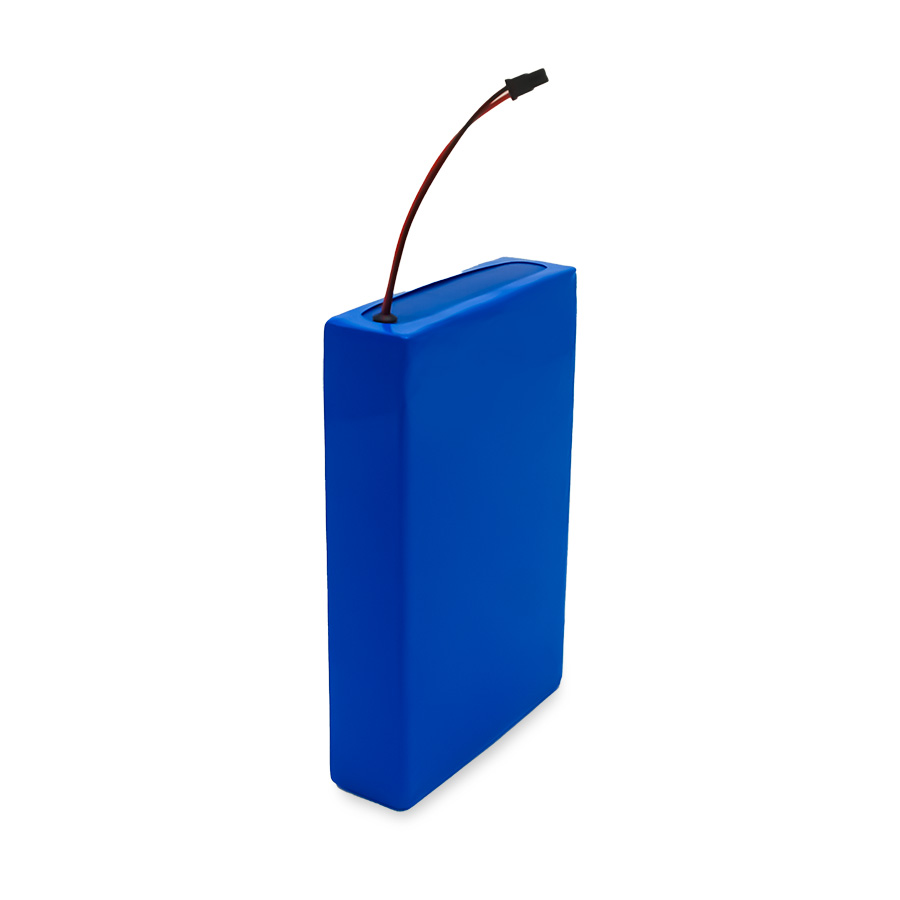
High-end commercial laptops and tablets aim to deliver thin design, long battery life, fast charging, and top-level safety. To achieve these goals, most premium device manufacturers now choose lithium polymer batteries instead of older battery types. The lipo battery has become the power source behind flagship performance in today’s business and professional devices.
This article explains why this shift happened, how lithium polymer battery technology works, and what real advantages it brings to commercial users.
What Is a Lithium Polymer Battery?
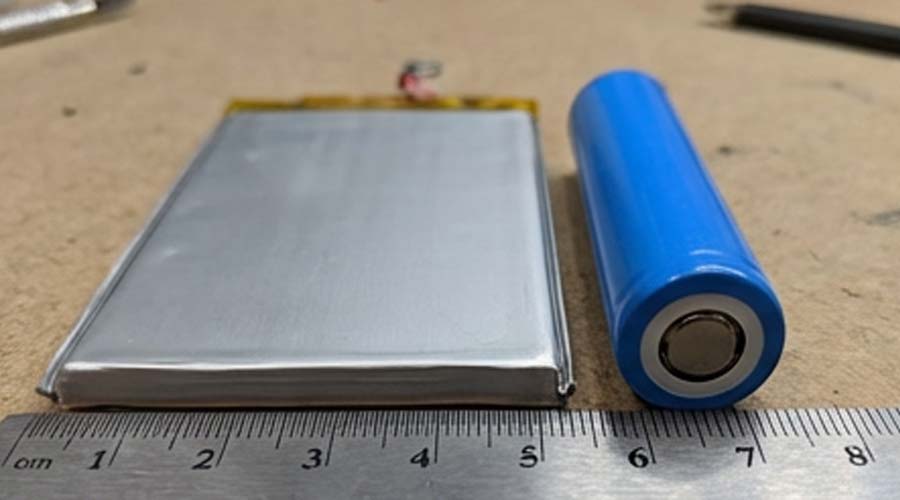
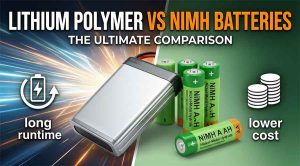
A lithium polymer battery is a rechargeable lithium battery that uses a polymer-based electrolyte instead of a liquid one. This design allows the battery to be thinner, lighter, and more flexible than traditional lithium-ion cells.
The lipo battery belongs to the lithium battery family, but it has a soft pouch structure instead of a hard metal shell. This gives engineers more freedom in product design.
Key features of a lithium polymer cell include:
- Thin and flexible structure
- High energy density
- Low internal resistance
- Stable discharge performance
- Strong safety control
These qualities make the lipo battery ideal for premium electronics.
Why High-End Devices Demand Better Battery Technology
Commercial laptops and tablets are not the same as basic consumer devices. They serve business users, designers, engineers, and mobile professionals. These users expect:
- All-day battery life
- Fast charging
- Slim and lightweight design
- Stable performance under heavy workloads
- High safety standards
Traditional lithium-ion batteries struggle to meet all these demands at the same time. The lipo battery solves many of these challenges with its advanced structure and materials.
Slim Design Is a Key Reason for Lipo Battery Adoption
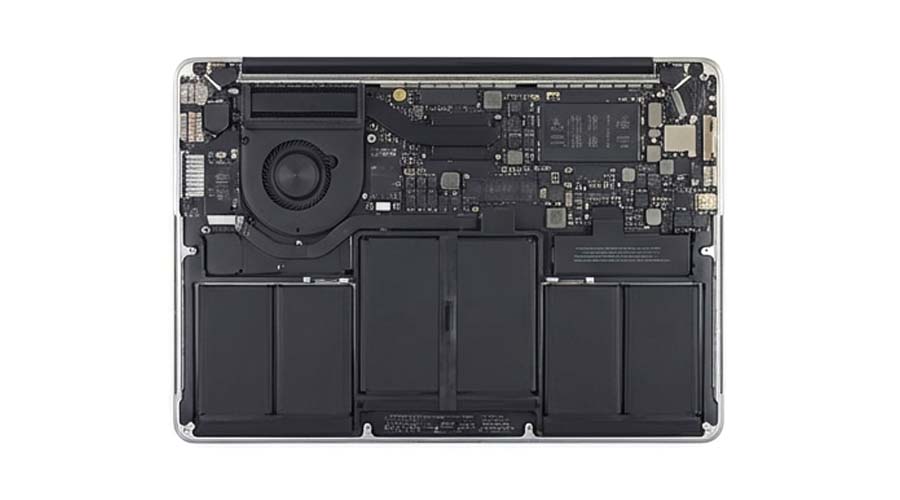
Modern high-end laptops and tablets focus on ultra-thin design. Customers now expect powerful devices that are easy to carry.
A lithium polymer battery pack can be manufactured in custom shapes and ultra-thin formats. This allows device makers to:
- Use every millimeter of internal space
- Create edge-to-edge batteries
- Reduce overall device thickness
- Improve weight balance
Hard-shell lithium-ion cells do not offer this flexibility. That is why premium laptops from Apple, Microsoft, Lenovo, and others rely heavily on lipo battery solutions.
Higher Energy Density Enables Longer Battery Life
Battery life is a top buying factor for commercial users. Engineers need long operating time for field work. Designers need stable power for creative tasks. Business travelers need full-day use without charging.
The lipo battery offers high energy density. This means it can store more energy in a smaller space.
Benefits of this include:
- Longer screen-on time
- Extended work sessions
- Fewer charging cycles per day
- Better user experience
High-end tablets often reach 10 to 15 hours of active use due to efficient lithium polymer battery design.
Fast Charging Performance Supports Mobile Productivity
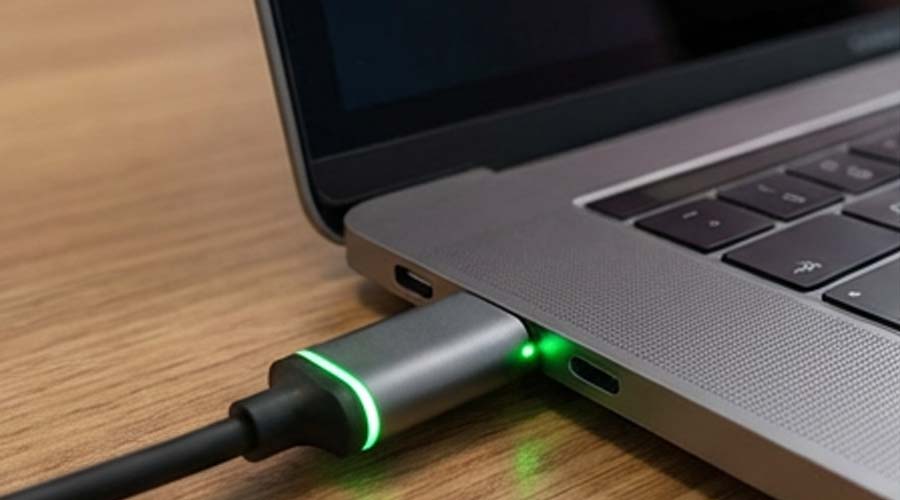
Fast charging is now a standard feature for premium devices. No one wants to wait several hours to recharge.
The lipo battery supports high current charging with better heat control. Its low internal resistance allows fast energy flow while keeping temperature stable.
This enables:
- 50% charge in under 30 minutes for many devices
- Short breaks to deliver long usage
- Higher charging efficiency
- Reduced energy waste
Commercial users benefit from faster turnaround and less downtime.
Better Safety Performance for Commercial Environments
Safety is a critical concern for high-end laptops and tablets. These devices travel on airplanes, operate in offices, and run under heavy load.
The lipo battery provides strong safety advantages:
- Lower risk of leakage
- Better resistance to vibration
- Reduced chance of explosion under normal use
- Stable chemical structure
Modern lithium polymer battery protection circuits include:
- Overcharge protection
- Over-discharge protection
- Short-circuit protection
- Thermal shutdown systems
This layered protection makes lipo battery technology suitable for strict commercial safety standards.
Lightweight Structure Improves Portability
Weight matters in mobile work. A lighter device reduces fatigue and improves daily comfort.
A lipo battery has a higher energy-to-weight ratio than many older batteries. This allows manufacturers to reduce overall device weight without sacrificing capacity.
Lightweight benefits include:
- Easier daily transport
- Lower shipping cost
- Better balance in tablet design
- Improved handheld comfort
This is one of the key reasons why premium tablets use ultra-thin lipo battery packs.
Flexible Battery Shapes Enable Innovative Device Design
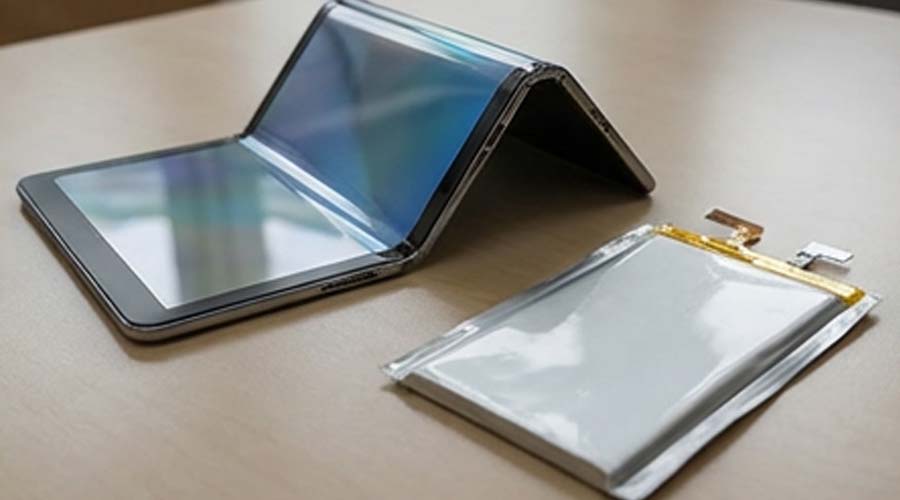
Modern laptops and tablets are no longer box-shaped. They use curved edges, dual screens, foldable hinges, and segmented battery layouts.
The soft pouch structure of a lipo battery allows:
- Multi-cell layouts
- Curved battery shapes
- Split battery designs
- Foldable device integration
This flexibility supports innovation in:
- Ultra-thin tablets
- 2-in-1 laptops
- Foldable screens
- Detachable keyboards
Rigid lithium-ion cells cannot support this level of freedom.
Lower Self-Discharge Improves Long-Term Storage
Commercial devices are often stored for weeks before use. Low self-discharge helps preserve battery health during transport and inventory storage.
A high-quality lipo battery shows:
- Slower natural power loss
- Better voltage retention
- Longer shelf life
- Reduced activation charging needs
This makes device logistics more efficient for manufacturers and distributors.
Longer Cycle Life Reduces Total Ownership Cost
High-end laptops and tablets are long-term investments. Business users expect years of reliable operation.
The lithium polymer battery cycle life often exceeds 800 to 1,200 full cycles under proper conditions.
This means:
- Fewer battery replacements
- Lower maintenance cost
- Higher resale value
- Longer device lifespan
From a total cost perspective, lipo battery technology delivers strong long-term value.
Why Premium Brands Prefer Lipo Batteries Over Traditional Lithium-Ion
Here is a simple comparison:
| Feature | Lipo Battery | Traditional Lithium-Ion |
| Shape | Flexible | Rigid |
| Weight | Lighter | Heavier |
| Thickness | Ultra-thin | Thicker |
| Safety | High | Moderate |
| Design Freedom | Excellent | Limited |
| Fast Charging | Strong | Moderate |
This comparison explains why premium device brands continue to invest in lipo battery optimization.
Real-World Applications in High-End Commercial Devices
Today, lithium polymer battery packs power:
- Business laptops
- Professional design tablets
- Industrial inspection tablets
- Medical-grade mobile equipment
- High-performance 2-in-1 devices
These industries require reliable, lightweight, and long-lasting power solutions. The lipo battery meets all these needs in one system.
Challenges of Lipo Battery Technology
Although the lipo battery offers many benefits, it also has limitations:
- Higher manufacturing cost
- Sensitivity to overcharging
- Need for strict protection circuits
- Swelling risk if damaged
This is why only high-quality manufacturers can safely produce advanced lithium polymer battery solutions for premium devices.
HiMAX Lipo Battery Introduction
HiMAX specializes in high-performance lipo battery solutions for commercial and industrial applications. HiMAX lithium polymer batteries offer high energy density, stable voltage output, fast charging capability, and strict safety protection. Each HiMAX lipo battery pack is engineered for long cycle life and reliable performance under demanding conditions. With advanced production control and international quality standards, HiMAX provides trusted power solutions for laptops, tablets, medical equipment, and smart devices worldwide.
Find articles related to lipo batteries