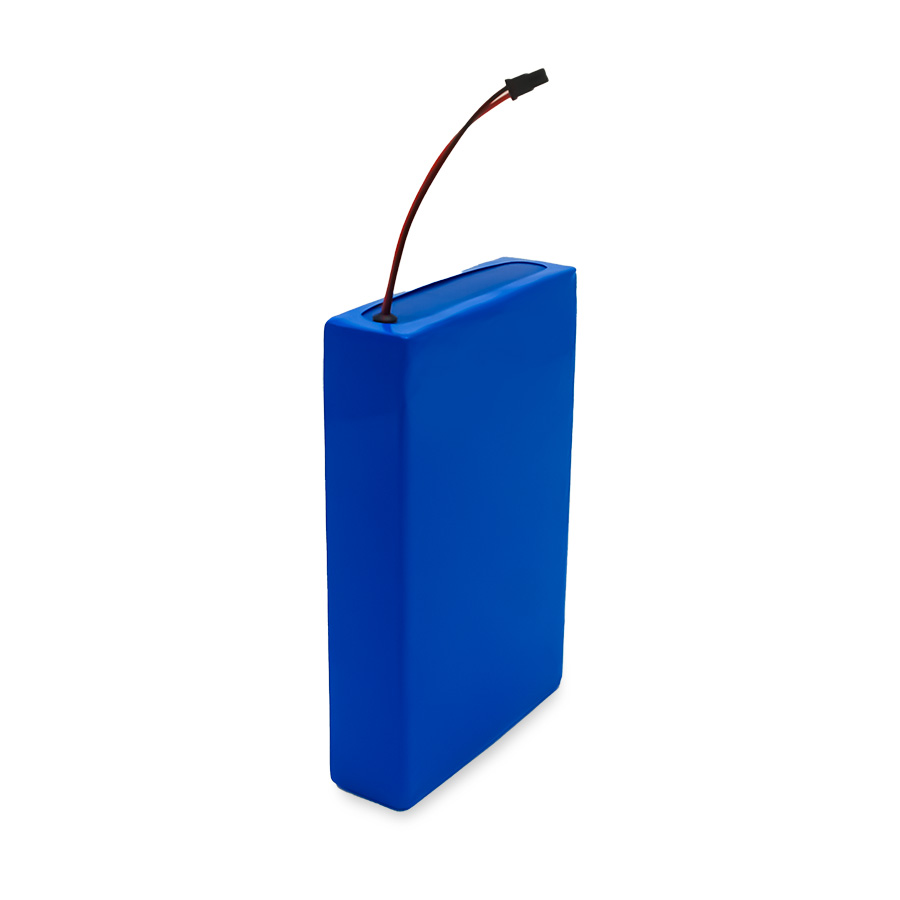
When a product spec says “5V battery,” it raises useful questions: what does 5V really mean, which chemistries are used, and — the most important practical question — how do you pick the right charger so your product is safe, reliable, and delivers the runtime your customers expect? This guide explains 5V batteries in plain American English, expands on real-world charger options (USB-A, USB-C PD, CC/CV, wireless), and gives a practical checklist you can use during design and procurement. Wherever helpful, we’ll point out how a battery partner like Himax Battery can simplify development with custom packs and testing support.
(Quick note: “5V” is an output voltage target — not a single cell chemistry. Read on to see what that means.)
Part 1: What “5V battery” really means
5V as system/platform voltage, not a single chemistry
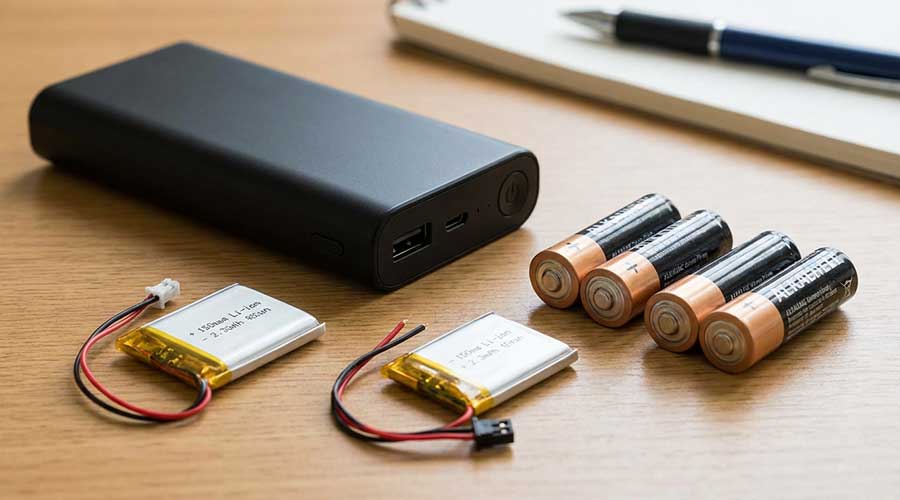
Saying “5V battery” commonly refers to a battery pack or power source that supplies 5 volts to the device — for example, a power bank, USB power source, or a small integrated pack that includes regulation electronics. It’s not a cell chemistry name. A 5V output can be produced by many battery types (Li-ion, LiFePO4, NiMH) using either a regulated output (buck/boost) or built-in power electronics in the pack.
Why the distinction matters
Designers must know whether the device expects a regulated 5V input (common for USB devices) or can tolerate a range (for internal regulated electronics). Regulated 5V sources protect sensitive electronics but add BOM cost and slightly reduce pack efficiency.
Part 2: Common 5V battery types and their tradeoffs
Li-ion (including Li-Po) — highest energy density
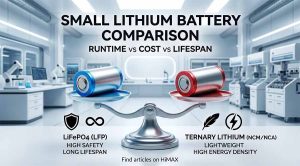
Li-ion packs are the go-to for compact 5V power banks and many portable electronic packs because they store a lot of energy for their weight and volume. Typical use: power banks, cameras, handheld devices. Tradeoffs: higher energy density comes with the need for precise charging and protective electronics.
LiFePO4 — cycle life and safety
LiFePO4 packs are heavier for the same energy but deliver far longer cycle life and greater thermal stability. For designs where long life and safety are priorities (backup power, solar + USB outputs, industrial handhelds), LiFePO4 is an excellent option.
NiMH / Alkaline — legacy & low-cost options
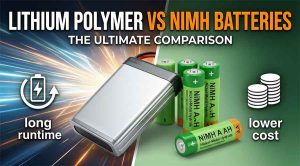
NiMH can be useful where cost and robustness matter, but their energy density is lower, and they’re less common in modern 5V regulated power banks. Alkaline is usually disposable and not relevant for rechargeable 5V packs.
Part 3: Charger basics — CC/CV and why it matters
CC/CV is the standard for lithium-based cells
Most lithium-based batteries are charged using a Constant Current / Constant Voltage (CC/CV) profile: first apply a steady current until reaching target voltage, then hold constant voltage while current tapers. Correct CC/CV implementation maximizes charge speed without damaging cells. Fast charging is possible, but higher charge rates reduce cycle life and require thermal controls.
Charger accuracy & BMS coordination
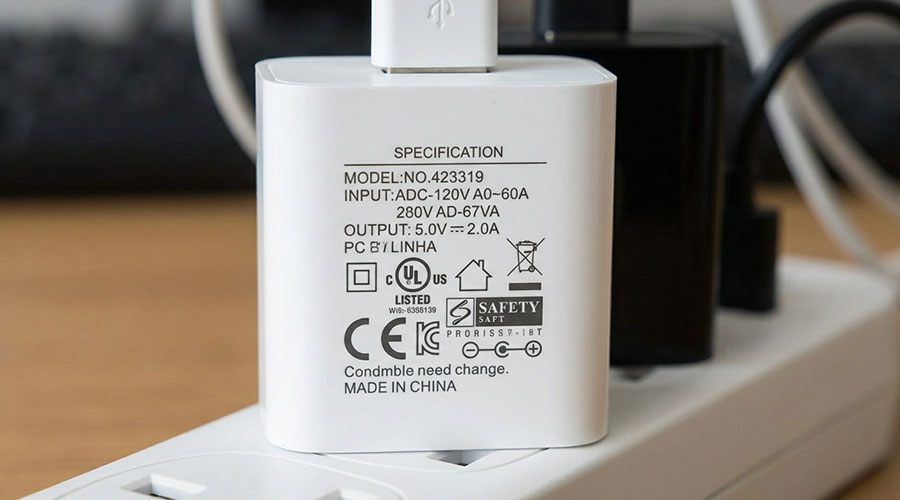
A battery management system (BMS) should coordinate with the charger (or be built into the pack) to ensure safe cutoff, balancing, and temperature-based tapering. For consumer products, integrate monitoring (temp sensor, SOC reporting) or source a certified pack with the right BMS profile.
Part 4: USB-A, USB-C PD, wireless — charger options explained
USB-A (legacy 5V)
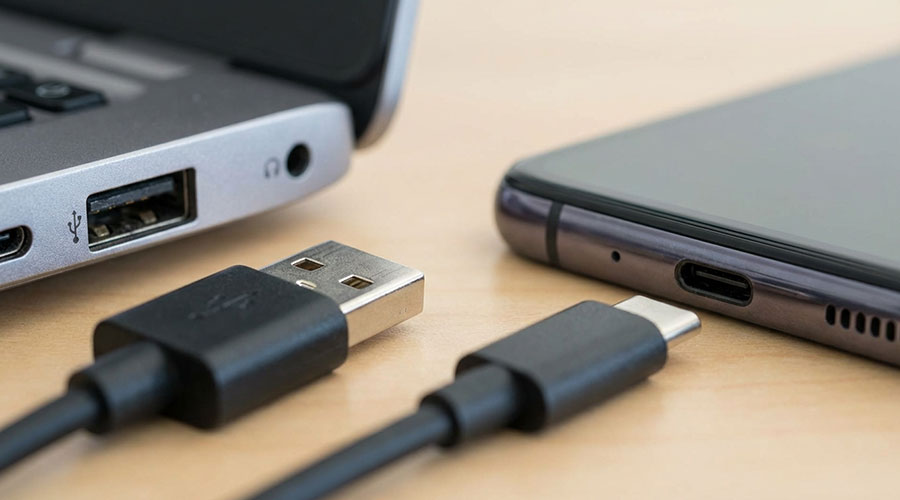
USB-A supplies fixed 5V and is still common for low-power devices. USB 2.0/3.0 host ports are limited to low currents (0.5A–0.9A typical), so dedicated chargers are used when faster charging is required. If your device uses USB-A, verify the expected current draw and include negotiation methods (if applicable) or rely on a dedicated charger.
USB-C and Power Delivery (PD)
USB-C with USB Power Delivery adds intelligence and negotiable voltages (5V, 9V, 12V, 15V, 20V and newer fixed voltages for higher power). For 5V outputs, USB-C PD ensures devices can request proper current safely; for higher power needs, PD can shift to higher voltages and use onboard regulation to step down. USB-C gives design flexibility but requires support for proper PD negotiation and compliance testing.
Wireless charging
Wireless 5V wireless receivers rely on regulated outputs and generally run cooler at moderate charge rates. They’re great for convenience but add inefficiency and usually slower charge speeds compared with wired PD solutions. Consider wireless for UX benefits when runtime sacrifice is acceptable.
Part 5: How to choose the right charger — a practical checklist
Below is a hands-on checklist you can apply during product design or procurement.
Step 1: Confirm device input requirements
- Does the device require a regulated 5V input or can it accept a voltage range?
- What is the maximum input current the device needs for intended charge times?
Step 2: Match battery chemistry and charger profile
- For Li-ion packs, choose CC/CV chargers sized to the pack’s C-rate and thermal limits.
- For LiFePO4 packs, use chargers and BMS tuned for LiFePO4 cell voltages and balance behavior.
Step 3: Decide connector & negotiation method
- USB-C PD for flexible, higher power solutions; USB-A for legacy simplicity; proprietary connectors if you need ruggedness or keyed connections.
Step 4: Check safety & certification needs
- Require UL/IEC/CE, UN38.3 for shipping, and EMC testing per region. Certified packs and chargers lower compliance risk downstream.
Step 5: Plan for thermal and lifecycle testing
- Test at expected charge rates and ambient temperatures. Fast charging often requires derating in warm environments. Battery University’s guidance on fast charging and aging is a good baseline.
Part 6: Example charger spec table (starting point for engineers)
| Use case | Output | Typical charger type | Notes |
| Low-power wearable | 5V, 0.5A | USB-A host or small wall adapter | Small form factor, slow charge |
| Consumer power bank | 5V, 2–3A | USB-C PD or dedicated 5V/3A adapter | PD recommended for flexible sourcing |
| Rugged industrial handheld | 5V regulated, 3A | Rugged sealed adapter or dock with PD | Use keyed, IP-rated connectors |
| Backup + charging hub | 5V + higher voltages | USB-C PD hub | PD allows multi-voltage support and central management |
(Use this as a conversation starter with your battery supplier — actual specs depend on cell C-rate, pack topology, and thermal envelope.)
Part 7: Safety, shipping, and certifications you can’t ignore
- UN38.3 for transport of lithium cells/packs.
- CE / RoHS / FCC / UL or IEC per regional sale regions.
- EMC testing if your charger or pack includes wireless or switching power supplies.
- Require documented test reports from your supplier; certified packs speed distribution and reduce legal risk.
Part 8: How a battery partner (Himax Battery) can reduce risk & speed time-to-market
Picking a proven battery partner shortens development cycles and reduces compliance headaches. Typical support you should expect from a factory partner:
- Custom 5V pack design (regulated 5V output or raw pack + regulator) matched to device runtime and weight targets.
- BMS and charger profiling — we tune CC/CV profiles, thermal cutoffs, and balancing thresholds to your spec.
- Prototyping & testing — cycle life, thermal profiling, and fast-charge validation in representative conditions.
- Certs & paperwork — pre-shipment UN38.3, CE/IEC/UL paperwork to make international shipping and sales smoother.
- Samples & small pilot runs so your team can validate UX and mechanical fit before mass production.
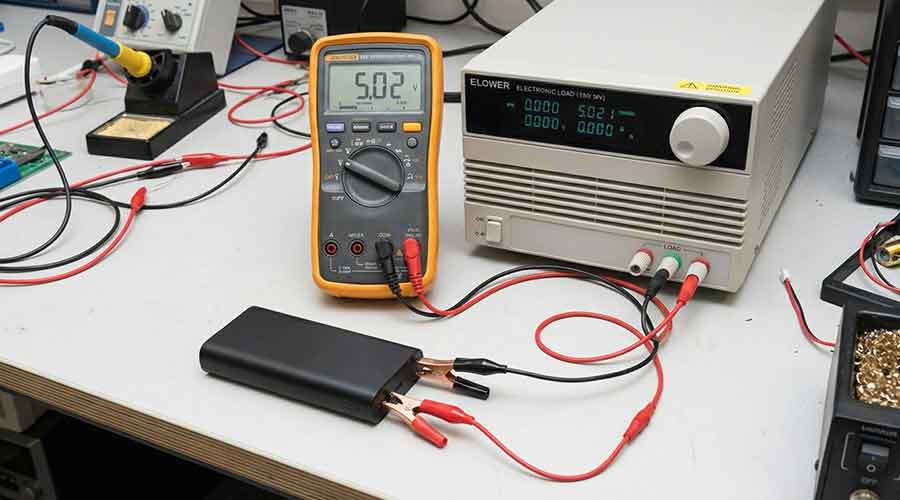
Himax Battery’s experience in custom packs and QC reduces surprises in high-volume runs — especially for regulated 5V outputs packaged into power banks, handhelds, and industrial devices. (If you’d like, we can prepare a short spec sheet and two engineering sample options for your design.)
Part 9: Quick FAQ
Q — Can I just use any 5V phone charger to charge my product?
A — Only if the charger supplies the current and negotiation your device expects. Basic phone chargers may supply 5V but vary in maximum current and negotiation behavior (USB-A/PD differences). Use certified adapters or specify a charger in your BOM.
Q — Will fast charging damage battery life?
A — Fast charging is convenient but increases stress and can shorten cycle life if done continuously. Design for acceptable tradeoffs and validate with cycle tests at intended charge rates.
Q — Do I need a BMS if the pack provides a regulated 5V output?
A — Yes. A BMS protects cells from overcharge/overdischarge and balances cells. Even packs with built-in regulation should include robust cell protection.
Conclusion: think in systems, not just volts
“5V” tells you the delivery target — but it doesn’t tell the whole story. For a reliable, safe product you must match cell chemistry, pack topology, CC/CV profile, connector/negotiation method, thermal design, and certifications. Use the checklist in Part 5 to move from concept to a validated design, and involve your battery partner early — it saves time, reduces compliance risk, and improves the customer experience.If you want, Himax Battery can draft a compact spec sheet for your project (pack topology, recommended charger, BMS cutoffs, sample timeline). Tell us the target runtime, weight limit, and whether you prefer Li-ion or LiFePO4 — we’ll return two sample options for engineering evaluation.
Find articles related to 5V Battery Pack