We’ve all been there: you turn the key in your ignition, or flip the switch in your RV, and… nothing. Silence. A dead battery is more than just an inconvenience; it can disrupt your travel plans, leave you stranded, or shut down your off-grid power system when you need it most.
But how long should a 12-volt battery last? Is it three years? Five? Ten?
The answer isn’t a simple number—it depends heavily on the chemistry inside the battery box and how you treat it. Whether you are powering a fishing boat, a solar setup, or a backup UPS system, understanding the science of battery longevity can save you thousands of dollars in replacements.
In this guide, we’ll cut through the confusion, compare traditional Lead-Acid with modern Lithium technologies, and show you exactly how to squeeze every drop of life out of your investment.
The Short Answer: It Depends on Chemistry
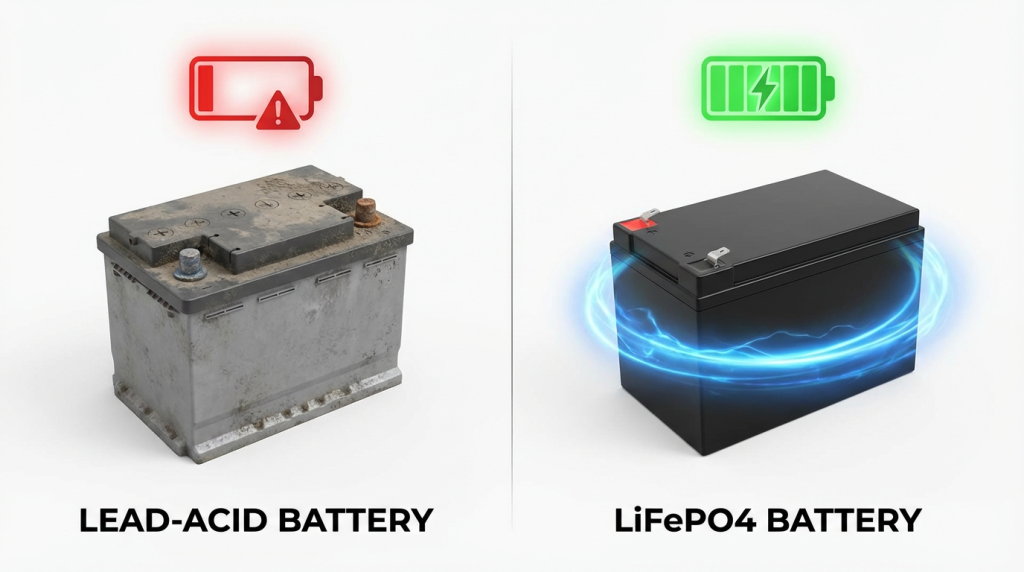
If you are looking for a quick benchmark, here is the industry reality. The “12-volt” label on the outside tells you the voltage, but the technology inside determines the lifespan.
Traditional Lead-Acid Batteries (The Old Guard)
For decades, lead-acid has been the standard. This includes Flooded (Wet Cell), AGM (Absorbent Glass Mat), and Gel batteries.
·Average Lifespan: 3 to 5 years.
·Cycle Life: Generally 300 to 500 cycles (at 50% discharge).
·The Reality: These batteries are like a ticking clock. If you discharge them too deeply (below 50%) or forget to top up the water (on flooded models), their life can drop to less than a year. They are sensitive, heavy, and require regular attention.
Lithium Iron Phosphate (LiFePO4) (The Modern Standard)
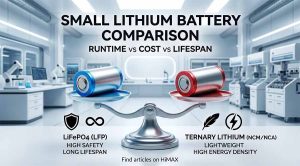
This is where the industry has shifted. LiFePO4 (Lithium Iron Phosphate) technology, which we specialize in at Himax Battery, has revolutionized energy storage.
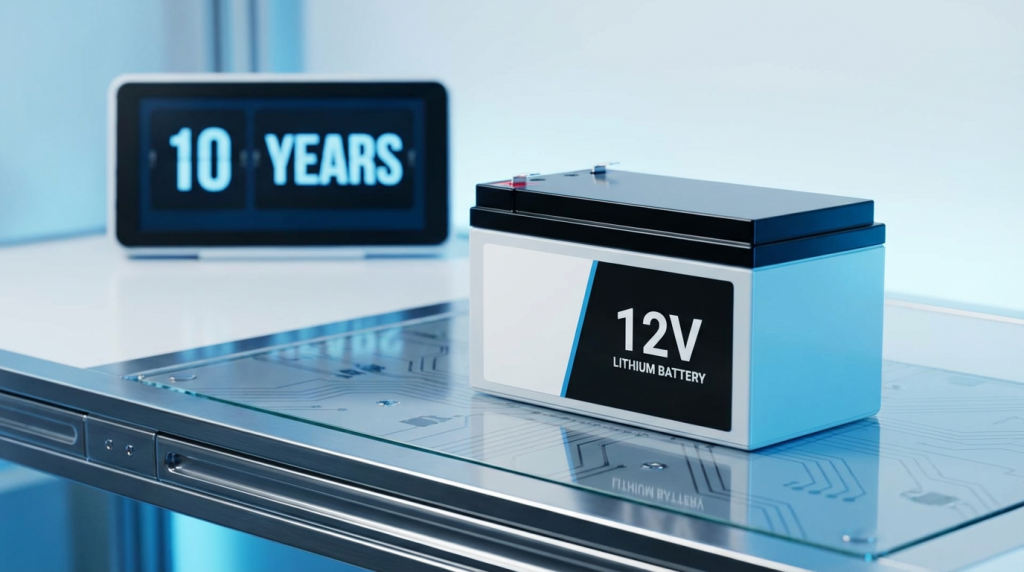
·Average Lifespan: 10 to 15 years.
·Cycle Life: 2,000 to 5,000+ cycles (at 80-100% discharge).
·The Reality: While the upfront cost is higher, a quality LiFePO4 battery is a “install and forget” solution. It can outlast 3 to 4 sets of lead-acid batteries, making it the smarter financial choice for long-term users.
3 Hidden Factors That Kill Your Battery
Why do some batteries die in 18 months while others last 8 years? Usually, it comes down to three critical variables.
1. Depth of Discharge (DoD)
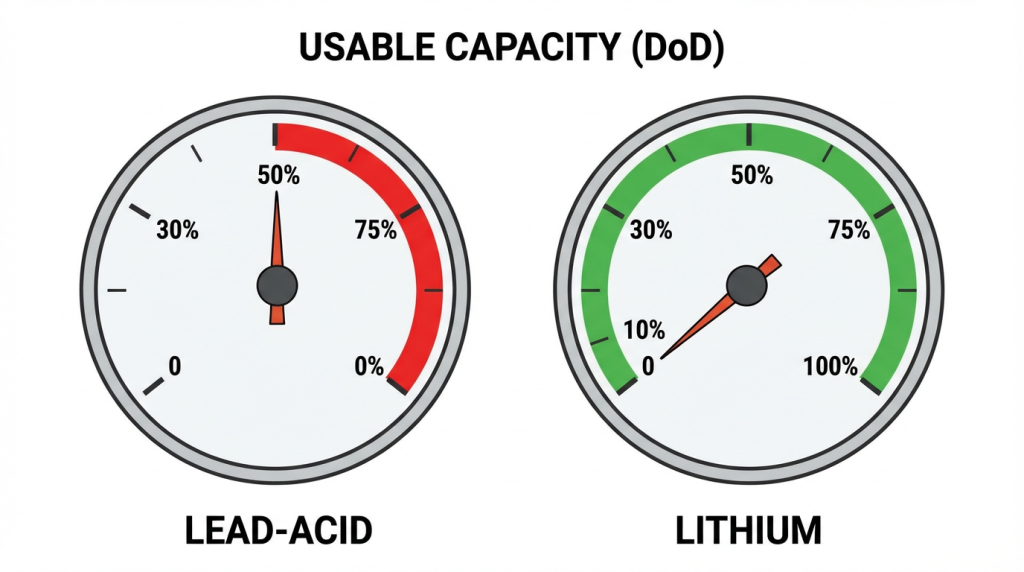
Think of DoD as how “empty” you let the tank get.
·Lead-Acid: These batteries hate being empty. Regularly draining a lead-acid battery below 50% creates hard lead sulfate crystals on the plates, permanently reducing capacity. It’s like running a marathon without water—eventually, you collapse.
·Lithium (LiFePO4): These are the marathon runners. You can safely discharge them to 80% or even 100% without significant damage. This means a 100Ah lithium battery gives you essentially twice the usable power of a 100Ah lead-acid battery.
2. Temperature Extremes
Batteries are like Goldilocks—they like it “just right” (around 77°F or 25°C).
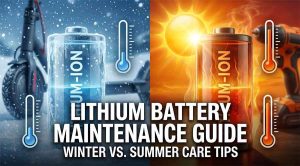
·Heat: High heat accelerates chemical reactions. While this might give you a temporary boost in performance, it corrodes internal grids rapidly. For every 15°F rise above standard operating temp, a lead-acid battery’s life is cut in half.
·Cold: Freezing temps slow down the chemistry. A frozen lead-acid battery that isn’t fully charged can actually crack its case. Lithium batteries handle cold better during discharge, though they need specific BMS (Battery Management System) protection during charging to prevent plating—a feature standard in high-quality packs like Himax’s Smart Series.
3. Charging Habits
The number one killer of lead-acid batteries is “partial state of charge.” If you use your battery and don’t recharge it back to 100% immediately, sulfation begins.
Lithium batteries, conversely, are happier. They don’t suffer from “memory effect” and don’t need to be immediately topped off, giving you far more flexibility in real-world use.

Application Matters: Real-World Expectations
Your specific application dictates the stress placed on the battery.
For RVs and Marine Use
“House batteries” in RVs and boats undergo deep cycling—draining down at night and recharging via solar or alternator by day.
·Expectation: A standard marine lead-acid battery often fails after 2-3 seasons of heavy boondocking. Switching to LiFePO4 can extend this to a decade of reliable trips, drastically reducing the weight on your chassis or hull.
For Solar Energy Storage
Solar is unpredictable. Cloudy days mean batteries might sit partially charged for days.
·Expectation: Lead-acid batteries struggle here unless oversized significantly. Himax LiFePO4 batteries excel in solar setups because their high charge efficiency (96% vs. lead-acid’s 75%) captures more energy from the sun, even on short winter days.
For Backup & UPS
These batteries sit “floating” at full charge for months.
·Expectation: AGM batteries are decent here (5-7 years), but if the room gets hot, they degrade fast. Lithium offers superior stability and takes up less space in server racks or home closets.
5 Signs Your Battery Needs Replacement
Don’t wait for a blackout to find out your battery is toast. Watch for these red flags:
1.Sluggish Starts: The engine cranks slower than usual (starter batteries).
2.Bulging Case: A sign of overcharging or extreme heat—replace immediately.
3.The “Voltage Sag”: You charge it to 12.8V, but the moment you turn on a light, it drops instantly to 10V.
4.Smell of Rotten Eggs: This indicates a venting lead-acid battery leaking sulfur gas. Dangerous!
5.Corrosion: excessive white or blue powder on terminals indicates leaking gas or poor connections.
How to Make Your Battery Last Longer (Pro Tips)
Whether you are running a classic lead-acid setup or a modern Himax Lithium bank, maintenance is key.
·Keep it Clean: Dirt and moisture on the top of a battery can actually conduct electricity between posts, slowly draining it.
·Use a Smart Charger: Old “trickle chargers” can boil batteries. Invest in a smart charger that detects voltage and shuts off automatically.
·For Lead-Acid: Check water levels monthly (only use distilled water) and never store them discharged.
·The Upgrade Path: If you are tired of maintenance, the single best way to extend lifespan is to upgrade to LiFePO4. With Himax Battery’s advanced BMS, the battery protects itself from over-charging, over-discharging, and short circuits, effectively removing “human error” from the equation.
Conclusion: Is It Time to Switch?
So, how long do 12-volt batteries last? If you stick with older lead-acid tech, plan on replacing them every few years. If you embrace lithium technology, you are looking at a decade of reliable power.
At Himax Battery, we engineer our Grade-A lithium solutions to bridge this gap, offering you professional-grade power that lasts longer, weighs less, and works harder.
Ready to stop worrying about your battery life? Explore our range of deep-cycle lithium batteries today and power your passion with confidence.
Find articles related to LiFePO4 Battery Pack