Electric mobility scooters and power wheelchairs depend on reliable batteries. A strong battery ensures safe travel, smooth acceleration, consistent range, and dependable daily use. When a battery fails, it affects mobility, independence, safety, and confidence. This is why selecting the right battery matters. Many users simply buy whatever fits their device. However, not all batteries perform the same, and not all options meet safety and compliance standards. This guide explains how to choose safe, long-lasting, and compliant batteries for mobility scooters and power wheelchairs, with a special focus on wheelchair batteries and related semantic keywords.
Understanding the Types of Wheelchair Batteries
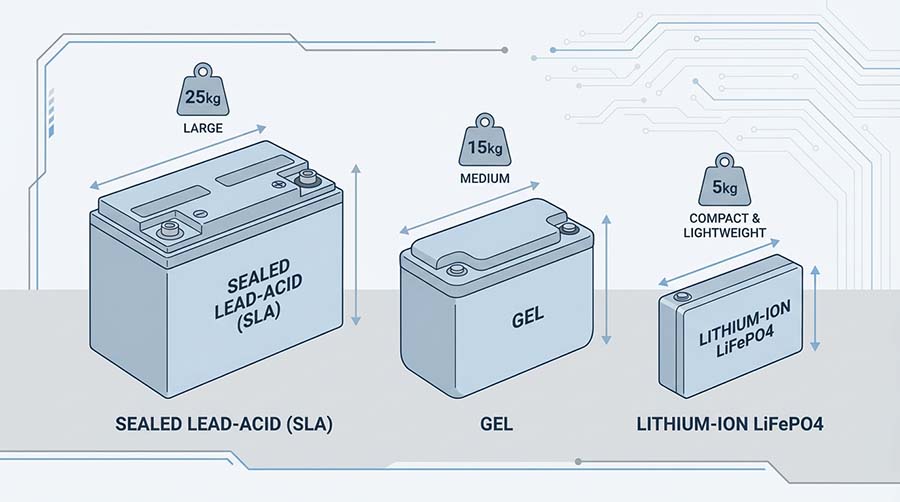
Mobility devices use three main battery types. Each type behaves differently and supports different performance levels.
Sealed Lead-Acid (SLA) Batteries
SLA batteries are common in budget-friendly mobility scooters. These batteries store energy through lead plates and electrolyte. They cost less upfront. They are also easy to install.
However, SLA batteries are heavy. They take longer to charge. They lose capacity more quickly after repeated cycles. They also struggle in cold weather. Users who rely on their scooters every day may find SLA options limiting because their power output drops as the battery discharges.
Gel batteries are a type of SLA design. They contain a gel-like electrolyte that improves stability. They offer better safety than traditional SLA batteries. They also resist vibration and shock. Many wheelchair users choose gel batteries because they perform better during daily use.
But gel batteries still weigh a lot. They also cannot match the energy density or cycle life of modern lithium options.
Lithium-ion batteries deliver more energy per pound. They charge quickly. They deliver strong, consistent power. These batteries also last much longer than SLA or gel options. Many modern mobility devices use lithium-based wheelchair batteries for superior performance and safety.
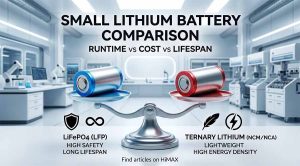
Lithium-ion options come in different chemistries. Lithium iron phosphate (LiFePO4) stands out as the safest and longest-lasting option. It is stable, thermally secure, and compliant with strict mobility-device safety standards.
Key Factors to Consider When Choosing Wheelchair Batteries
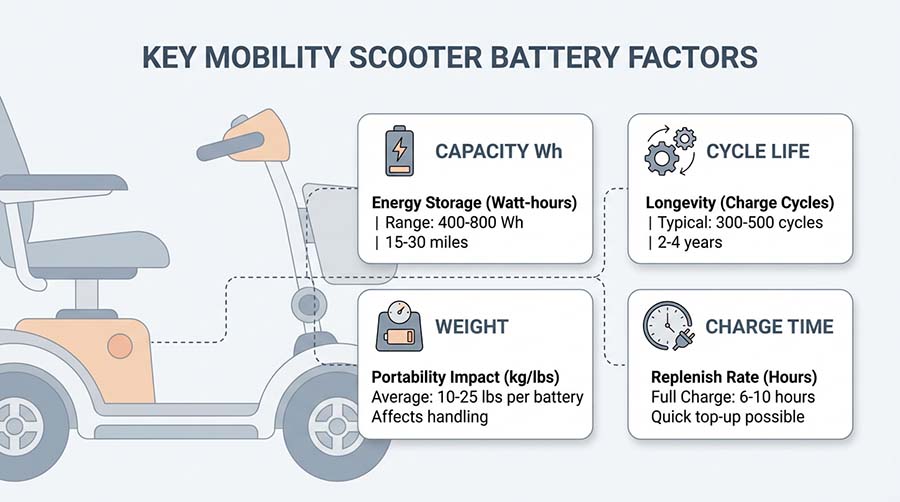
A mobility scooter must provide steady power. Sudden shutdowns can cause injuries, especially on slopes or uneven ground. High-quality wheelchair batteries maintain stable voltage. They support smooth acceleration and consistent range through the entire discharge cycle.
Battery safety standards help prevent overheating and thermal failure. Lithium iron phosphate options perform well under extreme stress. They resist internal short circuits. They stay cool during heavy use. This makes them ideal for indoor and outdoor mobility applications.
Supporting Medical Device Compliance
Mobility scooters and power wheelchairs often fall under medical device regulations. Batteries must meet transportation, electrical, and quality standards. Choosing certified, compliant batteries ensures manufacturers, caregivers, and end users remain protected.
Capacity determines how far the mobility device can travel. Higher capacity batteries deliver longer range. When comparing batteries, check watt-hours (Wh). Wh shows how much usable energy the battery provides.
A long cycle life reduces long-term replacement costs. SLA batteries offer 200–300 cycles. Gel batteries offer 300–500 cycles. Lithium-ion batteries can exceed 2,000 cycles. Lithium iron phosphate batteries can reach 3,000+ cycles, making them ideal for heavy daily use.
Battery weight affects how the device handles and how easy it is to transport. Lithium batteries weigh far less than SLA batteries with similar capacity. Users who travel frequently or lift their scooters into cars benefit from lighter battery packs.
Short charge times help users stay mobile. Lithium batteries charge much faster than SLA options. Many can charge to 80% in just a few hours.
Mobility devices face bumps, vibration, and outdoor conditions. High-quality wheelchair batteries include reinforced casings and stable internal structures. Lithium iron phosphate cells offer exceptional shock resistance.
Understanding Compliance and Certification Requirements
Compliance protects the user and ensures the battery meets legal standards. Look for the following certifications:
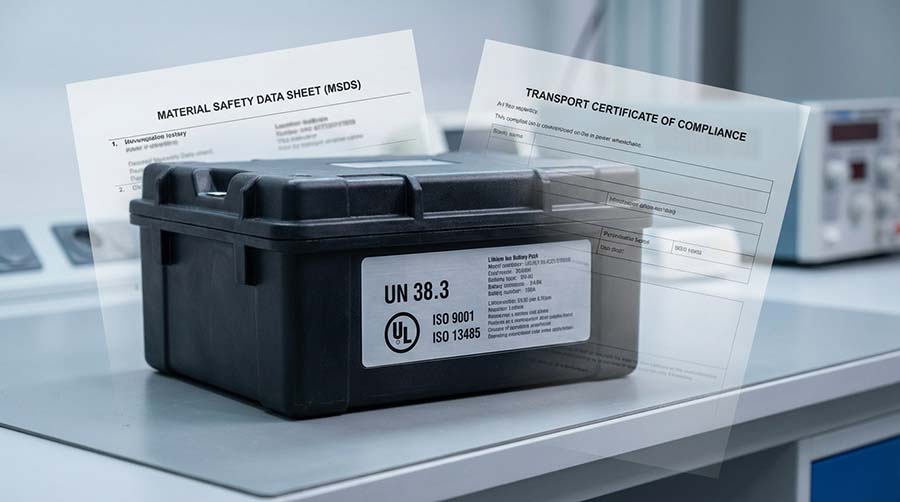
This certification ensures that lithium batteries are safe for transport. It tests extreme temperatures, vibration, shock, and altitude changes.
UL standards ensure the battery meets electrical safety requirements. UL-listed wheelchair batteries protect users from short circuits and overcharging.
ISO 9001 and ISO 13485 show that the factory uses strict quality and medical device manufacturing processes.
MSDS and Transportation Documentation
Safe and compliant batteries always include Material Safety Data Sheets and transport certificates. These documents ensure the battery meets global safety rules.
Benefits of Upgrading to Lithium Iron Phosphate Wheelchair Batteries
Many mobility users now upgrade from SLA to lithium iron phosphate batteries because these batteries offer superior performance.
LiFePO4 batteries last several times longer than SLA batteries. This reduces long-term costs.
Lithium iron phosphate chemistry resists thermal runaway. It stays cool under pressure. It offers stable discharge performance.
These batteries maintain higher voltage throughout the discharge cycle. This means more consistent power and longer range.
Users can remove or carry their batteries with less strain. This makes travel and storage easier.
Lithium iron phosphate uses non-toxic, environmentally friendly materials compared to older chemistries.
Practical Tips for Everyday Battery Care
Proper care extends the life of your wheelchair batteries.
- Charge the battery after each use.
- Avoid running the battery down to 0%.
- Store the battery in a cool, dry place.
- Use a certified charger.
- Keep battery terminals clean.
- Inspect the battery regularly for damage.
These simple habits improve safety, performance, and reliability.
When You Should Replace Your Wheelchair Battery
Batteries wear out over time. Replace them if you notice:
- Reduced range
- Slower acceleration
- Long charging times
- Overheating
- Swelling or leaking
- Unexpected shutdowns
Using a worn battery increases the risk of accidents. Replacing it early ensures safe mobility.
HiMAX offers premium wheelchair batteries designed for demanding mobility users. Our products use advanced lithium iron phosphate chemistry, giving you exceptional lifespan, strong temperature stability, and reliable daily performance. Every HiMAX pack meets strict UN 38.3, UL, and ISO standards. Whether you need long range, fast charging, or lightweight portability, HiMAX provides a mobility power solution you can trust. We also offer high-safety lifepo4 battery options that deliver superior stability and long-term value for both scooters and power wheelchairs.
Find articles related to Sump Pump Battery